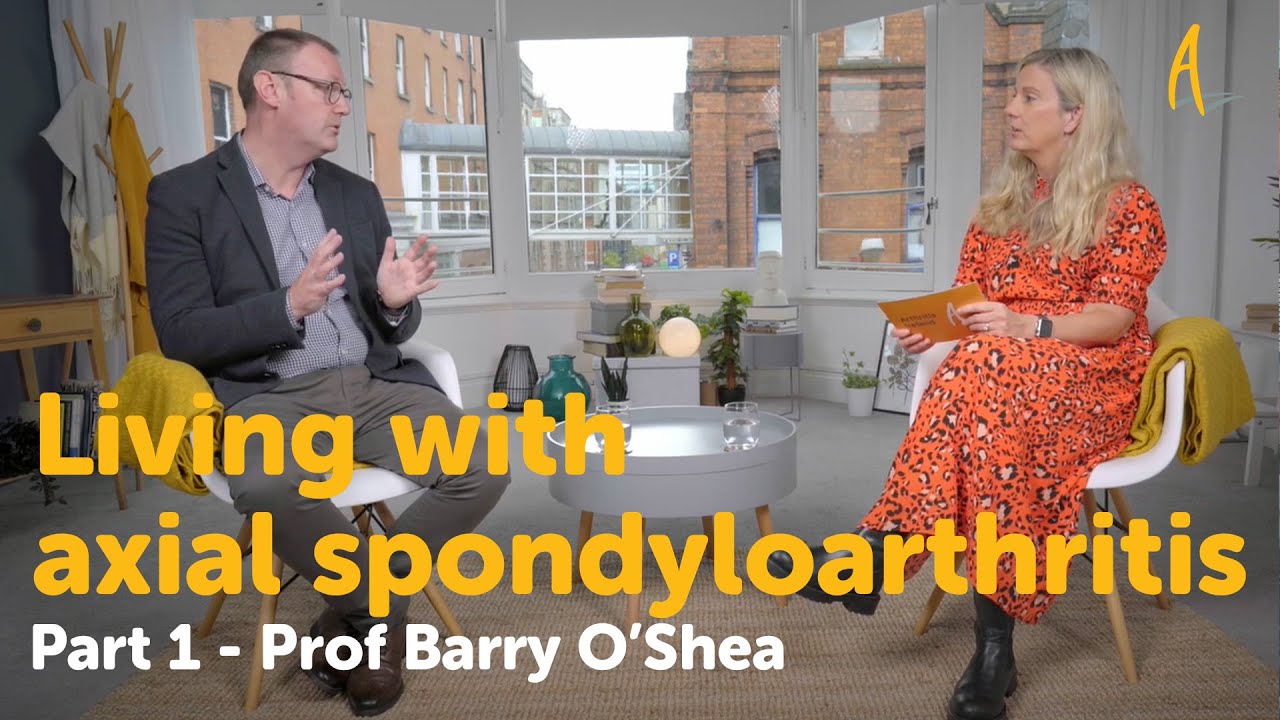
Amanda Geard shares her 18-year journey living with ankylosing spondylitis and how treatment and exercise improved her life.
Key Takeaways
- Early diagnosis and personalized treatment can drastically improve quality of life for ankylosing spondylitis patients.
- Physical activity tailored to individual ability, such as swimming and yoga, is beneficial for managing symptoms.
- Emotional resilience and hope are vital in coping with chronic illness.
- Access to appropriate healthcare and specialists makes a significant difference in disease management.
- Ankylosing spondylitis can be managed effectively, allowing patients to lead active, fulfilling lives.
Summary
- Amanda Geard was first symptomatic with ankylosing spondylitis at age 19 but was misdiagnosed and treated with anti-inflammatories for years.
- She experienced severe pain and disability before finally seeing a rheumatologist who diagnosed her condition.
- Initial treatment options in Australia were limited, with medication only available after visible degeneration on X-rays.
- After moving to Ireland, Amanda received a more personalized treatment plan that significantly reduced her pain.
- Exercise, especially yoga, swimming, and walking, played a crucial role in improving her mobility and quality of life.
- Amanda emphasizes the importance of persistence and hope despite the challenges of living with a chronic illness.
- She highlights the emotional impact of the diagnosis and the relief of having a name for her condition.
- Amanda balances her life as a geologist and author while managing ankylosing spondylitis.
- She encourages others with the condition to keep trying new treatments and activities to improve their wellbeing.
- Amanda’s story is a message of empowerment: ankylosing spondylitis does not define her.


![Google Ads Suspended [2026] for Circumventing System [F… — Transcript](https://i.ytimg.com/vi/c7I8XGLDgJc/maxresdefault.jpg)