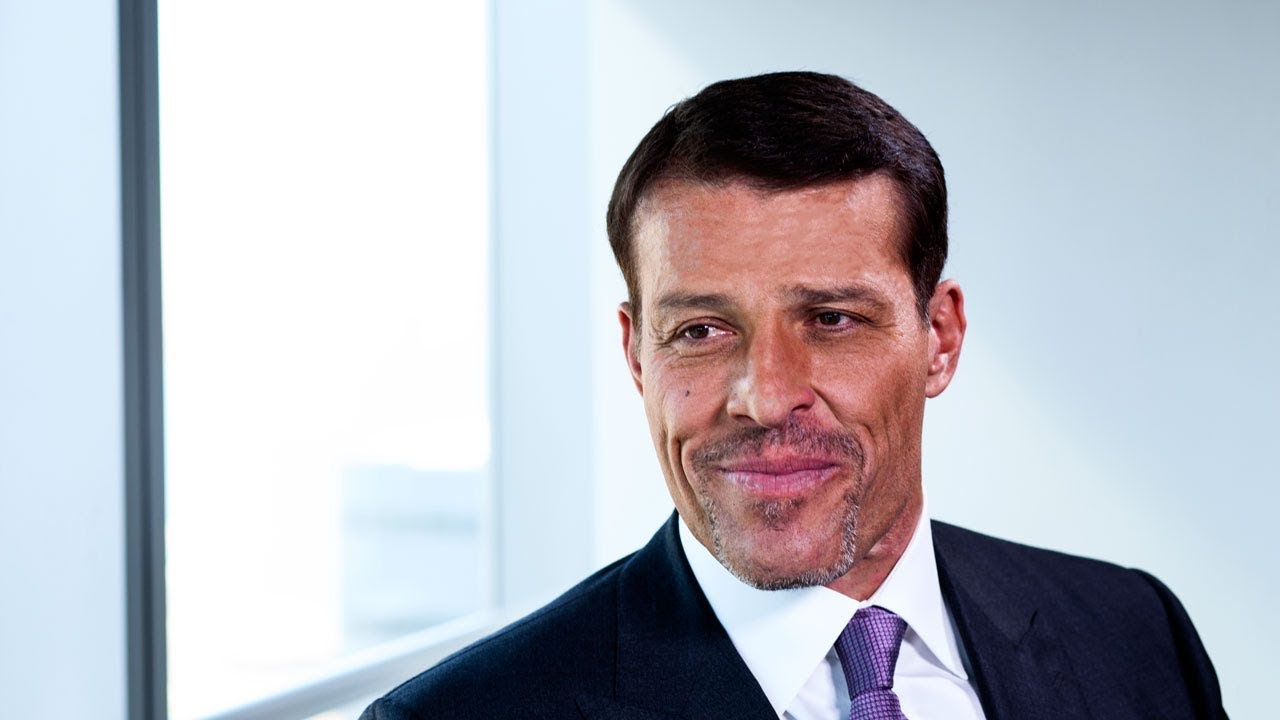
Ben & Jerry’s Co-founder Ben Cohen on Protecting Your V… — Transcript

Ben Cohen discusses Ben & Jerry's unique governance, social mission challenges, and conflicts with Unilever over brand values and ownership.

Key Takeaways

  • Ben & Jerry's was a pioneering purpose-driven brand with a unique governance structure to protect its social mission.
  • The founders resisted the sale to Unilever due to fears the social mission would be compromised.
  • Legal and operational conflicts with Unilever have threatened the brand's social activism and independent governance.
  • Maintaining a social mission within a large corporate structure is complex and fraught with challenges.
  • Ben Cohen remains committed to preserving Ben & Jerry's legacy as a voice for progressive social change.

Summary

  • Ben Cohen recounts the founding and growth of Ben & Jerry's as a purpose-driven brand starting in 1978.
  • The company was sold to Unilever over 20 years ago despite founders' resistance, with special clauses protecting the social mission.
  • An independent board was created to oversee the social mission, product quality, and marketing, while Unilever controlled finances and operations.
  • Conflicts arose when Ben & Jerry's decided to stop selling in the West Bank, leading to pressure from Israel and Unilever licensing the brand to an Israeli company.
  • The independent board sued Unilever multiple times due to breaches of the governance agreement and suppression of Ben & Jerry's social activism.
  • Unilever's spin-off of its ice cream division led to removal of Ben & Jerry's CEO and attempts to dissolve the independent board.
  • Co-founder Jerry Greenfield resigned in protest over these conflicts, while Ben Cohen remains to defend the brand's social mission.
  • Ben Cohen emphasizes the importance of businesses being socially conscious and serving community needs.
  • The video touches on the evolution of mission-driven business models and the challenges of maintaining social values under corporate ownership.
  • Ben Cohen expresses optimism about social justice progress despite ongoing challenges.

Full Transcript — Download SRT & Markdown

00:11
Speaker A
How's everybody doing? Good, good. Well, welcome to Inc. Founders House. It's a very steamy, sultry afternoon.
00:21
Speaker A
And so, of course, we thought the best thing we could do is talk about ice cream, right? And kind of bring the temperature down to a nice level.
00:28
Speaker A
Thank you all for being here. You know, for those of you who don't know, Inc. was launched as a startup itself back in 1979. And the first person on the first cover of Inc. magazine was Steve Jobs, which was a good pick, very
00:42
Speaker A
good pick. And it was sort of the beginning of the entrepreneurial revolution in America.
00:47
Speaker A
And within a few years, another iconic Inc. cover featured our next guest, Ben Cohen, along with his partner, Jerry Greenfield, the founders of Ben and Jerry's. They need no introduction. It is an iconic brand and an iconic founder-led brand through many years.
01:04
Speaker A
And now a brand that is, for many reasons which we'll talk about, kind of in transition. And it's interesting to think about what the future of this brand, one of the first purpose-driven brands, will be. And so, Ben, thank
01:17
Speaker A
you for being here. We're really glad to have you. Now, I think many people know the backstory, but let's recount it for those who might be unfamiliar. You and Jerry sold the company to Unilever a number of years ago, 20-plus years ago.
01:32
Speaker A
And you had kind of a very special deal. Can you talk about selling the company and then what was baked into the deal?
01:39
Speaker A
Yeah, I just want to be clear that Jerry and I did not try to sell the company.
01:45
Speaker A
The company got sold. Jerry and I were very resistant to that sale. You know, we had originally gone public just within the state of Vermont.
01:55
Speaker A
And essentially sold shares to our neighbors. And then after a while, we went public nationally. And you know, around the year 2000, we hired the wrong CEO and he saw a way to make himself a lot of money by
02:13
Speaker A
selling the company. And he put that in motion. So, what was your question?
02:26
Speaker A
Well, so as we think about, as part of the transaction, right, there were like sort of special clauses baked in.
02:39
Speaker A
Right. So, because we were so resistant, and the reason we were so resistant is that we felt like if the company became owned by an entity that didn't have a social mission, that the social mission would die.
03:00
Speaker A
And so, there were a lot of negotiations and eventually we came up with this unprecedented governance structure that provided for an independent board for Ben and Jerry's that has legal authority over the social mission, the quality of the product, the
03:25
Speaker A
use of the trademark, marketing. And Unilever has control over finances and operations. And you know, that relationship worked pretty well for a while until we until Unilever and Ben and Jerry's agreed that Ben and Jerry's would pull
03:35
Speaker A
out of the West Bank because continuing to sell in the occupied territories was inconsistent with the values of Ben and Jerry's. And what year was that?
03:52
Speaker A
That was around 21. And what happened was that there was so much pushback from Israel. The head of Israel called up the head of Unilever and said, "Hey, if you don't make this right and get Ben and Jerry's back here,
03:57
Speaker A
we're going to kick out all of the different Unilever businesses from Israel." And there were a lot of them.
04:06
Speaker A
And so, Unilever went back on the deal and sold the rights to Ben and Jerry's to an Israeli.
04:28
Speaker A
Uh, and so, like licensing the brand. Yes. Right. And they and the board, you know, tried to negotiate with Unilever, couldn't get anywhere, and eventually the independent board sued Unilever. And there was an out-of-court
04:47
Speaker A
settlement. Unilever didn't live up to it. And the independent board sued Unilever again. And after that time, Unilever had been muzzling Ben and Jerry's on many of the things that it stands that it wanted to take, like for calling for
04:58
Speaker A
a ceasefire in Gaza, calling for protecting the right to protest for the students, the right to a free press and free speech.
05:06
Speaker A
And you know, and then Unilever announced that they're going to spin off their entire ice cream division.
05:21
Speaker A
Did that surprise you? That they were going—
05:34
Speaker A
Yeah, I didn't expect that. And then Jerry and I went to Unilever and we said, "Well, you know, we're having so many problems between Ben and Jerry's and Unilever and you know, you're looking to get rid of your ice cream business anyhow. Why don't you just separate out Ben and Jerry's so we can sell it to some socially aligned entrepreneurs who actually support the social mission." And they said, "No."
05:44
Speaker A
And can we talk about that? Do you have anything you heard from them or anything that is your sort of opinion about why they said no?
05:57
Speaker A
I'm imagining that they believe that their whole ice cream division, they have about 100 brands around the world, is more valuable with Ben and Jerry's than without it.
06:12
Speaker A
You know, they only have three global brands. One is Ben and Jerry's, the other is Magnum, and the third is Cornetto, which isn't available much here in the US. And Ben and Jerry's is number
06:23
Speaker A
one in the US, yeah? That is an amazing statistic that I keep on hearing, and it's always very hard for me to believe, but that's what they say, yeah.
06:40
Speaker A
It's number one in my house. [laughter] [applause] So, you're having these conversations. You and Jerry are pitching them to do a founder buyback, which is very common now. We see it with, you know, companies like Outdoor Voices and others.
06:51
Speaker A
But they say no. So, the spin-off happens. And what happens next?
07:05
Speaker A
So it spun off into what they called the Magnum Ice Cream Company.
07:21
Speaker A
And as soon as that happened, they removed the 30-year Ben and Jerry's employee who had worked his way up all the way from tour guide to CEO.
07:37
Speaker A
And you know, he had a responsibility to take direction from the independent board and from Unilever. And Unilever said, "Well, no, it was Magnum at this time." Magnum said, "Don't listen to that independent board. Only do what we
07:45
Speaker A
tell you to do." And he said, "I can't do that. That's not part of this legally binding agreement." So, they got rid of him. And then soon after that, they've attempted—they're attempting right now to get rid
07:56
Speaker A
of the entire independent board of directors.
08:09
Speaker A
And they're no longer meeting with the independent board.
08:24
Speaker A
They're no longer seeking the approvals that they're supposed to seek. They're operating illegally. And your co-founder, Jerry, kind of resigned, I guess, in protest.
08:45
Speaker A
That's correct. And can you talk about sort of—I imagine that led to really interesting conversations or was preceded by interesting conversations between the two of you. How did he come to that decision? And why did you stay?
09:00
Speaker A
Well, we both came to the decision that the social mission of Ben and under the current ownership. And so Jerry is an amazing guy.
09:11
Speaker A
Best friend I've ever had. Really smart, really responsible, compassionate. Very caring. And he is the most conflict-averse person in the world. And you're very shy about conflict, by his own admission. And so, you know, he said, "I
09:20
Speaker A
you know, this is going to be a big conflict." And you know, he can't do it. So he resigned in protest. And you know, I'm not a guy who enjoys conflict, but I'm willing to, you know, make that sacrifice
09:35
Speaker A
essentially so that Ben and Jerry's can live on and be a voice for progressive social change and justice.
09:47
Speaker A
[cheering] [applause] So, one thing I think is interesting is, you know, you started the company.
10:00
Speaker A
What year did you found it? One year before you started. 1978. That's correct. Yeah, yeah. So, you found the company in 1978. You guys kind of come out of the counterculture bit. And I imagine at the time, not that many people were
10:09
Speaker A
talking about mission-driven or purpose-driven businesses. There were some. Anita Roddick comes to mind. There were some. But it wasn't commonplace. You guys were really trailblazers in this.
10:20
Speaker A
A
10:25
Speaker A
Yeah, yeah, yeah. Jerry and I took it together. It was a $5 course. [laughter] We split one between the two of us.
10:30
Speaker A
Yeah. Uh but you know, I I think in terms of consumers, in terms of people that are customers of of businesses, they want businesses to be socially conscious. They want businesses to serve the needs of the community.
10:49
Speaker A
Uh and in terms of of more business people that are starting up businesses, they understand that. I I mean, it's it's kind of uh you know, Jerry and I didn't come at this from a a business school uh
11:08
Speaker A
you know, we we we are we're not MBAs. We didn't go to business school.
11:12
Speaker A
We're just kind of like regular people and regular people want businesses to run in a way that supports regular people.
11:20
Speaker A
Uh business has has said that oh, yeah, well, we care about this and we care about, you know, uh the you know, the environment, we care about uh your needs and we care about your kids' needs and all this kind of
11:34
Speaker A
stuff but uh it's just not possible for us to make a profit and have social concerns at the same time.
11:43
Speaker A
And I think what Ben & Jerry's has proven is that that's a lie. Uh you can run your business in a way that factors in a concern for the community and makes money at the same time.
11:57
Speaker A
Now, why do you think um that this latest period has been sort of the most difficult for you in navigating these questions with, you know, the the management of the company that you founded?
12:10
Speaker A
Well, I mean, are are you I mean, there is the latest uh situation, which is Trumpism. And you know, it seems like all these businesses are including Unilever and Magnum are bending over backwards to uh do whatever Trump says. You know, if Trump says DEI
12:32
Speaker A
bad, they say DEI bad. Uh you know, if Trump says uh don't talk about uh the rights of black people, okay, we won't talk about the rights of black people and and you know, don't support uh people's right to vote,
12:48
Speaker A
they don't do it. I you know, I I think it's horrible. I mean, I think the reality is that business is the most powerful force in our society.
12:58
Speaker A
And if business wasn't supporting Trump, uh either uh overtly or tacitly, uh Trump would not be in power.
13:11
Speaker A
Are you surprised at the degree to which corporate America, and that's different from entrepreneurial America or from mission-driven business America, but corporate America um has been sort of really uh you know, some people use the phrase bending the knee to the Trump
13:26
Speaker A
administration, but certainly not vocally um uh you know, countering any of the policies, even things like tariffs that, you know, might be against classical business interests. Does that surprise you?
13:39
Speaker A
Uh that I'm sorry, I got a little distracted by my phone. Yeah, yeah, yeah. What was that? Jerry?
13:47
Speaker A
[laughter] What? Yeah, so so have you been surprised by the degree to which corporate America has really sort of quote unquote bent the knee? Well, well, so you know, after the murder of George Floyd, I was just so overjoyed that all
14:01
Speaker A
these corporations came out with these very, very powerful statements about how they were going to start hiring more non-white people. Uh banks said, we're going to start loaning to more non-white people. Uh we're going to go into uh
14:18
Speaker A
food deserts, etc. And it it was beautiful. I felt like business finally was standing up for justice and and equality. And then Trump comes into office and they all say, uh screw that. We ain't going to we're not
14:36
Speaker A
going to do any of that stuff that we just agreed you know, that we just proudly said we were going to do and uh I think that it it comes down to mission.
14:48
Speaker A
And if the mission of your company is solely to maximize short-term profits and the guy in the White House says, do this or do that or else I'm going to screw around with your profits, it's a very, very easy decision.
15:06
Speaker A
So, I'm curious, you know, Magnum has said that Ben & Jerry's is not for sale as a spin-off, right? As far as I know.
15:12
Speaker A
Um but let's say let's imagine magically that were to happen and you were you or someone else were able to to um re- regain ownership of Ben & Jerry's, how would you begin to think about and articulate the social mission for Ben &
15:27
Speaker A
Jerry's going into 2027 and beyond? And is it the same as or different from what came before?
15:34
Speaker A
Well, first of all, when we free Ben & Jerry's, it's not going to be it's not going to be magic. It's going to be the power of the people. It's going to be the power of everybody in this room and
15:47
Speaker A
Ben & Jerry's fans all over the world, really. Uh that's going to free Ben & Jerry's. Uh that's that's the reality that the fate of Ben & Jerry's is in the hands of regular old people. If they raise their voice, if they make their
16:03
Speaker A
views known, there'll be too much pressure on Magnum and they'll agree to sell. Uh you know, I mean, if you if you look at it from a investment business point of view, very simply, what's going on is that the
16:18
Speaker A
values-led business philosophy and structure that built Ben & Jerry's into the brand that it is today is the very thing that Magnum is in the process of destroying.
16:30
Speaker A
Uh so, just from a financial point of view, it's a shitty investment. Mhm. Uh but they Oh, so what would the mission of Ben & Jerry's be today?
16:41
Speaker A
Uh it's I I think it's the same mission that it currently is and that it has been is to is to use its power uh to but to fight for justice and equality, to to especially for people that have been
17:02
Speaker A
oppressed uh because they've been discriminated against or because uh they they've been haven't had enough money. They've been poor. Mhm. We talked about corporate America and and the profit motive being a driver of of values there. For entrepreneurs in the room who are
17:20
Speaker A
starting companies and who want to build a purpose-led company and culture, but want to figure out how to do it and also maybe even how to articulate it to other stakeholders investors certainly customers, how would you um advise
17:35
Speaker A
people to go about doing that? How do you launch a purpose-led business today? Uh well, one thing is I I think it's really important and really helpful to bake values into the business at the very, very beginning.
17:49
Speaker A
It's hard to add them later on. Um I I mean, when Ben & Jerry's was just starting out, we were a homemade ice cream parlor in an old gas station. We didn't plan on being anything else. Uh so, we were supporting our local
18:07
Speaker A
community. Uh we were supporting uh people gay people, lesbian people. We were we were providing uh free community celebrations.
18:21
Speaker A
Uh We were of course providing a bunch of free ice cream. We we provided a a free movie festival.
18:28
Speaker A
Um you know, we we were quite supportive of uh of Bernie Sanders. Um I think that you you you in terms of the the ingredients you use, the supplies that you buy, you can buy them in a way that
18:52
Speaker A
prioritizes businesses that are working to to help people. I mean, at at Ben & Jerry's, we had a need for uh for brownies and and we found a a bakery that was run by a uh religious institution whose purpose
19:12
Speaker A
was to uh help people that were formerly unemployable get jobs uh at that bakery. I mean, so they were hiring ex-convicts, ex-drug addicts, uh people who had AIDS at the time.
19:29
Speaker A
And uh so, just by consciously sourcing, uh we were able to have a a positive a positive impact.
19:40
Speaker A
So, there um was Ben & Jerry's a B corporation? Yes. Do you Does everybody know what a B corp is? You want to talk about what a B corp is?
19:49
Speaker A
So, you know, there's uh C corps, there's S corps, different These are different legal structures to incorporate uh a small business under.
20:00
Speaker A
And uh now in most states, there's a new business structure, which is a a B corporation. And that requires the corporation to take into account the community benefits that it that that's what they're legally required to do.
20:20
Speaker A
And B corps, you know, it's been a movement over many years. It had has really gained steam, and there are more and more B corps every year. And yet, like we do live in a time when it seems
20:30
Speaker A
like companies sometimes have the purpose or mission-driven um philosophy that they talk about and then don't quite keep up with it in terms of their actual operations. What do you see as the sort of state of the B corp
20:43
Speaker A
movement? And and how do you think it should progress if it's going to be successful and ultimately deliver on what it's supposed to deliver on?
20:50
Speaker A
Well, it's interesting. Uh you know, there were when when Ben & Jerry's was first starting out, you know, we were looking around for other businesses that had the same idea, and and it was really hard to find them.
21:05
Speaker A
And this group called Social Venture Network started, and that's where I met um Anita Roddick.
21:11
Speaker A
Yeah, and you were on the board for many years. Yeah. Yeah. And uh And and so that was supporting smaller businesses that had a social mission.
21:23
Speaker A
And then And do folks know Anita Roddick of The Body Shop? Yeah, yeah, yeah. And what how was her philosophy the same as or different from Ben & Jerry's?
21:33
Speaker A
I think I think it was pretty much the same. Yeah. Um they were campaigning for various human rights and social justice issues at their shop at their shops.
21:44
Speaker A
They were sourcing their ingredients in a way that supported instead of exploited the the small farmers and and harvesters that that bought, you know, that provided their stuff.
21:58
Speaker A
But after SVN, so there was a um you know, the the there was a feeling that we we need to form an organization that'll get bigger businesses involved.
22:10
Speaker A
And that's when Business for Social Responsibility uh came in. And uh you know, the problem with getting those guys in was that they weren't willing to be that socially responsible. And so uh the leader of BSR at the time said
22:29
Speaker A
that, "Well, I'm going to let them in if they just say that they want to move in that direction, and then I'm going to try to Yeah, I'm going to get them to the table, and then I'm going to move the
22:41
Speaker A
table." Well, I don't think that really worked. Uh you know, and then there was this whole movement of CSR, corporate social responsibility and I don't think that really worked. I mean, it's just kind of It was It was a good title. lipstick on
22:57
Speaker A
a pig. So um But I'm getting to your question, which I forgot. Well, I was asking where do you think the B corp movement goes from here?
23:07
Speaker A
right. So I was just talking to uh David Bronner from [snorts] uh Dr. Bronner's.
23:13
Speaker A
Yeah, yeah. And and he was saying what you're saying, that's that the B corp movement is not really um you know, proactive enough. And and that he and a few other companies, I think, are now starting another organization that is
23:34
Speaker A
you know, when you talk about agriculture, they're focused on regenerative agriculture, which is you know, the the next best a even a better form of growing food than organic agriculture. But that's I don't know. That's That's what's going
23:52
Speaker A
on. And what do you make of um switching gears slightly? There's so much today that that's talked about that's talking about workplace culture and less of a hierarchical top-down workplace culture, or something that feels more democratic uh in theory, you know, sharing equity
24:09
Speaker A
and other programs like that, profit sharing are meant to um spread the wealth a little bit more within organizations. At the same time, we see crazy income inequality um and wealth disparity in America. So how do you think um people as managers
24:25
Speaker A
should think about building company cultures that also support and embrace um you know, more progressive values?
24:34
Speaker A
Well, the interesting thing when you mention corporate culture is that it somewhat requires people to be in the same place at the same time. And you know, the big uh issue at Ben & Jerry's, and I think in so many
24:49
Speaker A
businesses is they can't get people to show up at the office. Everybody's working from home.
24:55
Speaker A
Um you're not a fan of that, or you are? Uh I it seems fine with me. I mean, if you're getting the work done. But the problem is that you miss out on you know, those conversations, the informal conversations that uh people
25:13
Speaker A
have together, and uh I think a lot of good ideas and innovation comes out of that. So I you know, I don't I don't have any answers there. Yeah, yeah.
25:24
Speaker A
Well, let me ask you this. When you talk about the free Ben & Jerry's movement and campaign, there are some inflatable people outside. I think they're people not robots in in a Ben & Jerry's canister.
25:37
Speaker A
I I see like a little mischievous twinkle in your eye. And I'm curious, like in a way, is this campaign capturing some of the fun energy that Ben & Jerry's and its marketing has always been known for? Are you trying to
25:52
Speaker A
like sort of channel that energy into what is ultimately a save the company moment?
25:58
Speaker A
Yeah absolutely. Uh you know, we need to do serious things in a fun way.
26:05
Speaker A
Uh you know, people are more attracted to doing things in a way that's fun, and uh and I think that goes for uh you know, the work of nonprofits as well. You know, social justice campaigns, protests. Uh you know,
26:23
Speaker A
there's a there's a movement in terms of making those things more fun. I mean, make them make them attractive. And and I think that that that's really been the key about uh the way Ben & Jerry's has taken social stands. They've done it in
26:40
Speaker A
a way that's where we're able to talk about serious issues in kind of a disarming way.
26:48
Speaker A
I I'm curious, you know, entrepreneurs are the most creative capitalists, but typically they are capitalists. And do you consider yourself a capitalist? And is there a future for capitalism that gets to, you know, more humane outcomes in a more humane world than sort of what
27:04
Speaker A
we've seen in recent years? Well, I'm certainly not in favor of capitalism as practiced in the United States.
27:12
Speaker A
Uh you know, I I think that um the way it's supposed to work is that government is supposed to create guardrails and and controls on capitalism, on business. And that's been flipped in the United States. So business is
27:33
Speaker A
controlling government. And uh I mean, it's controlling our entire lives. I mean, it it's controlling the news we get through the ownership of the media. It controls who gets elected through campaign contributions.
27:48
Speaker A
It controls uh the laws that get passed through lobbying, and it's all done in the narrow self-interest of business. So that I am totally opposed to that. There are other forms of capitalism. There are social democracies that uh have a cat
28:07
Speaker A
you know, have a a for-profit capitalist system. I mean you know, Bernie's uh a a socialist. What I don't know what kind of socialist he calls himself, but he you know, he he he's a socialist.
28:21
Speaker A
You know, the old definition of socialism was that it was ownership of the means of production by uh you know, by the state. That's not at all what we're talking about. We're talking about a form of capitalism that
28:35
Speaker A
works for the benefit of society as a whole instead of for the benefit of corporations and the 1%.
28:45
Speaker A
Entrepreneurship uh entrepreneurs are are classically like the most optimistic people you you know and meet. Uh and they're always sort of even when times are tough, they're looking at like sort of a positive outcome, a silver lining, an opportunity down the road. Uh you
29:00
Speaker A
know, you're in a place where you've had tremendous success with Ben & Jerry's over decades. Uh and yet now, you know, you're sort of as as you say, trying to free the company, um fighting for the future of the company. Uh do you retain
29:13
Speaker A
uh a sense of optimism? Uh how much, and what gives you that cause for optimism?
29:20
Speaker A
Uh well, I Yeah, I I do retain that optimism. I mean, I think about uh Martin Luther King's statement that uh the moral arc of the universe is long, but it does bend toward justice.
29:37
Speaker A
You know, I used to think I don't know if that's such a good statement to make. Uh people just think it's going to bend toward justice on its own.
29:47
Speaker A
But it's not. That's not what he was saying. If we all work really hard to get it to bend, it will bend toward justice. But, it takes a lot of work, and a lot of these struggles have gone on for generations.
30:04
Speaker A
Uh and you can still have a sense of optimism. I mean, I guess I do. I I I have a sense of optimism, absolutely. I think we're going to free Ben and Jerry's, and I think we're going to
30:18
Speaker A
have a country that ends up caring more about the 99% than than the 1%.
30:27
Speaker A
Thank you. [applause] Ben Cohen, co-founder of Ben and Jerry's. Thanks so much for being here today at Ink Thatters House, and thank you all. All right.
Topics:Ben CohenBen & Jerry'ssocial missionUnileverbrand governancepurpose-driven businessfounder buybackcorporate conflictsocial justicemission-driven brand

Frequently Asked Questions

Why did Ben & Jerry's founders resist selling the company to Unilever?

Ben Cohen and Jerry Greenfield resisted the sale because they feared that Unilever, as a large corporate owner, would not uphold Ben & Jerry's social mission and values.

What special governance structure was created during the sale to protect Ben & Jerry's mission?

An independent board was established with legal authority over the social mission, product quality, trademark use, and marketing, while Unilever retained control over finances and operations.

What led to the legal conflicts between Ben & Jerry's independent board and Unilever?

Conflicts arose after Ben & Jerry's decided to stop selling ice cream in the West Bank, which led to pressure from Israel and Unilever licensing the brand to an Israeli company, violating the governance agreement and resulting in lawsuits.

Get More with the Söz AI App

Transcribe recordings, audio files, and YouTube videos — with AI summaries, speaker detection, and unlimited transcriptions.

Or transcribe another YouTube video here →