Skip to content
Get App

Avoidant Attachment: Signs You’re ‘Intellectually Bypassing’ Your Emotions (And How To Stop)

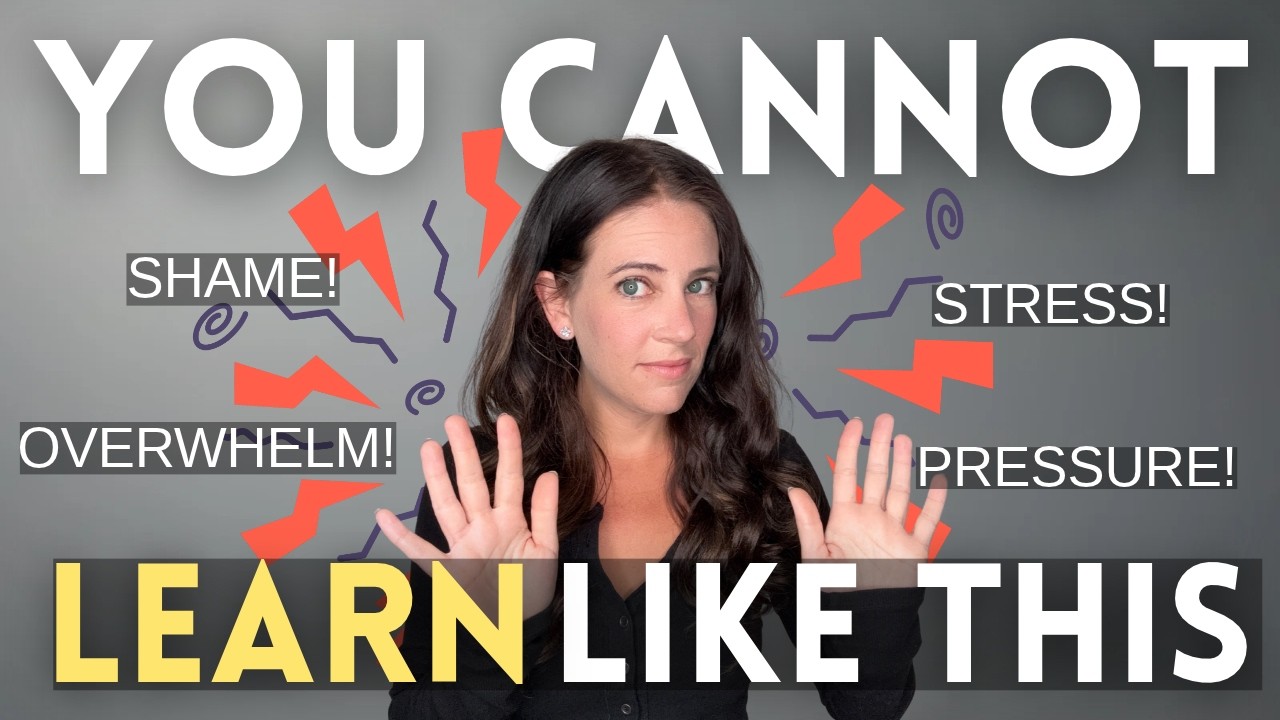
Heidi Priebe explains 'intellectual bypassing' in avoidant attachment: naming emotions without feeling them, and how to move from cognitive understanding to embodied healing.

Key Takeaways

  • Naming or understanding an emotion is not the same as feeling and processing it.
  • Accepting that caregivers didn't mean harm does not mean the hurt is invalid; the pain still needs to be felt.
  • Stoicism in emotional situations can be a protective numbing pattern that keeps people in harmful dynamics.
  • Secure attachment involves being consciously aware of, present with, and accepting of one's emotions, including bodily experience.

What the video covers

  • Heidi Priebe defines intellectual bypassing as using the cognitive mind to label emotions so one never actually feels them in the body.
  • Avoidant attachment strategies make this a prominent defense, and people often believe they are processing emotions when they are only naming them.
  • Anxious attachment tends to involve intense, embodied emotional arousal, while avoidant attachment tends toward fluent verbal labeling and emotional distance.
  • Sign one: exonerating early caregivers by understanding their history, which can prevent feeling direct anger or acknowledging real hurt.
  • Understanding why harm happened does not erase the pain; the inner child still experiences rejection, fear, and sadness and needs to be felt.
  • Sign two: pride in being stoic and calm during emotionally intense situations, dissociating from the emotional impact of others' hostility.
  • Avoidant patterns often develop in predictably hostile or emotionally unavailable caregiving environments, where numbing becomes a survival strategy.
  • Numbing out in harmful situations can lead to repeatedly entering stressful or abusive dynamics because the body's warning signals are not being registered.
  • Practices such as body-based interpersonal meditation (e.g., circling) help tune into bodily sensations and allow emotions to be experienced rather than analyzed.
  • Healing requires consciously dropping out of the head and into the body, letting emotions be present, and accepting them as valid to move toward secure attachment.

Answers

Questions about this video

What does Heidi Priebe mean by intellectual bypassing?

She defines it as using the cognitive mind to name and understand emotions so that one never actually feels them in the body. People often believe they are processing their feelings when they are only labeling and talking about them.

Why is understanding a parent's history not enough to heal?

Understanding why a caregiver behaved a certain way doesn't erase the pain the child experienced. The inner child still registers rejection or fear, and that felt experience needs to be acknowledged and processed rather than intellectualized away.

How can someone practice moving from thinking to feeling emotions?

Priebe suggests body-focused practices such as circling, tuning into physical sensations, noticing what arises in the moment, and allowing emotions to be present. For avoidant individuals, this often requires consciously encouraging themselves to slow down and drop into the body.

Full Transcript — Download SRT & Markdown

00:00
Speaker A
hey guys I'm Heidi Priebe welcome back to my Channel or welcome if this is your first time here today we are talking about something that inside of my own head I refer to as intellectual bypassing I don't know if that's a term
00:13
Speaker A
anyone else has come up with if so my apologies and please know that I'm just using my own definition of this now intellectual bypassing or using your cognitive mind to name your emotions in such a way that you don't have to really
00:26
Speaker A
get inside and feel them is a phenomenon that is not exclusive to avoidant attachment Styles but it does tend to be a very very prominent defense mechanism that those with avoidant leaning attachment Styles will err on the side
00:42
Speaker A
of when they feel threatened in their attachment system and much like the sister of intellectual bypassing spiritual bypassing the people who are doing this do not know that they're doing it they think that they are genuinely processing their emotions
00:55
Speaker A
through naming them getting really familiar with psychology and even communicating their feelings to other people without ever really drawing those feelings into the body and allowing the self the chance to feel and move through them so I remember very early on in my
01:11
Speaker A
attachment healing Journey reading somewhere that well those with anxious strategies tend to be the most embodied in their emotional states in that they feel their emotions as very strong physiologically arousing States those with avoidant attachment Styles might actually be a lot more fluent when
01:31
Speaker A
they're talking about their feelings they can kind of comfort themselves by putting labels on their emotions putting them in little boxes talking to other people about them and then going there I processed my emotions because I named them and in this video we are going to
01:44
Speaker A
talk about how naming your feelings or naming your past traumas is not the same as processing feeling into them and actually moving through them but like absolutely anything this is of course a process so let's get into some of the
01:59
Speaker A
signs that you might be be intellectually bypassing your emotional experience and not allowing yourself the opportunity to actually heal from those deeper wounds sign number one is that you might struggle to feel direct and embodied anger towards either your
02:15
Speaker A
parents or in some cases your partners because you understand where they are coming from so it is highly common for those using avoidant attachment strategies to have what we call an exoneration of their early attachment figures inside of their own minds so to
02:35
Speaker A
exonerate someone psychologically means to absolve someone of fault for some sort of wrongdoing and when we do this in relation to our early caregivers what we are usually doing is going okay I can unpack my parents history right I can
02:49
Speaker A
look at all of my parents traumas all of the things they went through in their lives I can understand why they weren't able to give me what I needed when I was a child and we can think that doing that
03:01
Speaker A
and getting to that place where we understand and have made peace with our parents limitations and the things that they couldn't do for us or give to us when we were young is the same as healing from the pain of what happened
03:15
Speaker A
whether or not you understand what happened it still hurts and this is something that for most people who are avoidant it is very very hard to accept this is one I work on every single day in small and large ways accepting that I
03:31
Speaker A
can understand something I can see why it happened the way it happened I can understand that the people who inflicted the pain onto me did not have malicious intent and it can still hurt I can still be wounded as a result of
03:47
Speaker A
that even if your caregivers are the people who are responsible for looking out for you didn't know better and could not possibly have done anything different than what they did when you are a child you don't know that and when
04:00
Speaker A
you are a child you still process the way that they behave towards you as rejection as fear as uncertainty and ambiguity and stress and sadness in those moments of disconnection and until you learn to get in touch with
04:17
Speaker A
that pain the actual felt experience of what it was like for you to be a child in the environment that you grew up in or maybe the things that you didn't allow yourself to feel that your system automatically numbed out for you because
04:31
Speaker A
it would have been psychologically unbearable to face it at the time until you accept that all of those past feelings are still stored somewhere in your body it's going to be hard to access your full emotional range as an
04:45
Speaker A
adult so the first thing that needs to happen in this process of getting back in touch with your deeper more authentic feelings is accepting on a cognitive level because that is the first level in which you need to accept everything if you
04:57
Speaker A
Veer avoidant that something bad can happen without malicious intent you can understand why it happened the way it did and it can still really hurt your feelings your inner child is not protected by you understanding what happened they are in pain and that pain
05:17
Speaker A
needs to be dealt with addressed and felt through easier said than done I know in order to eventually gain a secure attachment style if that is what you're after because to be secure means to feel all of your feelings and accept
05:32
Speaker A
them as valid even if you believe you shouldn't have those feelings or even if you understand why someone is doing what they're doing security means being consciously aware of present with and accepting of our emotions even in situations where we don't think anyone
05:49
Speaker A
is at fault for causing them sign two you might be prone to intellectually or psychologically bypassing your feelings is that you pride yourself on being very stoic and calm in the midst of emotionally intense situations this is something that is very common to those
06:07
Speaker A
with avoidant attachment Styles and it is something that is a very big perpetuator of that anxious avoidant downward spiral that tends to happen when these two Styles get together because those with avoidant attachment Styles have learned instinctually from a
06:23
Speaker A
very young age in many cases to stop and cut off awareness of emotions in high pressure situations this is now what you will naturally do as an adult so you could be getting screamed at by your boss getting insulted by your partner in
06:37
Speaker A
a number of emotionally intense situations and you might feel the whole time like you are just kind of a calm detached Observer you don't react you don't feel a strong emotional response you survive those situations by going this has nothing to
06:53
Speaker A
do with me this person is projecting right now they're getting all enmeshed and muddled and throwing things at me that don't have anything to do with me and because it doesn't have anything to do with me I don't have to feel anything
07:04
Speaker A
about it now why would this be your response the reason why those with avoidant attachment systems have this capacity and this tendency to stay very stoic in emotionally intense situations is because avoidant attachment Styles tend to develop in predictably hostile
07:22
Speaker A
caregiving environments so what does that mean if you have let's say an intermittently hostile intermittently warm and accepting caregiving environment you're going to be likely to develop an anxious attachment strategy because some of the time you can get
07:38
Speaker A
what you need so you're going to try harder and harder to elicit that warm caregiving that you know is available to you sometimes with the avoidant attachment style I do want to make it clear that I'm using the
07:49
Speaker A
word hostile Loosely here hostile doesn't necessarily mean that your parents were terrible and neglectful and that they were always mean to you it could just mean that they themselves had avoidant attachment systems and didn't know how to offer the care emotional
08:04
Speaker A
intimacy and warmth that a more secure caregiver is able to offer but because you grew up in that environment that was hostile but predictably so what you learned is that displaying strong emotions or really showing the people around you what you were
08:18
Speaker A
experiencing wasn't all that helpful for you it didn't really get you what you wanted but what did get you what you wanted was learning to understand your caregiver's behavior on Tuesdays dad tends to come home Angry on Thursdays he
08:30
Speaker A
doesn't what happens Tuesday that is different than Thursday does he go to the bar on Tuesdays does he not go to the bar on Thursdays when I put my toys away my parents tend to not get angry when I don't put my toys away my parents
08:42
Speaker A
get very angry almost every time it's predictable so you internalize all of these rules all of these if then statements that allow you to sequence the patterns of behavior that lead to keeping you safe and what is not
08:56
Speaker A
particularly helpful when you're trying to create logical sequences inside of your own mind getting super distracted by your emotional states so as a child as the Adaptive child that you were you learn to pay a lot less attention to
09:09
Speaker A
your emotional states and a lot of attention to what happened when and why and now as an adult in heightened emotional states what does your body automatically do it goes if I can figure out why this is going on what's
09:23
Speaker A
Happening what led to this then I can make sure that I prevent a similar situation from happening in the future and so your body naturally does what it knows how to do which is push down the emotional system and get focused on the
09:36
Speaker A
logic now the long-term solution for lack of a better term to this response is to learn to be present to your emotional experience while it is happening in the moment this takes a long time it's something you have to
09:48
Speaker A
train yourself very deliberately and consciously to do to tune into your body in high pressure moments and notice what is going on and invite and allow the sensations that your body is normally trying to push down to actually be fully
10:04
Speaker A
present in your body and the reason why this is important is because you are not Gathering all the information you need if you are dissociated from your emotional state in a high pressure situation emotional state awareness is actually
10:19
Speaker A
very important for understanding how to make wise interpersonal decisions if you are not feeling pain anger or sadness while you are taking in psychological abuse or something similar you are going to end up in those situations over and
10:35
Speaker A
over and over again because you are not logging the information that your body ought to be telling you about this not being a safe situation I highly recommend doing any form of somatic awareness practices that you can in
10:49
Speaker A
order to start developing an awareness of what is happening for you internally in high pressure moments for myself a mixture of therapy with a somatically informed therapist the philosophy of radical honesty and authentic relating and just doing a lot of reading have all
11:04
Speaker A
helped me to get more in touch with my body states in the present moment but again this is a journey it takes time what you need to note right now is that your path to Healing will include must
11:16
Speaker A
include if if you're trying to get to security a present moment awareness of Your Body Sensations in high pressure situations you cannot make holistic secure choices about your relationships and your future if you are unable to access your emotions in moments of high
11:34
Speaker A
stress and I want to note that if you are in situations quite frequently that are very high stress and you start getting in touch with your true emotional experience you might become overwhelmed and this might require you to make some fairly significant changes
11:50
Speaker A
in your life in order to make sure that you are not frequently getting emotionally overwhelmed and the good news is that if you're in situations where you're getting emotionally overwhelmed by staying present in them there is a 100 chance that you are
12:02
Speaker A
stressing out your system all of the time by putting yourself in those situations now in a numbed out State your inner child is still taking those blows your body is still registering the stress or the abuse or whatever it is so
12:16
Speaker A
gaming that Awareness on a conscious level is not going to actually make it worse it's just going to allow you to notice how bad it has always been and that awareness is going to help you make healthier choices about your life and
12:30
Speaker A
relationships if you allow it to sign number three that you might be intellectually psychologically bypassing your emotions is that you believe a feeling or a trauma or whatever it is that is coming up for you is processed once you can name it and logically
12:45
Speaker A
explain it now as someone with a Social Circle that veers very avoidant the number of times I have heard an avoidant leaning persons say that they have processed a trauma or an emotional wound because they have named it and
13:00
Speaker A
acknowledged it is a very high number all the while those people might be having frequent panic attacks bouts of depression extreme anxiety difficulty forming and maintaining close relationships and not connecting that those past traumas that they can name
13:16
Speaker A
but have not actually moved through emotionally might be the cause behind all of those other problems in order to process an emotion or process an event that has happened in the past what it means is that we have made ourselves
13:31
Speaker A
aware of where those past feelings or unresolved traumas are showing up for us in a real present day-to-day life and dealing with those reactions that come up in the moment in a different way naming something as traumatic and
13:48
Speaker A
placing it in a neat little box in our minds is not the same as resolving and moving on from trauma particularly for those who Veer avoidant so recently I was doing circling which is a form of interpersonal meditation and I was
14:02
Speaker A
sitting with someone who was feeling angry in their body language was reflecting that and I was sitting there looking at them and going I feel so calm I actually feel almost comforted that you're angry because that puts me in
14:14
Speaker A
this deactivation response where I can just kind of cool experience you experiencing your anger and I feel totally fine and in control and then I started tuning into my body and I noticed kind of waves of energy almost coming up from my stomach into my
14:30
Speaker A
chest and then subsiding and pushing themselves back down and I was like oh I think that's my anger I think that this is actually a really common response for me is to feel some sort of intense emotion rising up
14:42
Speaker A
and my body just automatically down regulates it for me just automatically pushes it away and I went what if I intentionally tried to bring that feeling up into the rest of my body what if I actually allowed myself to
14:56
Speaker A
embody this anger in a very full very present way and it was hard to do that it does not come naturally if you have an avoidance system to draw in your present moment experiences and give them validity I can feel angry even if I do not have a
15:15
Speaker A
complex psychological explanation for why I am angry I can feel sad or depressed and let my body sink into that and actually deeply feel it even if I don't think it makes sense that I'm sad or depressed and this
15:30
Speaker A
type of practice done over and over again that tuning into the body noticing what's coming up in the moment allowing it to be present and if you Veer avoidant you're probably going to have to consciously Encourage Yourself to
15:44
Speaker A
stay present with it that's going to be the first step towards actually processing those emotions you don't process emotions by thinking about the past you process emotions by recognizing the moments in which the past is present for you and feeling those feelings in
16:01
Speaker A
the moment and I want to be clear here that a lot of people who Veer avoidant I've noticed tend to have a misconception about what it means to process our feelings be because you may have grown up around
16:12
Speaker A
people who are highly disregulated and who don't know how to process emotions in a kind of clean self-contained way the only pattern you may know for processing emotions might be this kind of very anxious activated explosive pattern and there is a very big
16:27
Speaker A
difference between enmeshed emotional expression and self-responsible emotional expression when we are self-responsible about our emotions we can feel our anger we can feel our sadness and we can still be conscious and intentional about how we will respond to those things we do not need
16:47
Speaker A
to lash out and try to get somebody else to fix the way that we're feeling we can learn to pull the feelings into our body and if this feels overwhelming at first I recommend doing it with a therapist in
16:58
Speaker A
a group therapy situation some sort of situation where there is a contained environment for emotional processing and starting to practice that way this is what people mean when they say you have to feel your feelings I used to
17:10
Speaker A
absolutely hate that phrase every time I heard it for like the first two years of me doing attachment healing work and sometimes still now I'm like I don't know what that means like I don't know what you guys are talking about when you
17:22
Speaker A
say all this stuff like you have to feel it to heal it I'm like if it's not there it's just not there if you lean avoidant you have to work intentionally on pulling those feelings into your body and being present with them that is what
17:34
Speaker A
it means to feel your feelings it takes conscious work if your body is naturally a body that down regulates away from highly intense emotions for you sign number four that you might be intellectually or psychologically bypassing your feelings is that if you
17:50
Speaker A
feel something but you can't figure out what might have caused that feeling or why you feel it you just assume that you're wrong about the fact that you're feeling that so you have made a mistake you've made an error in your processing
18:01
Speaker A
if you feel sad one day but there's no reason why you might be sad you just go I must be wrong I must not be sad I'm just being ridiculous this is so common so so common particularly around very
18:13
Speaker A
activating emotions like anger or very intense emotions like grief if you air more avoidant you tend to trust your theories about your own emotions much more than you trust the actual experience of them and this can also work in the reverse order you might not
18:28
Speaker A
feel something in a situation where you think it would make sense for you to feel a different thing and then you might start trying to convince yourself you do feel the thing that you actually don't so of course I feel super happy in
18:38
Speaker A
this new relationship even though maybe your body is logging a lot of pressure and fear of course I feel really sad about that person passing away or that tragic event happening when in reality your system might not be reacting that
18:50
Speaker A
strongly why does this happen again because you learned early on to rely on sequencing and tune out of your emotional state in your mind a sad feeling should follow a sad event in your mind an angry feeling should only
19:03
Speaker A
arise if someone has done something very clearly and objectively wrong so if you can't find that external clear reason why your feeling the way you're feeling you just kind of Gaslight yourself a bit and go I'm not really feeling that
19:15
Speaker A
something weird must just be going on with my body state today or whatever it is and to work with this one we just have to learn radical acceptance of whatever we are feeling so if we are getting more in touch with those body
19:28
Speaker A
States if we are getting more in touch with our emotions you're going to have to allow yourself the space maybe for the first time in your life to go even if I'm feeling something that I can't make sense of I'm going to accept it as
19:41
Speaker A
the truth that I'm feeling this I've had times in my healing Journey where I'll wake up one day and feel completely depressed and be like there is not a logical reason on this planet why I should be feeling depressed and
19:55
Speaker A
yet the longer I allow myself to stay present with that feeling the more I allow myself to sink into it and to allow my body state to speak to me the clearer I tend to get on where that depression or that anger or that
20:11
Speaker A
grief or that excitement actually is coming from you have to sit with the question for long enough for the true answer to appear but you can't get there by intellectualizing about it you have to let yourself drop into the emotional
20:27
Speaker A
state into the body State and notice what emerges when you're present with it and sign number five that you might be intellectually bypassing your emotional experience is that one of the things you find really soothing when you're upset
20:40
Speaker A
or when something has gone very wrong for you in life is reading about the psychology behind what happened and finding a way to name and categorize all of your experiences now all attachment Styles who are interested in Psychology
20:53
Speaker A
will do this however for the avoidance specifically it tends to be a very strong self-soothing mechanism whereas for those with anxious attachment strategies it might actually be very activating for them to read about psychology because as they're reading
21:08
Speaker A
they're pulling their memories back into their body and getting activated all over again about them not saying that's necessarily a negative experience just noting the difference here for those with anxious strategies it might upregulate them more to read about
21:21
Speaker A
psychology and kind of find names and labels for what they're dealing with for those with avoidance systems it might actually work to calm their emotional states down and down regulate them away from emotionally intense situations again because to you safety is
21:36
Speaker A
understanding if you can understand what's happening your body believes that you are safe so I'm currently taking a course that hopefully someday will qualify me to do the coding of adult attachment interviews so a therapist or someone would give their client an adult
21:51
Speaker A
attachment interview then send it to someone like me to code it and in the process of going through this course there was one day where we were reading a transcript of an adult attachment interview and the person being
22:01
Speaker A
interviewed was explaining quite a bit about his emotional experience oh yeah I felt this I think I had a sense of resentment towards my parent but in retrospect I understand that they had trauma that they were dealing with their
22:13
Speaker A
own negative experiences from childhood that those things were a projection and so I can't really blame them right there's a lot of that exonerating happening and the instructor told us to watch for what moment tended to flip that person into that exonerating speech
22:28
Speaker A
pattern it was often a moment in the interview when they became a little bit emotionally aroused so something happened that made them feel a little bit emotionally threatened or a little bit angry or a little bit distressed and
22:41
Speaker A
they would immediately flip into that hyper cognitive state where they are naming everything putting everything in its proper boxes tying it up with a neat bow and pushing the Box away right instead of staying present with that emotion feeling into it and
22:56
Speaker A
communicating about it from the inside and I think the terminology that was used at one point to explain this was a lid gets put on the emotional state right cognition intellect understanding things on psychological terms for those who Veer avoidant is a means in many
23:13
Speaker A
cases of putting a lid on their emotional state so they don't have to feel it anymore the problem is that contrary to what your conscious mind has been telling you for most of your life you cannot avoid pain or vulnerability
23:26
Speaker A
by not feeling it by putting a lid on it it's still in there now it's just harder to access so in the moments when you need it because those emotional experiences are very important for developing emotional discernment in life
23:41
Speaker A
it's a lot harder to access and unpack and again you didn't consciously choose to pack those things up that tightly your body and mind started doing this for you naturally and instinctually from a very young age and so the world view
23:53
Speaker A
that needs to eventually get reversed here is this world view of I will always be safe as long as I can understand and adapt myself and my emotions too my environment well that might be true it is also
24:09
Speaker A
forcing you to stuff down a lot of your emotions and not live in an authentic embodied way where you get the full range of things that you actually want out of your life and where you have access to the type of feelings that are
24:23
Speaker A
very important for forming and maintaining close connections with other people you need things like anger to learn where to set your boundaries you need things like grief and sadness to help you form intimate connections with other people and help you
24:38
Speaker A
understand what you don't want to lose being able to not just understand and name but fully feel and swim in the waters of your own emotional experience in a safe and contained way is what earning secure attachment for those who
24:54
Speaker A
Veer avoidant is all about it's not about intellectualizing everything being able to perfectly recount why everything happened the way it did based on this story you have about everybody's traumas and wounds and what led to what though that certainly does not hurt right
25:10
Speaker A
that's not a bad thing to do it's just that it will not take you all the way if you want to go the rest of the way with your attachment healing process you have to learn to get in touch with those
25:20
Speaker A
feelings stop intellectually bypassing them allow them to exist in your body allow yourself to stay present and trusting of them and allow yourself to use those feeling States as information about the choices that you need to be making about your life and attachment
25:38
Speaker A
relationships all right that is all I have to say for today on the topic of intellectual slash psychological bypassing within the avoidant attachment system as always let me know what you guys are thinking or feeling in the comment section of this video I love you
25:54
Speaker A
guys I hope you're taking care of yourselves and each other and I will see you back here again really soon thank you
Topics:avoidant attachmentintellectual bypassingattachment healingemotional processingemotional numbinginner childsomatic awarenesssecure attachmentanxious avoidant traptrauma healing

Get More with the SozAI App

Transcribe recordings, audio files, and YouTube videos — with AI summaries and speaker detection. 30 minutes free.

Or transcribe another YouTube video here →