Skip to content
Get App

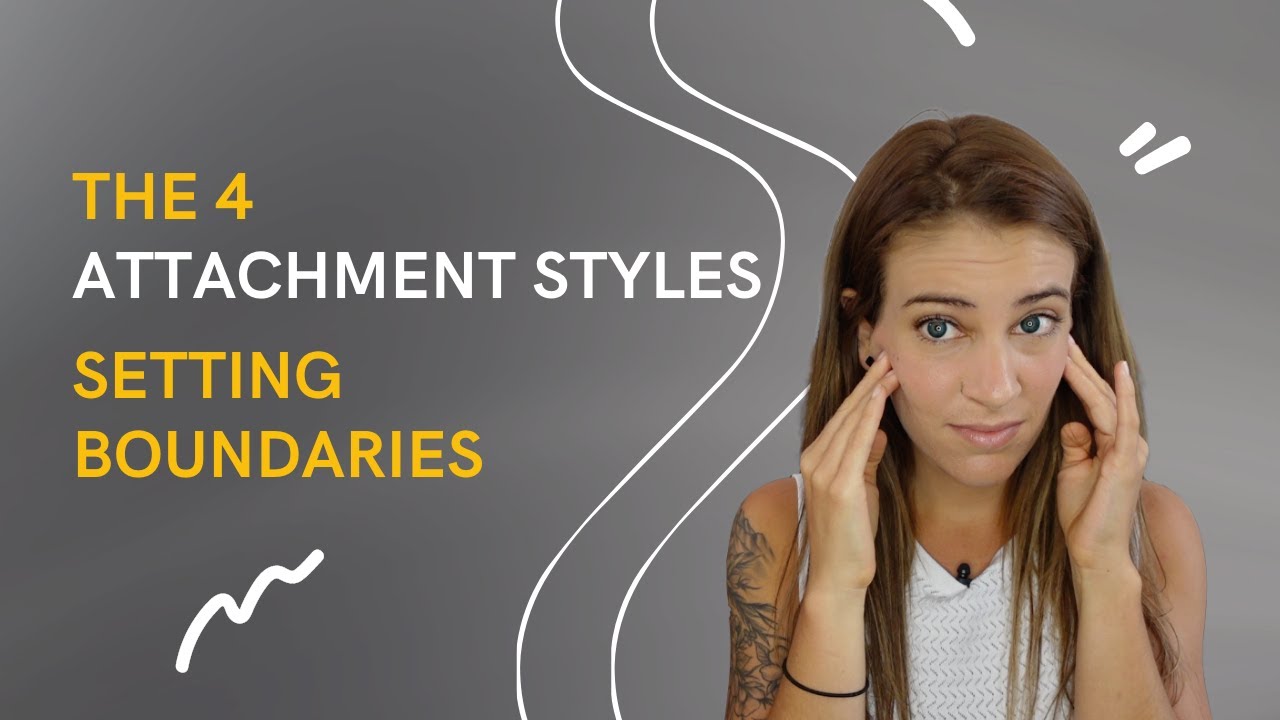
What Are The 4 Attachment Styles?

Heidi Priebe explains the four adult attachment styles (secure, anxious, avoidant, fearful-avoidant), their origins in Bowlby and Ainsworth's research, and how they shape romantic relationships.

Key Takeaways

  • The four attachment styles are secure, anxious, avoidant, and fearful-avoidant, each rooted in early caregiver responsiveness.
  • Most people are securely attached, but insecure styles are common and often self-misidentified.
  • Attachment styles shape romantic behavior, and familiar dynamics tend to be repeated even when unhealthy.
  • Attachment style is not fixed and can be changed through deliberate healing work, ideally with a practitioner.

What the video covers

  • Attachment style describes how people relate to themselves and others in intimate relationships, and it usually forms by about age two.
  • The theory originated in the 1950s-60s with John Bowlby and Mary Ainsworth, whose 'Strange Situation' experiment categorized infant responses to caregiver separation and reunion.
  • Roughly 60% of people are securely attached, about 20% anxious, about 20% avoidant, and only around 2% fearful-avoidant.
  • Insecure attachment is common, and people frequently misidentify themselves, especially as fearful-avoidant.
  • Anxious attachment develops when caregivers are inconsistently responsive, so children learn to over-assert their needs using a range of strategies.
  • Avoidant attachment develops when caregivers are emotionally unavailable or dismissive, so children learn to self-soothe and suppress needs.
  • Fearful-avoidant attachment stems from caregivers who were both a source of comfort and of fear, leaving no organized strategy for meeting needs.
  • Attachment styles can change through intensive self-work, though this is difficult and often requires professional guidance.
  • Attachment styles tend to surface most strongly in romantic relationships, where people seek what is familiar rather than what is healthiest.
  • Securely attached people are comfortable with both intimacy and independence and can clearly distinguish their own needs from their partner's.

Answers

Questions about this video

What are the four attachment styles discussed in this video?

The video covers secure, anxious, avoidant, and fearful-avoidant attachment styles. Secure is described as the healthy baseline, while the other three are insecure styles that develop from inconsistent or unavailable caregiving in early childhood.

How does attachment style develop according to the video?

Attachment style forms in infancy through the caregiver's responsiveness, as demonstrated by Bowlby and Ainsworth's Strange Situation experiment. Children adapt their strategies for getting needs met based on how their caregivers responded, and these patterns usually carry into adulthood.

Can a person's attachment style change over time?

Yes, the speaker notes that attachment style can change through intensive self-work and deconstructing one's worldview. However, this change rarely happens accidentally, and she recommends working with a practitioner because attachment styles are often self-deceptive and hard to identify alone.

Full Transcript — Download SRT & Markdown

00:00
Speaker A
hey guys heidi preeve here i made my own set today so that's the first thing i want to acknowledge i got this tree from my living room and i moved it next to this poster that i found in my den
00:09
Speaker A
and i thought it looked pretty cool and then i sat in between the two which doesn't seem like a big deal but normally anytime i have a set that looks halfway decent it's because sarah made it because i have no
00:18
Speaker A
eyes i kind of self-identify as like a discombobulated brain that has no connection to the outside world but today i put two things together and i'm very proud of myself so if you want to like throw some compliments in the comments i
00:28
Speaker A
don't mind at all anyways if you're here to actually learn things you are hopefully in luck this is my fifth time recording this video but i will record it five more times and i will record it five more times after
00:39
Speaker A
that because this topic is so important and i think that it is so misunderstood misconstrued uh mislabeled mistyped all of the misses in the typology community apply to this system and this system is attachment style so attachment style
00:54
Speaker A
vaguely refers to how we relate to ourselves and then how we relate to other people in intimate relationships so that mostly means partnership relationships but it can also mean friendships it can mean parental relationships it can mean any authority figure relationship you
01:07
Speaker A
have is usually like a relationship that triggers your attachment wounds so we're going to go over most specifically what attachment styles look like in romantic relationships because that's where you'll see them come out the most strongly so attachment styles
01:19
Speaker A
are the system that started when did attachment style start let me look that up i don't always know as much as i think i know cool so testimonial style started off in the 50s and 60s when it was
01:28
Speaker A
getting really popular in psychology to blame everything on your parents so the two psychologists that are kind of at the helm of this theory are john bolby and mary ainsworth so they created this situation called the strange situation where they
01:38
Speaker A
basically put a baby in a room had the parent leave the room and then they put a stranger in the room and they watched how the baby interacted with the stranger and also how the baby interacted with the parent both when the
01:46
Speaker A
parent left and when the parent came back and then they categorized the responses of the child into four different response patterns so those four different response patterns usually correlate to your adult attachment style so you'll have one style when you're an infant and one
01:58
Speaker A
style when you're an adult they usually correlate to one another not always there can be like extreme trauma situations that happen over the course of your life that change your attachment style but for the most part by the age of two if you didn't form a
02:08
Speaker A
secure attachment you're gonna have some problems later in life and we're gonna talk about those problems today now it's actually really common to have an insecure attachment style so insecure refers to any attachment style that is not kind of
02:18
Speaker A
healthy and adaptive so the four attachment styles are called secure that means like you're fine you probably don't need to be watching this video anxious avoidant and fearful avoidant fearful avoidance is also called anxious avoidance sometimes but because we're
02:32
Speaker A
already using those words in this video i don't want to over complicate things too much so we're gonna call the anxious avoiding the fearful avoidant and those terms are pretty much interchangeable anyways so most of the reason i'm making this
02:41
Speaker A
video is because i see so many people placing themselves in the wrong category in this system so for example fearful avoidance is kind of the infj of attachment theory everyone thinks it applies to them because they're not very
02:52
Speaker A
clear on what anxious and avoidant themselves are so a lot of people are actually in the anxious or avoidant category but they place themselves in the fearful avoidant category so anxious and avoidant people make up approximately 40 of the population together so about 20
03:06
Speaker A
each give or take a few percentage points depending on which study you're looking at securely attached people make up approximately 60 again give or take a few percentage points and then fearful avoidance people are generally i think about two percent of
03:17
Speaker A
the population so it's a much smaller population but they do probably need more help in the attachment theory space because they are the most up so to speak but we'll get to that as we go on another important thing to know
03:28
Speaker A
about attachment theory your attachment style can change so it's not like myers-briggs are the enneagram where you kind of come into the world you have this type and that's the one you get your entire life your attachment style is something that
03:38
Speaker A
you can actively work on healing and growing through and changing so if you are insecurely attached meaning if you're anxious avoidant or fearful avoidant you can through a lot of really intensive self-work change your style but it's unlikely that that's
03:50
Speaker A
going to happen accidentally because it does take an incredible amount of deconstructing your worldview it shows up in a lot of super subtle ways to the point where it's actually very hard to identify your own attachment style it's usually best
04:03
Speaker A
to go to a practitioner because attachment styles are inherently self-deceptive and i'm going to talk more about that as we get into all the different styles but yeah first let's backtrack a bit let's talk about what these styles are
04:12
Speaker A
the first style i'm going to talk about is anxious so again somewhere around 20 of the population falls into this category and anxiously attached people are people who learned really young that they have to over assert their needs in order to get them met
04:26
Speaker A
so this can happen for a variety of reasons it can happen because a caregiver is unresponsive for some reason so maybe they're ill maybe they're mentally ill maybe they're a single parent who's just over taxed and they have three kids to take care of and
04:36
Speaker A
they're also trying to pay all the bills and so they don't have a lot of focused time and attention to give their baby so the baby learns i have to try out a whole different range of strategies to get my parents
04:46
Speaker A
attention so there's a video online called the still face experiment where they basically have a parent not respond to the baby and not give it any sort of mirroring so the baby will first cry to try to get
04:55
Speaker A
his parents attention because that's what babies are used to and then it'll maybe try to make the mom laugh or like make a joke or do a funny noise that the mom usually laughs at and then if that doesn't work it'll start
05:04
Speaker A
throwing things and throwing a tantrum and these are all strategies that the baby is using to try to get its needs met because when you're a baby you don't have a whole lot of strategies for getting someone to pay attention to
05:14
Speaker A
you you don't know how to communicate your needs assertively you only know how to kind of cry and throw a fit or try like some warm strategies and some strategic ways to get your needs met so this attachment style the anxiously
05:26
Speaker A
attached style is from babies who were not attended to immediately when they were children they had to try a whole range of things to get their needs met so as adults they have this giant buffet of strategies they use to get partners to
05:38
Speaker A
pay attention to them because they still have this kind of core inherent belief that i need to over assert my needs in order to get them met no one is going to come and take care of me unless i'm
05:48
Speaker A
constantly making sure that i'm setting myself up for a position where my needs are going to be looked after so the view that the anxiously attached person has of the world is that i am not okay you are okay so
05:58
Speaker A
they have a negative view of self positive view of others and where that comes from is when they were a baby they really didn't know how to meet their own needs babies can't do that babies are dependent creatures by nature right
06:08
Speaker A
so they saw the caregiver as someone who was able to come give them what they needed when they were around and when they were present but they really internalized that lesson if i can't do it by myself i
06:17
Speaker A
can't meet my own needs so anxiously attach people as adults still kind of feel that way they feel like something's kind of wrong or flawed with me i don't necessarily know how to take care of my own emotional needs they
06:27
Speaker A
don't know how to self-soothe they only know how to co-regulate so co-regulating is when we kind of borrow someone else's strategy for making ourselves feel okay so anytime you go to a friend you're having a bad day and you vent to
06:38
Speaker A
your friend and your friend makes some jokes and you have a laugh you're co-regulating so it's using someone else's energy to kind of make your own nervous system calm down anxiously attached people overdo this so they're constantly looking for someone else to come help
06:51
Speaker A
soothe their emotional state because as children they didn't learn to self-soothe so the anxious person tends to have a lot of trouble being alone they don't like to be single if they don't have to be for long periods of
07:00
Speaker A
time they tend to really want to get into relationships and once they get into those relationships they want to move really quickly through them and kind of hit all of these milestones and lock it down right away so that they can have a sense of safety
07:11
Speaker A
and security feeling like okay my needs are going to be met by this other person because the law requires them to because we're married and that's of course not how it actually works but in the brain of the anxiously
07:22
Speaker A
attached person that is how it works they're always trying to get to this place where they're finally securing someone who will meet their needs now anxiously attached people from what i've seen mistyped most frequently as fearful avoidant and the reason they do
07:33
Speaker A
that is because they have all of these things called protest behaviors so protest behaviors are things you do to try to get your partner to pay attention to you so anxious people just like the baby in the still face experiment will try a
07:44
Speaker A
whole range of strategies to get their needs met and if playing nice doesn't work so normally their first kind of mode of defense is okay i'll go be nice i'll go do things for my partner and then hope it's
07:53
Speaker A
reciprocated but if that doesn't work they'll move to things like starting a fight because at least if a fight is started they're getting that attention they need they have this deep desire for someone else to notice that they exist and pay
08:04
Speaker A
attention to them and give them focused attention and when someone's fighting with you they're giving you a lot of focused attention it's not a good strategy for getting your needs met but it is a strategy so other things they'll do they will
08:15
Speaker A
threaten to leave they will tell their partner i'm going to leave you if you don't do this or they'll storm out but if you're doing any of that stuff with the goal of your partner paying more attention to you
08:23
Speaker A
maybe you want them to storm after you and go no no don't leave wait i love you that is a protest behavior it's not an avoidant behavior so a lot of anxious people don't properly understand what avoidant behaviors are so when they hear
08:35
Speaker A
about them they're like oh yeah i do that i start fights i threaten to leave but they do that because they want their partner to come closer not because they genuinely want to leave so anxious people have a lot of
08:44
Speaker A
different protest behaviors and it's the exact equivalent of a two-year-old throwing a tantrum so when a two-year-old throws a tantrum they don't want people to go away they want people to come closer and give them what they need and that's the same
08:55
Speaker A
thing that anxious people are doing when they're doing protest behaviors they want their partners to come and soothe them so again anxious people have a negative view of self positive view of others so they believe similar to how they saw
09:04
Speaker A
their caregiver as someone who had it all figured out and they didn't know how to take care of themselves they are now on the hunt for people who have it all figured out so they can be taken care of and this is unconscious
09:14
Speaker A
they don't know that they're doing this but they're always kind of on the hunt for people who seem very self-sufficient and very independent because they want those people to lend them some of their resources so when an anxious person gets
09:24
Speaker A
approached by another anxious person they often feel very turned off they're like oh get out of here i need someone who can take care of themselves so they can also take care of me and that's why anxious people
09:33
Speaker A
often end up with dismissive avoidant people so avoidant people learned very early on in child below the age of two just like the anxious person did that they were okay but the people around them were not so what
09:44
Speaker A
often happens with the avoidant person is that you'll see cases of their parents being unable to emotionally regulate themselves the avoidant child learns that they're actually better off taking care of their emotional needs themselves so very young below the age of two
09:57
Speaker A
avoiding children learn to self-soothe so they learn strategies for calming themselves down when they're upset for not needing to co-regulate with the parent because the parent is not a reliable source of co-regulation for the avoiding child and to take care of their own needs as
10:11
Speaker A
much as humanly possible so the avoidant person actually feels like i'm okay you are not okay and again that's a world view that comes very early from them because often they had parents who truly were not okay so they may have had a parent with some
10:23
Speaker A
sort of mental illness or some sort of attachment style themselves that made them project onto the child and need things from the child she'll often see this kind of reverse dynamic in the childhood of avoidant children where they had a very emotionally
10:34
Speaker A
immature parent who kind of needed something from that child and the avoidant child learns very early on i have to set very strong boundaries around myself because my parent is not going to treat me with the appropriate boundaries that a child parent
10:45
Speaker A
relationship should have and again that happens very unconsciously so this isn't something that the avoidant person is actively thinking on the flip side avoidance are actually the most likely type to mistake themselves as secure so avoidance learn to deal with the fact
11:00
Speaker A
that their environment is unsafe through the process of denial and emotional repression so they're very quick to kind of go everything's good everything's okay this isn't happening they're kind of gaslighting themselves accidentally and then as an adult they'll often look
11:12
Speaker A
back on their childhood and go my childhood was great nothing went wrong everything was sunny and rosy and then the more you dig and dig and dig with the avoidant person you learn everything was not sunshine and roses
11:21
Speaker A
they just really repressed a lot of stuff or they had a complete neglect of their inner world as a child which they didn't know was a problem they thought oh parents don't really take an interest in their child's inner world and the thoughts and
11:32
Speaker A
ideas and feelings that they're having but it is normal for parents to do that for children but the avoiding person often doesn't realize that so they mistype themselves as secure and believe oh i have no problems in relationships
11:42
Speaker A
when really what they're doing is avoiding intimacy like the plague unconsciously so avoidant people again have this world view of i'm okay you're not okay so they tend to have this inherent belief that they're gonna be smothered in
11:53
Speaker A
relationships that people are gonna try to take their resources that people are going to ask and ask and ask for them and that every time they give an inch a mile is going to be taken and again this formed very early on for them
12:03
Speaker A
because that was probably their reality in some capacity in their family dynamic so avoidant people tend to move very slowly into romantic relationships kind of the opposite of the anxious whereas the anxious is kind of going into relationships on fast forward
12:17
Speaker A
the avoidance is going on slow motion so they hit the same milestones very slowly they're slow to commit they might feel freaked out by commitment they're afraid that someone is going to demand too much of them and then they're
12:26
Speaker A
not going to have enough left to self-suit because again the avoidant has a plethora of self-soothing strategies so just like the anxious person has protest behaviors which we also call activation strategies to get their needs met the avoidant person has deactivating
12:40
Speaker A
strategies and what that means is that they have strategies for removing themselves emotionally from a relationship and making sure that they're okay so avoiding people will often have a lot of what we call creature comforts and a lot of this language i'm borrowing
12:52
Speaker A
from the personal development school run by tais gibson which is my absolute favorite resource for attachment style i will rave about it for like 10 straight minutes at the end of this video so just hold on if you're
13:01
Speaker A
looking for that resource but that's where a lot of this language is coming from just to give credit where credit is due so deactivating strategies for the fearful avoidant might look like oh escaping into like reading or video
13:11
Speaker A
games or some people will abuse drugs or alcohol or food or whatever it is to feel comforted in a way that doesn't require them going to another human being and co-regulating so it's not just that avoidance are resisting that it's that they don't
13:23
Speaker A
actually know it's an option so avoidance never learned about co-regulation because their parents weren't able to do it for them properly so they really do deeply at their core feel like any problem that comes my way i have to solve myself but they're not
13:35
Speaker A
really comfortable with asking for things or asking other people for help because they never learned that that was really an option that would work out when they tried it so the avoidant person tends to inherently have a positive view of self
13:45
Speaker A
and negative view of others so they see themselves as capable resourceful able to self-sooth and take care of themselves and they see other people as kind of need machines what's really interesting is there's a study that i think was
13:54
Speaker A
either in the book attached or the attachment effect i forget which book it was in they talked about this experiment where they hooked someone up to this machine where they were going to intermittently shock them so it was like a very high stress
14:03
Speaker A
situation and when the anxious person had another person in the room with them holding their hands their stress levels went down so when they were faced with a high stress situation anxious people feel more comfortable when someone else is present helping
14:14
Speaker A
them co-regulate but avoidant people felt more stressed out when there was someone in the room than they did when they were alone because the avoidant person goes okay i'm gonna now have to take care of my own needs
14:24
Speaker A
and try to regulate yours whereas the anxious person thinks oh thank god someone else is here they can regulate me so these types end up dating each other a lot and the reason they end up dating each other
14:34
Speaker A
is a because they're both insecurely attached so they're kind of the ones who are constantly on the market and b because their world views perfectly align now they don't align in a healthy way they often play out in this really
14:46
Speaker A
unhealthy toxic dynamic that i'm gonna talk a lot a lot more about in future videos but they do correspond with each other nicely because the avoidant person believes i'm okay but other people are gonna try to take from me
14:56
Speaker A
and the anxious person believes i'm not okay i need someone who can give me some co-regulation and when they meet each other those world views are perfectly mirrored but on the flip side when an anxious or an avoidant type meets a securely attached
15:07
Speaker A
type it feels kind of weird and uncomfortable because they always feel like they're waiting for the other shoe to drop like the avoidant person is always like oh when are you going to start needing and needing and needing for me
15:15
Speaker A
and the anxious person feels like oh when are you going to start drawing away from me it's this kind of strange thing where they don't know what to make of the secure person the secure person generally doesn't want anything to do
15:25
Speaker A
with avoidant or anxious people because they're instinctively looking for someone who has a very centered and calm and rational approach to relationships since they do whereas the avoidant person and the anxious person are both operating from a place of
15:38
Speaker A
neurotic energy and that neurotic energy creates this never-ending dynamic of push-pull push-pull that you'll often see in anxious avoidant relationships but we'll talk a lot more about what that looks like in a future video because when it comes to
15:49
Speaker A
romantic relationships we are not seeking what's healthiest we're seeking what's most familiar so if it so happens that a healthy dynamic is what's familiar you're going to seek out healthy partners but if you're used to a dynamic where you
15:59
Speaker A
always have to either over assert your boundaries or over assert your needs you're going to seek out a continuation of that dynamic as an adult until you heal your attachment style and again later on we'll get into what
16:10
Speaker A
healing looks like so the third attachment style is one that kind of sits in the middle of the spectrum so the secure attachment style has the best of both worlds so where the avoidant person is really good at self-regulating and taking care
16:21
Speaker A
of themselves and the anxious person is good at stating their needs and co-regulating the secure person knows how to do both of those things so the secure person feels like i'm okay you're okay so they have a very healthy
16:32
Speaker A
sense of self they know how to take care of themselves they know how to self regulate and self-soothe they have all of the positive traits of the avoidant and they also know how to initiate intimate relationships they know how to
16:42
Speaker A
feel comfortable being close to someone they know how and when to co-regulate now securely attached people are ironically most likely to mistype themselves as insecurely attached and the reason for that is because securely attached people grew up in generally safe environments
16:58
Speaker A
so generally as children they had their physical needs met they had their emotional needs met and as such their nervous systems could relax and when your nervous systems are relaxed you're able to look critically at your parents so whereas someone like the
17:10
Speaker A
avoidant person has to almost pretend that everything's perfect and that their parents never did anything wrong because they aren't safe enough to recognize the ways in which they're unsafe the secure person is safe enough to safely criticize their parents and know
17:23
Speaker A
my parent isn't going to leave me or freak out if i'm a little bit critical about the way that they're parenting so the secure person will often think that they're insecurely attached because they're safe enough to be critical of their parenting which
17:34
Speaker A
is very interesting so the securely attached person has a positive view of self positive view of others so they tend to be very comfortable both single and in relationships so they don't have this intense fear of either getting into relationships like the
17:45
Speaker A
avoidantly attached people do or being alone like the anxiously attached people do they're like yeah when i'm alone that's cool that's fine i like my own company and if i meet someone great who i get along with and can build a healthy
17:56
Speaker A
relationship with then that's also great so the securely attached person doesn't feel an inherent sense of distress with either being alone or being in a relationship now the securely attached person will feel situationally appropriate to stress in either direction
18:10
Speaker A
so if a securely attached person is being smothered by let's say a really anxious person they will naturally feel a bit avoidant because they'll recognize oh this person isn't okay that doesn't fit my world view of i'm okay you're
18:20
Speaker A
okay so i'm gonna go out and seek someone who seems okay and on the flip side if they're trying to date an avoidant person they're like oh this person's kind of projecting this thing onto me where it seems like they think that i'm not
18:30
Speaker A
okay but i am okay so i'm gonna go out and seek someone who wants to engage with me with a healthy interdependent dynamic so the secure person has both anxious and avoidant tendencies and they can also feel genuinely anxious
18:42
Speaker A
in a situation where let's say their partner is cheating on them and it's becoming very evident so if it's normal to feel either anxiety or avoidance in a situation the secure person will feel that so a lot of the time
18:53
Speaker A
secure people will actually mistype as fearful avoidant because they're like oh i do a mix of these two strategies you will when it's appropriate if you're secure but what you won't do if you're secure is be really avoidant in a situation
19:04
Speaker A
where it makes no sense to be avoidant or you won't be really anxious in a situation where there's absolutely no reason for you to feel anxious so the secure person in relationship with another secure person is not going
19:13
Speaker A
to have a landmine of irrational emotional triggers that kind of come out of nowhere the same way you'll see for any of the insecurely attached types and the secure person tends to be pretty good at assertive communication so
19:23
Speaker A
they're pretty good at stating their needs knowing what their needs are understanding what's mine to deal with versus what should i bring to my partner and ask us to put on the table and deal with together so the secure person tends to have a
19:33
Speaker A
natural understanding of when they should self-soothe versus when they need their partner's help because something's a relationship issue not just a them issue and with all the other types we'll see a lot of confusion in these areas so
19:45
Speaker A
the anxious person tends to think everything is a relationship issue the avoidant person tends to think nothing is a relationship issue and they should be able to fix it all on their own and then the fearful avoidant is a whole other bag of tricks
19:55
Speaker A
that we're going to get to in a minute but the securely attached person is really good at kind of understanding this is yours this is mine they just kind of naturally know here's where i end and you begin and here's where we
20:06
Speaker A
confuse our lives and here's where we have to be our own independent people and they're able to maintain a very healthy sense of both independence and interdependence in a relationship so secure people in a relationship do not lose their sense of self which to some
20:18
Speaker A
degree you do see for all of the other insecurely attached styles but secure people when they enter into a partnership they feel like i'm still just as me as i've ever been but now i'm me alongside this other
20:28
Speaker A
person who's also themselves and that's a great thing so secure attachment is what we're all aiming for if you want to do any work with attachment style it's generally to try to get yourself to the place where you're relating to other
20:39
Speaker A
people like a secure person would relate to other people and that's something we're going to talk a lot more about in other videos how to heal your attachment style and work towards secure attachment but before we get there we're going to
20:49
Speaker A
talk about the last attachment style which is fearful avoidant now fearful avoidant is another attachment style that sits right in the middle of that spectrum so we have anxious over here avoiding over here fearful avoidance in the middle so while the securely
20:59
Speaker A
attached person borrows the positive traits from both anxious and avoidant the fearful avoidant type borrows the negative traits from both anxious and avoidant so the fearful avoidant person has a negative view of self negative view of others so with
21:12
Speaker A
anxiously attached people we tend to see them not liking themselves very much but idealizing other people with the avoidant person we tend to see them really liking themselves and having a high self-respect but then finding a lot of fault in other people with a
21:24
Speaker A
securely attached person we see them liking themselves and liking others a normal amount and with a fearful avoidant person there's a very strong sense of judgment towards the self so having those anxious feelings of i'm not worthy of love i
21:35
Speaker A
have to kind of trick someone into loving me i'm going to have to over assert my needs if i ever want to get them met but then also having that negative avoidant view of other people are not trustworthy other
21:45
Speaker A
people are not okay other people are going to try to take from me and when you have all of that going on internally it is a giant landmine of triggers and so being a fearful avoidant type is kind of the trickiest attachment
21:56
Speaker A
style to navigate because you don't really have a solid leg to stand on in either direction so very early on in childhood the fearful avoidance learned that there was no organized strategy for getting their needs met so what does that mean
22:08
Speaker A
both the anxious and the avoidant type have organized strategies so the anxious person knows i might have to assert my needs five different times in five different ways but my needs will eventually get met by this person they believe that their
22:20
Speaker A
parent is capable of meeting their needs the avoidant person believes as long as i construct my boundaries around myself i will be okay my parent will not ever be capable of meeting my needs the way that i need them met
22:30
Speaker A
so both of those are organized strategies and what that means is that they don't have healthy views of relationships but they do have consistent views of them the fearful avoidant person learned that sometimes their parents will meet their
22:40
Speaker A
needs sometimes they won't sometimes they can go to their parent for warmth sometimes their parent will be a very scary figure to them so they have a disorganized strategy they don't know when it's safe to move closer in intimate relationships and
22:50
Speaker A
when it's safe to move away so they use both activating and deactivating strategies so they'll use protest behavior sometimes and other times they'll use withdrawing strategies where they go put a bunch of boundaries around themselves and push their partners out
23:03
Speaker A
so the fearful avoidance type is very confusing even to the fearful avoidant themselves whereas the anxious type is always kind of gunning towards this goal of gaining more and more relationship security and it does feel like an endless goal
23:13
Speaker A
where it's kind of like going down this well there's always another trapdoor in another trap door where you never feel secure enough and the avoidant person is always kind of looking to arrive at a place where they feel completely self-sufficient and
23:24
Speaker A
independent and like they don't need anybody the fearful avoidance doesn't really know which direction to move in so they're going to go towards a relationship and then all of a sudden be like wait a minute this is not what i want and pull away
23:34
Speaker A
and leave the relationship and then they're going to go towards another relationship it's a very kind of disoriented type so they have a mix of both protests or activating strategies and deactivating strategies so a lot of the time what we see with
23:46
Speaker A
the fearful avoidant is they come on very strong and they want a lot of attention and warmth and closeness kind of like the anxious style right away so they'll kind of love bomb their partner and then as soon as it's
23:56
Speaker A
commitment time or when their partner starts implying a commitment is on the horizon all of a sudden their avoidance strategies are activated and they want to set really firm boundaries around themselves or quite often they'll leave the relationship because they don't
24:07
Speaker A
understand you can have boundaries within a relationship they think you have to either be 100 in or 100 out so you'll often see fearful avoidance rushing into a relationship and then all of a sudden leaving the relationship and wanting
24:18
Speaker A
nothing to do with it and it's really important to note that this is happening in situations where it's not appropriate so it's not like the securely attached person where they feel anxious when they have a reason to be anxious and avoidant
24:28
Speaker A
when they have a reason to be avoided the fearful avoidant feels avoidant when everything's going well so when the relationship is happy and relaxed and things are good so maybe you're in the honeymoon period maybe you're just beyond the honeymoon period
24:40
Speaker A
and you're starting to relax into a routine the fearful avoidance goes wait a minute if life is a minefield and one has not gone off in a while it means one's about to go off and they start freaking out
24:50
Speaker A
and that's often when they exit the relationship but then as soon as they've exited the pressure is off and all of a sudden they're like oh wait a minute now i feel okay so maybe i should go back to it because they do have a bit of
25:00
Speaker A
that idealization piece that the anxiously attached person has so what you'll very often see with fearful avoidance is that they'll be in relationship but with an exit strategy because they feel safe as long as they know this isn't going to
25:12
Speaker A
last forever so where's the avoidant type we'll kind of avoid relationships or find ways to just create a lot of space around themselves and create really firm boundaries within their relationship the fearful avoidance you'll often see getting into a relationship
25:25
Speaker A
and getting completely enmeshed and codependent and intertwined with the person that they're with but then also have this really iron-clad exit strategy in their mind so in their heads they're going okay i'm going to do this and i'm going to
25:36
Speaker A
give up all of my own wants and needs but in six months i'm getting out of here and that's really the key difference between the anxious and the avoidant the anxious type really does tend to want long-term security so they really are
25:46
Speaker A
generally gunning towards like marriage and security long-term the fearful avoidance is always kind of looking for an exit route or a reason to leave the relationship and this is not a protest behavior so they're not feigning it they're not
25:57
Speaker A
pretending they want to leave so their partner pays more attention to them and convinces them to stay they actually want an exit route and they only feel comfortable generally in relationships that they feel like are not going to last
26:07
Speaker A
and that even to the fearful avoidant type is very confusing so this type tends to feel really disoriented even about their own behavior they might have a lot of self-judgments about why can't i just be happy and love
26:18
Speaker A
why can't i just have this relationship and let it be why do i always have to want out as soon as things get good and that is a really confusing thing and the more you learn about attachment style the more you
26:27
Speaker A
learn that there are specific reasons why your brain is orienting itself this way and specific reasons why you're having all these seemingly irrational thoughts it all does make sense eventually but you have to do the work of figuring out
26:39
Speaker A
what happened early on or what strategies or world views you formed that you're now going to have to dismantle deconstruct and do some work around rearranging before you can get to that secure place but hope is absolutely possible for every single
26:52
Speaker A
attachment style anxious people can learn to trust rely on and love themselves avoidant people can learn to trust and rely on and have healthy interdependent relationships with other people and fearful avoidance can learn to both trust and respect themselves and
27:04
Speaker A
self-soothe and also trust and respect others and rely on other people to give them what they need so here's your fine go home just kidding you can watch if you want to figure out why everyone around you is
27:13
Speaker A
so neurotic i really really cannot recommend enough the personal development school i'm not in any way affiliated with this school aside from the fact that i pay for all of their courses because i want to do my own healing through them
27:24
Speaker A
um but tais gibson is the person who runs the school and she's the first person who have ever heard speak about the avoidant spectrum type so fearful avoidant and dismissive avoidant as people who have deep rich inner worlds and are not just villains so a
27:37
Speaker A
lot of the time when you look at attachment literature online it's kind of very sympathetic towards the anxiously attached types and then it's very very unsympathetic towards the avoidantly attached types and it just kind of goes like oh avoid those people at all costs
27:49
Speaker A
don't date them they're only out for themselves and they're not really given the grace of acknowledging that just like the anxious attachment style avoidant attachment styles are a product of trauma and the inability to trust other people and form
28:00
Speaker A
healthy relationships is also a trauma response so if you're looking to do really really deep work on your attachment style i highly recommend the personal development school they also have an awesome youtube channel where taise breaks down every attachment style and
28:13
Speaker A
every attachment style related behavior but the courses are really good for doing the work on those things so while i also hope to be a good resource at some point in the future for attachment style and i would love to do
28:24
Speaker A
a lot of work with cross-referencing personality type with attachment style if you're looking right now to get started on your journey with attachment style that's 100 where i recommend i am doing really deep really intensive work on my own attachment style right
28:35
Speaker A
now so i'm on the avoidance spectrum myself um i use mostly deactivating strategies in relationships so i'm somewhere between the fearful avoidant and the dismissive avoidant and you will often see with the fearful avoidance that they tend in one
28:47
Speaker A
direction or the other but i just want to encourage you to really learn about all of the styles before placing yourselves in one of the styles in the middle because it is normal for some let's say protest behaviors to look like avoidant
28:58
Speaker A
behaviors but they have a very different motivation behind them so that's something we'll talk a lot more about in the future but for now i just wanted to say happy valentine's day regardless of what your attachment style is
29:08
Speaker A
i hope you're spending it with someone you love whether that's a romantic partner or yourself or friends or family any questions or comments you have please please please leave in the comments below i'm really interested to hear if you guys know about attachment
29:20
Speaker A
style if you're working on your own if you are familiar with any other great resources that people could use for attachment work i really want to know where you guys are at with this journey and also which questions you would love to see answered
29:31
Speaker A
about attachment style because it is something i've been doing a ton of really intense really focused research on and i'm really excited to share what i've been learning so let me know what you want to learn about and i will do my best to give you that
29:41
Speaker A
information as soon as i can and as always i will see you again on this channel next sunday if not much before all right happy valentine's day i love you you
Topics:attachment stylesattachment theoryanxious attachmentavoidant attachmentfearful avoidantsecure attachmentromantic relationshipsJohn BowlbyMary AinsworthHeidi Priebe

Get More with the SozAI App

Transcribe recordings, audio files, and YouTube videos — with AI summaries and speaker detection. 30 minutes free.

Or transcribe another YouTube video here →