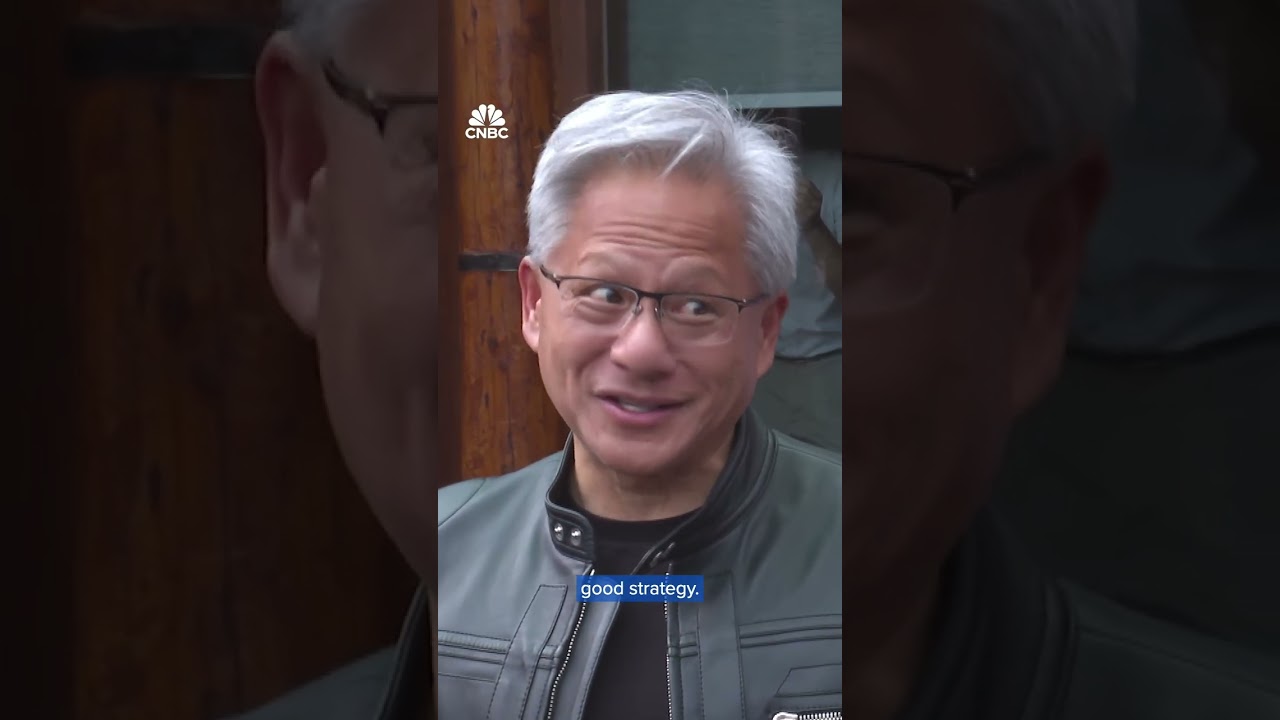
WEF founder warns of rising unemployment and an angrier world post-pandemic, calling for a 'great reset', fairer healthcare access, and green economic transition.
Key Takeaways
- The pandemic will likely increase unemployment, especially among informal workers, and social anger may grow
- Governments should use crisis recovery spending to build a green, digital, and more equitable economy
- A 'great reset' requires multi-stakeholder dialogue and inclusive innovation
- Climate and employment priorities should be pursued together rather than traded off
What the video covers
- Expects more unemployment, including in the informal 'grey economy', as the crisis continues
- Argues the world must prepare for an angrier population by creating a fairer system
- Calls for decent universal access to healthcare, especially for those left behind, both nationally and internationally
- Emphasizes the need for dialogue among global stakeholders and action toward a 'great reset'
- Notes the Covid-19 response has added roughly 10 trillion dollars in debt on top of already high debt levels
- Says health and digital industries will emerge strengthened, while physically interactive industries face survival difficulties
- Proposes tying government aid to green economy creation and digitalizing education
- Stresses innovation that benefits the majority rather than a minority
- Believes sustainability awareness may accelerate as people recognize the need for resilience
- Argues economic recovery and environmental goals should not be seen as contradictory
Chapters
- 00:00Rising unemployment and the coming angrier world
- 00:36Fairness, healthcare access, and leaving no one behind
- 01:18Calls for dialogue and a great reset
- 01:49Global citizenship and the role of the World Economic Forum
- 02:26Economic recovery shape and rising debt
- 03:02Industry winners and losers and green government aid
- 03:33Davos themes, sustainability, and public attitudes
- 04:22Reconciling environmental goals with employment
Full Transcript — Download SRT & Markdown
Speaker A
i don't know how it will play out in november but what we know is that we will end up with many more unemployed and particularly also people in the grey economy which are not counted for who lose a job
Speaker A
so we will see definitively a lot of angle already now but probably increase by the end of the year because this crisis will be with us until we really have found a remedy so we have to prepare for a more angry
Speaker A
world and how to prepare it means to take the necessary action to create a fairer world to see that we provide everybody with decent access to the health system so that we make sure that those people who are really left behind and i'm not
Speaker A
speaking only on national levels i'm speaking also internationally if i see now as a tragedy in some of the emerging countries like south africa like some countries in east asia i think it's all i i don't have too many remedies the
Speaker A
the remedies have to be discussed through dialogue by the stakeholders of our global system but i just see the need for such a dialogue and i see the need for action i see the need for a great reset
Speaker A
to what extent would a reset be brought about by a change in the white house the election of joe biden for instance i don't know um we first we shouldn't speculate about the outcome of the election we will see
Speaker A
uh beginning of november and then we we can in any case we can and the world economic forum is a very open and as an open platform to integrate everybody who is willing to address those issues in a spirit
Speaker A
which means to exercise here through global citizenship i want to just pick up on some of the economic projections in your book you tackle what the future may look like and at this stage we're grappling with various letters of the alphabet whether
Speaker A
it's a v or u or perhaps even a symbol a tick shape can you just give us some some clues about the growth down the track what we can expect first if you look at it at the national or global level at the
Speaker A
macroeconomic level one of the things we address very much in the book and we are concerned is the increased debt level we we spend about 10 trillion worldwide to deal with the short-term negative effects of the pandemics but we should be aware
Speaker A
we are just increasing our debt situation and we were already very much that loaded before we went into the crisis so how to get at the end out of this that situation is still a big question mark second we know that there's quite some
Speaker A
impact on different industries we know that certainly the health industries the digital industry will go out of this crisis strengthened but we know that many industries which rely particularly on physical interaction will have difficulties to survive finally i i just
Speaker A
would add i i think um this is an opportunity again to to find solutions uh which are beneficial for the next generation so why not to tie government aid to the green economy which we have to create why not to make sure that we
Speaker A
revolutionize uh digitalize particularly our educational system so we are here when we talk about the great reset uh to talk also about innovation how can we do things differently from what we used to do and if we speak
Speaker A
about differently it means also how can we do it to make sure that a majority of people are benefiting from it and not just a minority we started out davos this year talking about the environment greta toomberg versus donald trump
Speaker A
certainly a lot of headlines crossing from the mountain but last time around in the crisis we saw people didn't care so much about the environment when we were talking about large-scale job losses this time seems different are you
Speaker A
surprised about how strong the sustainability theme has been right through the pandemic no um i would see even a chance to to um to accelerate let's say our transition into a green economy because people probably recognize that we have
Speaker A
to become more resilient we have now the experience of one crisis the environmental crisis the climate crisis could be a much bigger one so i see more awareness but on the other hand we have the big issue of
Speaker A
unemployment of low levels of employment and i think we shouldn't see the two as contradictory objectives
Topics:World Economic Forumgreat resetpandemic recoveryunemploymentgreen economyglobal debthealthcare accesssustainabilityinequalityCNBC


![Ultimate Guide to Camera Shots: Every Shot Size Explained [The Shot List, Ep 1] — Transcript](https://i.ytimg.com/vi/AyML8xuKfoc/maxresdefault.jpg)