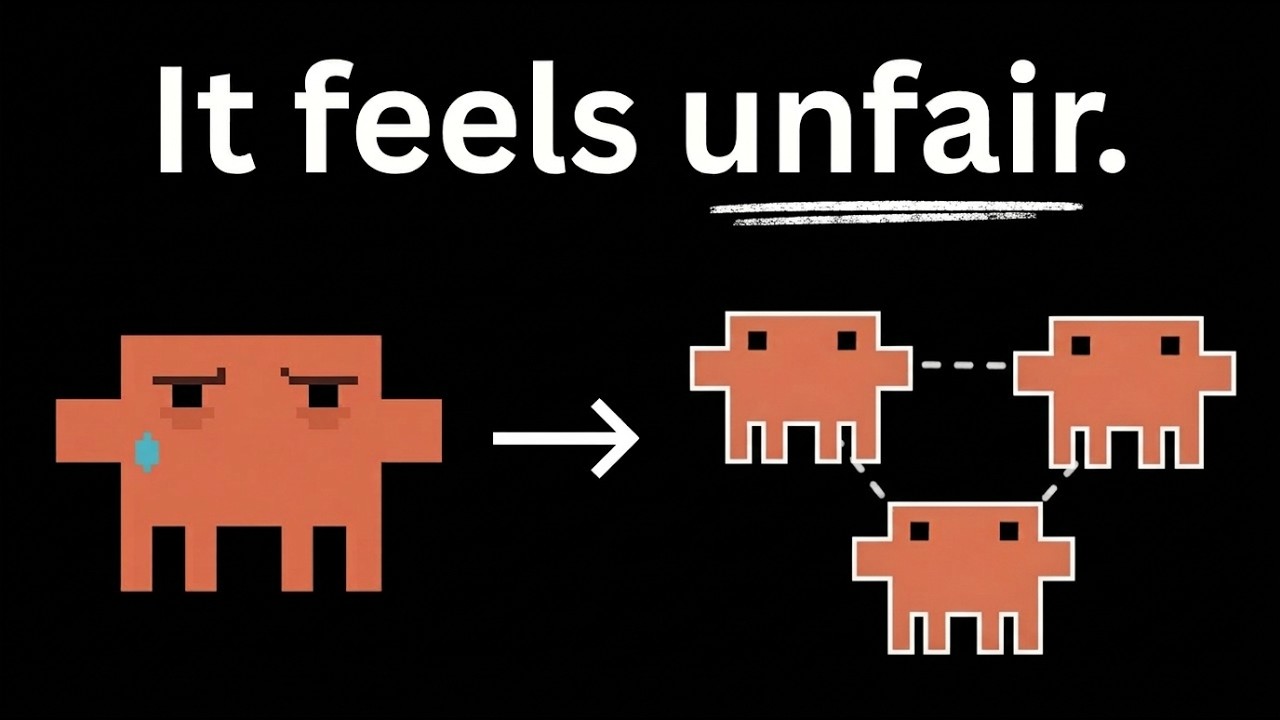
Explains explosive vs. effusive volcanic eruptions, how magma gas content and viscosity control eruption style, and how Mount Pinatubo, Mount St Helens, Iceland and La Palma illustrate them.
Key Takeaways
- Eruption style depends mainly on magma gas content and viscosity.
- Gas-rich, high-viscosity magma tends to erupt explosively; gas-poor, low-viscosity magma tends to erupt effusively.
- Volcanoes and even individual eruptions can combine explosive and effusive behavior.
- Eruption style shapes volcano morphology.
What the video covers
- Volcanic eruptions are divided into explosive eruptions (fragmentation of lava, ash clouds, ejection of fragments) and effusive eruptions (calm lava flows).
- The 2021 Reykjanes eruptions in Iceland were effusive, with small lava fountains at the cones and lava flows covering surrounding areas.
- The 1991 Mount Pinatubo eruption in the Philippines was strongly explosive, producing an ash cloud up to 35 km high and about 10 cubic km of material.
- Explosive magmas are gas-rich; bubbles grow, coalesce, and fragment the magma into ash particles while pressure drives violent ejection.
- Viscosity is the second key property: high-viscosity magma traps gas, while low-viscosity magma lets bubbles escape before eruption.
- Mount St Helens in 1980 is cited as an example of an explosive eruption from gas-rich, viscous magma.
- Many volcanoes produce both eruption styles, and a single eruption can be both explosive and effusive at once.
- The 2021 La Palma eruption had explosive activity at the top of the cone, while gas-poorer lava flowed effusively from its base.
- Eruption style strongly influences a volcano's shape and structure, which will be covered in the next video on shield and strato volcanoes.
Chapters
- 00:00Introduction: Explosive vs. Effusive Eruptions
- 00:35Examples: Reykjanes, Iceland and Mount Pinatubo
- 00:54Why Some Volcanoes Erupt Explosively
- 01:16Role of Magma Gas Content and Bubble Fragmentation
- 02:10Role of Magma Viscosity
- 02:48Mount St Helens vs. Iceland: Contrasting Examples
- 03:06Mixed Eruptions: La Palma 2021
- 03:46Outro and Next Video Preview
Full Transcript — Download SRT & Markdown
Speaker A
there are two general types of volcanic eruptions explosive eruptions and effusive eruptions explosive eruptions are as the name suggests characterized by explosions and the fragmentation of lava leading to the formation of ash clouds and the ejection of larger
Speaker A
fragments effusive eruptions on the other hand are calm and produce lava flows the recent eruptions on the rikes peninsula in Iceland were all a few Ive in nature there were some small fountains of lava at the cones and the
Speaker A
rest of the activity consisted of lava flows that slowly covered the surrounding areas around the cones the eruption of Mount Pinatubo in the Philippines in 1991 was a very strong explosive eruption producing an ash cloud up to 35
Speaker A
kilm high in total about 10 cubic kilm of volcanic material were erupted during that eruption why do some volcanoes erupt explosively and others effusively which processes lead to explosive activity and which to calm a fusion of lava magma responsible for explosive
Speaker A
eruptions differs in two properties from magma that leads to fusive eruptions the first property is the gas content explosive magmas are rich in gases as the magma ascends bubbles start to form in the magma and grow larger and
Speaker A
larger at some point the bubbles start to touch each other and coales together this creates a framework of interconnected bubbles with small isolated pieces of magma in between this process is called fragmentation when the fragmented material erupts the small pieces of
Speaker A
magma solidify and become small Ash particles since the gas bubbles need more and more space the larger they grow they increase the pressure in the magma as it moves upwards this leads to Violent ejection when the magma finally
Speaker A
reaches the surface the second property of magma connected to explosivity is the viscosity of a magma viscosity refers to how easily a liquid flows low viscosity means it flows easily like water while high viscosity means it moves more slowly
Speaker A
like for example example honey in very viscous magmas it is difficult or even impossible for bubbles to rise through the magma and release their gas before eruption on the other hand in low viscosity magmas bubbles can more easily escape and release their gas
Speaker A
before an eruption thereby the amount of gas involved in an eruption is reduced and therefore we have explosive eruptions where whiskers gas Rich magma erupts like at Mount St Helens in 1980 and we have a fusive volcanism where low viscosity gas poor magma
Speaker A
erupts for example during the recent eruptions on the rikes peninsula in Iceland now that we know both types of volcanism and how they form let's have a closer look at the real world there are volcanoes that predominantly erupt
Speaker A
diffusively and others that predominantly erupt explosively however many volcanoes can both produce explosive eruptions and diffusive eruptions even a single eruption can be both explosive and effusive at the same time let's take lapalma as an example during the eruption in
Speaker A
2021 explosive activity occurred at the large volcanic comb that was formed during this eruption however at the base of the cone lava was emitted effusively without any explosions apparently the more gasr lava came out at the top of the cone whereas less gasr
Speaker A
lava emanated from the base of the cone the eruption style of a volcano has a great impact on the shape and structure of a volcano in the next video we will explore the two general types of volcanoes shield volcanoes and strata
Speaker A
volcanoes and we will see how their shape is related to how they erupt see you there
Topics:volcanismexplosive eruptioneffusive eruptionmagma viscosityvolcanic gasfragmentationMount St HelensReykjanesLa Palmavolcanology