Skip to content

So Many Teachers are Quitting Teaching Non Duality, should all?

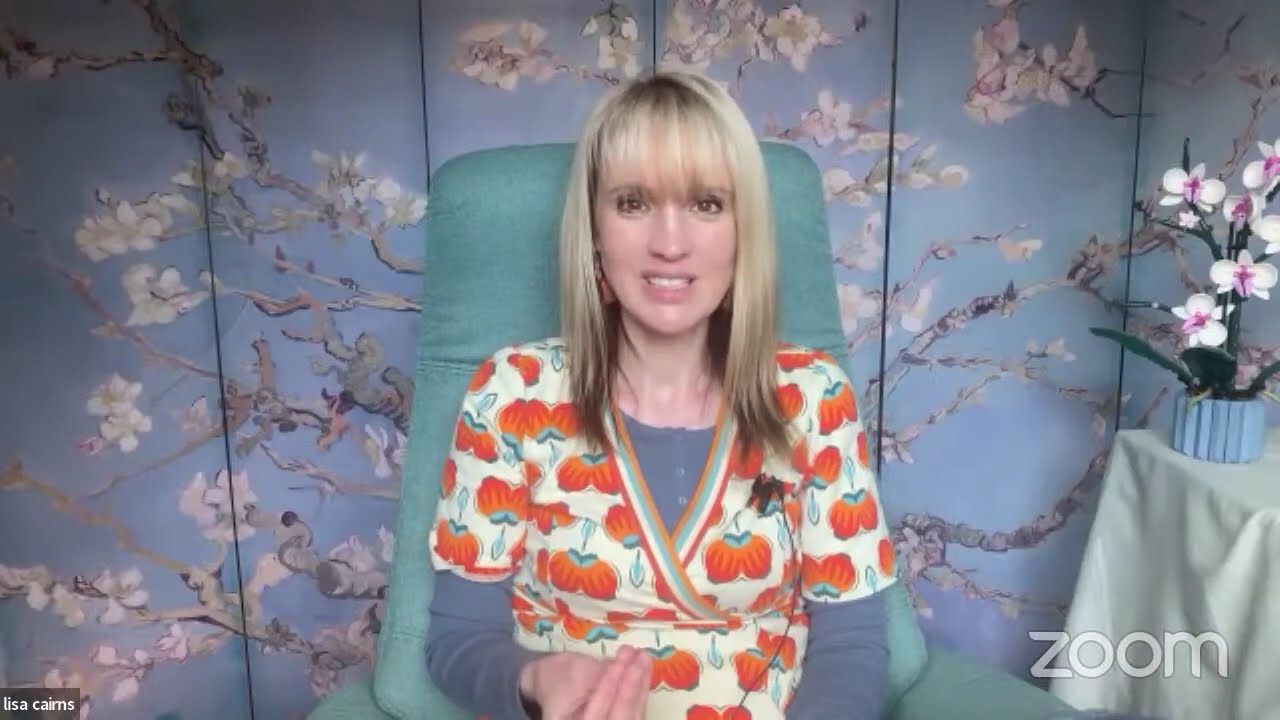
Lisa Cairns discusses why many teachers are quitting non-duality, exploring its challenges, misconceptions, and the deeper essence beyond intellectual understanding.

Key Takeaways

  • Non-duality is more than intellectual understanding; it is an experiential, energetic resonance.
  • Misunderstandings and misuse of non-duality can lead to spiritual bypassing and emotional avoidance.
  • Combining non-duality with therapy can be helpful but risks losing the pure transmission aspect.
  • The popularity of non-duality teaching is limited because its true depth is subtle and not easily grasped.
  • Ethical integrity of teachers is crucial to maintain trust in non-duality teachings.

What the video covers

  • Many teachers are quitting or distancing themselves from teaching non-duality due to its perceived negativity and spiritual bypassing.
  • Non-duality is often misunderstood as denying the reality of thoughts and the personal self, which can be offensive or problematic.
  • The true essence of non-duality lies beyond mental concepts, involving an energetic resonance or transmission that transcends intellectual knowing.
  • Combining non-duality with therapy and self-improvement is beneficial but may dilute the pure experience and magic of non-duality talks.
  • Many students quickly feel they have mastered non-duality intellectually, missing the deeper ongoing experiential aspect.
  • Spiritual bypassing can occur when non-duality is used to avoid emotions, though true presence embraces all feelings fully.
  • Immoral actions by some teachers have contributed to the negative reputation of non-duality teachings.
  • Non-duality talks are about meeting in silence and presence, not about teaching new intellectual content.
  • The language and terminology around non-duality vary among teachers, reflecting the ineffable nature of the subject.
  • Non-duality remains unpopular because it challenges common spiritual and human assumptions about self and enlightenment.

Answers

Questions about this video

Why are many teachers quitting teaching non-duality?

Many teachers feel non-duality is becoming unpopular due to misunderstandings, spiritual bypassing concerns, and the challenge of maintaining ethical integrity.

What is the main misunderstanding about non-duality?

Non-duality is often mistaken as denying the reality of thoughts and the personal self, leading some to see it as spiritual bypassing or avoidance of emotions.

How does Lisa Cairns describe the true essence of non-duality?

She describes it as an energetic resonance or transmission beyond intellectual knowing, involving meeting in silence and presence rather than just learning concepts.

Full Transcript — Download SRT & Markdown

00:01
Speaker A
Okay, so I think I have to start that again. Sorry for those in Zoom. Yeah, welcome. So, I feel very inspired to talk about the title today.
00:10
Speaker A
So many teachers are quitting non-duality. Should I? So, if you, if you watch a lot of non-duality on YouTube, you might have noticed there's lots of, um, teachers recently saying, "Why I start? Why I quit it non-duality?
00:28
Speaker A
Or why I'm quitting speaking about non-duality? Why I don't speak about non-duality anymore?" Um, yeah, and I feel like non-duality is becoming a bit of the dirty word in spirituality.
00:41
Speaker A
I could be wrong. It's only from my observation of the YouTube algorithms, and maybe everybody else gets really different algorithms to me.
00:51
Speaker A
Um, but yeah, there's a perception of negativity towards non-duality, and I feel like it's been building for quite some years now.
01:01
Speaker A
Like this idea that non-duality is spiritually bypassing. Um, yeah, and I think that you all know how passionate I am about speaking and teaching if that is such a thing, if you can teach non-duality, but speaking about non-duality.
01:27
Speaker A
Like to me, it saved my life. It radically changed my life. Um, and I feel internally, internally, I mean eternally, not internally, eternally grateful for that.
01:45
Speaker A
Like it really radically changed my life in an instant. Even though there was a build-up to it, the last bit was an instant.
01:55
Speaker A
And yeah, I've said many times in videos before that I feel like my life would have been quite difficult if I hadn't got into this subject.
02:05
Speaker A
But I understand why it's getting such a bad rap for many reasons. Um, firstly because I mean, it's kind of saying that if you are in the present moment and not going off into thoughts and not going off into ideas of yourself,
02:34
Speaker A
then there is no problem. And that's fundamentally offensive to the human race and to even spiritual, a lot of spiritual traditions or teachers because it's denying the existence of the thought realm being real in any way and the person being real
02:59
Speaker A
and that the person can or will become enlightened. Um, I can understand why that creates problems because, um, if it's not really understood and it's not really this energetic movement into what Nisargadatta would call the witnessing mode, the supreme witnessing mode. I'm not
03:27
Speaker A
exactly sure how he would phrase it, but something like that. Or I would call it like this expansion or the empty looking.
03:36
Speaker A
If it's not the movement to that and non-duality is taken mentally then I can see why it can be considered dangerous or problematic.
03:51
Speaker A
Like, um, yeah. Because some people might be using it as a story to tell themselves and a way to deny feelings and emotions by telling themselves there's nobody here and trying their best to put their attention in the present
04:21
Speaker A
moment. Like some people might even name or categorize that as depersonalization. Um, whereas I don't really feel it's like that, and it wasn't like that for me. Maybe there was a period of it being like that for me but
04:40
Speaker A
there was a going past that. Um, yeah. So, a lot of teachers now feel the appropriate thing to do is to teach therapy and non-duality simultaneously.
04:57
Speaker A
And I think that that's brilliant. It's great to teach non-duality, therapy, and self-improvement.
05:06
Speaker A
Um, it all takes different types of techniques to help the person and speak about non-duality.
05:16
Speaker A
I'm not against that in any way. However, I feel like if all teachers do that then the beauty and the magic of just talking about non-duality will be lost because I feel what happens when you just stay close to speaking
05:36
Speaker A
about non-duality, maybe there's a bit of movement onto the personal realm. It's like inevitable when you do question answers.
05:45
Speaker A
Um, if you just stay there, then, um, then what's missed is this, I mean, what they would traditionally call transmission, but I'm always reluctant to do use those types of words because who would be transmitting to who?
06:06
Speaker A
So, if, if there is a sticking to non-duality, I feel like it's like this deep meditation that can happen in the talks.
06:17
Speaker A
But it's not appropriate for everyone, and I really understand it's never going to be popular.
06:22
Speaker A
Yeah, I've been doing this 12 years now, and I've watched many teachers become popular.
06:30
Speaker A
And it's very rare that they're just speaking purely sort of more about non-duality. They're normally mixing with other things because yeah, it's, it's not very popular to just speak about it.
06:49
Speaker A
You learn the concepts really quickly, so you know, in a, in a maybe under a year, you're like, "Okay, I'm done. I've learned everything Lisa's got to say, or I learned everything Nisargadatta. I've done, I've mastered it." And then the
07:01
Speaker A
mind thinks that's what it is. But that's actually not the beauty of having satsang and speaking about non-duality.
07:09
Speaker A
The beauty is the energetic resonance that can happen that's beyond the mind, that's beyond intellectual knowing.
07:16
Speaker A
That's much, much deeper. It's the calling into the witnessing consciousness. I think this is what Mooji would call it. I'm so affected by him at the moment 'cause I do his book in the book club, and, um, yeah.
07:33
Speaker A
But I, I would have called it to beingness or the empty looking or impersonal I amness.
07:42
Speaker A
It doesn't really matter. And you'll see teachers of non-duality change their wording, which I can imagine also frustrates the listener because you're like, "Oh, I've just got it." And now they're changing it or they're being inauthentic. But it's
07:56
Speaker A
because there is no way to speak about this subject. There's no one way. Obviously, there is limits. Like you can't just talk about eating a packet of crisps.
08:09
Speaker A
But it's most, it's, it's predominantly about this energetic resonance that happens. And you'll have energetic resonance with different teachers.
08:19
Speaker A
You know, nothing personal. There'll be some teachers that affect you in that way, and some teachers that don't.
08:29
Speaker A
And I feel like, you know, all the teachers that are quitting non-duality or stopping talking about it, there isn't the appreciation of this and the power of this.
08:41
Speaker A
Like, um, it's, you know, it's not spoken about enough. Maybe it's spoken about more in India where it's, um, like these transmissions or meeting in truth is more appreciated. I don't know, maybe it's going out of fashion there.
09:00
Speaker A
Yes, that's one reason why I feel like non-duality is becoming unpopular is because people think it is something that you understand and so they kind of listen for a year and then think they've got it.
09:16
Speaker A
And that's not what these talks are about. I've been repeating the same thing for 12 years.
09:22
Speaker A
I've not got anything new to teach you. It's just us meeting in the space of silence every week.
09:30
Speaker A
Or beauty. There's no we, silence. It's not mine or your silence. It's the one silence.
09:38
Speaker A
Just God is animating this body to be the speaker. So, that is that. And, um, I don't know the appreciation, the bypassing that can happen.
10:03
Speaker A
Um, and I understand that as well. So, with the bypassing, people, a lot of people feel that, you know, just pointing to the present moment is a bypassing of emotions.
10:22
Speaker A
Um, and it's not really meant to be a bypassing of emotions, although I can understand that, um, that can happen.
10:38
Speaker A
And if that happens, that can seemingly be damaging for somebody. Um, but it's, um, it's actually meant to be a real embracing of emotions. I feel like it's a really misunderstood area because if there is real presence, then there is nothing to
11:04
Speaker A
avoid. So, if there's emotions here or feelings here, then they're kind of really experienced.
11:11
Speaker A
They're not sort of pushed away. It's not someone trying to push them away. But I can understand why that opinion occurs and I'm sure all of you listening know there's been periods in your spiritual search where you've been
11:29
Speaker A
spiritually bypassing. I think another reason why non-duality is getting a bad name or has got a bad name is because of immoral, seemingly immoral actions of the teacher.
11:46
Speaker A
So, if you give one teacher so much power then the immoral actions that take place.
11:57
Speaker A
So, if all the students believe that I, I am God speaking or if they believe, you know, the other teachers are God speaking, then it gives that teacher an incredi-
12:13
Speaker A
And with power comes danger. Yes, and I've learned that the hard way, you know, when I first started speaking, I have to confess I didn't understand the power that I had over people that came over to the talks.
12:32
Speaker A
It wasn't on my radar. I wasn't looking for power. What happens to me when I speak about non-duality is I become incredibly blissed out often, not all the time, but most of the time I become very blissed out.
12:49
Speaker A
And my teacher, Roger Castillo is um one of his main teachings is in every given moment do exactly what you feel like doing, knowing there's no doer doing anything.
13:06
Speaker A
So, because there's such conditioning here, this body navigates itself, not all the time. It's not always possible to navigate itself towards joy or freedom, but it it's looking for that. And in the expression of non-duality, it's incredibly blissful, not actually joyful.
13:28
Speaker A
That can come and go, blissful. It's It's like um yeah, bliss. So, it's like following the bliss.
13:38
Speaker A
So, that's why there is remained the speaking about it because it's it's very blissful to do it and that feels like the right way to navigate.
13:55
Speaker A
Like the body is looking and following that. It feels like God's will. It feels like I'm not in the way, you know, the character or the old seeking energies or old karmas aren't getting in the way. It feels like
14:13
Speaker A
the right thing to do. Um and um so, that's why I continue to talk about non-duality week after week after week after week the year after year after year because that feels right. Body moves towards that.
14:37
Speaker A
Um However, I had no perception really which is really very ignorant. I was very young when I started speaking that that contained such power over people because to me, I wasn't looking at it through power or not power or that
15:00
Speaker A
the other people giving me power or having less power than me. They may have been doing that, but I wasn't looking at that, you know, I was looking at the emptiness and the stillness and the resonance.
15:13
Speaker A
Um Yeah, and so in the beginning, there was mis- accidental misuse of power um here, I would say.
15:25
Speaker A
But in the end, that is God's will. And also that me as well. Like I you know, I often but not put myself down, but you know, don't stand up for myself in certain situations, but that also damaged me, not realizing the power I
15:51
Speaker A
held over people because I also yeah, didn't realize that even when you when you're seemingly having power, other people want to get that power or have some of that power.
16:08
Speaker A
Um so, I didn't you know, so also made me a little bit of a unknowing sitting duck. Like quack, bobbing along on the surface. Like quack, quack, here I am.
16:21
Speaker A
Yeah. Yeah. So, it's always two-way in a way in the one-way system of things.
16:31
Speaker A
Like it was through my ignorance there was a damaging of people, but then also damaging of this body-mind mechanism as well.
16:40
Speaker A
But it really can't damage things because when we look at it in the correct light, even though I've described it as that cuz I've just had to communicate, but in the correct way of seeing things, that was life
16:54
Speaker A
eradicating any false beliefs or ideas that were left in this body or any karmas left in this body and energetically opening up more and more.
17:03
Speaker A
Anything, everything that happens is always that. It's always expanding us. Yes. There's that. And so, because of this mis- misuse of power of teachers this cults that have formed um this has also damaged non-duality as well.
17:37
Speaker A
Um Yeah. We all know why that is. Yeah. And we all know what happens there.
17:59
Speaker A
And then another thing that makes non-duality not popular is it's weird for outsiders to come into. They're like, why is this woman or man or non-binary person opening themselves up to questions and sort of putting themselves as if they know something
18:17
Speaker A
that other people don't. So, if you come into non-duality it's such a weird thing, you know, this person sitting at the front talking about absolute reality.
18:31
Speaker A
It's like, what does that person know? Who do they think they are? And it's a weird thing.
18:38
Speaker A
Luckily for me, I found it weird when I first came across it, but also fascinating.
18:45
Speaker A
And my first satsang was John de Ruiter and he didn't say a thing the whole satsang. He just was looking at people like eyes, giving them the non-dual eyes.
18:55
Speaker A
It's been at Starshine in India. And I'd already done the Buddhist I was already doing the Buddhist stuff. So, I had some understanding of something. But I was just like, what the hell? It's like hundreds of people here all sitting silently watching a man
19:15
Speaker A
stare into somebody's eyes for hours on end, for a whole day. What is that?
19:25
Speaker A
Luckily, I am kept going back. But these are all reasons why non-duality in 2024 is becoming super unpopular. It's Yeah, it's I think seen as dogmatic, old school, boring. We know all the information out there.
19:56
Speaker A
And then the sadness is is this meditation which happened happens, this meeting in truth is not appreciated for what it is.
20:14
Speaker A
Yeah. So So just then I went to say something and then there was a stopping.
21:13
Speaker A
And that's because I'm trying to follow the energy. And then I went to speak and then I could feel the energy needing a moment of silence.
21:27
Speaker A
That sounds so weird. I mean, this is why people don't come to non-duality, but it's like it's it's like it's not even me doing it, it's just the energy is trying to follow the right energy.
21:40
Speaker A
That sounds so crazy. Yeah. Should I quit non-duality? That is the question. And in the end it's God's will whether quitting happens or not.
22:22
Speaker A
But I suspect it's unlikely because um it's just repetitively year after year it's it's so blissful doing it.
22:49
Speaker A
Yeah, speaking about non-duality with others that are open to it is incredibly blissful. It's not blissful doing it to people that aren't open to it because I see it as this like two-way thing.
23:00
Speaker A
It's like a love affair that's happening. But it's like one energy's love affair. So if the other is open to it, then this energy circulates.
23:14
Speaker A
But if the other isn't open to it, then it's Yeah it's totally not interesting to speak.
24:03
Speaker A
What interests me about this energy and um Yeah, this is going a bit off course but it feels to speak about it.
24:23
Speaker A
Is what interests me about this energy. So what it feels like here is that like there is presence, there is a live presence.
24:41
Speaker A
There is this empty looking which is no thing and everything. And that empty presence like it's giving like a feeling of aliveness of love.
24:53
Speaker A
And what it wants is for action, behavior speaking to be in line with it.
25:04
Speaker A
That sounds really weird. And I think it's what people call, you know, like being in flow in other spiritual traditions or other teachers. It's not named so much as like that in non-duality.
25:24
Speaker A
And like like Ananda Mayi Ma, I think she would say that God speaking is like God wants to speak through the instruments.
25:40
Speaker A
And when for this body, when it's in line with it then it feels very blissful.
25:48
Speaker A
This body is not always in line with it. Like this body is still expanding and adapting and changing to this realization.
25:58
Speaker A
And it's hard living in a society that really doesn't understand this. Um Yeah. But what it wants is is to follow that energy, like to follow the bliss.
26:16
Speaker A
And that is really scary. Like this character sometimes gets afraid as well because it's um not necessarily logical. It can have logic in it. It can come up through logic.
26:35
Speaker A
Yeah. In the end everything is God's will, even when it doesn't feel like God's will.
26:42
Speaker A
And that's what has to penetrate the thinking mind more and more to relax the system.
26:50
Speaker A
But ultimately, I feel like goal is is to be as in line with God as you can be.
26:58
Speaker A
As surrendered to God's will as you can be. And what's interesting is maybe a lot of people that are here know this from childhood. Like this was always my mission even in childhood, but I didn't really know it.
27:17
Speaker A
And maybe a lot of people can resonate with that. I think there's a lot of artists and creative people and sensitive people that my goal even as an artist was to like when I was younger, I used to act
27:34
Speaker A
and when I acted, and I don't know where I got this from but this is why I loved acting was that when I did it, I had to totally follow the moment.
27:49
Speaker A
So I would learn the words of the character. And then when I went to perform it there was no thinking allowed.
27:58
Speaker A
It had to come out spontaneously. And I was so strict on that. And I think that other people maybe weren't all doing the same, but that was my philosophy. It was I had to do that.
28:13
Speaker A
And I think some teachers suggest that. There's like the method and the Stanislavski the method and Alexander technique. So there's all these different um techniques that suggest it in acting, but this Yeah, this was really important to me.
28:37
Speaker A
And I don't know why. I didn't know why. I didn't even think about it or question it and I didn't realize other people might not be doing the same, that they might be thinking or constructing things. And I remember this
28:50
Speaker A
one play that I was in where I was the main character. It was in Clockwork Orange and the main character is a man, but I was um cast as an androgynous character. That time I had like really short hair and when I don't wear makeup,
29:09
Speaker A
I look very I can look very boy-like. I used to when I was younger.
29:16
Speaker A
And um Yeah, I was cast and it was really complex cuz this body this body Sorry. This uh had to I had to do lots of speaking.
29:31
Speaker A
And also some of the other actors weren't that great. It was like at college and um And so what I did was I learned every role off by heart.
29:47
Speaker A
So it was automatic. So I knew the whole play from beginning to end. Like every word in it.
29:52
Speaker A
And then I learned everybody's movements in it. So, it's done in the round. And I learned everybody's movements.
30:02
Speaker A
Um because I couldn't I realized that I couldn't rely on the others to not get it wrong, so I had to know everything.
30:14
Speaker A
Cuz it was in the round and I was always on stage. It was like I was always in every scene, if you ever read the play.
30:20
Speaker A
It was really intense and it was really physical theater as well. The way the director directed it.
30:27
Speaker A
And um and then when I did it, I wasn't allowed to think. I only allowed to do it on automatic.
30:39
Speaker A
And it's like I taught my body how to do it and then it was in the moment it was only allowed to come out spontaneously.
30:47
Speaker A
We could call that automatic, but it's like the spontaneity. It's like I was only allowed to be really present and then it to come out of nowhere.
30:56
Speaker A
And we call that automatically, like, you know, some a guitarist is playing the guitar, you know, for many years learned it and then just spontaneously plays. That's, you know, it's kind of like a you call it automatic or something, but it's
31:10
Speaker A
really it's like um spontaneity in a way. It's coming from nowhere. And and it felt like love when I did it.
31:22
Speaker A
This is why I was so in love with the subject. And it's because these had totally vanished and it was just presence expressing itself.
31:30
Speaker A
And this was all I was really interested in in acting and everything that I ever did in my life, it was about recreating that. I even remember at university writing an essay spontaneously about how essays and every piece of art should only be done
31:50
Speaker A
spontaneously. I see the problem with it now, like I needed to learn better how to write an essay before I spontaneously did it.
31:59
Speaker A
But I understood I understand now the premise of what I was coming from and this energy. And it's the same with writing.
32:09
Speaker A
This spontaneity and this importance of spontaneity. But I understand now that you can body can learn things and that's spontaneous and then it creates spontaneous spontan- spontaneously.
32:23
Speaker A
But what I'm trying to describe is this speaking from no place. You know, not speaking from a derived place, from a thought-based place, where you're once removed in your imagination.
32:38
Speaker A
You're kind of imagining yourself speaking. You've got a character and a form in which you want to present in a certain way.
32:50
Speaker A
It's just coming out. And in that coming out, it might be that the character is presenting in a certain way, but it's nobody presenting in a certain way.
33:03
Speaker A
It's a happening. Like our bodies all know how to eat. You know, if we'd never not done this action with our fork and our dust bin many times, you know, we'd have to practice doing it. But our bodies have done it so
33:21
Speaker A
many times that they can just be allowing that to happen and an immense presence to it.
33:31
Speaker A
It doesn't need to be any second. Yeah, and I know there can be contradictions to that because there can be immense presence in practicing eating.
33:50
Speaker A
But I'm just trying to describe that. And when you become really present to it, like the body wants to move in certain ways.
34:04
Speaker A
Wants to do things and say things in certain ways. And that can seem super mad to another person.
34:13
Speaker A
And super unethical or illogical. But it's actually coming from love. And this is where non-duality gets the bad name because people who aren't coming from presence or love can use as an excuse.
34:39
Speaker A
Yes. Okay. Yes, if you have any questions or comments, you can write them in Telegram.
35:40
Speaker A
Um if you don't know how to join the Telegram group, it's in the box below or maybe it's No, it's in the box below, I think.
35:48
Speaker A
Or you can in Telegram I posted a Zoom link and you can put your hand up in Zoom.
35:57
Speaker A
Your video name won't be shown on the video. It'll just be um your voice.
36:25
Speaker A
For me, if a non-duality teacher is not transmitting, I'll say. I lost the thing.
36:40
Speaker A
And Susan Grace and then the message, no matter how intellectually sound, will never resonate.
36:48
Speaker A
My teacher speaks of two awakenings, the dry non-dual and the wet Kundalini Shakti. I wonder if non-duality is too devoid of the devotional side of practice, which helps to soften the heart and open the devotee to the energetic side of
37:02
Speaker A
awakening. Even the great Yanni's Nisargadatta and Ramana would have elaborated poojas and devotional chanting at the ashram.
37:14
Speaker A
Yeah nice. I think a lot of lot of Westerners don't understand the devotional side that can happen in India. I think it's very challenging challenging to our sensibilities in the West.
37:47
Speaker A
Um Um And um So, maybe that sometimes gives the wrong impression in non-duality that it's just a emptiness awakening. It's not the love side.
38:10
Speaker A
So, to me, there can be two different types of awakening. There can be the emptiness.
38:15
Speaker A
And then there can be the love awakening and they can happen independently of each other or they can happen simultaneously.
38:23
Speaker A
The emptiness is the empty looking. There is nothing here looking. I think Nisargadatta would call it the um the witnessing.
38:36
Speaker A
And then there can be the love side, which is the beingness coming forward. And when those two are united, so the witness and the beingness are united.
38:47
Speaker A
And it's not just witnessing, but it's the witnessing the He would call it the supreme witnessing, but the witnessing and the being simultaneously.
38:58
Speaker A
It's absolute love and emptiness and they're one in the same thing. So, you could call it like the impersonal I am and the empty looking coming together.
39:09
Speaker A
And the witness is like a bridge between the no thing, which is the emptiness, and then the love, which is everything.
39:20
Speaker A
And this is who we are right now, everybody. It's this empty looking. And then this love, this beingness, this everything.
39:36
Speaker A
And they come together. So, the empty looking or what he would call the witnessing is not a witness that's from a subject or a place.
39:48
Speaker A
It's no place. It's in no place, and it's all things. So, there's not something witnessing something else. That's the activity that happens beforehand.
39:58
Speaker A
The witnessing the consciousness is in all things. So, there is nothing conscious. There's nothing witnessing.
40:07
Speaker A
And then the all things are kind of you can say beingness. And they come together, and then it's this empty wholeness, which is love.
40:20
Speaker A
And everybody is that. Everybody is the empty looking. The What creates suffering is the identification with the person.
40:32
Speaker A
And the identification with time-bound reality. That I am something. That I am a body mind. That I am emotions. And from that comes personal doership. The idea that there is somebody doing inside of this body or that body.
40:50
Speaker A
And it's against life. Rather than the the perspective of non-duality of knowing everything. Everything is a reflection of itself.
41:03
Speaker A
All is a reflection of itself. Yeah, I read this from Anandamayi Ma. This is so beautiful. I think I've read it before, but let me just read it again.
41:14
Speaker A
She's so divine. And so few people seem to know about her. Shree Ma. When somebody dis- When someone disapproves of something we have done, God appears in the form of that disapproval.
41:37
Speaker A
As if in that disapproval, it is that God, ultimate reality, who is manifested. If someone talks in our favor, that appears in the form of that compliment.
41:52
Speaker A
If someone expresses doubt about us or talks in the language of contradictions, there also is that, meaning God, only.
42:01
Speaker A
There is nothing anywhere but our own self. Everywhere it is that self alone. God alone. It's only Bhagwan, God, the Lord, in every form.
42:14
Speaker A
He can appear in the form of either approval or disapproval. The question says, "How do we secure bhakti devotion?" He go and sit under a tree.
42:27
Speaker A
So, she means go to satsang. That's what she means by that. He She has everything and gives what is suitable to a person according to his own lineage. That great godly person will give you what you need.
43:07
Speaker A
And what I get the sense when you She means like go and sit under the tree, she calls it. Like go and sit with the great one.
43:16
Speaker A
She means like go and sit in presence. Like she does also mean go to satsang.
43:22
Speaker A
Like that's her lineage, so that's what she's going to teach teach. So, go to a teacher, but she means also that which is a mirror to your own nature.
43:38
Speaker A
That is what what's reflecting your own nature. And that that's not including, you know, going to therapy or working on the personal self.
43:50
Speaker A
Although I totally recommend doing that, and I think it's really wise. What she's suggesting is sitting in presence.
44:01
Speaker A
It's being in devotion to God. She calls it different things. Yeah. I think in the West, though, it's I think in India it's the same, but you know, working on the person, doing yoga, doing therapy, having a good conceptual
44:26
Speaker A
understanding of the self is important to calm the person down. But then at the same time, you need to have this strict conver- um the strict um commitment to going beyond all of that.
44:46
Speaker A
This really is going beyond the person. What is it in the which the person appears in?
44:53
Speaker A
Yes, it's great to do all these things for the person and to work out the person.
44:58
Speaker A
But the most important part all your parts is to see beyond the person. Where is this beingness in this alive presence?
45:10
Speaker A
Who is that? Where is that? In every moment basking in that. In every experience, there is this empty looking. The alive presence.
45:27
Speaker A
It's right here. What the person can do is you can do very simple things.
45:36
Speaker A
But um But keeping in mind that it's not really the person that gets there.
45:48
Speaker A
And the simple practices are is putting your attention in beingness, in presence, in I am, or in the empty looking.
45:58
Speaker A
Um Ma Anandamayi Ma would recommend mantras. Or focusing on the name of God. Basically, what it's doing is it's moving the attention out of the conceptual reality and trying to point it to something deeper.
46:18
Speaker A
And that's that's different from therapy, from thinking about yourself, from energetic release. Although I'm not saying it's better, it's just different. That is all working on the person. And in a way, this is calming the person.
46:38
Speaker A
But it's um it's trying to point to something different. It is trying to invoke a stillness.
46:49
Speaker A
That is the nature. But in saying all of that, just holding in mind that everything that you do with an idea of you is in ideas.
47:13
Speaker A
So, moving your attention back to the present moment is an idea pulling itself out of ideas.
47:23
Speaker A
Just recognizing that. Beingness, what you truly are, is always still. Always present. It's not a movement. It's not something you get. It's here right now. It is you as you.
48:24
Speaker A
No more questions. Done. Hello. Hello. Oh. Hello. Hi. Hi. Yeah um I felt like sharing a bit of uh because yeah, this topic is interesting and um yeah, for me it was I because I also um heard a lot of teachers and
49:55
Speaker A
um what I I always liked about your way of teaching or that way of teaching which is coming through you.
50:05
Speaker A
Uh that you also always point out uh like you give some advice on your homepage and people can look stay look for something like um on that level, but the pointing is really just like from that uh sort of loving
50:28
Speaker A
uh way. It's uh yeah, and for me it was really it's just really helpful and and it's yeah changing my life on on different levels and uh yeah.
50:44
Speaker A
But I also can very good understand that uh for some people if it is a little bit out of the context um yeah that it can be a little bit uh confusing or something. So, yeah. Yeah.
51:02
Speaker A
Yeah, it's really it's I think out of context actually confusing, but also really interests me.
51:08
Speaker A
Like um non-duality speakers that are dumping it now, you know, after many of years or sort of Mhm.
51:17
Speaker A
like um cuz I just feel like it's really profound. Mhm. Um yeah, and really important to keep um focusing on it. I got I am Yeah, I don't think it's bad that they're dumping it and then may and
51:38
Speaker A
maybe they'll be like a new emergence, you know, it will come in a different way, you know, speakers or come under a different title or there'll be something else that happens, but it interests me that it's um yeah, it's kind of like
51:56
Speaker A
yeah, being um sort of brushed off as a nothing where it's such a beautiful tradition that's gone on for thousands of years and it's um yeah, to me to me incredibly powerful, you know, when I went to teachers that was what I was interested
52:16
Speaker A
in was the sitting in resonance and I was interested in understanding as well, but it was more the resonance part that was important.
52:27
Speaker A
Yeah, what's what's for me it's would be interesting to know if they just say, "Okay, we uh we don't want to do it on the on that uh in the way that it's available to everybody like the digital way or like
52:44
Speaker A
if they just want to see that people find a different way to them or if they just say, "Ah, it feels like that kind of uh sharing it's not handled well or whatever." And um so Yeah, it could be that they they only
53:03
Speaker A
will talk about it intimately with smaller groups, you know, after people have done lots of therapeutic work on themself.
53:12
Speaker A
Yeah. Yeah, I I can really understand that because yeah, of the different reasons. But um yeah, with with I think uh with you I still have that feeling that there's enough um considering like um what is important for the person to
53:38
Speaker A
understand like um apart from letting go into that uh experience or that beingness like that um entering into that realm somehow. Mhm.
53:55
Speaker A
And uh yeah, but it's it it might be that it's just some movements because I always sometimes I I compare like what is globally or collectively happening to what is happening to myself like um individually and then I see, "Okay,
54:18
Speaker A
there are sometimes I reach some limitations for me to integrate uh and then or sometimes there it feels like a threatening or some some anxiety or whatever. So, that can also be on the collective uh level Mhm. in a way and yeah.
54:41
Speaker A
Yeah totally. Yeah so so yeah, maybe that is a little bit trying to uh go around it, but I I think or I feel it's the same little bit like being a light tower, yeah, and you have the ships out somewhere,
55:02
Speaker A
you know, and but so if you just yeah, keep showing the light, there is a little bit of orientation, you know, and that is maybe some a good way instead of saying, "Yeah, I have the understanding and I'm going to
55:20
Speaker A
teach you how to maneuver your ship or whatever, you know, like it's mhm. Yeah, that's a nice way of putting it, like a lighthouse rather than like somebody coming over to being being like, "Do this, go left, go right." It's
55:34
Speaker A
like just showing the light and then you choose which way to go. It's really nice way of putting it.
55:41
Speaker A
Yeah, that's imagination. Yeah, I think that's really beautiful and that's what I feel like um non-duality's meant to be like a lighthouse. Mhm.
55:53
Speaker A
Yeah, like it just it's just showing it's just giving the light and then if that light is followed, it's followed, if not yeah, and the different ways in which can the light can be approached, the different angles in which it can be
56:07
Speaker A
seen. Definitely. Yeah. Well, thank you for your comment. All right yes. Yeah, and sharing. Yeah, thank you.
56:22
Speaker A
Yeah thank Bye-bye. It's so beautiful, so still and peaceful. Thank you. Yeah, thank you.
56:45
Speaker A
It's really a collective thing. It's really not me. I just happen to be the one that God orchestrates seemingly at the front, but it's this one energy.
56:59
Speaker A
Like this one energy moves the sound. The one energy makes those eyes watch this uh be moved.
57:11
Speaker A
And that's the space, the sounds, the everything in between. It's such love. Yeah, I wonder how many teachers are stepping away because of the lack of mature students. I know I have a I thought I thought sorry.
58:07
Speaker A
I know I have often thought to myself that I'm not ready to hear non-dual message.
58:12
Speaker A
It seems to be the end of the road in terms of suddenness. Mhm. Yeah, it's really intense message.
59:06
Speaker A
It's such love. Like so so for you like sadhana has to be practiced. As long as life, energy, God, whatever we call it, dictates that.
59:26
Speaker A
And the mind thinks I'm not ready for it. But your whole life has always been the movement of that one.
59:37
Speaker A
All the indecision and decision and what moves, what changes is rather than seeing yourself acting in relationship to there is just the self.
59:53
Speaker A
Your body is not separate from the environment. It's one and the same thing. The bird flies outside my window and it's me flying as beingness. The tree waves in the wind and it's me waving.
60:12
Speaker A
The clouds, me clouding. But not me as Lisa. Me as beingness. And it's that movement from from being a time-bound character, from being a thought of me moving in time, which brings a certain energy to going back to the stillness of what
60:31
Speaker A
you are in this moment, which is beingness. And the beingness is all places and no place.
60:41
Speaker A
All places and no place. It's seeing God in every action, every movement. And God is total emptiness and fullness simultaneously.
60:58
Speaker A
And well, the character needs to do sadhana. Or the character needs to practice and release seeking.
61:13
Speaker A
It will do that. But it's actually the divine, the no thing doing that. All of it.
61:33
Speaker A
The divine speaking, the divine hearing. The divine moving. And it's discovering that witnessing consciousness.
61:46
Speaker A
It's no thing and all things. It's the bridge to no things and all things.
61:52
Speaker A
What now isn't moving? What now is perfectly still? What now is no thing? No thing.
62:24
Speaker A
This is merely a comment. What you do is great and maybe some teachers are giving up teaching non-duality. Perhaps that's what they need to do at the personal level.
62:34
Speaker A
Interesting that the forefront of science is now really into non-duality. Bernardo Kastrup and Don Hoffman are worthy investigation.
62:47
Speaker A
Rupert Spira has interviewed both. And nice. Yeah. And that And it's perfect if people are giving up non-duality, it's perfect because who's orchestrating that but the divine?
63:08
Speaker A
It's just a springboard into conversation about what is happening here. What is happening here is a pointing back to who you are.
63:21
Speaker A
When the when you feel absent from it one thing that can be done is moving the attention back into stillness, into what's happening.
63:35
Speaker A
Into the witness. So the attention moves itself back into the attention or the sense of I am.
63:44
Speaker A
And then at some point that gets absorbed into the attention itself. And then there is what Maharaj calls the witnessing consciousness.
63:54
Speaker A
And then you are no longer a thing. There is no longer a thing looking anymore.
64:01
Speaker A
But the witnessing consciousness is all things and no things. It's like the bridge between emptiness and fullness.
64:14
Speaker A
And if there's lots of emotional and psychological stuff, then there's all different types of therapeutic practices, energetic work that can be done.
64:42
Speaker A
The most important part is this deep falling into the beingness of what you are.
66:58
Speaker A
For me, the seeming maturing by listening to these helps on all levels of daily life, which is embedded in society.
67:07
Speaker A
For me, realization of our true self is essential for humanity. Why is the personal self seemingly threaten ning its own existence by withstanding its transformation?
67:19
Speaker A
As you say, if it there can only be the divine answer to it. You know, it's beautiful.
68:35
Speaker A
Yeah, if anybody else wants to ask a question, it doesn't have to stay on subject. If they are asking question of of non-duality or a different subject matter they're welcome to express it.
71:37
Speaker A
Do you think the Western teaching of non-duality has changed in recent years from radical non-duality to a more meeting of the person where they are interactions.
71:51
Speaker A
I think it's gone maybe it's like society. Like it's gone both ways, like there's been an emergence of a lot of radical non-duality and an emergence of incor- incorporating non-duality with um with therapies and with trauma related therapeutic practices.
72:20
Speaker A
So, I think it's gone both ways. I think that there was always these differences in the expression of non-duality, but it seems to be more extreme in the recent years.
72:40
Speaker A
And I don't I don't think that either are wrong. Uh I think that both camps point the finger and like that's wrong, that's wrong. I think it's all God's will and it's all perfect and I don't think one
72:52
Speaker A
will lead people to awakening more than other people. I just think that that beautiful in themselves.
73:02
Speaker A
Um and I think it's a shame if it was all extreme non-duality and no therapeutic body work.
73:14
Speaker A
And I think if there was only therapeutic body work and non-duality, that would be a shame.
73:23
Speaker A
So, yeah. Um my issue is more that the pointing the fingers, this one is bad, this one is bad.
73:36
Speaker A
I even don't think that the teachers that don't speak with the energetic resonance of that either.
73:43
Speaker A
It's all got its place. It's all the God's will in the end. It's just that God now is referring and reverting back.
74:07
Speaker A
So, refer refuting all these that non-duality is bad. It's trying to point out you know, what's good about satsang and the expression of truth and keeping it on direct pointing.
74:22
Speaker A
And why that's got beauty and that you don't need to put that down to put up teachings of more body work therapy integration.
74:35
Speaker A
It's all in it's all included. And there doesn't need to be a putting down of one or the other, this is better and this is worse.
74:47
Speaker A
It's incorporating all. Everything in life is welcome. It's this radical mind that creates suffering. This is the way, this isn't the way.
75:02
Speaker A
It's really the letting go of all these judgments and extreme thoughts. And sometimes extreme thoughts need to be presented to the teacher needs to be extreme in order to undermine the the students' thoughts, the ways of believing believing
75:22
Speaker A
or thinking. But it's in the end it's letting all go. And the freedom is is all of us seeing each other naked in presence.
75:31
Speaker A
Um no better, no worse, like it's all God speaking. The um the jackhammer outside your window is as much God as the next thing.
75:56
Speaker A
And all different messages are seemingly needed at different times. They all got perfection. They all are perfection and that's the shift that happens.
76:10
Speaker A
Is everything is God's will. It's the letting go of any hard edges where is this is the way it's got to be, that's the way it's got to be.
76:19
Speaker A
It's moving to the beingness of what you are. And then the character has thoughts and opinions.
76:25
Speaker A
And then they don't, then it changes. The character being flexible. What's that word? Non-binary. The character being non-binary in all terms, not just in gender.
76:38
Speaker A
And letting beingness be the guiding light, not the mind. The mind is helpful. The mind is a beautiful tool, but it's when it's when it's the leader of the show, you just get into hell.
76:54
Speaker A
When it's leading the ship, that it's it's like hellish. Like um because it just takes over and then it just starts finding problems in everything. There's a problem in me, there's a problem in them, there's a problem in this, there's a problem in
77:08
Speaker A
that. It gets more and more tight the more that thought leads. Thought is an instrument, it's not the doer, it's not it's not you. What you are is the pure beingness.
77:21
Speaker A
And thought is great in its context. In its context to be help- helpful for survi- for survival. It is great in its context for undoing thoughts.
77:32
Speaker A
For letting go of thoughts, for evolving thoughts. But then it's not who you are.
77:39
Speaker A
It's not the doer of action. The doer of action is beingness, which is what all is.
77:45
Speaker A
And it's a movement from being this thought-bound person that feels like it's looking from behind the eyes to the pure beingness, which is here.
77:56
Speaker A
And then the character in a way becomes more itself because it's not restrained by ideas. It's not in a tight jacket of that needs to be.
78:05
Speaker A
And then this free frees up the people around you as well. But all of it is God's doing as that life force as beingness.
78:19
Speaker A
All of it. Yeah, Lisa, thank you for sharing this beacon of shining light and being such an incredibly beautiful tree that some of us have grace to sit nearby.
79:13
Speaker A
Uh that's sweet. The new setup is marvelous, by the way. Yeah thanks. Um Yeah, it's really lovely the board.
79:29
Speaker A
This painting. A good teacher always has to be receptive to the student's ability to understand but that doesn't change the truth of their teaching.
79:41
Speaker A
That is presuming their teaching is authentic and not a facade. Thank you dear Lisa for everything, every goddamn thing.
79:51
Speaker A
Cool. Thank you for the beautiful satsang today. One of the radical non-dual tea non-dual teachers I have listened to says that the bliss that we experience in satsang or retreats is never lasting. That teacher says it's kind of artificial created
80:11
Speaker A
creation that always has the disappointing coming down to earth on the other side. He says in essence it can be like alcohol.
80:20
Speaker A
In essence, an escape into that invites frustration afterwards. Another way for the illusory me to seek fulfillment and will never find the true rest or true fulfillment in it because so the teaching true rest can just be found in dropping
80:39
Speaker A
the me entirely. Please comment. Hi yeah, thank you for the question and such accurate um reflections of another teacher, yeah.
80:53
Speaker A
Heard them say that type of thing, too. Yeah, bliss is something that comes and goes.
81:03
Speaker A
And that's really important to register. Yeah, if there's any holding on to bliss then it becomes like alcohol or it becomes um an addiction.
81:25
Speaker A
So, but in India they have the saying sat chit ananda. So, when there is a resting in consciousness in beingness then that leads to bliss.
81:40
Speaker A
Um and Yeah, I think that's a really fun teaching. So, bliss is an aftereffect.
82:03
Speaker A
And when when you're totally identified with the person there is no bliss, there is no openness, there is no joy.
82:12
Speaker A
And when there's total disidentification with the person then that's samadhi, that's like an ultimate bliss that you're in.
82:22
Speaker A
Um what I feel happens after this realization and recognition is there is a coming to live in between.
82:32
Speaker A
So, there is a connection to that bliss or that love in every instant but its intensity grows and disappears dependent or grows or recedes dependent on the actions.
82:48
Speaker A
So um more so actions where there can be uh uh total letting go of the character totally letting go of the world then there will be immense bliss and then when there is more things are needed doing in
83:16
Speaker A
the world so more character is needed then there will be less bliss and there will be an oscillation.
83:24
Speaker A
And in order for that to happen there has to be the letting go of the me or letting go of the attachment to the character in between.
83:32
Speaker A
And then there is no attachment to the bliss to whether there's less bliss or more bliss.
83:40
Speaker A
It's just recognized as an effect that happens. And when there is very little character there will be more bliss and when there is more out will be less bliss.
83:52
Speaker A
But what breaks is the attachment to the character and then the movement back to what you are as the beingness which I think he's calling the no me.
84:05
Speaker A
So, the no me is the breaking from being the character to being no character.
84:13
Speaker A
So, it's no longer being time bound but a movement to beingness of what is now.
84:24
Speaker A
So, no no longer somebody looking no longer a person looking but there's nothing looking which is all things.
84:34
Speaker A
And then the bliss comes and goes in intensity. Yeah. That's really confusing for the mind.
84:45
Speaker A
But what that cannot be like you say any attachment to bliss, any wanting for the bliss will be a person, will be a seeking.
84:58
Speaker A
And bliss is something that comes and goes just like every other emotion. However there is an element of it sat chit ananda when there is a breaking of the attachment to the person.
85:15
Speaker A
That's so complex though. And I really understand what they're saying. They might think I'm not understanding what they're saying.
85:24
Speaker A
That's okay, too. And I think it's really important the um lack of attachment to it.
85:34
Speaker A
Like like bliss isn't it. What is it is the emptiness and the fullness. The no thing and the everything.
85:47
Speaker A
The breaking of the attachment to the time bound character. The you is something that exists in time.
85:56
Speaker A
Yeah. Hope that makes sense but please come back with other comments on that cuz it's a really um complex area.
86:09
Speaker A
Hi Lisa. After shift is there still judgment but no resistance at all to what is being experienced anymore?
86:19
Speaker A
Everything still appears after the shift except hatred. From from this perspective it could be that it's changing and evolving so anything that I say about what is or isn't might change through time because this uh the character is still going
86:36
Speaker A
through a process where it's expanding more and more to this realization, letting go of old seeking dynamics, letting go of old karmas that arise in the body.
86:50
Speaker A
Which is also the world. So, the world yeah is also changing in relation to karmas of the body.
86:58
Speaker A
Um so what what it can is said currently that goes is hatred. So, there's no sense that and every day there can be anger, you know, if anger if somebody ran over the dog and real sadness or something especially if they
87:20
Speaker A
did it on purpose or even yeah, if they did it on purpose and there was a seeing of them doing it there can't be hatred towards that person because there's knowing there's such a deep knowing that it couldn't be
87:32
Speaker A
any other way. So, there can be anger, there can be sadness, there could even be like crying and saying why would you do that?
87:39
Speaker A
But there's a deep knowing that they couldn't be any other way and that this body can't be any other way.
87:46
Speaker A
But all is a movement of that one. No separation. But there there can be judgment but other people might not call that judgment. You know, teachers use different words and they might say discernment or something.
88:01
Speaker A
So I'm never too picky about words maybe because of dyslexia I can't remember or it's just what comes here.
88:11
Speaker A
Um so yeah, that like to me there can be the judgment you know, if somebody's presenting lots of narcissistic qualities the mind can come up and make a judgment or you could say a discernment that the best thing to
88:28
Speaker A
do is to move away or the best thing to do is not overshare or the best thing to do is to put a boundary.
88:36
Speaker A
So, there could be that judgment. But there's not really here there's not really like a judgment like gossipy judgment or anything.
88:48
Speaker A
You're interested in that but that doesn't yeah. I don't know if that's what you're asking.
88:54
Speaker A
About judgment. But it is interesting understanding personalities from a psychological perspective. Any more questions or comments?
89:52
Speaker A
No more hands up. Maybe there is a coming to the end. Yeah. Yeah, it's so lovely to share with you all.
90:33
Speaker A
I really appreciate that. Yeah, I really appreciate it. Yeah, and I really really really really really wish you everything.
90:48
Speaker A
Every goddamn thing. Not one or two or three everything. Yeah. Thank you. So love.
Topics:non-dualityspiritualityspiritual bypassingpresenceawakeningLisa Cairnstransmissionself-improvementtherapyspiritual teachers

Get More with the SozAI App

Transcribe recordings, audio files, and YouTube videos — with AI summaries, speaker detection, and unlimited transcriptions.

Or transcribe another YouTube video here →