Learn how to stop wasting your life by rewiring your dopamine system with a full dopamine detox protocol to boost motivation and focus.
Key Takeaways
- Dopamine motivates desire and action, not just pleasure.
- Balancing dopamine sources between natural and artificial stimulation is essential for motivation.
- Rewiring your brain to enjoy productive work leads to long-term success and self-mastery.
- Momentum loss from frequent distractions undermines progress and identity.
- A structured dopamine detox protocol can help regain focus and control over life.
What the video covers
- Dopamine is a desire reward system that motivates action rather than just providing pleasure.
- Unregulated dopamine leads to brain fog, lack of motivation, and overstimulation from artificial sources like video games and social media.
- Chasing real dopamine involves engaging in productive and natural activities such as exercise, reading, journaling, and socializing.
- The protocol emphasizes shifting from pleasure-seeking bad habits to loving the work and process that leads to long-term success.
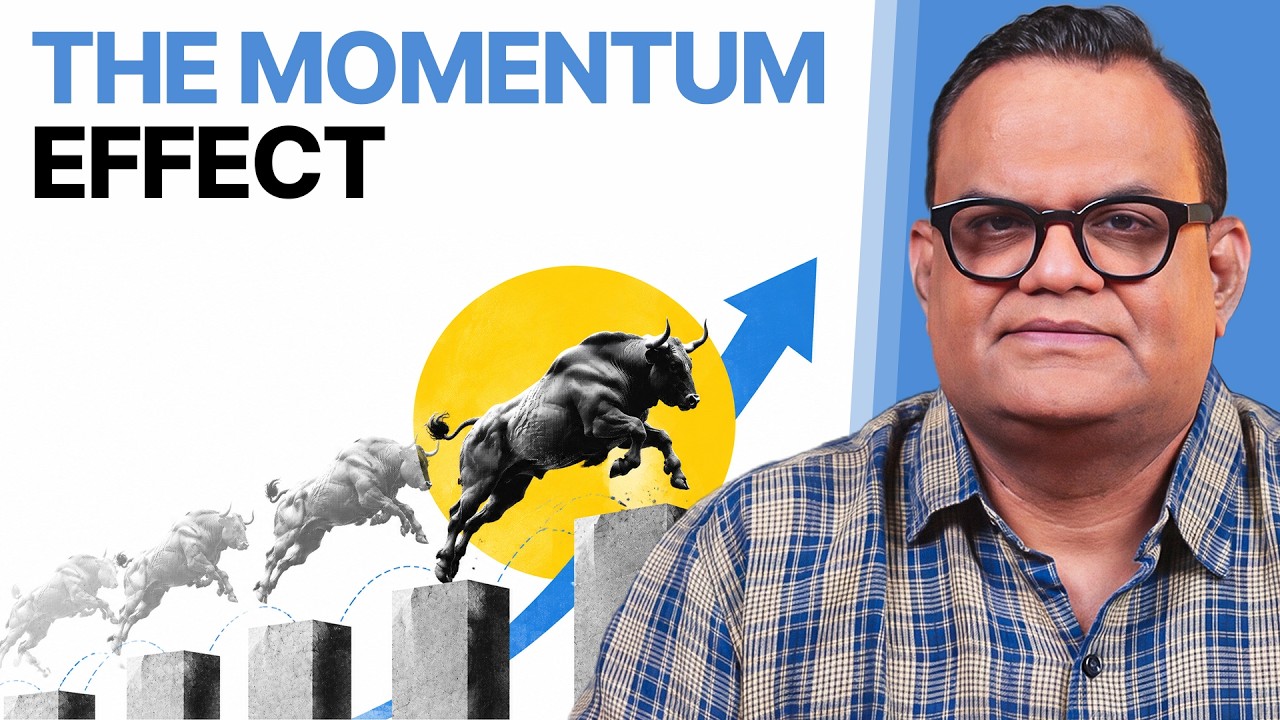
- Momentum is crucial for sustained progress, and frequent resets from distractions cause loss of momentum and identity damage.
- Understanding addiction to stimulation helps create an identity shift towards enjoying hard work and consistency.
- The dopamine detox protocol includes removing triggers, starting with low dopamine habits, and delaying high dopamine rewards.
- Journaling and goal setting are key tools to maintain focus and track progress.
- The video stresses the importance of community support, such as joining Discipline OS, for accountability and growth.
- The overall goal is to regain control over your life by breaking free from dopamine-driven distractions and building lasting habits.
Chapters
- 00:00Introduction and chasing real dopamine
- 01:34Understanding dopamine and its role
- 03:28Addiction to stimulation and identity shift
- 06:32The hidden cost of fake dopamine and momentum loss
- 07:17Importance of identity in building your dream life
- 09:05Commitment to quitting distractions and joining community
- 10:06Practical dopamine detox protocol overview
- 12:00Step-by-step dopamine detox habits and journaling
- 13:57Regaining control and final thoughts
Full Transcript — Download SRT & Markdown
Speaker A
Chase real dopamine. Do the work you've been avoiding. Go for a run. Go outside. Talk to a friend.
Speaker A
Eat a good meal. Train your body. Read a book. Put your thoughts on paper. Cook something nice. Chase real dopamine.
Speaker A
There are so many things you could be doing right now that are actually good for you. But instead, you choose to scroll to entertain yourself and to pursue pleasure instead of purpose. And that is the process of chasing fake
Speaker A
dopamine versus real dopamine. But the thing is, if only you trained your dopamine system to actually start enjoying real dopamine, enjoying the things that are natural, then you'd enjoy the reading just as much as the scrolling. You'd enjoy the walks just as
Speaker A
much as the video games. You'd enjoy the journaling just as much as the movies.
Speaker A
So, this is how you can stop wasting your life with the full dopamine detox protocol that I'm about to give you.
Speaker A
This includes everything from the strategies and the systems that have worked for myself and many others inside Discipline OS, which is our private community. I'll talk more about that later. Anyway, it starts here, so get comfortable. Sit in your chair, relax,
Speaker A
and put this video on full screen to train focus. So, this is going to be a five-part blueprint. And if you want to see real change in your own life, then you're going to have to watch the whole
Speaker A
video because each part only makes sense with the previous one. Anyway, the parts, they build on top of each other, and that's what makes them important.
Speaker A
Anyway, let's begin. Part one, understanding dopamine. So, dopamine is the neurotransmitter that is responsible for feeling like doing the work, for actually being motivated, being driven.
Speaker A
And people mistake the dopamine system for actually something like a pleasure reward system, where in reality it's more like a desire reward system.
Speaker A
Meaning that dopamine actually spikes in anticipation of the reward and less when you actually get the reward. I'm going to quickly explain the difference in having an unregulated reward system versus having a regulated reward system.
Speaker A
Now, if your dopamine system is unregulated, you're going to experience things like just feeling unmotivated, feeling like you have this brain fog.
Speaker A
You're confused. There's no clarity in your life. You kind of know what you have to do, but it doesn't feel You don't feel like doing it. And those are pretty much the symptoms of having an unregulated reward system, of having
Speaker A
this all this dopamine just being flooded into your mind without actually controlling where you're getting your dopamine from. Now, you could get your dopamine from reading or journaling or exercising, talking to people, spending time outside, or you could get your
Speaker A
dopamine from video games, entertainment, movies, and all these things that are going to overstimulate you. It is really this balance between motivation and pleasure, and that is what dopamine is all about. Dopamine is about controlling artificial overstimulation so that you can find a
Speaker A
nice balance between actually doing the things that you love and also loving the things that you do. Because the truth is, scrolling, gaming, and all these things, they have a huge hold on us because of the comfort effect. You see,
Speaker A
comfort is one of the strongest pulls of the animal mind, the brain, whatever you want to call it. You can even call it the lower self. There is a part of your brain, some people even call this the
Speaker A
monkey mind, that is just attached to feeling good, feeling safe, feeling nice, this pleasure. And that's not the part of your brain that is going to make you successful and going to help you actually achieve your goals. Now, that
Speaker A
takes me to part number two, addiction to stimulation. Now, I want two things from you. Number one is understand why you are hooked to these things. You know why is it that you find yourself spending more time on your phone than you'd like
Speaker A
to? Why is it that you just find yourself doing things that you don't really want to do? Why is it that you find yourself overstimulated every single day?
Speaker A
Everything has a reason. Everything has a cause. And it's all about understanding yourself, why you do what you do, and creating this this identity shift. Now, we're going from that place of being overstimulated, doing only the things that make us feel good, to going
Speaker A
to a place where we enjoy everything that is going to get us to the next step. You know, the hard work becomes play. Everything becomes easy. Doing the work, showing up, being consistent, doing the gym, the exercise, all the
Speaker A
things that are going to make you proud of yourself when you look back in the mirror two years from now. That's just what we want to do. That's what we want to achieve. That is the pinnacle of self-mastery and becoming the person you
Speaker A
want to become. And achieving all of your goals and becoming the best version of yourself. That is only possible when you love the work that you do. When you fall in love with the process. When you fall in love with the habits. When you
Speaker A
fall in love with doing the things you need to do to get to the next step. Because as long as you see the things you have to do as something negative, as something bad, as something that you can't be asked to do,
Speaker A
something unbearable, it is so boring, then you're never going to be able to stick with these things for the long term. So, right now, there are two versions of current version of you still derives pleasure from feel-good habits, from the
Speaker A
bad habits, from dopamine habits, from entertainment, etc., etc. But the future version of you, the one that has the life that you want, that version of you is going to learn how to rewire their brain and their mind in order to
Speaker A
actually derive pleasure from only the things that are going to get them to the next step. So, what that actually means is the future version of yourself that is where you want to be, that person loves the work. And in fact, the work is
Speaker A
just as fun and just as enjoyable as scrolling once was. The reading is just as enjoyable as the movie once was. If you're unable to detach yourself from the bad habits and attach your mind to the good habits, you're always going to
Speaker A
struggle to be consistent. You're always going to fall back into the same place that has been holding you back this whole time. Now, before we move on to the actual practical protocol, you might have noticed this part, part one and
Speaker A
part two, is a little bit more theoretical, but it is crucial before we move on to the practical part. And before that, I want to discuss the hidden cost of fake dopamine. Now, this includes momentum loss, identity damage,
Speaker A
and many other things. For example, we all know the beauty of momentum, the art of momentum. When you're just on such a good streak, you're so motivated, you're so disciplined, that it's hard to slip up. It's hard to go back to your old
Speaker A
ways because the truth is, your momentum is just carrying you. And it gets to a point where you have so much momentum that it would take even more energy to stop than to keep going.
Speaker A
And that's the point we want to be in. That's the point we want to get to.
Speaker A
Because if you have all of that momentum, then you don't need to constantly press gas. You can just relax. You can just take a step back and let your life actually flow. But the reason this is actually so hard is
Speaker A
simply because we've trained our minds to just reset our progress, to reset our momentum every single time. It's the same thing as just bouncing between different business models. If you stuck to a single business model, a single thing,
Speaker A
and you just did that for five years, you did one single thing, your progress would just stack and stack and stack and compound. But if you're just constantly jumping from one thing to the next to the next, what actually happens is you
Speaker A
just keep You keep re-resetting your progress. Your The bar just keeps going down. And that's why we want to avoid momentum loss. We want to just make sure that our momentum compounds, our pro
Speaker A
we don't have to keep resetting and starting from scratch every single time. Now, another thing is identity damage.
Speaker A
We have to understand that identity is one of the crucial components to building your life and your dream life.
Speaker A
There are all these movie characters like Batman, Superman, Bruce Wayne, James Bond, and all of these kind of identities. And the moment you start to see yourself in a certain way, you start to take the actions that align with that
Speaker A
vision. And why that is so important is because everybody has an identity. Whether you like to believe it or not, you see yourself a certain way. You have certain beliefs, certain identity frames that are either holding you back or
Speaker A
actually getting you to your dream life. Now, what we want to do here is we really want to identity shift. We do not The last thing we want is for our identities to be the thing that is holding us back, to be the thing that
Speaker A
is, you know, the reason why we keep slipping up. We keep doing the bad habit that we said 100 times, we wrote it down 100 times, I'm going to stop doing this.
Speaker A
I'm going to quit cold turkey. I'm going to stop wasting my time. I'm going to stop procrastinating, scrolling for hours, doing this, being so obsessed with the things that are not going to get me to where I want to go. No matter
Speaker A
how many times you tell yourself, "I'm going to stop. I'm going to stop the lust. I'm going to stop the video games." it's always going to keep coming back again and again and again until you change your identity. And the way you
Speaker A
change your identity is by going on a full dopamine detox protocol. And that takes me to part number three. That is the detox protocol that I was talking about. And phase number one is awareness. So, I'm going to give you the
Speaker A
rules and the instructions of this dopamine detox protocol so you can follow along. And just to let you know, this is something we do as a weekly challenge inside discipline OS, which is our private community. And you can do
Speaker A
this alone, but it honestly really helps doing stuff like this in a community, in a common environment where everybody is just supporting each other. You have this healthy competition, and you just You're just getting better and better and better. So, do this alone if you
Speaker A
want. But if you want to take things seriously, then you're going to need a community. You want to join somebody else's, you want to join discipline OS, that's up to you. So, the way this goes, I'm going to explain this quite simply,
Speaker A
is let's say I sleep at 11:00 p.m. and I wake up at 8:00 a.m. That is 9 hours of sleep. And dopamine detoxing is just the time you spent not on a screen, not stimulating yourself. And sleep definitely falls over there. So, these 9
Speaker A
hours that I was asleep, that counts as my dopamine detox. So, I'm giving myself a head start so that when I start, when I wake up, I just have to continue this.
Speaker A
I just have to go another 3 hours, another 4, 5 hours without stimulation. And that includes no phone, no screens, no technology, no entertainment, just no stimulation, no dopamine activities. And what you can do instead is do things that are naturally
Speaker A
dopamine spiking. This includes reading, this includes working, this includes walking writing journaling stepping outside, going for a run, exercising.
Speaker A
And I know I know this sounds boring, but if you really have big goals, if you really have big ambitions, and you want to get somewhere, then you're going to have to do this, and it's not it's not
Speaker A
forever. It is temporary, just for 7 days, but the rewards are amazing. You're going to feel so clear, you're going to feel amazing, you're going to feel super sharp, and almost like you you hit a reset button on your life. And the
Speaker A
beauty here is it's just this feeling of excitement. You start to enjoy everything. You start to enjoy the deep work, you start to enjoy the exercise, you start to actually find pleasure in all of the things that you have to do.
Speaker A
And that is the turning point. So, phase two is environment engineering. This includes optimizing every single little thing about your environment in order for you to be able to be in the place where you can separate real dopamine and
Speaker A
fake dopamine. What I mean is if your environment is just sabotaging you, you know, your phone is right next to you, and it's keeps buzzing, keeps the the notifications just keep coming, then how do you expect to focus? How do you
Speaker A
expect to to rewire your dopamine? So, you need to remove physical temptations, remove any triggers, any cues, and and make it easier for yourself to just stay away from high dopamine things. If that means that creating friction and having
Speaker A
all the apps deleted off your phone, for example, you don't have to delete YouTube. I think YouTube is a good place to actually learn things that are going to help you get to the next step. I'm talking about other things, other apps
Speaker A
that are really distracting you. It's just going to make it that much easier to stay away from them. So, make friction your best friend. So, if you make the distractions very very hard to access, this this is going to mean no
Speaker A
distractions. And if you make the good habits super accessible, this is going to mean more good habits. So, you can actually strategically place friction between you and a bad habit, so it's just going to make it harder for you to
Speaker A
do that. And you can remove friction between you and a good habit, which is going to make it easier for you to actually do more of the good habits. And phase number three is rebuilding your reward system. So, we want to approach
Speaker A
this just like you would approach walking up these stairs. We want to go step by step by step, and increase the intensity along the way. So, we want to start with low dopamine habits, which is walking, stretching, you know, cleaning
Speaker A
your house, cleaning your environment, your desk, and rebuilding your mind. And then we want to add medium dopamine habits such as reading, skill learning, and long-form work. And then finally, phase number four, daily dopamine management. Now, the morning protocol,
Speaker A
no phone right after you wake up. You want quick sunlight and an intentional plan of what you're going to do throughout the day. And then the midday reset involves walking, taking a short walk, leaving some room for meditation,
Speaker A
breathwork, you know, allowing yourself to just create space for good things to happen, and eating lunch without a phone, without a screen, pushing off all the dopamine to later in the day so that it becomes a reward system. It's called
Speaker A
a reward system because you reward yourself for effort and hard work. And the last thing that we want is to bring the dopamine habits, the high dopamine things, earlier into the day because that's going to replace the reward and
Speaker A
make the dopamine the default, which is terrible. Instead, you want to push all the dopamine activities further and further into the day so that you do the hard work first, and then you reward yourself later. And now, the evening wind-down, no screens last 1
Speaker A
to 2 hours before you go to bed, wear some blue light blockers if that helps you, and the nighttime is all about winding down, you know, taking a bit of space and a bit of time to just reset,
Speaker A
to reset your dopamine, rebuild your reward system, reflect, journal, think about what you're going to do the next day, read a book, meditate, and sleep.
Speaker A
And all of the things that are just low dopamine. Now, part four is the identity shift. This is all about becoming the person who chooses real rewards, and rewiring your self-image so that you don't have to chase after habits and the
Speaker A
dopamine detox protocol, but you actually use your identity for your own growth. You become the person who does these things, and that's why they become easier and easier and easier to do and follow through. Now, the long-term vision for all of us is freedom, and
Speaker A
fulfillment. You got to take out your journal, man, and just write down who you want to become. Write down all of your goals, write down everything that you want to do, all the things you want to do. And the reason why you waste your
Speaker A
potential and you feel like you're wasting your life is simply because there are no systems in place. You don't have true intention on where you want to go, and that starts with setting intentions, with writing down.
Speaker A
Journaling is Journaling is an amazing practice that brings in clarity into your life, it allows you to to think better, it allows you to speak better, and to become a better person. Now, rewiring your self-image, locking in the
Speaker A
long-term vision, and doing the dopamine detox protocol, that is going to get you to the next step. So, the whole point of identity shifting is becoming that person, rewiring your self-image so you don't have to chase freedom, and freedom
Speaker A
is actually a byproduct of who you are. Now, if you can do that, then everything else becomes easier, you're able to do the dopamine detox protocol and follow through and rebuild your life, rebuild your reward system, and finally feel
Speaker A
like for once in your life you're in control, and you're not burdened by your thoughts, by your routines, and your old ways, and the bad habits. Now, if you're interested in gaining back full control over your life by breaking down human
Speaker A
patterns, building discipline, and surrounding yourself with a community of people who are driven, ambitious, and just want to get to the next step. Now, if that sounds like you, check out my school community, click the link in the
Speaker A
description to gain access. So, I'll see you inside. Take care, and you got this.
Topics:dopamine detoxmotivationself-disciplinehabit buildingproductivitydopamine systemaddiction to stimulationmomentumfocus trainingDan Zakaria


![[YTP] JORDAN’S LAST STAND (SUPERCUT) — Transcript](https://i.ytimg.com/vi/ioyaZ39gV5I/maxresdefault.jpg)
![[YTP] OOPS, ALL RATS! (SUPERCUT) — Transcript](https://i.ytimg.com/vi/Wl-xtUEGjOI/maxresdefault.jpg)