Skip to content

How I Keep My $131,230/mo Roblox Game Alive (Live Ops Tutorial)

Learn how Tizzy RBLX keeps his $131K/month Roblox game alive using live ops strategies, data-driven updates, and player engagement.

Ask about this video. Answers come from its transcript only — with the timestamp, so you can check them.

Generated from the transcript and can be wrong — check the timestamp.

Key Takeaways

  • Player feedback is crucial for live ops success; listen and respond to your community.
  • Separate patches (frequent fixes) from updates (intentional content changes) to maintain game health.
  • Use a combination of qualitative, quantitative, and competitor data to guide development decisions.
  • Emotional investment through game design increases player retention via the sunk cost fallacy.
  • Active community engagement and a dedicated live ops team improve long-term game viability.

What the video covers

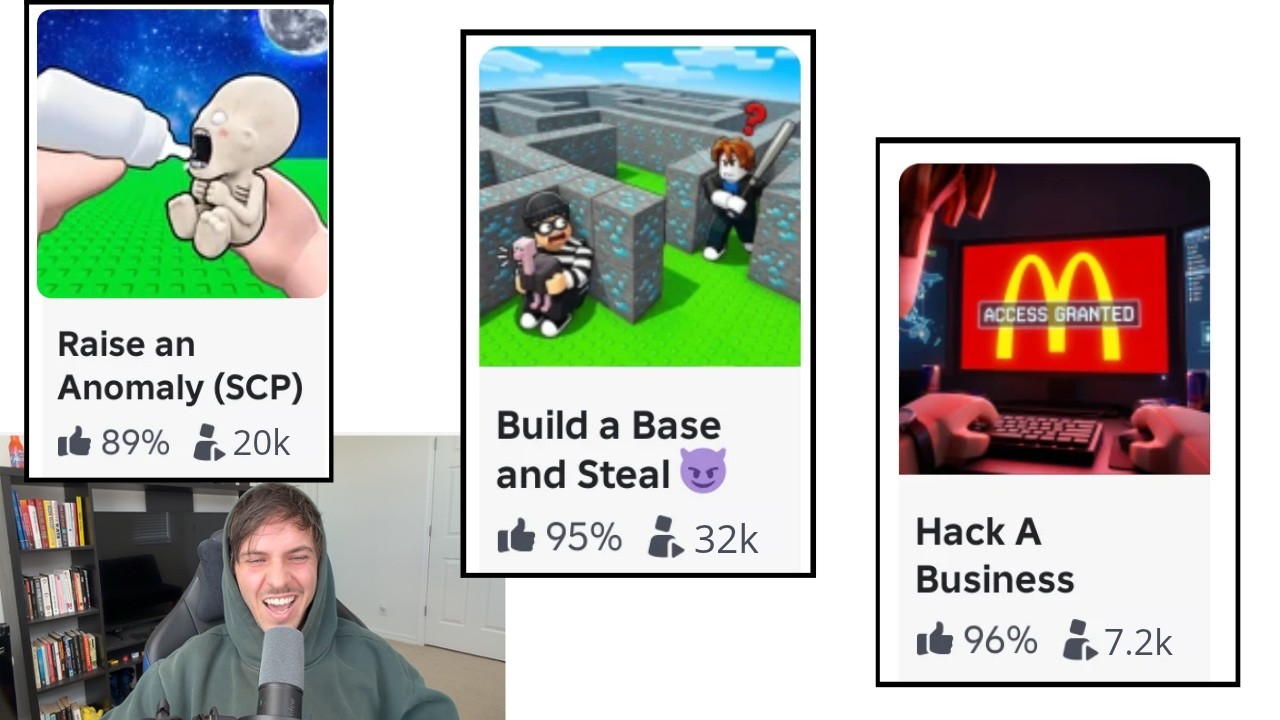
  • Tizzy shares his experience managing live ops for his successful Roblox game 'Build a Base and Steal' generating $131K/month.
  • He emphasizes the importance of valuing player feedback, stating 'the customer is always right' with some exceptions.
  • Live ops consist of two main activities: frequent patches for bug fixes and exploits, and regular updates targeting player metrics.
  • Three main data sources guide update decisions: qualitative data (player feedback), quantitative data (game metrics), and competitor research.
  • Qualitative data is gathered from Discord bug reports, community forums, and the Roblox creator dashboard feedback tab.
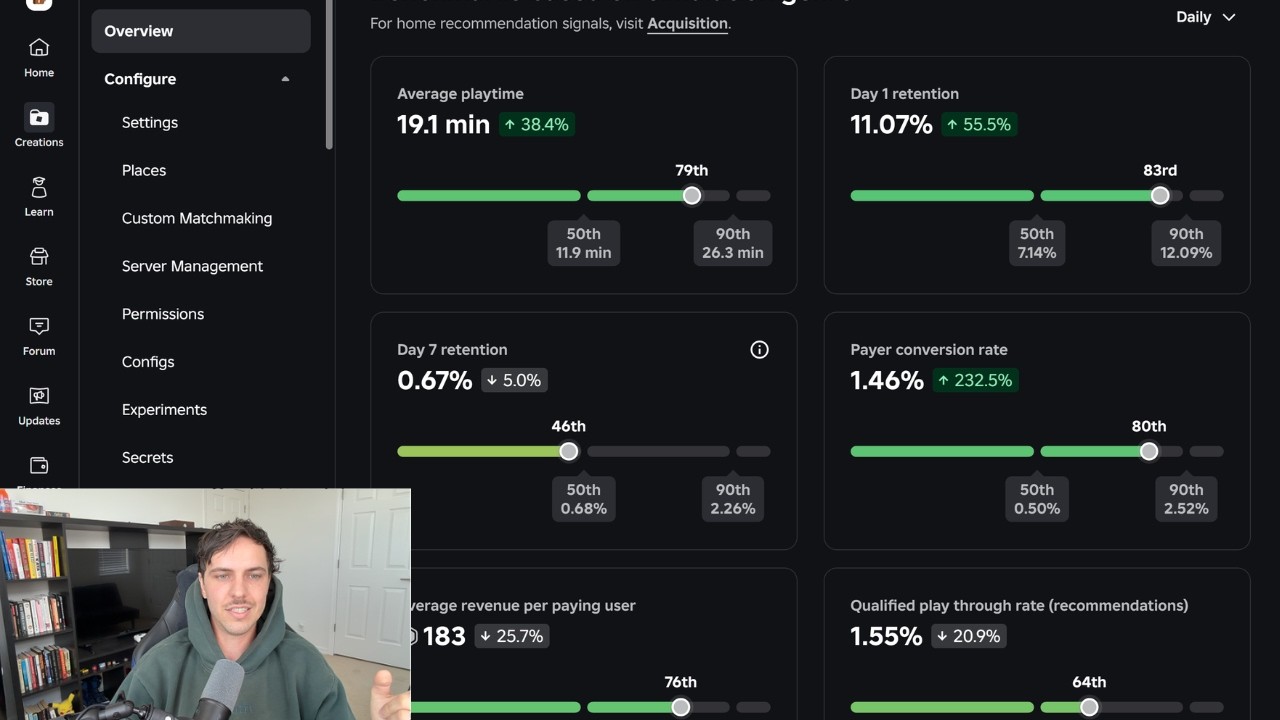
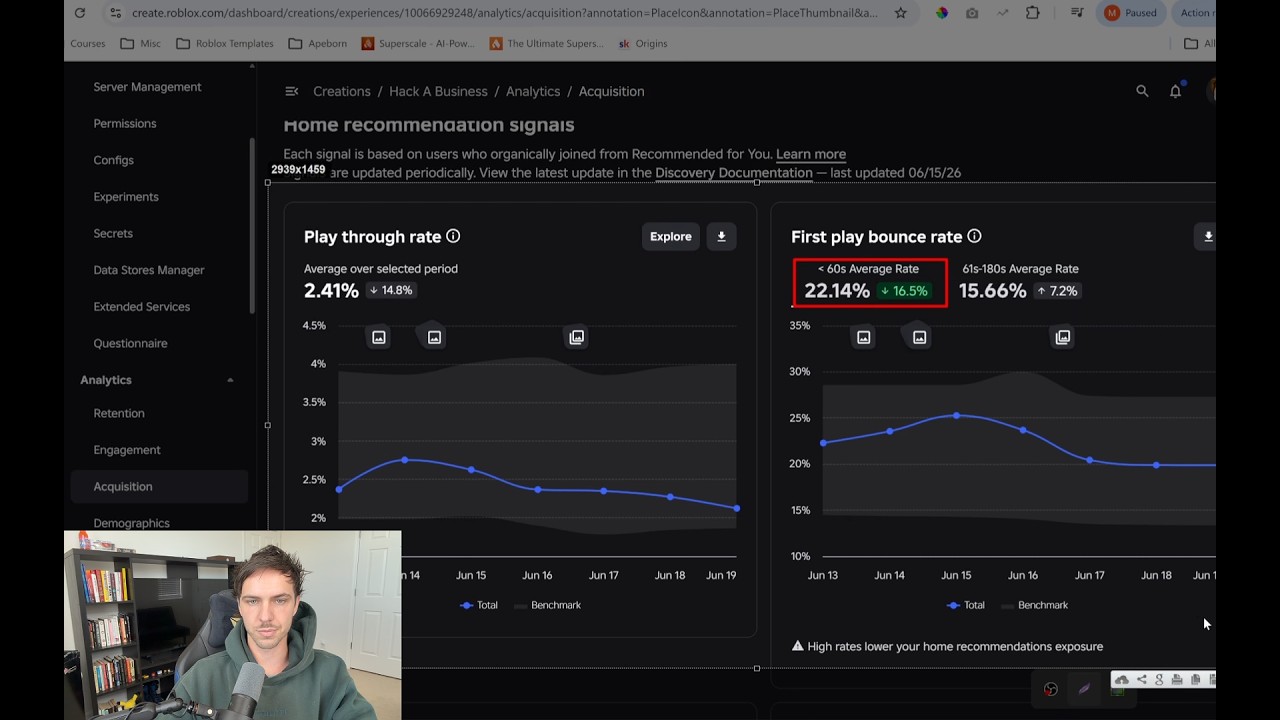
  • Quantitative data focuses on key metrics like play days per user, play bounce rate, and playtime per user to improve retention and engagement.
  • Tizzy explains the sunk cost fallacy as a retention strategy, encouraging emotional investment in player progress.
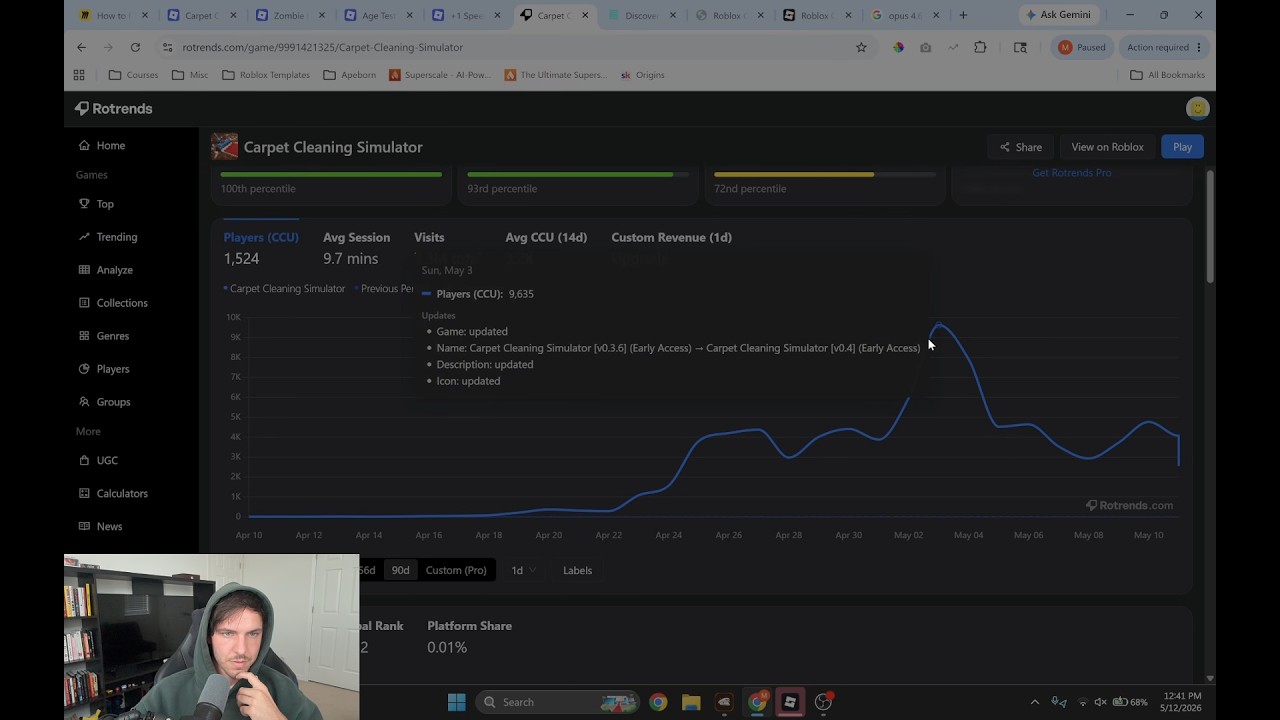
  • Competitor research helps identify successful features and player preferences in similar games to inform updates.
  • Active community management and hiring a dedicated live ops team are recommended for sustained game success.
  • Tizzy warns against making games overly pay-to-win and stresses balancing monetization with player satisfaction.

Answers

Questions about this video

What are the two main types of live ops activities mentioned?

The two main live ops activities are patches, which are frequent fixes for bugs and exploits, and updates, which are intentional content changes usually released weekly or bi-weekly.

How does Tizzy use player feedback in managing his game?

Tizzy gathers qualitative data from Discord bug reports, community forums, and the Roblox feedback tab to understand player opinions and prioritize updates.

What is the sunk cost fallacy and how is it applied in game retention?

The sunk cost fallacy is when players continue investing time because they've already spent effort or resources. Tizzy uses this by encouraging emotional investment in base building to increase retention.

Full Transcript — Download SRT & Markdown

00:00
Speaker A
How I keep my $131,000 month Roblox game alive, aka how to live ops based on what I've learned so far.
00:10
Speaker A
All right, am I an expert at this [ __ ]? I don't know, man. This is my first big game. Okay, then this is what I've learned about live ops so far. So, without further ado, let's dive straight
00:19
Speaker A
in. If you're new here, here's a little bit of proof 'cause I know unfortunately I have to do this at the beginning of every video for people that are new 'cause they think I'm probably just [ __ ]
00:26
Speaker A
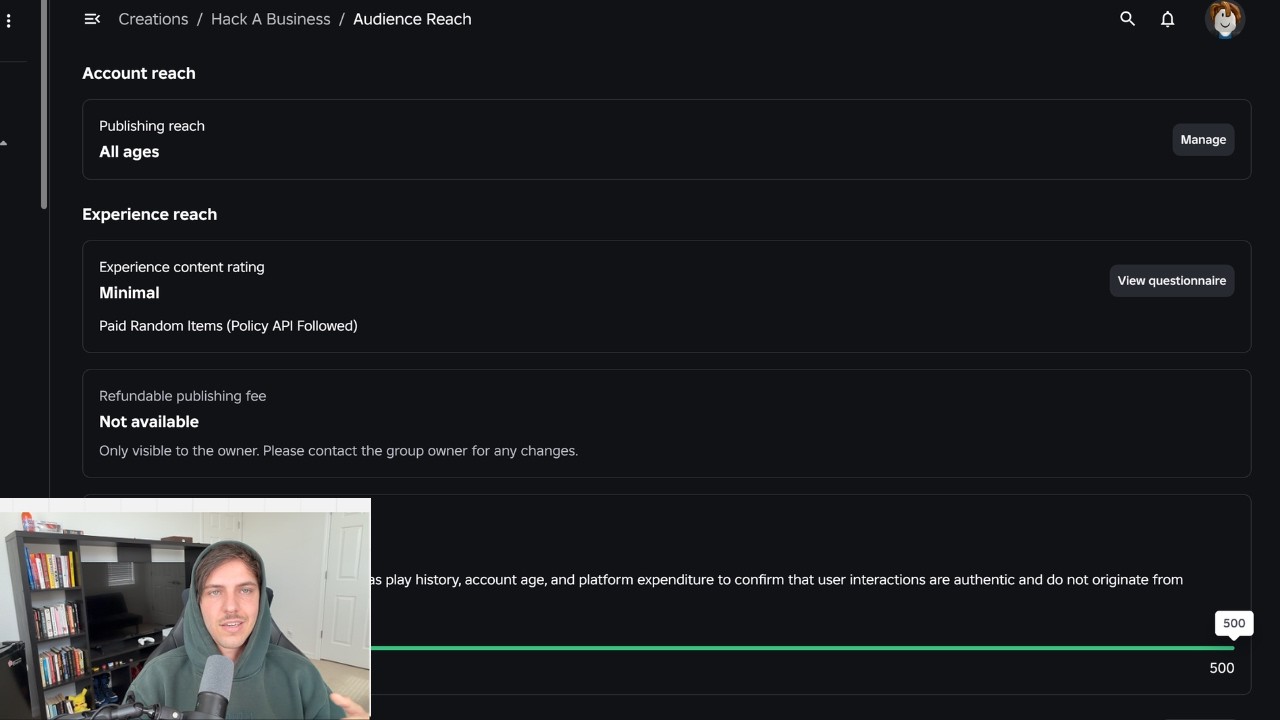
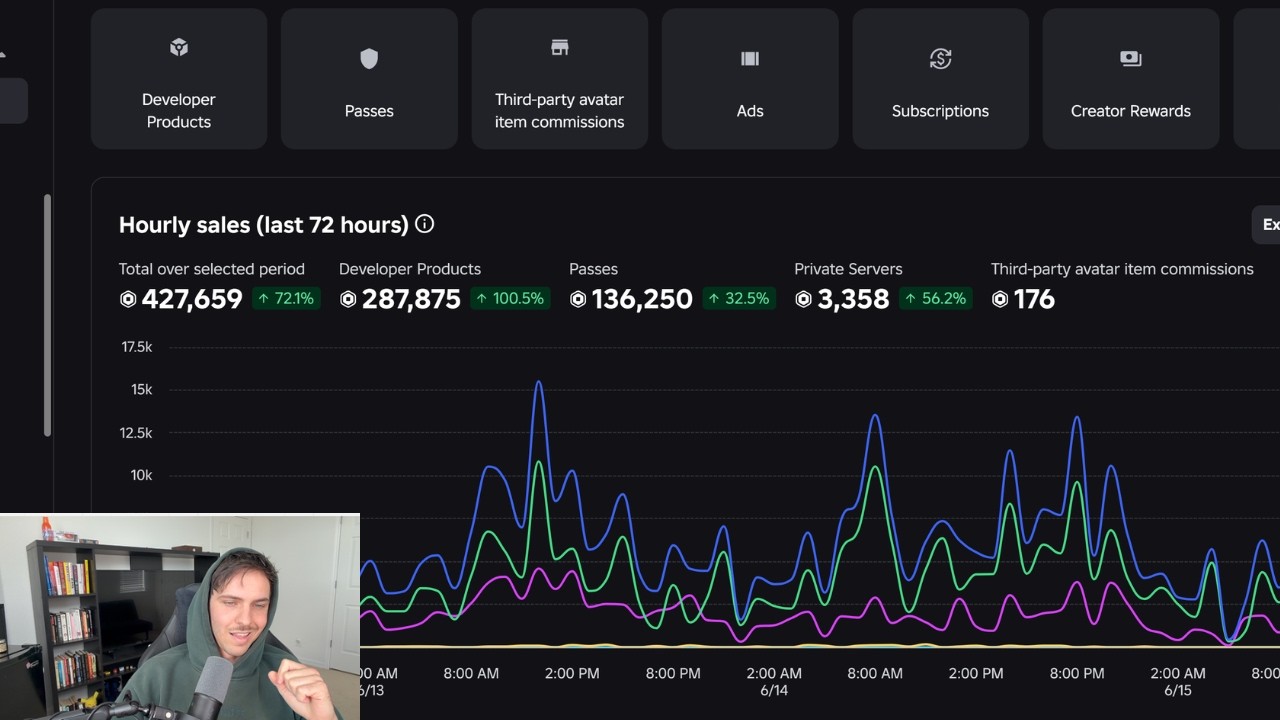
laring. Here's my game, Build a Base and Steal. But you can see 21K CCU. All right. Game made this much Robux in the last 72. I'll show you. Okay. I'm a co-owner of this game. I'm not the only
00:38
Speaker A
owner of this game. I have a business partner. Okay. [snorts] This is how much Robux we made the last 72 hours, which is around, you know, 13K every 3 days, which is Yeah, that's how much money that is a month. Okay, cool. Now that
00:50
Speaker A
that's done with, let's get into what I've learned about live ops so far. The number one thing, and this is a classic [ __ ] saying in business, dude, is that the customer is always right. I see so many scenarios where a dev will have
01:04
Speaker A
a game that's blowing up. They'll partner with the studio. The studio will milk the game for everything it's worth in terms of monetization. Make it super pay to win, not listen to the player base, make a bag, and dip, and the game
01:17
Speaker A
dies. Okay. My mindset, not just in Roblox, but with any business I've ever run, is that the customer is always right. In this case, it's the player is always right. Usually, [laughter] let me add [gasps] usually, right? Because sometimes some
01:31
Speaker A
kids say some crazy stuff that they want added to the game that should be out of the game. Okay, so let's let's break down live ops, guys. From what I've come to learn, there's really kind of two things that you're doing once your game
01:42
Speaker A
is kind of already popping. The first is you're launching patches, okay? And the second is you're launching updates.
01:48
Speaker A
These are two separate things. Okay, a patch is something you can launch frequently. This is, you know, you're fixing bugs, glitches, exploits, uh maybe a nerf, maybe a buff, improving monetization, and you can launch these on the fly, okay? You do not need to
02:04
Speaker A
wait a week to do these types of things, okay? If there's a game-breaking bug, or in our case for our game, we had some exploits, right? We had to implement antiche day of. We can't wait until a Saturday update to freaking push out an
02:18
Speaker A
antiche hot fix. Patches you can launch daily. Second thing is your updates. Okay, these are going to be usually weekly, eventually bi-weekly. And with these updates, you're targeting specific metrics for home wrecks, which we're going to get into. And they should be
02:36
Speaker A
very intentional. Basically, your updates should take player feedback, make your player happier, make the game better, while also targeting specific metrics. I'm going to show you how we're going to do that. So, if you've been on my channel for a while, it's not going
02:54
Speaker A
to be news to you. How do we actually plan what we should update in our game or what we should patch in our game?
03:00
Speaker A
Well, there are three main data sources. There's actually a fourth which I'll get into towards the end of the video. But there is something called qualitative data. Okay? There's something called quantitative data. And then there is of course competitor research. You use
03:16
Speaker A
these three pieces of data to make an informed decision on what you should update in your game. What is qualitative data? Qualitative data is descriptive non-numerical information that captures qualities, characteristics, opinions, and visual or spoken experiences. Okay, basically the voice
03:35
Speaker A
of your player. Okay, so you go in Discord here. You see we have bug reports. That's pretty straightforward.
03:42
Speaker A
If you don't have that in your Discord, bro, what are you doing? Getting that in your Discord for your game. Okay, you have the community forum on your group page, right? This is where kids are leaving feedback. And then you have the
03:54
Speaker A
feedback tab. The main thing I want to point out is you kind of have three different types of players here. Three different buckets in Discord. These are your sweats. Okay, this is what's called your core. Usually, these are the kids
04:07
Speaker A
that are grinding the crap out of the game. Usually, okay, on the community forum, this is usually, from what I've seen, younger demographic. They always complain. There's never usually anything good to say in this community forum for the most part. And then the feedback
04:22
Speaker A
tab. This is actually in your creator dashboard. If you go down here to feedback, surprisingly, not a lot of people know this. You can go here and click see full report and it will give you an AI summary of what your players
04:35
Speaker A
are saying. So, for example, gameplay mechanics, players enjoy the game's building and stealing mechanics, finding them engaging. Okay. Critical feedback, base security, stealing mechanics, bug issues. Okay. Now, what I do because I'm the producer for this game is I will
04:51
Speaker A
look at these three data sources, okay? And I will go to my business partner, who is the developer, and I will plan out an update based on what I think is priority, okay? But I don't stop just with qualitative data. I'll also look at
05:06
Speaker A
quantitative data because I want to make an update that the players enjoy, but also the algorithm enjoys, right? That's the win-win, dude. So we look at here we go to acquisition home rex go last seven days. Okay. And I'll look at this data.
05:25
Speaker A
And this really comes down to game design. So for example, let's say I want to target play days per user. Okay?
05:33
Speaker A
Because I'm looking at this stat. I'm like, okay, how can I get this up?
05:36
Speaker A
Currently, I think our play days per user is high because if you've seen previous videos, kids spend a lot of time investing, building their base.
05:43
Speaker A
Something we added to increase this is a build mode. Now players that can't afford a private server, they can actually build their base in peace.
05:53
Speaker A
Okay? Then they can come back to a public server and now they have a better base. They're not getting wrecked immediately. This is mainly for our new players. There's something called the sunk cost fallacy and I think this is
06:03
Speaker A
overlooked is for retention based on just what I've seen so far and now it's different for every genre, but you want emotional investment into whatever progress they've made. So there's something called the sunk cost fallacy.
06:14
Speaker A
What is it? Sunk cost fallacy is a thinking error where you keep doing something because you already spent time, money, or effort on it even when stopping is the best choice. Okay, imagine a kid spends six hours in a day
06:25
Speaker A
building a base. Maybe the game, you know, maybe he's already unlocked all the pets, but he already has such a cool base he keeps playing. Okay, just an example. This is only one little tiny piece of the puzzle, but I'm showing you
06:36
Speaker A
guys what you want to do is you want to look at which of these key metrics do you want to target for your update.
06:42
Speaker A
Okay, so first play bounce rate, right? This comes down to onboarding. You know, you want to confirm the title promise in the first 30 seconds. Again, freaking cut scenes. I've said that in so many videos. Play time per user. Okay, how do
06:56
Speaker A
we get this up? Random events and collection fantasy, right? Completing the index. And the index is tied to the events. So a lot of kids what they'll do is they'll AFK.
07:07
Speaker A
Okay? That really pumps our playtime. It works for our genre specifically. May not work for yours. You got to get creative with it. And if you're wondering, Tizzy, how do I know what's going to work for my genre? Well,
07:18
Speaker A
brother, that's where you do competitor research. Okay. At some point in your game's life cycle, you will start getting compared against experiences with similar players. What you're going to want to do, this is literally Gage's game here, too, is you want to go
07:33
Speaker A
through here. You want to play these games, and you want to figure out what do these games have.
07:43
Speaker A
of devs don't do is they get a big game and they just don't talk to their audience at all. Okay, if you go in our games Discord, you will see usually I'm quite active. Okay. So, there's something called a core audience. What
08:00
Speaker A
is a core? Okay. What is a core audience in gaming? A core audience in gaming is the dedicated, passionate group of players who play a specific game genre platform most frequently, invest the most time and money, and drive community
08:14
Speaker A
engagement. These are your diehard sweats, your loyal fans. In our game, bro, in our game's Discord, we have a specific forum. We have around eight to 10 play testers that are our core. These are our sweats. We love them to death.
08:31
Speaker A
We literally plan updates with these guys. We bounce ideas by them. We have them play test our updates before they're live. They give us feedback.
08:39
Speaker A
They help us refine these updates because these kids play the game more than me or Gage have ever played the game. Okay? and they really understand how the game works and what could improve the game. Now, of course, you
08:52
Speaker A
want to use your own discernment. You don't want to just implement every single suggestion they give because a lot of these kids, they're not game designers, okay? Just keep that in mind.
09:00
Speaker A
They are players. But this goes back to the philosophy where the customer is always right and the player is always right. Usually, okay, [laughter] the player is usually right. So, here's a hack you can do when doing competitor
09:14
Speaker A
research. you'll see that you know your core. This what I noticed for build a base and steel. I looked at the sweatiest kids in our discord and I looked at the server tag they were repping. Okay. And some of the server
09:28
Speaker A
tags they were repping were very interesting. One of them was bedwars, right? Some other kids in there were playing Grow a Garden. Some came from Steal the Brain Rod, right? It starts to give you insight into the other types of
09:39
Speaker A
games that your core is playing beyond just what Roblox says here. Okay, look at the Discord members in your games Discord and look at what server tags they are repping. Okay, here's another hack. Straight up ask them what other
09:57
Speaker A
games they used to play and study those. All right, I found this game just by talking to my core. It's called Base Raiders. Okay, it's dead now, but back then it had 92 million views. Right in 2018, I played this game and I asked
10:15
Speaker A
them what's their favorite aspects of this game. Okay, these are things a lot of developers I've noticed, have not been doing because I do pop in other games Discords just to see how they run and manage it. Okay, you guys want to
10:27
Speaker A
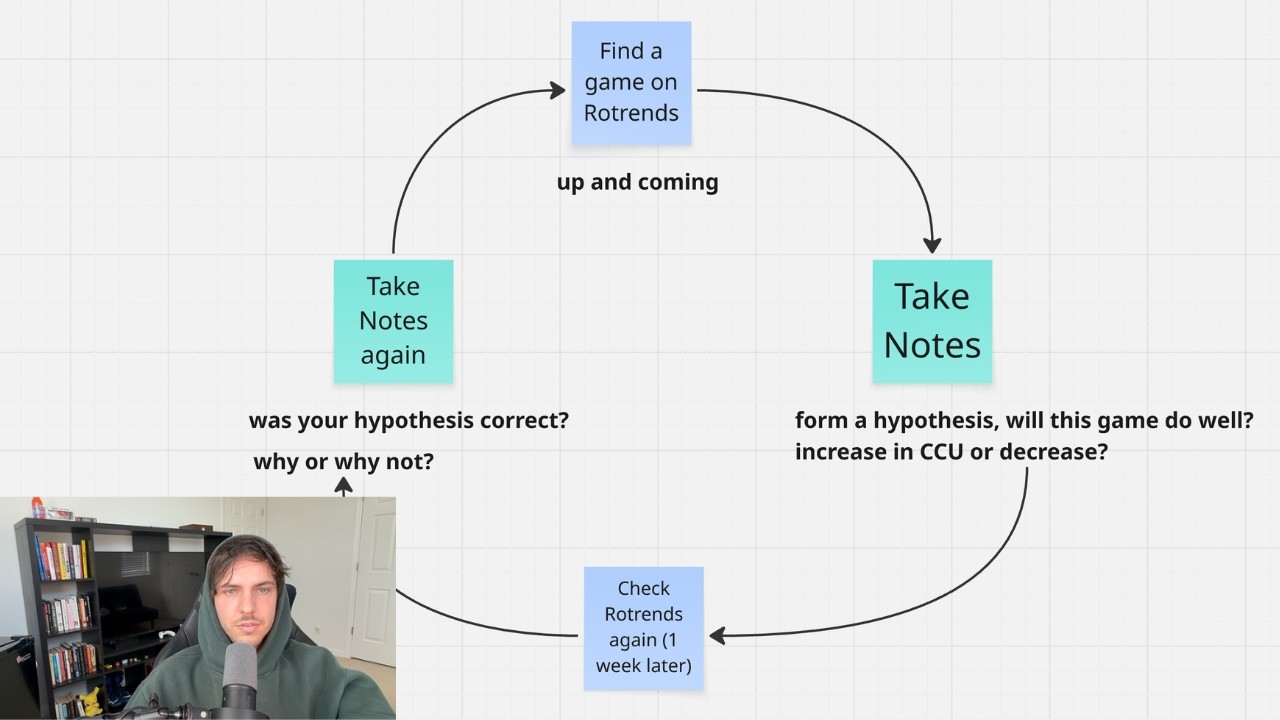
talk to your core? talk to your core. Okay, so we have qualitative data, we have quantitative data, we have competitor research, and you have to use your own discernment looking at all three of these things to decide what is
10:39
Speaker A
a worthy update that I should ship this week. All right, and that's basically the TLDDR of live ops. Now, there's a schedule, right? Usually for us, okay, we have the event slashupdate. It's Saturday. Okay. So, usually what we'll
10:58
Speaker A
do is that same day, okay, after the event, plan for next update. Okay. That's on Saturday.
11:07
Speaker A
And then by Sunday, me as the producer, project manager, I'm already getting our freelancers and contractors on it. Okay.
11:16
Speaker A
Assign work. We're starting to get it built. You know, we plan, I get it signed off by Gage. We assign the work.
11:22
Speaker A
And then basically Monday through Wednesday, you know, they're working, the team's working. I'm reviewing, bouncing ideas off them, checking in, refining the work. Maybe they need some feedback some on some things. And then Thursday, this is the ideal schedule. We
11:41
Speaker A
don't always hit this perfectly. Thursday, update is ready usually. And then by Friday, what we're doing is play testing. Okay? So this is internal play testing. So we'll do internal with just like me and gauge and then what we'll do
11:56
Speaker A
is we'll do play testing with our core. Okay, play test with the core. Okay, and then Saturday we launch the update. This is the cadence you want to look for.
12:09
Speaker A
Okay, is it a lot of work? Yeah, man. But usually you want to try to get ahead of the curve. Okay, this is definitely not ideal. There are devs that do live ops way better than me that plan
12:19
Speaker A
content, you know, months in advance. But this is currently what we're doing that is keeping us afloat. Okay? Is there better ways to do it? Absolutely, bro. Let me know in the comments below.
12:28
Speaker A
I'm sure there's tons of talented live ops devs that watch this channel. Okay. Now, what are the dos and don'ts of live ops? Here's what I've learned so far.
12:37
Speaker A
Just to wrap up this video. Do listen to your audience. Cannot stress this enough. Some devs will just freaking launch some [ __ ] and never even have it play tested. Maybe it's buggy. maybe doesn't actually do anything for their
12:51
Speaker A
game. Do talk to your audience. Get in Discord. This is not beneath you. Even if you're making, you know, the big bucks, it's not beneath you to go directly in your Discord and chat directly with your audience. Also, they
13:04
Speaker A
love it, bro. They get stoked when they see a developer active in the Discord.
13:07
Speaker A
Okay? I've gotten tons of compliments saying, "Hey, I've never seen a developer so active in a game's Discord." Even devs that have only one KCU aren't even that active from what I've heard. All right? Get active if you
13:17
Speaker A
can. If you're the dev, get your PM or producer to get active. Okay. Test updates before you launch. Pretty self-explanatory. Watch YouTubers play your game. Super underrated one for finding friction because when it comes to this qualitative data, guys, this is
13:33
Speaker A
just reading words on a screen what people are saying. But when you actually watch someone play your game, and I'm not talking about big YouTubers either, okay? This is what I'll do, bro. I'll go here. I'll type in build a base and
13:46
Speaker A
steel. Okay, I'll sort by posted today. Ideally, what I'm looking for is some 9-year-old kid that screen recorded this on his freaking iPad, bro. That's what I'm looking for. And I'm just looking, where is he getting stuck? Where is he
14:04
Speaker A
getting confused? And those are the type of YouTube videos I'm watching. Not necessarily just the big YouTubers, but I'm watching videos that have like 10 to 15 views, bro. recorded on an iPad where the kid is yapping over it. Okay. And
14:19
Speaker A
then this is huge. Hire a team that's incentivized to do great work. Okay. I've personally never partnered with a studio in Live Ops, but I haven't heard the best from a lot of people. There are some studios that are absolutely goated
14:29
Speaker A
at live ops. I'm still learning. So maybe one day I'll partner with a studio, but currently we hire internally for live ops. Okay. And then you want to focus on updates that extend your content, especially in today's modern
14:44
Speaker A
algorithm where Roblox accounts are D28. Okay. What are the don'ts? Don't prioritize monetization over gameplay.
14:54
Speaker A
All right. A lot of games die quick. I've heard horror stories of studios partnering with a game. They make it super pay to win and it dies instantly.
15:03
Speaker A
Okay. Prioritize gameplay over monetization for longevity. Ideally, you get the best of both worlds, right? You add some mono. That doesn't really hurt the core gameplay. It doesn't make it super pay to win. Now, don't do updates last second. Okay? You want it tested.
15:16
Speaker A
Don't try to please everyone, guys. No matter what you do, players are going to be pissed off. You could give them, like, in our game, we have rare pets. I could give every single player the rarest pet ever. That's really what
15:27
Speaker A
they're saying they want in the Discord, but if we give that to them, it's going to fry their economy. You have to use [laughter] you have to use discernment, okay, when planning these updates to not cook your game entirely. All right? Don't try to
15:40
Speaker A
implement every single community suggestion. Another thing that we do a lot is we have polls inside of our games Discord and we'll use that as a little source of data as well. And don't get lazy and never try to improve the game.
15:55
Speaker A
So many devs just kind of sit there and they're like, "Hey, we made it. game's making money. We don't have to touch it.
16:02
Speaker A
This is how games die. Okay. Now, again, be careful with hiring a big studio because from what I've heard, man, especially if they're a big studio, like your game is really just another number for them. Okay? And I think you're
16:15
Speaker A
better off if you have the resources just hiring an internal team that does live ops specifically. That's what we recently just did for build a base and steel. I will report back how it's going. But sometimes there is benefit to
16:30
Speaker A
hiring a big studio. So, use your own discernment. We'll just kind of delete this one for now. I'll probably update my thoughts if we do ever partner with a big studio. Okay. Don't push useless updates that don't create more
16:43
Speaker A
engagement. Okay. I've seen this a lot, especially on games that I've worked on. Sometimes we would just launch updates that really don't do anything for the game. like you just added one skin to the game, but it's like, "Okay, cool. No
16:56
Speaker A
one really cares. It's not really creating more engagement or more content." Now, that's enough yapping.
17:01
Speaker A
This has been a long video, guys. Hopefully, you got value from this. Quick shout out to the Tizzy Town Discord. Man, you guys have been cooking. We got Chris here. Just hit his first 10K CCU today. This guy just hit
17:12
Speaker A
his first 10K CCU. I mean, it's going nuts in here. Look at this D1. Look at this guy's play time. Boom. Boom. Boom.
17:20
Speaker A
CTR going wild. This guy's first 5 CCU. I mean, all wins of all sizes are celebrated in here. And this is the new wave. Look at this guy's stats, dude.
17:29
Speaker A
You guys have been crushing it, man. Super stoked for you. 1.9K. Boom. Right. Shout out to you guys. Much love. Hope to see you win next. Peace.
Topics:Robloxlive opsgame developmentplayer retentiongame updatespatchesgame monetizationcommunity managementdata-driven developmentBuild a Base and Steal

Get More with the SozAI App

Transcribe recordings, audio files, and YouTube videos — with AI summaries, speaker detection, and unlimited transcriptions.

Or transcribe another YouTube video here →