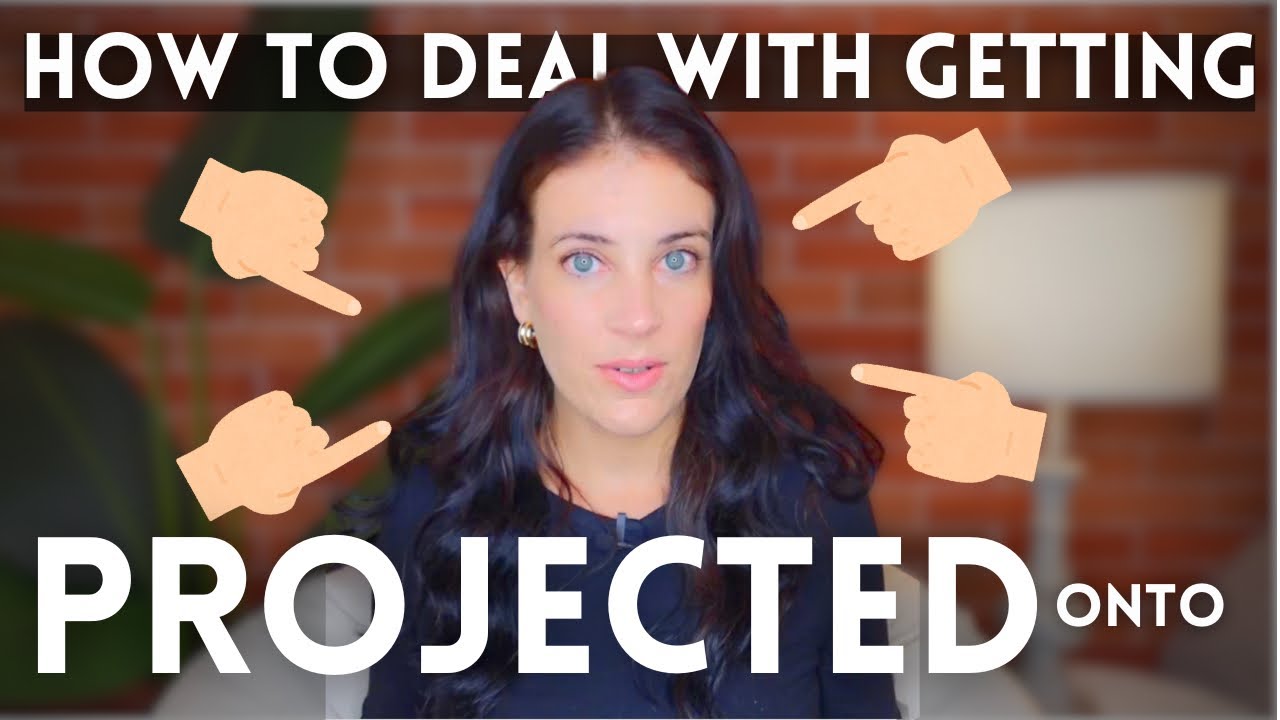
Heidi Priebe explores recovering from criticism-heavy relationships, why the inner critic persists after leaving, and how to reshape it.
Key Takeaways
- Leaving a criticism-heavy relationship doesn't automatically end the criticism; it often gets internalized as an inner critic.
- Being criticized does not mean you deserve contempt, even when you have made real mistakes.
- Evaluate feedback by asking whether it serves mutual growth or one person's need for change without vulnerability.
- Recovery means challenging the inner critic with honest, balanced perspective and redirecting it toward self-growth.
What the video covers
- Heidi Priebe addresses people who have left, or are still in, romantic or family relationships marked by heavy criticism.
- She argues that much leave-a-toxic-relationship content wrongly assumes leaving feels empowering, when criticism often gets internalized instead.
- Criticism from formative attachment figures can become an inner critic that keeps evaluating us against that person's standards.
- Her central point: having a critical attachment figure does not make it right that we deserve to be treated without dignity, even if we made mistakes.
- Healthy repair involves vulnerability: sharing how you were impacted. Unhealthy repair locates the problem in the other person and pressures them to change without admitting their own hurt.
- A key evaluative question is who the feedback serves: the growth of both people, or one person's behavior modification without vulnerability.
- People with insecure attachment often assume anything going wrong is their fault and that fixing themselves harder will restore connection.
- Recovery involves a wrestling match between the inner critic and the wish for the other person's approval, often prompting self-degradation to win back their favor.
- The subconscious mind, repeatedly told it is bad, looks for evidence to confirm it, so the inner critic must be lovingly challenged rather than fed false affirmations.
- The goal is to rightsize the inner critic, redirect it toward healthier self-actualization, focus on genuine strengths, and become the author of one's own perspective.
Chapters
- 00:00Introduction: Leaving Criticism-Heavy Relationships
- 02:18Why the Inner Critic Follows Us After Leaving
- 05:03The False Dichotomy: Deserving Criticism vs. Dignity
- 08:06Healthy vs. Unhealthy Repair and Vulnerability
- 10:18Who Does the Criticism Serve?
- 12:20Attachment Patterns and Self-Blame
- 16:40How the Subconscious Responds to Repeated Criticism
- 26:00Reshaping the Inner Critic and Building Self-Actualization
Full Transcript — Download SRT & Markdown
Speaker A
Hey guys, I'm Heidi Pribb. Welcome back to my channel or welcome if you're new here. Today on this channel, I want to talk about what it feels like to leave and recover from or honestly still be in a dynamic whether that is a family
Speaker A
relationship or a romantic relationship where there is a lot of criticism getting directed at us. And part of the reason I want to talk about this is because I see a lot of content out there that's oriented around leaving toxic or
Speaker A
unhealthy relationships with the kind of presupposition that it's going to feel really great and empowering. And I want to be super clear that if that is where we're at at the point that we leave one of those relationships, that's a great
Speaker A
thing. But very often I see something quite different patterning out which is people leaving relationships that have been very criticismheavy don't really leave that criticism at the door when the relationship ends. It gets internalized into this inner critic that
Speaker A
can follow us around and can actually leave us in this place of kind of watching our own lives through the highly critical lens of the person that we have left. or if we grew up inside of a family dynamic that was very very
Speaker A
criticism heavy. What we often do as we grow up is again have that inner critic online that follows us through life and is continuously evaluating us against the standards of the person who is most critical of us in our formative years.
Speaker A
And I believe that there is a completely logical reason why this happens. That does not mean that it's true that we ought to be treated without dignity or respect. In fact, I believe it's incredibly and deeply false. However,
Speaker A
our brains believing that we ought to be treated that way. And having this pattern of continuously scanning for what we are getting wrong is an incredibly normal response to being embedded in an attachment dynamic where criticism was how we stayed close to
Speaker A
someone. So, we're going to talk about how that patterns out, as well as how we can start to lovingly challenge that inner critic so that we're not telling it things that feel false, like I am perfect and do nothing wrong, but so
Speaker A
that we're able to kind of rightsize it and give it healthier jobs for ourselves. We can put that inner critic to work, helping us to self-actualize in a way that feels good to us.
Speaker A
So, we're going to start out from that point where maybe we have recently left a romantic relationship or another close connection, where the other person was incredibly critical of us, or if we're at a point where we're kind of
Speaker A
recognizing that this was the dynamic that was in play inside of our family of origin. The thing that we can get stuck in is that we can have this kind of false dichotomy that shows up where other people, if we're talking to people
Speaker A
who are a little bit more secure about the criticism in these dynamics, they're probably likely to give us some sort of advice that sounds like, well, that doesn't sound very nice, like that person shouldn't have been speaking to
Speaker A
you that way or that person should not have been treating you in a way that was so undignified. Maybe not in those exact words, right? But usually we're going to get something back in the realm of, "Oh, that shouldn't have happened." And what
Speaker A
our brains can be very quick to do is to pull up every instance where that person's criticisms of us were correct.
Speaker A
And then it can feel like we're kind of holding this secret like, okay, this person thinks I didn't deserve to be criticized, but from the inside, I know that actually I did do these things wrong and this person actually did point
Speaker A
them out to me. And so this person who's telling me that they shouldn't have criticized me is the one who's wrong because if they really knew what I was like, they would understand that that criticism made sense, right? So we can
Speaker A
put it into this dichotomy of if we did something wrong, we deserve ruthless and undignified criticism. And what we think the other person is saying is that hey, you actually probably didn't do anything wrong, so you didn't deserve that. When
Speaker A
in reality, what this person is much more likely to be saying, but not articulating this clearly, is even if you did do something wrong, you do not deserve to be treated as though you are unworthy of dignity.
Speaker A
In healthy relationships, people get things wrong. They make mistakes. They mess up. They are not perfect. They hurt their partners. And that still does not qualify them in the other person's eyes as worthy of being degraded and treated
Speaker A
with contempt and endless criticism. Healthy repair looks like somebody else letting you in on how they feel.
Speaker A
unhealthy repair or toxic repair looks like somebody else feeling hurt inside of themselves, not wanting to admit that and so locating the problem inside of you. So instead of offering you to come over and see what it's like for them,
Speaker A
they're kind of walling themselves off and they're going, "Hey, you are a bad person. You need to fix yourself." usually because they're wanting you to change and adapt your behavior so that it hurts them or triggers them less
Speaker A
without having to admit that they are hurt. Because for a lot of people who have certain forms of early wounding, admitting that they are hurt by somebody feels degrading. And so their unconscious mind kind of calculates if someone needs to be degraded in this
Speaker A
interaction, it should be the person who did the hurting, right? not realizing that actually there's nothing inherently degrading or wrong with admitting that we're hurt or that somebody affected us in a way that was painful. Unhealthy repair is often oriented around trying
Speaker A
to get someone to change their behavior without having to let them in on what it's like to be you in an honest way.
Speaker A
Right? It is very vulnerable to sit in front of another person and say, "Hey, I felt impacted and here's how by this thing that happened between us." Because what we are doing when we do that is we are giving the other person the
Speaker A
opportunity to either care about us or in some cases they might go actually I don't care about that. We might lose that person or we might lose the relationship that we want to have with them where they don't do those things
Speaker A
that hurt us. So letting someone in on the impact that they're having on us is a truly and genuinely vulnerable thing. Something that is much less vulnerable is criticizing someone and telling them all the ways that they are wrong or a bad
Speaker A
person. Because if we're locating the problem in them, we're not really giving them the opportunity to walk away from it, right? We're essentially, even if this is happening totally unconsciously, trying to force them by sort of holding hostage their self-concept into doing
Speaker A
what we want them to do because it's going to hurt us less if they stop doing it. Okay? And the reason I am really spending a lot of time on this point is because again when we are looking at
Speaker A
whether the way that someone is criticizing us is true or false. What it's more important to look at if we're inside of a dynamic that's not feeling healthy is who is this criticism serving the most. Is this person truly giving me
Speaker A
feedback that they think is going to help me grow? Or is the feedback predominantly oriented around them getting some form of behavior modification out of me without having to admit their own vulnerability? And we're going to keep this in mind as we go
Speaker A
through this video because how we start to filter out which feedback we should be really integrating and working with inside of ourselves versus which feedback might actually lead us to a less healthy place if we are to follow
Speaker A
it depends a lot on us being able to make this distinction. Is this feedback actually for the benefit and flourishing of both people in this connection? Or is it predominantly oriented in the direction of one person getting a change
Speaker A
they want out of the other without having to admit what's going on for them?
Speaker A
Now, there are a couple of different reasons why we might internalize or decide that it's okay and reasonable for someone to treat us this way if we get things wrong, which might be things like a we are insecurely attached. So, we
Speaker A
don't really know what healthy repair looks like, right? We could have either grown up in a very enshed family where it was kind of the norm to fingerpoint, call names, locate the problem inside of someone else when one person is upset.
Speaker A
Or we may also have grown up in a family that didn't do conflict at all. And so we don't really have a model for what healthy adult conflict looks like. So when we grow up and get into a
Speaker A
relationship with someone who is very critical, we might go, "Oh, maybe this is just what it means to work through issues together. Everyone says that love is supposed to be challenging and difficult, right? This must be what they
Speaker A
mean." So insecure attachment can predispose us in various different ways to this. Or it might be that this is what we think it's normal to go into conflict with. So we might be doing the exact same thing and that it's happening
Speaker A
birectionally. And so we might also have this belief, my partner needs to be perfect before I treat them with dignity and I need to be perfect before I am treated with dignity. And so we just see it as a two-way street when in reality
Speaker A
both people might be approaching conflict in a very very unloving way in that dynamic. A second risk factor for kind of buying into this in adult relationships as the norm is that it has literally been the norm for us growing
Speaker A
up. So maybe we have something like complex PTSD type wounding. And that inner critic is the oldest thing in the book. It is the only way that we know how to moderate our relationships to other people is to kind of scan
Speaker A
ourselves for ways in which we're unworthy of being with them and then try to hide those ways or try to fit their ideal. And so for us, this might feel like this is just what it is to be in a
Speaker A
relationship. I assume that anything going wrong is my fault and it's only going to get better if I fix myself hard enough. And unfortunately, if that's the kind of patterning that we have and then we find ourselves in a relationship with
Speaker A
someone who has that opposite patterning of anytime I'm hurt, I need to find the problem in the other person, that's probably going to be a really big risk factor for us falling into that kind of unhealthy dynamic without noticing it.
Speaker A
So this can happen from a young age and we can internalize that patterning and then it can get us into tricky situations as adults or the process of being in an incredibly criticism heavy dynamic for a long period of time as an
Speaker A
adult can also lead to that point where we start to reorganize our own thinking in the direction of chronically scanning ourselves for what someone else might perceive to be a flaw in us and then trying to adapt our behavior accordingly
Speaker A
so that we don't displeas that person before the behavior even has the chance to show up. And there is an incredibly adaptive reason why this happens, which is that it keeps our attachment relationships functioning.
Speaker A
Okay, so our bodies, our nervous systems do not really care all that much about what is true and what is false. Our cognitive minds care about that. We can do a lot of reasoning about true or false inside of our minds, but our
Speaker A
bodies have a tendency to log what is true versus what is not true based on the outcome that we get from acting on each one. So if every time I am criticized heavily and then I adapt myself to what that person wants me to
Speaker A
be, I get rewarded with acceptance and closeness and appreciation by the other person. my body starts to log my flaws are true because when I internalize that there's something wrong with me and then I act in a way that is opposite to what
Speaker A
someone else is telling me is wrong with me then I get a good reward so it must be true that there is something wrong with me versus if I act as though nothing is wrong with me if I act as
Speaker A
though anytime I hurt someone else it was an honest mistake or if I act as though there is not something fundamentally ally shameful about me. If every time I do those things I get met with rejection, abandonment, punishment,
Speaker A
contempt, what I start to learn is that it is not true that I am fundamentally okay. That's what my body starts to internalize. So true versus false starts to get warped inside of our system because of the incentive structure that
Speaker A
we're stuck inside of. And again, this is the most true when we are children and our brains are wiring around this in real time. If we have a parent that gets triggered by us, when we are behaving in
Speaker A
some way that is authentic to us, and so they start lashing out at us and criticizing us and telling us there's something wrong with us, when we're behaving in a way that might be totally morally neutral, it might be something
Speaker A
like just showing our emotions openly, right? We are going to log there is something wrong with that on a core level if we go through enough instances of somebody that we are attached to and dependent upon for our survival shaming,
Speaker A
rejecting or punishing us for it. So, the reason we're going through all of this is because I want to be clear that if you have, let's say, recently left a romantic relationship where you were being very, very heavily criticized or
Speaker A
you're starting to kind of look at your own childhood through a different lens and realize, wo, there was a lot of contempt or criticism being directed at me, it is usually not going to initially feel like, I'm so angry about that. How
Speaker A
dare that person instill those thoughts in me or treat me that way. Again, it's great if we do think this, but for most of us, what it's going to feel like is this giant wrestling match between the part of ourselves that was hurt by this
Speaker A
and the part of ourselves that feels as though it's the truth. And as though that other person who was so critical of us is actually right and the part of us that thinks we deserve dignity is the part that's wrong. I think that this is
Speaker A
much much closer to the actual experience that most people have when they are leaving these relationships is that it's an internal wrestling match.
Speaker A
Much more so than just a clear and concise form of anger at the other person. And again, it feels that way because our systems have learned through reinforcement that our flaws are the truth about us and our authenticity is
Speaker A
what's wrong about us. And very shortly we're going to talk about how to start to negotiate with that inner critic that believes that that's the truth about us and to kind of steal man it a little bit and give it arguments like even if that
Speaker A
is the truth about me is that I'm just rotten and bad and terrible at my core which by the way I do not agree is true of anybody but even if it is true there are still ways to get better that do not
Speaker A
involve being stuck in a cycle of endlessly criticizing ourselves. So, we're going to talk about that really soon. But what I want to circle this all the way back to first and foremost is the fact that again our
Speaker A
bodies learn when we are in criticism heavy dynamics that the way to get back to closeness is to criticize ourselves, adapt ourselves based on what the other person wants from us. And then we will be able to get back into connection with
Speaker A
that person because that is what has been true and what has worked for us.
Speaker A
Right? And so this becomes an automatic program that starts running on its own inside of us. Something is wrong in the relationship. Maybe our partner is treating us with contempt or they're ignoring us or whatever it is. Or maybe
Speaker A
a breakup has happened or there's been some other type of giant rupture in the relationship. The first thing our attachment systems are going to know to do is to start endlessly looping through everything that we believe is wrong with
Speaker A
us so that we can find the thing that we need to work on in order to get back in this person's good graces. And then again, when people get out of toxic relationships, why is it that that inner
Speaker A
critic can be the most active? It's because the attachment system is firing like crazy in real time.
Speaker A
Right? When we go through a rupture with someone, our bodies are not aware of the fact that we may have decided this is a situation I don't want to be in anymore.
Speaker A
Right? So, I'm going to leave. Even if it was our choice to leave the relationship, our attachment system is still going to just log this person who I'm used to being close is now gone. Oh my god. I'm going to send forward all of
Speaker A
the programming I know how to send forth to try to figure out what to do about that. And what's the first program that it's going to send forward? that scan yourself for flaws and try to adapt yourself to be more pleasing to this
Speaker A
other person. If that's the dynamic that has been what leads you to closeness in the past. And so when we leave these relationships and everyone around us is going, you must be so angry at them. You must be so happy you're gone. Very often
Speaker A
what we're actually feeling is, no, I am in a heap of self-criticism right now.
Speaker A
All I can think about is every single thing that I didn't do perfectly in that relationship and oh my god, should I go back and try to fix it right now, right?
Speaker A
That's very often the patterning that's online. But it's not because it's true that we messed everything up and that's why the relationship failed. It's because our attachment systems are doing the thing they know is going to get that
Speaker A
person to come back, which is finding ways to degrade ourselves and to ruthlessly criticize ourselves so that they will be pleased with us again.
Speaker A
Okay? It is an incredibly elegant system for keeping us adapted to incredibly unhealthy dynamics. But what we're going to talk about next is how to change that patterning so that we are not stuck inside of these dynamics long term. So
Speaker A
what we're going to talk about next is what I call the case for remmoralization.
Speaker A
So essentially pushing back against that inner critic and saying actually I have a very logical case for why it's not wise for us to keep organizing our lives through someone else's eyes. Right? So to keep deciding how we're going to show
Speaker A
up, how we're going to speak, what we're going to do for work, how we're going to handle conflict, whatever it is that that other person took issue with. There is an actual logical case for desentering their perspective and
Speaker A
reentering our own. It's not going to make us a terrible, corrupt, no good person to start living life from our own principles and our own belief systems.
Speaker A
Even though it might feel to us like that's the case because we have been conditioned through continual reinforcement to believe that we do not know what is good or right or okay. So we're going to talk about the type of
Speaker A
negotiation we're going to start having with our inner critic. Number one is a kind of steelmanning of the inner critic's position. So the inner critic is going to be telling you actually there are things you're getting wrong.
Speaker A
Right? Even if we ignore that other person, I can definitely pull up instances of times when you were selfish, when you were hurting another person, when you were doing something that was not morally right. Right? All of us have those things, by the way. But
Speaker A
your inner critic is going to come in really strong with that. And so they're going to go, "At least this person was willing to tell it like it is. At least this person was willing to be honest with you about what you were getting
Speaker A
wrong. And what we can say to our inner critic in that instance is, I see your position, right? You care a lot about me becoming a good moral person who does not hurt other people. You want me to
Speaker A
get good feedback. You don't want me to be kind of lulled into this state of happy ignorance about the things that I'm doing wrong. And so you're making this argument that keeping this incredibly critical person around is a
Speaker A
good way to do that. However, knowing about our flaws and fixating on them at the expense of paying any attention to what we are getting right is in fact not the best way to actually become a better person. So we can go, you know what,
Speaker A
inner critic, thank you for wanting me to be aware of what's wrong. However, I also have to look at how to actually get better when I identify that something is wrong. And so, we can kind of look at
Speaker A
the parable of the two wolves here. So, there's this ancient story about this child who is talking to his grandfather.
Speaker A
And his grandfather is essentially telling him inside of every person there are two wolves. one that is oriented towards greed and wrongdoing and selfishness and one that is oriented towards goodness and compassion and growth. These wolves are going to be
Speaker A
locked in this kind of neverending battle inside of every person. And the child goes, "Well, which wolf is going to win?" And the grandfather says, "Whichever wolf you feed?" When we spend all of our time fixated on our own wrongness, pathizing ourselves,
Speaker A
hating ourselves, scanning ourselves endlessly for flaws, we are feeding that wolf that believes that we are rotten and it's getting stronger and stronger and stronger, not weaker. Right? It might feel like we are killing off that wolf by paying all of this attention to
Speaker A
it, but that is actually not how the subconscious mind works. The subconscious mind when it's told over and over and over again you are bad looks for more opportunities to believe that to be true. When it is told the
Speaker A
opposite, you have the capacity to be incredibly generous, incredibly loving, incredibly compassionate, it starts looking for all of the instances where that is true.
Speaker A
And so if we want ourselves to actually grow into more loving, more caring, more responsible, more healthy versions of ourselves, what we actually want to be focusing the majority of our time on is putting ourselves in scenarios where
Speaker A
those things are working for us. So putting ourselves in the rooms, inside of the connections with people, where when we show up with honesty and vulnerability, it is rewarded. That's how we actually grow our capacity to be more honest. We grow our capacity to be
Speaker A
more responsible when we put ourselves in environments where the things that we do that are pro-social and responsible in nature are responded to well by other people. Right? We need to put ourselves in positions where there is positive
Speaker A
reinforcement for our good traits, not just negative reinforcement for our bad ones. The reason for this is because we have to believe that we are even worth getting better in the first place if we want to make any sort of meaningful and
Speaker A
substantial change. And if our self-esteem is at zero, right? If we actually think I am the scum of the earth, we don't have a lot of motivation to start improving ourselves and to start building on what our actual
Speaker A
strengths are. And if we are getting cut down every time we do grow in a direction that threatens somebody else again that wrong wolf is getting fed. So we can tell that inner critic, hey if your goal for me is actually to make
Speaker A
sure that I am not blinded by delusion. What we need to do is start evening out the score here. We have been focusing for a really long time on all of the stuff I'm doing wrong. It is actually
Speaker A
lopsided. We need to start focusing on what I'm doing right, on what other people appreciate about me, on where I have the genuine capacity to grow in ways that are going to be good for me and for other people. And we need to put
Speaker A
for a while as much of our attention as possible on that wolf. It is net positive to hold ourselves in dignity even when we are getting things wrong.
Speaker A
It is not an abandonment of the part of ourselves that is healthfully critical. And something that has just on a personal level really helped me with this in the past is making myself the deal and making the deal with my inner
Speaker A
critic that if there is something about me that is truly wretched and wrong and terrible. And the only person who's been able to see it clearly is this person who is so critical of me. What I can do
Speaker A
is I can make a commitment to myself that I'm going to show up honestly in all of my relationships going forward.
Speaker A
And so if this thing that this person saw in me and thought was so terrible in me truly is wretched and terrible and wrong and intrinsic to who I am, down the line, someone else is going to see
Speaker A
it too. But I'm going to make sure that down the line I am associating with much healthier people. And so I can run an experiment here which is if I remove the variable of this person having a lot of
Speaker A
patterning online that causes them to be particularly critical and cruel towards people. If I remove that variable and I put in its place healthier people who know how to give feedback in differentiated ways. So, who are going to be able to sit in front of me and go,
Speaker A
"Hey, you said something that hurt me and here's what it was." Or, "I felt really uncomfortable in this interaction and here's why." Right? If I start surrounding myself with those people, I'm going to trust that anything that is
Speaker A
wrong with me, if there is something deeply wrong with me, will come up again. Okay? This is not my last chance to work through it, but I'm going to give myself the chance to work through it in a healthier way by having those
Speaker A
conversations with people who do not treat me with contempt and a lack of dignity when I hurt them. And I'm going to make the promise to do the same in reverse. So to share when I am hurt with
Speaker A
other people in a way that holds them in a sense of dignity and to choose to let them in and allow for the possibility of healthy differentiated repair. So there's an experiment we can run with this. And the second thing that we're
Speaker A
going to wager with our inner critic is we're going to really take an honest look at the question, does this person's version of a perfect me? So, if I look at that caregiver that was so critical of me or that partner or that boss or
Speaker A
whoever it was that was so critical of me, if I am to actually put myself in their shoes and think about what their version of a perfect me would look like, is that the me that I would want to
Speaker A
become, or is that simply a version of me that makes this other unhealthy person feel the best about themselves?
Speaker A
And if the latter is true, if we are dealing with someone who doesn't really care that much about whether we self-actualize in our own right, and they are a lot more concerned with giving us feedback in the direction of
Speaker A
us becoming a version of ourselves that triggers them the least, right? Because maybe we're dealing with a person who gets really triggered when other people express their emotions directly and plainly. Or maybe we're dealing with a person who gets really triggered when
Speaker A
someone else is more successful than them or whatever it is. And so we might have to come to terms with the fact that we have internalized this critical view of ourselves that we are now running all of our behavior through unconsciously
Speaker A
that would actually lead us to a form of perfection in someone else's eyes that we ourselves would not want for ourselves.
Speaker A
Right? That person's version of a perfect us might look like a version of us that is unhappy, emotionally repressed, unsuccessful, whatever it is.
Speaker A
But to them, that might be the perfect version of us because it's the version that doesn't trigger them. And what we might have to learn to do in that case is go, you know what, inner critic, you are doing an excellent job at trying to
Speaker A
self-actualize, but we have gotten the goal wrong. Okay? We are trying to become a perfect version of what someone who is quite unhealthy wants for us. And instead, we need to get to work becoming the healthiest version of what we want
Speaker A
for ourselves. Okay? Sometimes in life, the healthiest thing we can do for ourselves and for other people, the most moral thing that we can do is to desenter somebody else's idea of a perfect us and to choose to
Speaker A
reenter the best version of ourselves that we know we could become from the inside out.
Speaker A
And this is another one where it's going to be a massive perspective shift for some of us. And so I'm going to repeat it a couple of different times in a couple of different ways. This can happen even from a place of total love.
Speaker A
Right? So for example, I've had different mentors growing up in my life who have seen a lot of potential in my creative work. And some of them have had very specific visions that they have tried to kind of help me realize that at
Speaker A
a certain point I had to recognize this is someone else's vision of what my highest creative potential is. and they are really pushing me towards it because they believe in me and they care about me. But I am not going to realize my own
Speaker A
highest creative potential until I kind of step aside from this person's version and I get in touch with my own and maybe I borrow elements of the vision that they saw for me and incorporate them.
Speaker A
But as long as I am focusing most of my effort on trying to become what this person wants me to become, even if it's totally well-intentioned, I'm not going to have the energy I need to become the best version of myself that I know I
Speaker A
could become if I were listening to my own intuition. And this is also so true when it comes to our highest moral potential.
Speaker A
Right? We are the only person who lives inside of our bodies and who knows what it's like to be us. And so we are the only person at the core who knows what our highest moral potential is. So who
Speaker A
knows what the most good that we could do is. Who knows what the most aligned and right action we could take in the world is. And so sometimes, ironically, and this is something our inner critics need to hear, we are actually making
Speaker A
ourselves morally worse people by trying to please someone else at the expense of listening to our intuition about where we're going to be able to do the most good in the world and in our lives on our own terms. So sometimes the best
Speaker A
thing we can do for ourselves, the most moral thing that we can do for ourselves is to declare bankruptcy on what somebody else thinks of us. To go, you know what? Even though I am not a perfect person, even though I have
Speaker A
flaws, and even though I get things wrong, it is still not a good thing for me to orient all of my decision-m and all of my perceptions about myself around what this person wants from me.
Speaker A
The healthiest and the most fulfilling thing I can do is to give that person their view of me back. Go, you know what? You're going to think whatever you're going to think about the choices I'm going to make next, but I'm going to
Speaker A
step forward into my life with a completely different perspective at the center of it. And it's going to be my perspective. I am going to decide whether I feel like I'm doing things right or wrong. When people come to me
Speaker A
and they tell me something like, "Hey, I've been hurt by you." I'm going to trust myself to take that seriously and to care about the people in my life. But I'm also going to draw really clear boundaries around being treated without
Speaker A
dignity. And from here on out, any feedback that wants to come through from other people or from my inner critic has to include dignity. I will not allow myself to be demoralized because the best me that I'm capable of is going to
Speaker A
come from a part of me that treats myself and others with dignity no matter what. All right. I am going to leave this video at that for today. But I want to acknowledge this has been a really heavy one. So if there have been things
Speaker A
that come up for you throughout it that are feeling difficult to integrate, make sure you are taking some time to care for yourself, to connect with yourself, to allow yourself some time and some space to be with whatever feelings are
Speaker A
there. As always, I love you guys. I hope you're taking care of yourselves and each other and I will see you back here again really soon.
Topics:inner critictoxic relationshipscriticismattachmentrecoveryself-criticismemotional abuseself-compassionhealthy repairHeidi Priebe