Speaker A
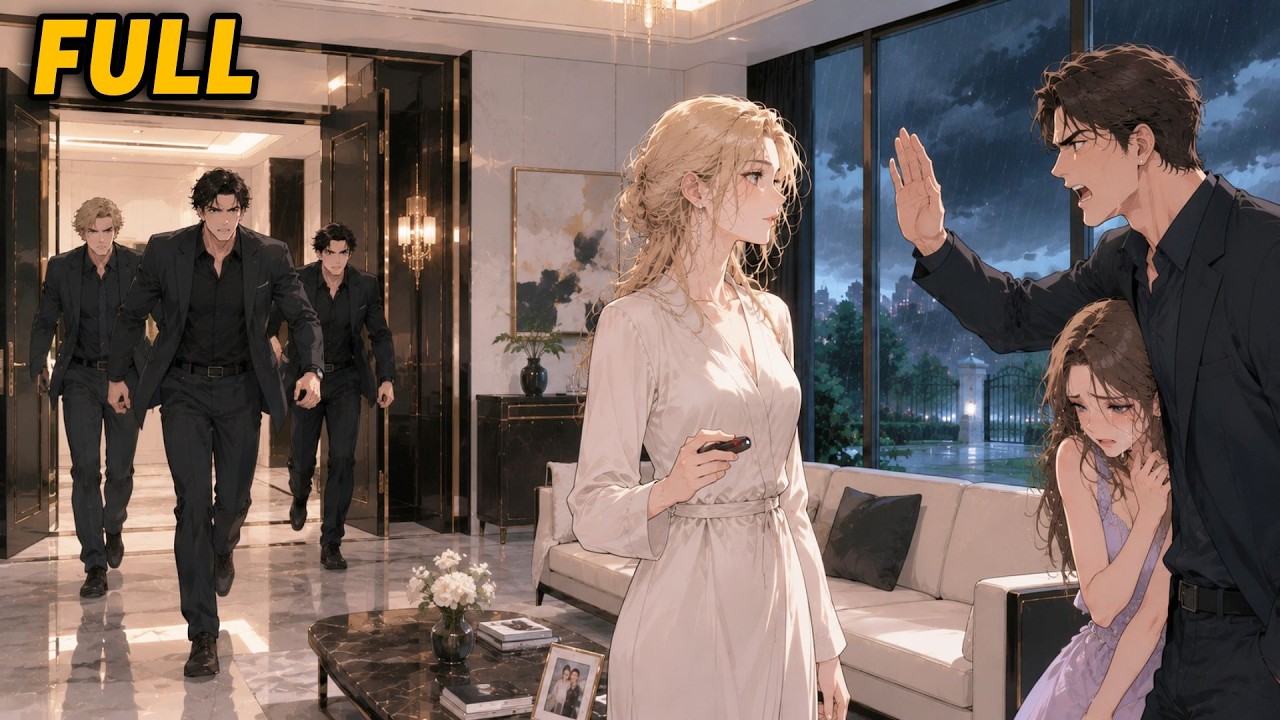
Julian Whittaker locked me out of his 18th birthday toast in front of 200 guests, then told everyone I was not family enough to stand in the photograph. Olivia Mercer stood beside him with tears in her eyes, wearing the necklace she had just blamed me for breaking, and he still chose to believe her. I smiled, took my phone out of my purse, saved the video file from the hallway camera before his mother could delete it, and decided that this time I would leave before they had the chance to ruin the rest of my life. I did not cry. That was the first thing that changed in my last life. I had cried so hard that my mascara ran down my cheeks, and Mrs. Whittaker sighed as if my pain was an inconvenience to the furniture. I had apologized for a lie. I had begged Julian to believe me. I had stayed in that house for another seven years, hoping the boy who had grown up shutting doors in my face would someday open one. He never did. So, when I woke up again in the middle of the same humiliating birthday dinner, with the same cold chandelier light on my skin and the same room full of wealthy people watching me like entertainment, I did something different. I stopped begging. The first sound I heard after death was Julian's laugh. It was low, careless, familiar. A sound I had once chased through hallways when I was six, 12, 17, 22. A sound I had once mistaken for warmth because it was the closest thing to affection I could get in the Whittaker house than I opened my eyes and saw the ballroom, gold light, white roses, crystal glasses, a string quartet near the staircase. 200 guests wearing black tie and diamond smiles. The Whittaker mansion looked exactly as it had on the night of Julian's 18th birthday, the night that had quietly broken something inside me the first time. Only now I was 18 again. My hand tightened around the stem of a champagne flute I was not old enough to drink from. My reflection trembled in the glass, pale face, dark hair pinned back too tightly, borrowed silver dress, nervous eyes. No, not nervous, not this time. Avery, Mrs. Whittaker said beside me, her voice soft enough for guests and sharp enough for me, go upstairs and check whether Olivia needs help." There it was, the first move in my last life. I had obeyed. I had gone upstairs, found Olivia Mercer in Julian's private sitting room, watched her unclasp Mrs. Whittaker's sapphire necklace from her own throat and drop it under the vanity. Then, she had screamed, everyone had rushed in. She had said I tore it off her because I was jealous. Julian had looked at me with that cold, disgusted expression I knew better than my own birthday. I had cried. He had called me pathetic. Mrs. Whittaker had told me to apologize before I embarrassed the family. That night, Julian had ordered me out of the family photograph. "You're not a Whittaker," he had said in front of everyone. "Stop acting like you belong here." In my last life, those words lived under my skin for years. Now, I set the champagne glass on a passing tray. "No," I said. Mrs. Whittaker turned her head slowly. "Excuse me." "I said no." Her smile stayed frozen in place. "Avery, this is not the evening for attitude. It's also not the evening for sending me upstairs alone with Olivia." Her eyes narrowed, only for a second, then the hostess mask returned. "You sound ungrateful." That word used to work on me, ungrateful. It was the leash they kept around my neck. They fed me, housed me, dressed me for charity galas, introduced me as poor Evelyn Lane's daughter, and in exchange I was supposed to be quiet, sweet, useful, invisible. My mother had died when I was 11. Mrs. Whittaker had been her college friend. The family took me in after the funeral, and for years I believed that made them kind. In my first life, I did not learn until too late that my mother had left a trust for me. Not enough to buy a mansion, but enough to pay for school, rent, health insurance, and the kind of freedom a young woman needs before someone teaches her that survival is a favor. The Whittakers had not stolen it outright. People like them rarely did anything so crude. They simply managed it, delayed paperwork, redirected small disbursements, and reminded me that I owed them gratitude for every meal. I had owed them nothing. Avery, Julian's voice cut across the space. I turned. He stood near the center of the ballroom in a black tuxedo, tall and golden under the chandelier, every inch the heir everyone expected him to be. Julian Whittaker had the kind of face that made people forgive him before he apologized. Strong jaw, dark blonde hair, gray eyes that could look warm when he wanted something and cruel when he already had it. He was smiling now, but not kindly. What did you just say to my mother? Around us, conversations softened. People in rooms like this had excellent hearing when humiliation was about to happen. I said I'm not going upstairs, I replied. His smile thinned. Olivia asked for you. Then Olivia can come down. A flicker crossed his face. Irritation first, then disbelief. I had never refused him in public before. Olivia appeared at the top of the staircase as if summoned by theater lighting. She wore a pale blue dress and Mrs. Whittaker's sapphire necklace. Her eyes were glossy. Her lower lip trembled. In my last life, I had envied how easily she could look wounded without ever being hurt. Julian, she called softly. He looked up at once. That was the second move. Olivia descended the stairs with one hand at her throat. Halfway down, she stopped. Her fingers touched the necklace clasp. Her eyes widened. Oh, she gasped. The necklace slipped, not fell, slipped. She had practiced it. The sapphire pendant struck the marble stair, bounced once, and the chain snapped apart. A few guests gasped. Mrs. Whittaker lifted a hand to her mouth. Julian took two steps forward. Olivia looked directly at me. Avery, she whispered, loud enough for the first row of guests. Why would you loosen it earlier? There it was, the lie. It was almost comforting how predictable evil could be when you had already survived it once. Julian turned on me. What did you do? I laughed. It was a small sound, not loud, not dramatic, but it landed in the ballroom like a glass breaking. Julian stared at me. Olivia froze. Mrs. Whittaker's expression sharpened. "I didn't touch her necklace," I said. Olivia's eyes filled faster. "I didn't want to make a scene. I was going to ignore it." But then it fell, and I just I don't know why you hate me so much. "I don't hate you." Her face shifted, just a little. "I don't think about you enough to hate you." Someone coughed. Someone else murmured. Julian moved closer. "Apologize." "No." His jaw tightened. "Avery." I looked at him, really looked. The boy from my memories was layered inside the man he would become. Eight-year-old Julian locking the treehouse door while I stood below holding two juice boxes. 12-year-old Julian telling his friends I was not his sister, not his friend, just some girl my mom took in. 15-year-old Julian throwing my sketchbook into the pool because Olivia said I copied her art project. 21-year-old Julian telling me I was too emotional to handle a real job. 25-year-old Julian standing beside Olivia at a hospital fundraiser while I held the files that had saved his family foundation from a lawsuit saying, "Don't make tonight about yourself." I had loved him once, but it embarrassed me now. "Apologize." He repeated, lower this time, "Before you make this worse." I opened my purse and took out my phone. Mrs. Whittaker's face changed immediately. "Avery, put that away." I tapped the screen. In my last life, after the necklace incident, I had spent hours crying in the second-floor hallway. I had noticed the small black camera above the east stairwell only after the staff came to reset the security feed. Back then, I had been too ashamed and frightened to ask for a copy. This time, I had already connected to the household media system befor