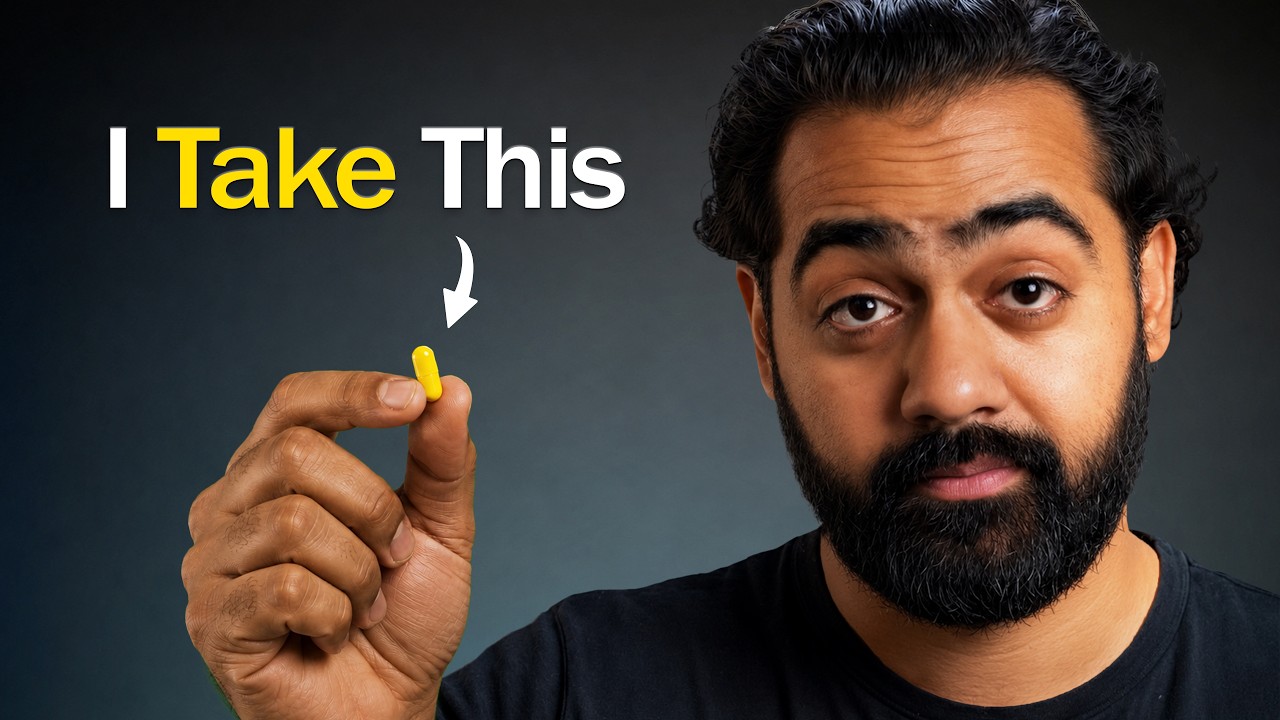
This Poop Doctor AVOIDS Probiotics In 2026, Here’s Why — Transcript

Dr. Karan explains why probiotics often fail and how to truly support gut health with dietary diversity and medical-grade options.

Key Takeaways

  • Probiotics are not a one-size-fits-all solution due to unique individual gut microbiomes.
  • Most commercial probiotics are ineffective, often containing dead bacteria and misleading labels.
  • Medical-grade probiotics prescribed by doctors are the most reliable for specific health issues.
  • Dietary diversity and fermented foods are essential for supporting a healthy gut microbiome.
  • Probiotic supplements can sometimes delay recovery and cause harm, especially in vulnerable individuals.

Summary

  • Dr. Karan, a 'poop doctor,' changed his views on probiotics after research showed most commercial probiotics are ineffective or harmful.
  • Gut microbiomes are unique and highly diverse, making one-size-fits-all probiotics ineffective and potentially risky.
  • Low diversity in gut bacteria is linked to many health issues including allergies, cancer, obesity, diabetes, and mental health disorders.
  • Most commercial probiotics contain limited strains, often dead bacteria, and lack regulation, leading to misleading claims and poor efficacy.
  • Probiotics can delay gut microbiome recovery after antibiotics and may cause adverse effects in people with weakened immune systems.
  • Medical-grade prescribed probiotics are more reliable, containing verified strains and clinically effective doses for specific conditions.
  • Dietary diversity, especially fiber-rich and fermented foods, is crucial for maintaining a healthy and diverse gut microbiome.
  • Probiotic supplements lack additional nutrients found in whole foods, which are essential for gut health.
  • The probiotic market is growing but remains unregulated and potentially dangerous without proper scientific backing.
  • Third-party testing and personalized approaches are needed for effective probiotic use, but currently, dietary diversity is the best strategy.

Full Transcript — Download SRT & Markdown

00:00
Speaker A
I'm a poop doctor who used to believe in probiotics, and I've changed my mind twice because I used to believe first that probiotics were totally useless.
00:07
Speaker A
Then I believed that they might have some effect and that popping a daily probiotic could help with digestion. I thought it could be an easy way to build a healthy gut, boost immunity, and stop people from dropping thunder dumplings
00:18
Speaker A
every time they ate dairy. But if this were true, then why do most of the global population have a gut health that resembles a biological garbage chute? I did some digging and what I found finally uncovers the truth. The dead
00:29
Speaker A
probiotics that are sold as gut health fuel, sneaky label claims that let anyone with a label maker and a Wish account create them, and much more.
00:37
Speaker A
Today, I'm revealing it all so you can avoid being ripped off by what is basically expensive poop in a bottle and use what really works to support godlike gut health. Now, the problem starts with knowing how your gut microbiome works.
00:48
Speaker A
Your gut microbiome is completely unique to you, just like your fingerprint. Inside it are trillions of bacteria and microorganisms, including fungi, microbes, viruses, protozoa, archaea, and these microbes help you to digest food, support immunity, neutralize toxins, produce essential nutrients, and
01:04
Speaker A
are responsible for any pungent gas leaks. They can also improve mood, reduce anxiety, and enhance cognitive function through the gut-brain axis. But these microbes aren't just one type of species. They're also unique. They all have their own capabilities. They can
01:17
Speaker A
help strengthen your immune system, support your gut lining, and improve digestion. And they're all working together like a community of microbial tenants. If only one type of species took over, the other benefits from the millions of other organisms would go
01:28
Speaker A
with it. This also gives an opportunity for bad bacteria to take over, and it's given them more room to grow. Low diversity in your gut microbiome like this has been linked to allergies, cancer, obesity, diabetes, depression, and anxiety. Pretty much affects every
01:41
Speaker A
organ system in your body, and this is why having a diverse gut microbiome is so important. And it's the first mistake that most probiotic companies make. But even if they did know about it, there's another problem. We don't actually know
01:52
Speaker A
what a healthy diverse microbiome looks like. We still don't have the technology to say categorically and consistently, this is a bad microbiome or this is a healthy one. And even if we did, your microbiome is evolving every second. It
02:04
Speaker A
changes with diet, environment, your lifestyle, and even touching it can influence people. Studies show our bodies have an estimated 500 to 1,000 different species of bacteria at any one time. But those bacteria you have in your body can be completely different
02:17
Speaker A
from mine. And I'm not just talking about different species. Researchers studied over 3,900 healthy people to understand the difference in gut bacteria. What they found is that most people shared 14 types of bacteria out of 664 total types. In short, the vast
02:30
Speaker A
majority of gut diversity was specific to the person. They also found around 69 factors from medications to lifestyle habits were linked to differences in gut bacteria. It's no wonder we can't tell the difference between microbiomes. It's like being dropped in the middle of a
02:43
Speaker A
rainforest and asked which tree is the important one. And to me, they all seem green and tall and judging me. So, without knowing what a healthy diverse microbiome looks like, we don't know which probiotics to take. We are
02:53
Speaker A
literally guessing and being wrong 99% of the time. This is why they say a probiotic can affect people very differently. Just because it worked for someone else does not mean it'll work for you. And the risk of harmful side
03:03
Speaker A
effects from probiotics is even greater in people with severe illnesses or weakened immune systems. You would be introducing live bacteria into a microbiome that's already in meltdown.
03:11
Speaker A
And in the most extreme cases, this could lead to worsened bloating, an increased risk of bacterial translocation and overgrowth, and SIBO, loose stool, or other adverse effects.
03:19
Speaker A
So, pushing claims that a probiotic is the one-size-fits-all gut solution is medical misinformation because the bacteria missing aren't guaranteed to be the same ones your mom or your brother or sister are missing. Those one-size-fits-all probiotics simply can't account for the differences in our
03:34
Speaker A
microbiome unless they can figure out how to personalize probiotics for trillions of bacteria affecting the microbiome. And that's well before the 69 different factors affecting the gut.
03:43
Speaker A
And at that point, I'll personally hand them the Nobel Prize. But even if we did know what probiotic to take, most of them are about as effective as plunging a curry-clogged toilet with a fork.
03:52
Speaker A
These are the commercial probiotics that invade our social media feeds with their idiotic claims backed by studies that were likely bullied out of ChatGPT.
03:59
Speaker A
Commercial probiotics typically contain a limited range of strains, and those strains are usually a few species that are specifically chosen for being cheap and easy to produce. Now, this doesn't mean your body doesn't need those strains. It could and they might have
04:12
Speaker A
health benefits, but even if they are beneficial, there's another problem. They could flood your microbiome with high concentrations of the same bacteria, so your diverse microbiome has less space for the wide range of bacteria it needs to be a healthy
04:25
Speaker A
ecosystem. It's being overwhelmed by millions of the same type of bacteria in a short space of time, and this leaves less space for the diverse bacterial ecosystem that genuinely supports health. That's if these bacteria even reach your gut in the first place. The
04:37
Speaker A
billions of bacteria that are advertised on the label never usually end up making it to your gut. And by the time the cheap cellulose capsules have made it through your stomach acid, most of the bacteria passages have drowned. You're
04:48
Speaker A
basically paying for dead bacteria to reach and turn it from microbiome into microbial morgue. Yet, these probiotics might not even have what they claim on the label inside them. Commercial probiotics are pretty much completely unregulated by the FDA and they're still
05:02
Speaker A
classed as dietary supplements rather than medicine. This is thanks to a 1994 legal loophole called DSHEA. None of the strict quality control you'd usually get for drugs like third-party testing, controlled trials, applies to them. They could just be filled with sugar pills
05:16
Speaker A
and have probiotic labels slapped on them. Commercial probiotics are great if you love bombing your gut with bacteria and setting your money on fire. In fact, doing nothing might actually be better for you than taking them because in a
05:26
Speaker A
landmark study, participants who took probiotics after antibiotics still hadn't returned to their baseline gut health 5 months later. And on the other hand, the people who took nothing had higher gut diversity. In short, probiotic supplements could delay gut
05:39
Speaker A
microbiome recovery after antibiotics. They literally could have the opposite effect of what they actually claim on the label. And that's if you even get what's on the label, because another study of 16 probiotics shows that only one had the exact species and strain
05:52
Speaker A
advertised. The most reliable probiotics you can get are medical grade prescribed probiotics. And no, you can't find them in the Costco clearance aisle. Medical grade prescribed probiotics contain verified strains. They have clinically effective amounts of probiotics with genuine evidence for specific
06:09
Speaker A
conditions. These include IBS, antibiotic-related diarrhea, and certain infant conditions. If you have a specific condition like one of these, see a doctor and use prescribed medical grade probiotics, not the useless grocery store versions or ones being sold online by companies promising you
06:25
Speaker A
the entire world. And to be honest, even when I used to prescribe these probiotics t
06:31
Speaker A
But too many people still fall into the marketing minefield of probiotic scammers because nobody's told them about the medical grade probiotics or the truth about the fake supplements, so they become easy prey. This has led to a global probiotic market being worth 77
06:46
Speaker A
billion as of right now, and it's only projected to grow to 134 billion by 2034. These probiotic companies do use the new information and breakthrough studies on gut health, but instead of using them to spread awareness, they spin them into marketing fodder like the
07:00
Speaker A
good Samaritans that they are. And this is before they conveniently leave specific strains your gut minions need off their labels. Strains of the same species can have opposite effects on your immune system. For example, one could support it, and the other could
07:12
Speaker A
promote inflammation. And without being able to identify what specific strain is used, you have no idea what you're putting into your body, and neither does your doctor. These strains are protected, and I use that term loosely, by cheap cellulose capsules to cut costs
07:25
Speaker A
and increase profit margins. These capsules don't provide any protection against your stomach acid or the heat and moisture during storage. So, the billions of bacteria start dying when they're made, and they continue dying on the shelf, during shipping, and in your
07:39
Speaker A
stomach. That literally leaves you with expired probiotics, and eventually there's maybe millions of useless bacteria left to reach your gut. This is the state of the probiotic market today, and until regulators and the FDA get off their flesh cushions to do something
07:52
Speaker A
about it, we'll be having the same conversation in 10 years time because the probiotic market is only going to grow bigger, uglier, and even potentially more dangerous for public health. You see, some probiotics are selected to be antibiotic resistant, and
08:04
Speaker A
this helps them to survive longer in your gut. And it also means they can survive in patients who are taking antibiotics at the same time. And that sounds great at first, but this is where it potentially gets dangerous because
08:14
Speaker A
when antibiotic resistant probiotic strains sit beside bad bacteria in the gut, the resistant genes can jump ship onto the bad bugs that cause disease.
08:22
Speaker A
And this unfortunate sequence of events is called horizontal gene transfer. You could be napalm bombing your gut with antibiotic resistant bacteria through unregulated probiotics. What can we do if we really want to take back control?
08:33
Speaker A
First is that probiotics need to be third-party tested for efficacy, strains, doses, and contamination.
08:40
Speaker A
Secondly is that they should be classified as medical probiotics, just like the medical grade probiotics prescribed by doctors to protect you.
08:46
Speaker A
And third, the advertising needs way stricter regulations from the FTC because the marketing today sites real studies on medical grade strains.
08:54
Speaker A
However, it implies those findings apply to whatever is inside the magic bottles they're selling you. When the reality is those probiotic companies are hijacking legitimate studies to pitch their gold-plated stools. Even if you have the best probiotic in the world that's
09:07
Speaker A
proven to work over and over, the kind that makes Brian Johnson and his biohacking minions immortal, it couldn't give you godlike gut health because the gut health always starts with one thing: dietary diversity. A wide range of gut-nourishing fiber in foods that feed
09:21
Speaker A
your bacteria residents, starting with prebiotics and fiber-rich foods because these could actually be even more beneficial than probiotics for most people because instead of invading your microbiome with new bacteria, the prebiotics feed and strengthen the beneficial bacteria already living in
09:34
Speaker A
your gut. Now they'll just get the fuel they need to help your microbiome grow and prosper. Foods like dark berries are excellent sources of prebiotics. They're also polyphenol protectors for your gut and polyphenols are those gut nourishing compounds that feed beneficial bacteria.
09:47
Speaker A
And they could also help to reduce the number of bad bacteria. Some of the best sources are black currants, plums, sweet cherries, strawberries. But remember, our gut still needs new types of strains to keep it diverse. And this is where
09:59
Speaker A
the next food comes in, fermented foods. Fermented foods are packed with more diverse bacteria strains than any commercial probiotic could ever give you. They also come with the added bonus of additional nutrients like protein, calcium vitamins antioxidants and
10:12
Speaker A
literally at a tenth of the cost. Fermented foods like kimchi and sauerkraut nourish your gut with multiple strains and nutrients. And for an extra gut boosting bonus, you can add resistant starch and other slow fermenting fibers. And I say slow
10:24
Speaker A
fermenting fibers are good because they feed beneficial bacteria that are hard to reach in the middle and end of your colon. And this helps massively with the increasing the production of short-chain fatty acids like butyrate and propionate. Butyrate and propionate can
10:36
Speaker A
strengthen your gut lining, encourage weight loss, stabilize blood sugar, and protect against or help treat disease.
10:42
Speaker A
And good luck finding that in a probiotic. Some of the best sources of slow fermenting fibers are unripe mangoes, unripe bananas, cooling carbohydrates like cooked rice, potatoes, whole grains, and even legumes. Once you start adding these types of foods into your diet, you'll be
10:56
Speaker A
cranking up your fiber intake and gut diversity. Because just 7 g extra of fiber per day significantly reduces the risk of cardiovascular disease, diabetes, cancer, and even neurodegeneration. In fact, researchers also did a diet swap study between African-Americans and rural South
11:11
Speaker A
Africans. The results were wild. They discovered just 2 weeks of swapping fiber intake levels had completely reversed each others gut health markers.
11:19
Speaker A
So, if you want to start nurturing your own lush microbiome of gut goodness, aim for 30 to 40 g of fiber every single day. But make sure you ramp up your intake slowly with 5 g per week. We
11:29
Speaker A
don't want to start drowning our gut in biblical floods of fiber. When you buy a probiotic, that's all you're getting or not in most cases. There's no extra protein fiber vitamins minerals or nutrients. It's just depressed or dead
11:41
Speaker A
bacteria. But, with gut-loving foods, you get all the additional benefits as well. To be honest, this is why I stopped taking probiotics. I finally decided to stop funding supplement company CEOs private cruise ship holidays and feed my gut what it was
11:54
Speaker A
actually craving. And now you know the truth as well. So, you can flush their magic beans or whatever they're selling you down the porcelain throwing where they belong. Your detectors will be in meltdown every time you see a
12:04
Speaker A
probiotic ad from a health influencer with a discount code. The same influencers who are drowning their microbiome in Ben & Jerry's, popping probiotics, and then calling it gut health off camera. But, listen, if you want even more medical myth-busting,
12:16
Speaker A
science-backed tips, and gut-nourishing foods served to you with a healthy dose of dark humor that will definitely satisfy your most unhinged gut minions, join my free newsletter. The link is below. I'm Dr. Karan, obviously. Take care, you bacterial gremlins disguised
12:30
Speaker A
humans who will never buy expensive pee disguised as probiotics again.
Topics:probioticsgut healthmicrobiomeDr Karandietary diversityfermented foodsmedical-grade probioticsgut bacteriamicrobial diversitygut-brain axis

Frequently Asked Questions

Why does Dr. Karan avoid probiotics in 2026?

Dr. Karan avoids probiotics because most commercial probiotics are ineffective, often contain dead bacteria, and lack regulation, making them unreliable and sometimes harmful.

What is the main factor for maintaining a healthy gut microbiome?

The main factor is dietary diversity, especially consuming a wide range of fiber-rich and fermented foods that support a diverse and balanced gut microbiome.

Are all probiotics the same and effective for everyone?

No, probiotics affect individuals differently due to unique gut microbiomes, and one-size-fits-all probiotics often do not work or may cause adverse effects.

Get More with the Söz AI App

Transcribe recordings, audio files, and YouTube videos — with AI summaries, speaker detection, and unlimited transcriptions.

Or transcribe another YouTube video here →