Skip to content

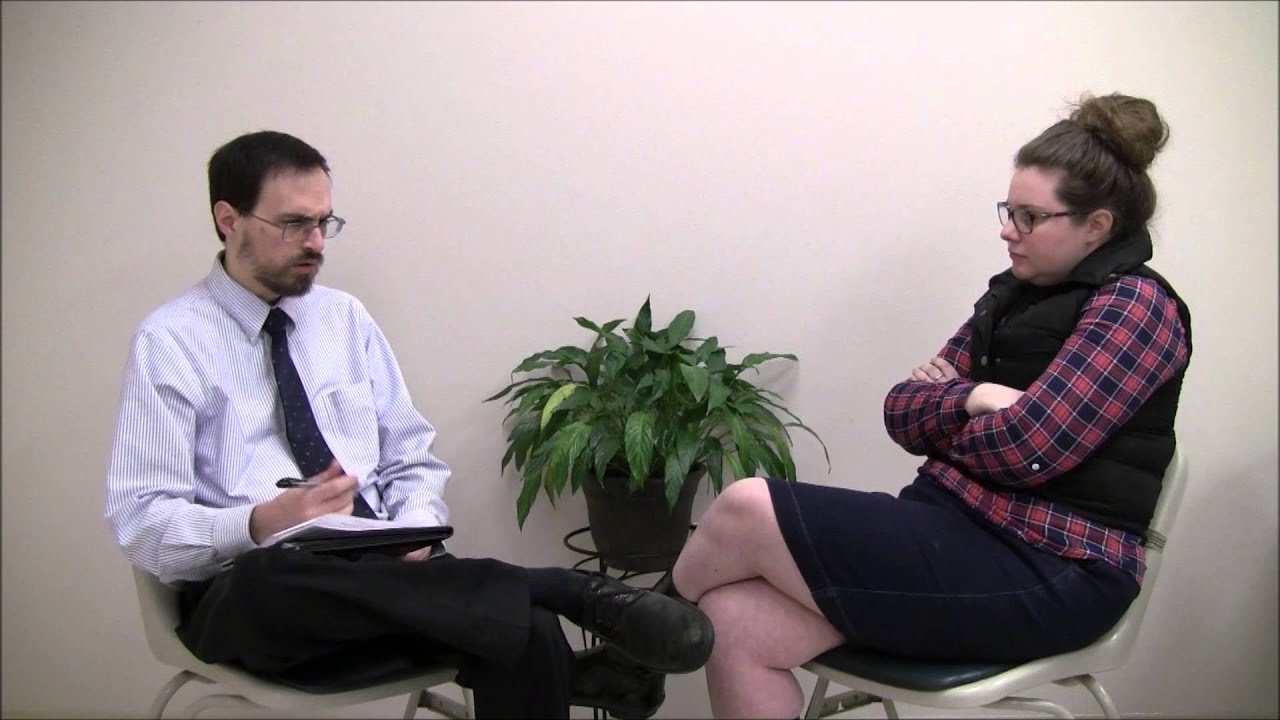
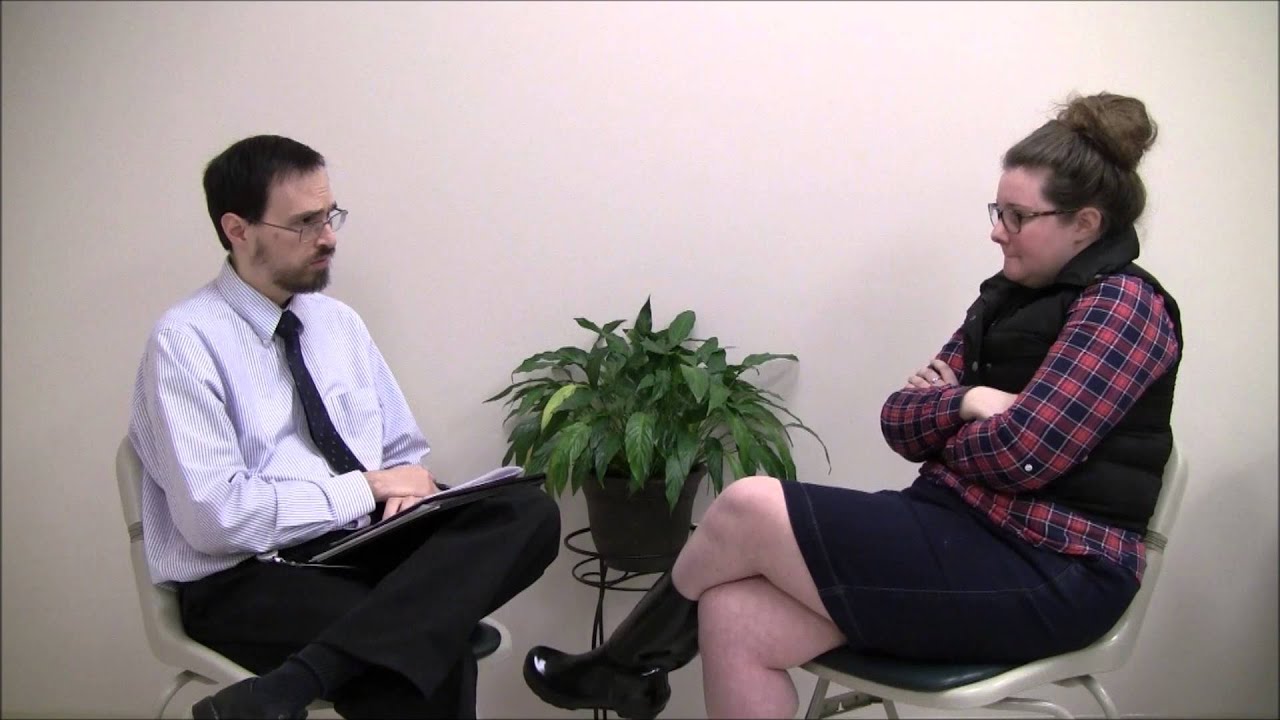
Negotiation is Problem Solving, explained by 20 years experienced expert | Wharton Business School

Expert Mory Typ redefines negotiation as problem-solving focused on human connection, overcoming fears, and embracing 'no' for better business outcomes.

Key Takeaways

  • Negotiation is problem-solving, not winning or losing.
  • Human connection and respect are crucial in business negotiations.
  • Fear limits negotiation potential; embracing 'no' opens new opportunities.
  • Long-term relationships matter more than one-time wins.
  • Negotiation is a communication process to find mutually beneficial solutions.

What the video covers

  • Negotiation is often seen as a win-lose game, but Mory Typ suggests it should be viewed as problem-solving.
  • Successful negotiation emphasizes human connection and respectful communication, even in business contexts.
  • Negotiation is about working through problems to find solutions where both parties feel satisfied.
  • Fear and limited thinking hold people back from effective negotiation and taking chances.
  • A 'no' can be more valuable than a 'yes' as it provides information to improve future negotiations.
  • Building relationships in business leads to repeat customers and long-term success.
  • Negotiation should be seen as a process of exchanging information to solve problems, not a battle.
  • Abundance mindset helps negotiators offer better suggestions and expand possibilities.
  • Respectful treatment of others increases the likelihood of better deals and ongoing cooperation.
  • Being intentional about what information to share is key to effective negotiation.

Answers

Questions about this video

What is the main concept Mory Typ introduces about negotiation?

Mory Typ suggests that negotiation should be viewed as problem-solving focused on human connection rather than a win-lose competition.

Why is human connection important in business negotiations?

Human connection fosters respectful and open communication, leading to better deals, repeat customers, and long-term business relationships.

How can fear affect negotiation and how should it be addressed?

Fear limits negotiation by making people think in terms of scarcity and risk; overcoming fear involves embracing 'no' as an opportunity to gather information and improve future outcomes.

Full Transcript — Download SRT & Markdown

00:00
Speaker A
When you think about negotiation, what comes to your mind first? Especially in business, when you're finalizing a contract or asking for a high salary, people tend to think of negotiation as a win-lose game. Fear keeps us from taking chances. You think about everything as being really limited. Mory Typ, who has taught negotiation at Darton School for 20 years, suggests a new concept in negotiation. Mory tells us that to become a good negotiator, we should focus on problem-solving, and
00:14
Speaker A
Taking Chances you think about everything is being really limited Mory typ who has taught negotiation at Darton school for 20 years suggests A New Concept in negotiation Mory tells us that to become a good negotiator we should focus on the problem solving and
00:31
Speaker A
what really matters is the human connection. What do you think is a good negotiation? It's not one person winning and the other person losing. It's about two people coming together, addressing the problem, and walking away feeling better because of it. And usually, it
00:53
Speaker A
doesn't mean that you got everything that you wanted we were able to work through a problem and come to a solution feeling sad satisfi feeling like they accomplished their goals because this was such a good experience we can do
01:04
Speaker A
doesn't mean that you got everything that you wanted. We were able to work through a problem and come to a solution, feeling satisfied, feeling like they accomplished their goals because this was such a good experience. We can do
01:19
Speaker A
friends but like it's not that important in business because in business the more important thing is like getting what you want not losing stuff why do you think that human connection is also important in the business situation in some ways I
01:34
Speaker A
this again and again and again. It is about human connection, and it is about communications that feel respectful and open. Like some people may say that the human connection is very important in relationships, like family or friends, but like it's not that important in business because in business the more important thing is like getting what you want, not losing stuff. Why do you think that human connection is also important in the business situation? In some ways, I
01:45
Speaker A
you're saying because again this goes back to some of those those misconceptions that it's about winning and losing and it's not about winning and losing there's room for everybody my students sometimes say well I'm just buying a car I'm never going to see this
01:56
Speaker A
think it's even more important. You don't want to have a one-time customer. You want to have a customer that comes back to you every time. I feel like the relationship aspect of that is really important, and I can understand what
02:08
Speaker A
rest of our life it means that you treat people in a way that suggests that if you came back you do so because what you would both experienced was pleasant a lot of Studies have showed us this that
02:21
Speaker A
you're saying because again, this goes back to some of those misconceptions that it's about winning and losing, and it's not about winning and losing. There's room for everybody. My students sometimes say, "Well, I'm just buying a car. I'm never going to see this
02:36
Speaker A
so how can we become a better problem solvers according to Mory there are several fears that hold us back in negotiation what are these fears and how can we overcome them I think many people are afraid of negotiating because of
02:50
Speaker A
person again. Why is that important?" They're likely to give you a better deal if you treat them kindly, if you treat them with respect. A relationship approach doesn't mean that, "Oh, we're going to become best friends for the
03:02
Speaker A
like somebody has rejected us but the reason why I say a good no is sometimes better than a bad yes is because if we use no as an opportunity to get more information it allows you to problem solve the next time you ask you could
03:17
Speaker A
rest of our life." It means that you treat people in a way that suggests that if you came back, you do so because what you both experienced was pleasant. A lot of studies have showed us this, that
03:30
Speaker A
know what they said yes to did they say yes because they have a bigger budget right now but if you went to them the next time they'll say no because they don't have that budget did they say yes
03:40
Speaker A
when we think we're never going to see somebody ever again, or we don't feel that sense of connection, or if we don't feel like there's going to be a relationship there, we're more likely to not behave very well.
03:52
Speaker A
we can actually almost embrace the no they can be very helpful to us right so you shouldn't be afraid to ask why it should shouldn't stop you from negotiating it's more like okay they said no maybe it can be a yes the next
04:06
Speaker A
So how can we become better problem solvers? According to Mory, there are several fears that hold us back in negotiation. What are these fears, and how can we overcome them? I think many people are afraid of negotiating because of
04:20
Speaker A
you have to see the situation that everything is abundant and that's when you can give a better suggestion to people and be a better negotiator could you explain that concept a little bit within this notion of abundance is that
04:34
Speaker A
rejection. But in your book, it says that sometimes no is better than a yes. Could you explain why that is? Nobody likes to hear no. We don't like it. We're afraid of it because we feel like, like you said,
04:48
Speaker A
because you think what could go well is far more worth it I think that fear keeps us from Taking Chances and what it does is it takes your brain hostage you think about everything as being really limited so one is really based on
05:03
Speaker A
somebody has rejected us. But the reason why I say a good no is sometimes better than a bad yes is because if we use no as an opportunity to get more information, it allows you to problem solve the next time you ask. You could
05:19
Speaker A
there's more to offer how like the pie is big enough to share I'll take it even a step further it's more like the pie can get bigger I'll use one of the examples when somebody small business owners or entrepreneurs say we're going
05:32
Speaker A
ask it in a different way that maybe now they would say yes to because you ask them why this didn't work. Whereas if somebody you ask for something and somebody just said yes, I mean, it's great, right? It's wonderful. But if you don't
05:45
Speaker A
shouldering all of those expenses and their profit margin starts getting smaller and smaller right so you're hurting yourself because you're thinking from a beer perspective but if you thought about well that they value us so much that they want want what we do for
06:00
Speaker A
know what they said yes to, did they say yes because they have a bigger budget right now? But if you went to them the next time, they'll say no because they don't have that budget. Did they say yes
06:13
Speaker A
right because they trust you you're the person that they're going to choose when they get another big budget to do something when you tell people why they can understand and they can support you when you don't tell people why and just
06:23
Speaker A
because it's a really good day for them? Again, we all celebrate yeses, and we all are afraid of no's. But if you stop thinking about no as the closed door as opposed to a way to problem solve, I think that
06:35
Speaker A
understand it and you are pleasantly surprised because people will often say yes then like how do you know like what to reveal what to like not show in a negotiation when you start thinking about negotiations not being War but
06:49
Speaker A
we can actually almost embrace the no. They can be very helpful to us. Right? So you shouldn't be afraid to ask why. It shouldn't stop you from negotiating. It's more like, "Okay, they said no. Maybe it can be a yes the next
07:01
Speaker A
say anything how do you solve a problem right to solve a problem takes Communications right takes back and forth so I'm definitely not saying tell somebody everything right you have to be very intentional what I what I mean by
07:13
Speaker A
time. Let me see what I can do." You should think that negotiation is a process of getting new information and trying to solve a problem, right? Rather than a win-lose transaction. In your book, I really like the concept of abundance, how
07:25
Speaker A
much I trust when I see them and then this information in like the third column I shouldn't tell them that at all now their business that could actually hurt me if I shared that for example a bottom line nobody has to know what the
07:36
Speaker A
you have to see the situation that everything is abundant, and that's when you can give a better suggestion to people and be a better negotiator. Could you explain that concept a little bit? Within this notion of abundance is that
07:46
Speaker A
should share we're solving a problem there's a dynamic back and forth that's how relationships are built that's how trust is established for everybody it's going to be different for every negotiations it's different how much you trust the other person is different so
07:58
Speaker A
there are opportunities, that there's more possibilities than there are limitations, that if I do this, it could end up in a really great place. So it's sort of the opposite of fear, the sense that you embrace chances, take a risk
Topics:negotiationproblem solvingbusiness negotiationhuman connectionfear in negotiationabundance mindsetrelationship buildingMory TypWharton Business Schoolcommunication

Get More with the SozAI App

Transcribe recordings, audio files, and YouTube videos — with AI summaries, speaker detection, and unlimited transcriptions.

Or transcribe another YouTube video here →