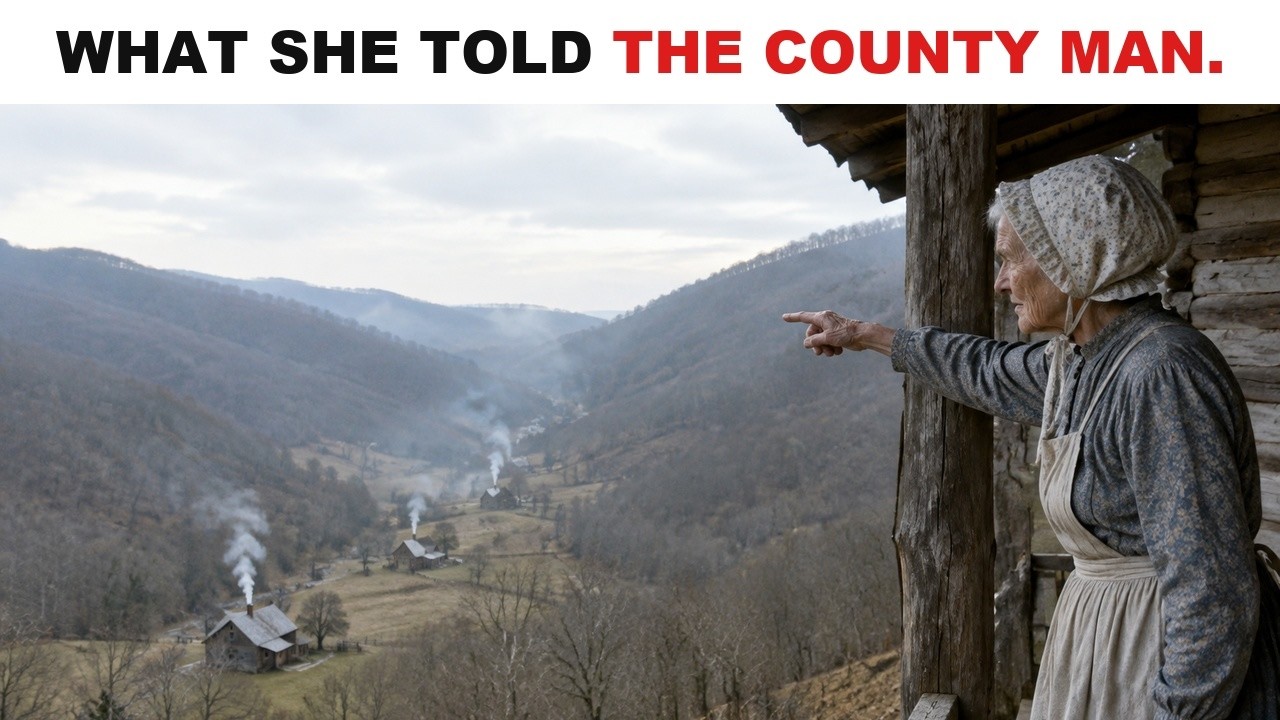
A survival-story video in which a lone survivor fortifies Lincoln Middle School during a zombie outbreak, covering defense, rainwater collection, food growing, and finding allies over a full year.
Key Takeaways
- A fortified school can be defended by focusing on a single wing rather than the whole building.
- Rainwater harvesting combined with boiling and first-flush discarding provides a reliable water source.
- Community and allies are essential, but they also introduce new vulnerabilities.
What the video covers
- The story begins on day one as a survivor flees into Lincoln Middle School, which becomes sealed inside the East Wing when fire doors close automatically during a power cut.
- The narrator scores the school as a base across five factors: defense, water, food, power, and people, rating it 9 out of 50 at the start.
- Defense is improved by chaining fire doors, barricading stairwells and ground-floor windows, and using push bars that attackers cannot pull open.
- Rainwater harvesting from the gym roof is set up, with the advice to discard the first flush and boil all water before drinking.
- Food is inventoried from cafeteria cans, with a warning not to open or taste bulging cans due to botulism risk.
- Miss Okafor, a chemistry teacher, joins the survivor after an intercom-related event, raising the population from one to two.
- Potato sprouting and tabletop-bed gardening on the gym roof is introduced as a sustainable food source.
- Two school buses are used as a barrier, with diesel engines drawing crowds away from the wall.
- Wound care is discussed, emphasizing copious clean water irrigation as a practical medical measure.
- The video stresses that a base with two people becomes vulnerable if either is injured, and ends with the curtains covering windows and a humming speaker.
Chapters
Full Transcript — Download SRT & Markdown
Speaker A
Day one, 2:51 in the afternoon. You're running down Maple Street with half the town behind you, and none of them are breathing. Every door you pass is locked. Every door except one. A brick building with a faded sign over the entrance: Lincoln Middle School. And under it, a smaller sign: Emergency Shelter. You hit the push bar, fall inside, and the door swings shut behind you. Something slams into the glass. It doesn't open. The school is empty.
Speaker A
entrance, Lincoln Middle School. And under it, a smaller sign, emergency shelter. You hit the push bar, fall inside, and the door swings shut behind you. Something slams into the glass. It doesn't open. The school is empty.
Speaker A
Backpacks still on the hooks. Whoever was here left at noon, fast. Then the power dies, and all down the hallway, with a sound like gunshots, every fire door in the building slams shut at once.
Speaker A
Here's the first thing nobody tells you about schools. Those heavy hallway doors are held open by magnets. When the power cuts out, the magnets let go and the doors close on their own, so smoke can't spread. In 1 second, the building cut
Speaker A
Here's the first thing nobody tells you about schools. Those heavy hallway doors are held open by magnets. When the power cuts out, the magnets let go and the doors close on their own, so smoke can't spread. In one second, the building cut itself into pieces, and you're sealed inside one of them: the East Wing. A gym, a cafeteria, a library, and a staircase to the roof. Remember those fire doors? On day 26, one of them opens, and it isn't you who opens it.
Speaker A
night, you find chalk in the library and do something stupid and important. You score your new home. Five things decide whether a base keeps you alive. Defense, water, food, power, people. 1 to 10 each. Defense, two. A school is built to
Speaker A
That night, you find chalk in the library and do something stupid and important. You score your new home. Five things decide whether a base keeps you alive: defense, water, food, power, people. One to ten each. Defense, two. A school is built to get 800 kids out in three minutes. Forty doors, glass everywhere. Water, one. Food, five. There's a cafeteria. Power, zero. People, one. You. Nine out of fifty.
Speaker A
People, one. You. Nine out of 50. On paper, a school is a terrible base. By day 365, you're going to turn it into the best one in the city. And one of your upgrades is going to bring the
Speaker A
On paper, a school is a terrible base. By day 365, you're going to turn it into the best one in the city. And one of your upgrades is going to bring the whole town to your door.
Speaker A
You don't defend the school. You defend one wing. The fire doors already did half the work. You chain them shut with bike locks from the rack outside. You drag lockers into the stairwells and slide cafeteria tables flat against
Speaker A
Day two, upgrade one, defense. You can't hold forty doors. Nobody can. A big base is just a long list of ways in. So you shrink it.
Speaker A
noon. So, you climb to the roof, and there it is, the gym roof. Flat, black, the size of a parking lot. Here's the math. Every square meter of roof catches 1 L of water for every millimeter of rain. That roof is 1,200 square meters.
Speaker A
You don't defend the school. You defend one wing. The fire doors already did half the work. You chain them shut with bike locks from the rack outside. You drag lockers into the stairwells and slide cafeteria tables flat against every ground floor window. And every outside door has that push bar. From your side, you push. From theirs, they'd have to grab a handle and pull. They can't pull. Defense, five.
Speaker A
the first flush is years of dirt. Two days later, it rains. You boil every drop. Every time. Water, seven. But up on that roof, for the first time, the street can see you. Day 19, food. The cafeteria storeroom is a wall of giant
Speaker A
Day six, upgrade two, water. The taps die at noon. So you climb to the roof, and there it is: the gym roof. Flat, black, the size of a parking lot. Here's the math. Every square meter of roof catches one liter of water for every millimeter of rain. That roof is 1,200 square meters. One good storm, 10 millimeters, is 12,000 liters.
Speaker A
Don't taste it to check. A bulging can can mean botulism, and a single taste can be enough to paralyze you. Food doesn't go up today. It goes down. Four.
Speaker A
You drag the plastic sheeting out of the maintenance closet, run it into the big gray trash bins from the cafeteria, and you let the first rain wash the roof before you keep a single drop. Because the first flush is years of dirt. Two days later, it rains. You boil every drop. Every time. Water, seven. But up on that roof, for the first time, the street can see you.
Speaker A
Nobody speaks, and there's no power in this building. So, what just made a speaker click? Then, a knock on the fire door to the science wing, three times, polite, like a teacher at a classroom door. You open it with a fire
Speaker A
Day 19, food. The cafeteria storeroom is a wall of giant cans. Number 10s, almost seven pounds each. Corn, peaches, chili. On the back of a lunch tray, you do the math. Four months, maybe. Then you find a can of chili with its lid puffed up like a pillow. Don't open it. Don't smell it. Don't taste it to check. A bulging can can mean botulism, and a single taste can be enough to paralyze you. Food doesn't go up today. It goes down. Four.
Speaker A
very quietly, is, "Did you hear the speakers?" People, two. And the four months of food on your lunch tray just became two. There's a lot Miss Okafor knows, but two things she won't talk about. Why, on day one, she chained the
Speaker A
Day 26, 3:15 in the afternoon. The minute the last bell used to ring, a click from every speaker in the building: the intercom. Somebody, somewhere, just pressed the button. Nobody speaks, and there's no power in this building. So what just made a speaker click?
Speaker A
sprouting. Most people throw those away. She cuts them into chunks, one sprout per piece, and lets them dry for two days. Every piece can grow a whole plant, and every plant can give you five, 10 new potatoes. The soil comes
Speaker A
Then, a knock on the fire door to the science wing. Three times, polite, like a teacher at a classroom door. You open it with a fire extinguisher raised and find a woman in a stained lab coat holding a broom handle with a kitchen knife taped to the end. Miss Okafor, chemistry. She's been alive on the other side of that door for 26 days, and the first thing she asks, very quietly, is, "Did you hear the speakers?"
Speaker A
The fence around the school was built to stop kids from cutting class, not this.
Speaker A
People, two. And the four months of food on your lunch tray just became two.
Speaker A
And you know exactly what a diesel engine sounds like in a dead town. It sounds like a dinner bell. You start them anyway. 90 seconds of roaring and two buses roll nose to tail across the gap. Then you let the air out of every
Speaker A
There's a lot Miss Okafor knows, but there are two things she won't talk about. Why, on day one, she chained the main office door from the outside, and why, every day at 3:15, when the speakers click, she stops breathing until it's over.
Speaker A
when there's no hospital. Not alcohol, not some cream, water. Lots of clean, boiled, cooled water. Poured hard into the wound until every speck of dirt is gone. Doctors call it irrigation and it's one of the best ways to stop an
Speaker A
Day 40, upgrade three, food that grows. Miss Okafor finds a sack of cafeteria potatoes gone soft and sprouting. Most people throw those away. She cuts them into chunks, one sprout per piece, and lets them dry for two days. Every piece can grow a whole plant, and every plant can give you five or 10 new potatoes. The soil comes from the football field, one trash bag at a time. The beds are cafeteria tables turned upside down, up on the gym roof, right next to the water. Food, six. In 90 days.
Speaker A
And you learn the one rule no wall can fix. A base with two people becomes a base with one the moment somebody gets hurt. People stays at two. Day 200.
Speaker A
Day 74, upgrade four, the wall. The fence around the school was built to stop kids from cutting class, not this. A crowd drifts in from the stadium, 100 of them, 200, all leaning on the same stretch of chain link for hours. The posts start to bend. You can hear the wire singing.
Speaker A
through a charge controller from the robotics club. Then into the wing's emergency circuit. Exit signs. The fire panel. The intercom. And for the first time in 200 days a light bulb burns in the library. Power six. Then she looks
Speaker A
Miss Okafor finds keys in the bus office. Two yellow school buses. And you know exactly what a diesel engine sounds like in a dead town. It sounds like a dinner bell. You start them anyway. Ninety seconds of roaring, and two buses roll nose to tail across the gap. Then you let the air out of every tire so nothing can push them. Those 90 seconds bring the whole crowd to the north side, and the wall holds. Defense, eight.
Speaker A
microphone. Ms. Okafor switches off the light until morning. Day 210, night. Someone is banging on the bus wall. A man and a little girl, maybe eight, calling up at the windows. They must have seen the light before the curtains
Speaker A
Day 120. You slice your forearm open on rusty bus metal. Deep. And here's what keeps a cut from killing you when there's no hospital. Not alcohol, not some cream. Water. Lots of clean, boiled, cooled water, poured hard into the wound until every speck of dirt is gone. Doctors call it irrigation, and it's one of the best ways to stop an infection before it starts. Then a clean cover, changed every day. It heals. But for three weeks you can't lift anything.
Speaker A
out where. Day 302, upgrade six, heat, January. The gym is a frozen cave, and nothing you have can heat a room that big. So, you stop trying. You move into the smallest room in the wing, the librarian's office. No windows, no
Speaker A
And you learn the one rule no wall can fix. A base with two people becomes a base with one the moment somebody gets hurt. People stays at two.
Speaker A
heat in. Two people, two sleeping bags, one candle, and a wall of encyclopedias. The thermometer outside says 9°, inside it says 50. Nobody would call it warm, but nobody freezes. And every day at 3:15, the speakers still click. You've
Speaker A
Day 200. Upgrade five, power. The gym roof has 30 solar panels nobody ever looked twice at. When the grid dies, they die with it, because the inverter shuts them off for safety. Miss Okafor takes it apart. She wires the panels to the bus batteries through a charge controller from the robotics club. Then into the wing's emergency circuit: exit signs, the fire panel, the intercom. And for the first time in 200 days, a light bulb burns in the library. Power, six. Then she looks out the window and says very quietly, "Now everyone can see us."
Speaker A
Defense, eight. Water, nine. Food, seven. Power, six. People, two. 32 out of 50. Up from nine. Because the best base in the city was never the biggest one. It's the smallest one you can actually hold. And none of that is
Speaker A
So the stage curtains come down from the auditorium and go up over every window. And at 3:15 that day, the speakers don't just click. They hum, like someone breathing into a microphone. Ms. Okafor switches off the light until morning.
Speaker A
me. Day 210, a father and a little girl at your wall. Would you have started the bus? Tell me in the comments. Then, at 3:15, the speakers click, and this time somebody speaks. A man's voice, calm, cheerful, the voice of someone reading
Speaker A
Day 210, night. Someone is banging on the bus wall. A man and a little girl, maybe eight, calling up at the windows. They must have seen the light before the curtains went up. Letting them in means starting a bus, 90 seconds of engine, a gap in the wall, and everything that follows them in. Ms. Okafor puts her hand on your arm. You don't start the bus. By morning, they're gone. You never find out where.
Speaker A
Through the loudspeakers on the outside walls, at full volume, across the whole dead town. And out past the bus wall, in the streets, in the stadium, every one of them turns toward the school. Ms.
Speaker A
Day 302, upgrade six, heat. January. The gym is a frozen cave, and nothing you have can heat a room that big. So you stop trying. You move into the smallest room in the wing, the librarian's office. No windows, no outside wall. Then you do the thing that would have gotten you detention. You pull a thousand books off the shelves and stack them against the walls, floor to ceiling. Paper traps still air, and still air is what keeps heat in. Two people, two sleeping bags, one candle, and a wall of encyclopedias. The thermometer outside says 9°. Inside, it says 50. Nobody would call it warm, but nobody freezes. And every day at 3:15, the speakers still click. You've stopped noticing. Ms. Okafor never does.
Speaker A
office."
Topics:zombie survivalschool basefortificationrainwater harvestingurban survivalsurvival storytellingpost-apocalypticMinecraft-style base building