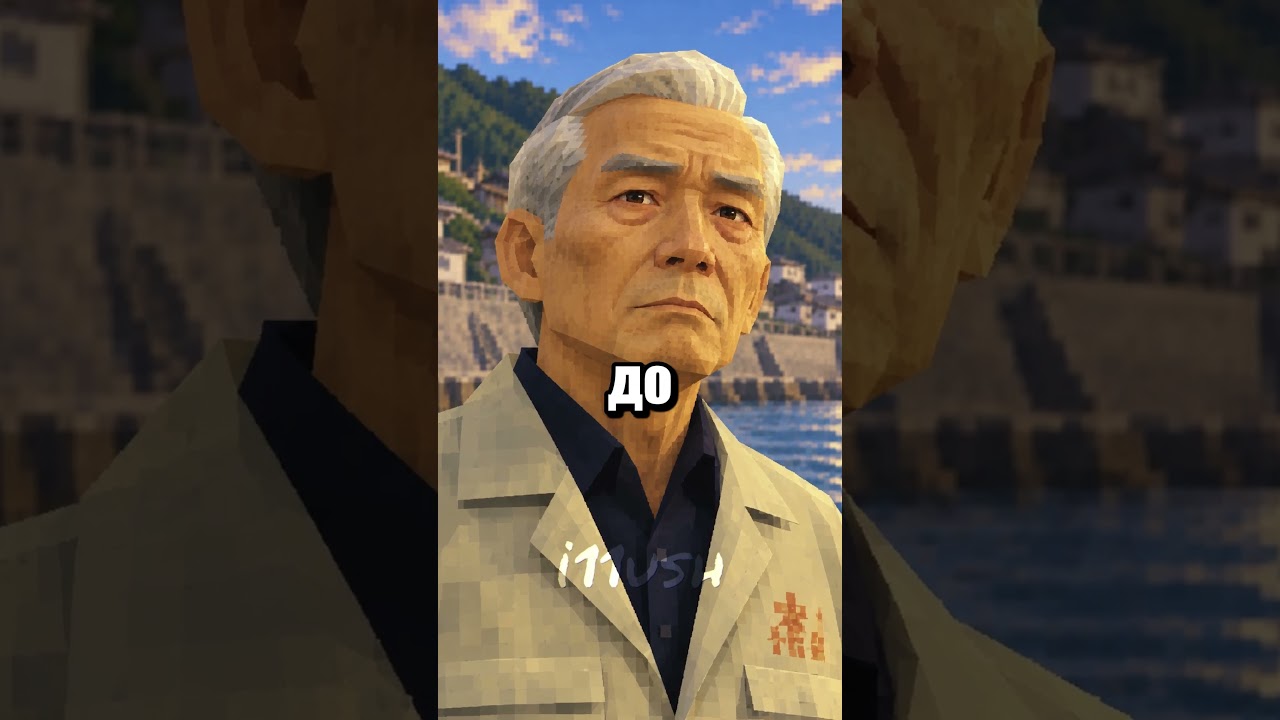
Explores why undercover police officers in former USSR countries dress similarly and contrasts with undercover tactics in the US.
Key Takeaways
- Strict dress codes in former USSR police academies hinder effective undercover work.
- Police officers' ingrained habits affect their ability to blend in as civilians.
- Undercover tactics vary significantly between countries due to cultural and procedural differences.
- In the US, subtle clothing choices help undercover officers avoid detection.
- Certain accessories, like watches, can still reveal undercover officers.
What the video covers
- Undercover police officers in former USSR countries struggle to blend in due to strict dress codes and grooming standards learned at the academy.
- Interior ministry staff are trained to dress formally, keep buzz cuts, and maintain a low profile, shaping their perception of civilian appearance.
- When asked to act as civilians, operatives often fail to blend in and instead look stereotypically 'official' despite their efforts.
- This results in a recognizable and somewhat humorous image of undercover officers in these countries.
- In contrast, undercover officers in the US are harder to identify due to more varied and subtle clothing choices.
- US undercover officers avoid bright colors and large logos to blend in better with civilians.
- A common giveaway for US undercover officers can be their watches, which police officers tend to favor.
- The video highlights cultural and procedural differences in undercover police work between former USSR countries and the US.
Full Transcript — Download SRT & Markdown
Speaker A
In all countries of the former USSR, police officers have a serious problem with undercover work. As soon as an operative gets the order: "Please blend in as a civilian and stand quietly in that crowd," almost every time, the
Speaker A
operative will look like this. Good day. I am a civilian citizen, definitely not undercover. But why does this happen? The thing is, interior ministry staff are taught from their first days at the academy to dress strictly, keep
Speaker A
a buzz cut, and generally keep a low profile. This forms a fairly rigid image in their minds of what a civilian looks like. And this style of clothing becomes a habit. So, when tasked to play a civilian, they do the best they
Speaker A
can. A moment of silence. I need to get into character. But the result is almost always this image that we are all familiar with.
Speaker A
Legend. What about other countries? For instance, in America, it is much harder to spot undercover cops. Nevertheless, some common elements can still be identified. Their clothing won't feature bright colors or large logos.
Speaker A
And they are also often given away by these watches. Police officers just adore them.
Topics:undercover policeformer USSR policepolice dress codeundercover tacticscivilian disguiselaw enforcementpolice trainingUS police undercoverpolice appearanceoperative clothing