I got BIGGER and WEAKER. Here’s Why. — Transcript

Exploring how muscle mass can increase while strength decreases, and why bodybuilding-style training differs from powerlifting.

Key Takeaways

  • Strength and muscle size can change independently depending on training focus.
  • Skill and specificity in lifts play a crucial role in maximal strength.
  • Hypertrophy-focused training can lead to muscle growth even if maximal strength decreases.
  • Volume and effort matter more than the type of lift for building muscle.
  • Avoid being overly attached to traditional powerlifting lifts if hypertrophy is the goal.

Summary

  • The creator gained significant muscle mass over four years but lost strength, especially in the bench press.
  • Strength in a lift is partly skill-based and can decline if that specific lift is not regularly trained.
  • Muscle size and strength are correlated but not directly proportional; hypertrophy can occur without maximal strength gains.
  • Training with machines or isolation exercises can build muscle but may not carry over to compound lifts like the bench press.
  • Focusing solely on the 'big three' lifts (squat, bench, deadlift) is unnecessary for hypertrophy and can limit volume for muscle growth.
  • Accumulating quality volume with proper tension and effort is more important than the specific lift chosen.
  • Many lifters fear losing strength and thus remain attached to powerlifting-style training, which may hinder hypertrophy progress.
  • The creator advocates a bodybuilding-style approach that prioritizes muscle growth over maximal strength.
  • Strength loss does not necessarily mean loss of muscle mass or overall fitness.
  • The video encourages viewers to experiment with training styles and not be constrained by traditional lifting dogma.

Full Transcript — Download SRT & Markdown

00:01
Speaker A
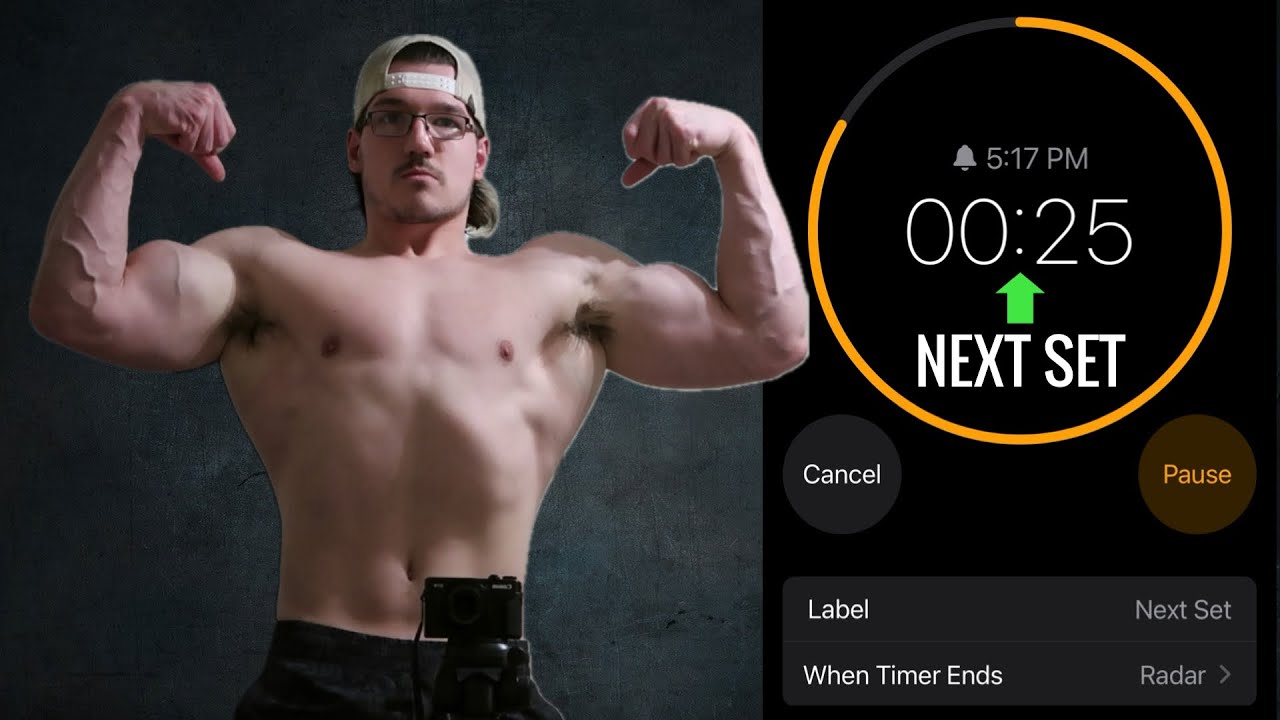
All right, so today's video is going to be on how I built so much muscle mass and lost so much strength over the past few years simultaneously. If you guys saw the post that I put up on Instagram, it
00:11
Speaker A
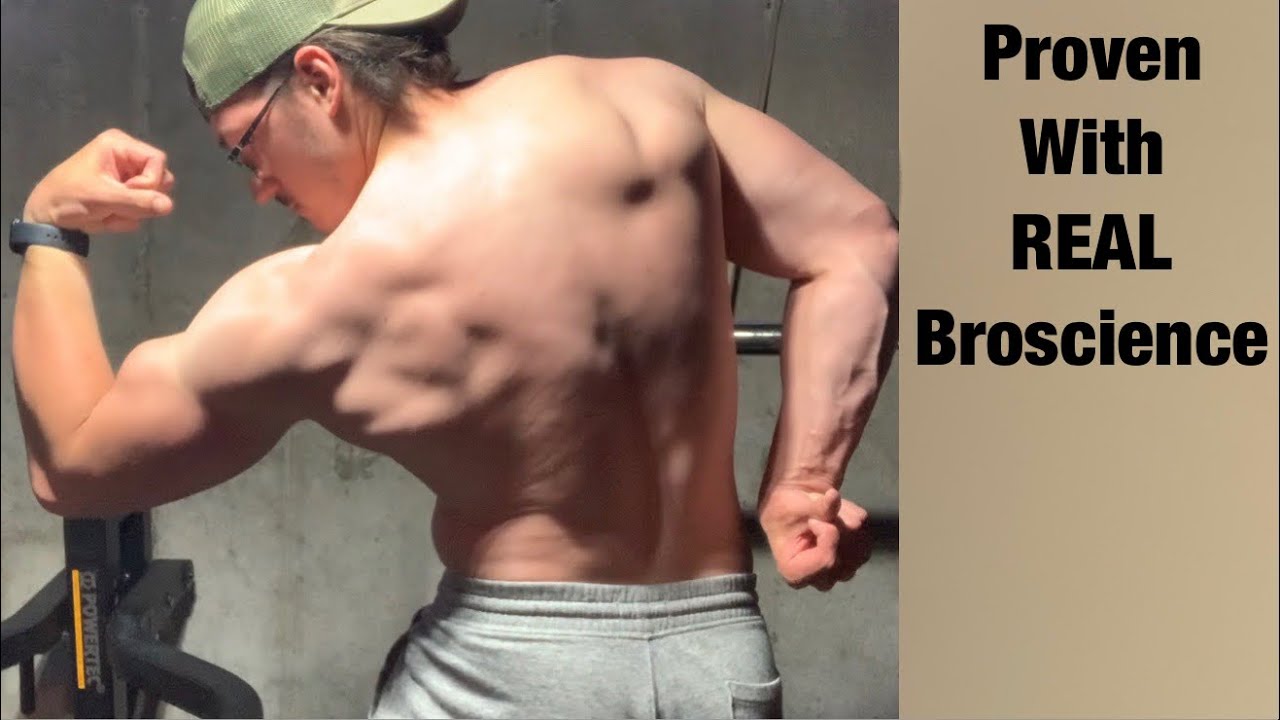
was a before and after, November 2018 to this time, so August of 2022, just about a four-year natural transformation. And I made part of my comment about how I'm actually much weaker now than I was back
00:26
Speaker A
in the day when I was clearly a lot smaller of a person muscle mass-wise. So I had a couple comments talking about how I—how like, how could I possibly be weaker now? That just doesn't make any
00:41
Speaker A
sense. I'm not making this video in response to these comments. This is something I've had planned, and I don't want to like just completely try and debunk anybody's comment in particular. That's not the purpose of this video, but what I do want
00:52
Speaker A
to talk about is how I actually managed to make this happen and why everybody else can do the same thing. I'm not special, but I think there's a lot, a lot of hidden benefits to my style of training, and I think there's a lot of
01:06
Speaker A
things holding people back from making that jump, and I want to make you feel a little bit more comfortable transitioning more into a bodybuilding style of training like I do myself. So what I want to put up right now is my
01:17
Speaker A
before and after picture. So I'll just pause it for a couple seconds, show you guys that before and after picture, and now what I want to show you is my strength transformation. So myself in November of 2018, as you can
01:36
Speaker A
see, like early intermediate lifter, like not a bad physique at all, but definitely not big, nothing crazy, just like a decent natural physique, been lifting for a few years or whatever. I benched this, so this is a 300-pound bench at
01:51
Speaker A
that smaller physique in November of 2018. I'll roll that clip now. And then here is my current one-rep max that I literally just hit right behind me in this rack 10 minutes ago, and it's 260. All right, so I've got 260
02:19
Speaker A
on here now. This is actually kind of what I guessed to be my one-rep max. 245 moved pretty rough. I have a feeling this will be it. I might have a little bit more, but let's take a look.
02:49
Speaker A
Yeah, probably going to call it at that for today. And clearly, I'm much bigger now, and I'm clearly much weaker now. So what I'm going to do throughout this video, I have a couple different points I want to
03:02
Speaker A
touch on, and I have my philosophy why I believe this to be the case and a few different takeaways that I want you guys to start to understand from this video. The first point I want to touch on is
03:12
Speaker A
the most surface level out of everything that I have here. So number one, how do you lose strength and build muscle? My philosophy: there are a couple reasons this happens. The first reason is that each lift is its own skill. I'm completely detrained
03:28
Speaker A
from the bench press, so it makes sense that my numbers have gone way down. My philosophy is that muscle mass can build a probable baseline of strength and a specific lift, but skill is also a major factor. I believe when you stop training a lift,
03:44
Speaker A
your strength in that lift will fall to the baseline of what the muscle mass you have provides to that lift. Obviously, to maintain and build that muscle mass, you need to be lifting, so your baseline of strength on that lift
03:58
Speaker A
is a mix of the muscle that you already have and the carryover from the other lifts that you're using. Instead, the thing here is that there are lifts that are great for hypertrophy that have terrible carryover, terrible carryover, want to
04:16
Speaker A
emphasize that, to other lifts that result in greatly reduced strength on the original lift. So a lot of people associate size and strength together, and for the most part, they're right. Size and strength are pretty correlated, but the problem is it
04:33
Speaker A
doesn't necessarily have to be the end-all, be-all. And the reason for that is because strength—we're not measuring absolutes here. We're not measuring in maximal force and maximal power. So you take something like a bench press, a lift that allows your
04:48
Speaker A
chest to express its maximum power. We can all kind of agree the bench press is the best way to do that, especially if you train in a competition style. The problem with this is, let's say you move on to a machine chest press.
05:01
Speaker A
You can still build great muscle. Personally, I'd argue you can build more muscle from the machine long term, just my opinion, but it doesn't necessarily carry over to the bench press because of a bunch of different factors. One of them
05:14
Speaker A
is stabilization. The bar path is going to be a little bit different. The strength curve is going to be a little bit different, but this builds the chest really well. So what happens is you start to lose a little
05:24
Speaker A
bit of strength on the bench press, but you keep building muscle as long as you're slowly, over a long period of time, progressing on that machine. A more extreme example of this could be something like if you're training mostly flies, so maybe
05:38
Speaker A
you're doing much less volume on presses. So let's say you go from doing 10 sets of bench a week and then five sets of dumbbell press and a couple sets of flies to the same amount of volume, but you're only doing
05:49
Speaker A
five sets of press and maybe 10 sets of flies throughout the week. You're going to lose a lot of strength that way, but you're also going to keep building muscle because you're getting the same amount of volume. You might build a
06:00
Speaker A
little more since you're getting more of a weighted stretch from all those flies, but let's leave those arguments out of the equation just for the sake of simplicity. You're doing the same amount of volume, and let's say you keep getting
06:10
Speaker A
stronger at those other lifts. You're going to keep getting bigger, but since there's no carryover to the bench press, you're going to lose a lot of strength in the bench press. And essentially, this is very surface level right now before I
06:21
Speaker A
dive into some of the deeper stuff. That's the surface level reason of what caused me to lose so much strength on my bench press, and I'm not even comparing this to my peak strength. I'm comparing this to back when
06:33
Speaker A
I was like not even big. Like I definitely had a decent physique, but nowhere close to where I'm at now four years later. My max bench at all time was a 330 with a pause, so you could probably say touch and go
06:46
Speaker A
340 or even 335 just for the sake of the video. I've lost so much strength on the bench press, yet somehow my arms and my chest are clearly much bigger now than they used to be. All right, so the next point, number two, is
07:01
Speaker A
that sticking to the big three is unnecessary. First point here is that you're not soft or you're not a real lifter if you don't train these lifts. If your mindset is that you need to train these lifts to
07:14
Speaker A
be a real lifter, you're missing out on gains. I promise you accumulating volume is going to be key for hypertrophy, and it's going to be very difficult to do that when these heavy fatigue lifts take up a lot of your energy and time that
07:28
Speaker A
could be spent on hypertrophy-focused lifts. Not trying to fear monger here, but this is the truth. So I understand that obviously volume, a quality volume, is going to be key to building your physique. At the end of the day, your muscle
07:45
Speaker A
doesn't care what lift you're using as long as it properly applies tension, is taken close to failure with good intention, good effort, and you're doing enough volume throughout the week. Hands down, that is the most important thing. The muscle doesn't care if it's a
07:59
Speaker A
bench press or a machine bench press or any type of variation like a weighted dip or something or a larcen press. The muscle doesn't care. Obviously, there are certain lifts that do stimulate hypertrophy a little bit better than other lifts, and those are
08:13
Speaker A
the lifts that we want to prioritize and experiment with in our own training. And are there people out there that just enjoy the big three because they like them? One hundred percent, and that is totally fine. But what I see all the time is lifters
08:27
Speaker A
that are addicted to these lifts because they can't—they're attached to them. They can't break away from these lifts because their ego is attached to that lift.
08:39
Speaker A
a real lifter anymore that they're just going to be soft and afraid of difficult things and this type of thinking is so stupid because it doesn't make any sense there's no need to have any specific lift in your program i've ditched these
08:54
Speaker A
three lifts squat bench deadlift competition style for over two and a half years at this point in my gains my muscle gains skyrocketed i have somewhat limited equipment it's it's not a bad gym obviously i have a decent
09:08
Speaker A
amount but i have somewhat limited equipment i've built a better physique here that i have doing squat bench and deadlift power building in a 25 000 square foot gym with all the equipment i need because i focus on the right things
09:22
Speaker A
and i focus on getting my muscle in the best position to actually grow it through compounds through isolations and proper training protocols and this is mostly for those of you that have just milked out your gains so far in squat bench and deadlift
09:36
Speaker A
that they take forever to do in your actual training like i used to do squat bench deadlifts in my training it would take me like 45 minutes to an hour to finish a few sets of squats and deadlifts up to
09:48
Speaker A
45 minutes for a bench session like a 5x5 or something and obviously there's ways to program this properly but what ends up happening is if you train these lifts in a competition style or just in a regular neutral style just like kind
10:00
Speaker A
of a minimal arch bench press like eventually just get so strong because these lifts allow you to put your maximum effort and they use your full body for the most part it tires you out you need a lot of rest
10:13
Speaker A
between sets especially if you're getting pretty strong at these lifts and there's nothing wrong with that in theory but when you actually start to train you realize this one takes a lot of physical energy out of you it also takes a lot of mental energy out
10:27
Speaker A
of you too when you spend so much time and so much focus and effort on these lifts it starts to take away a lot and i'm not saying to ditch barbells entirely obviously if you've watched my channel you know that's not what i try
10:37
Speaker A
to say but find variations that are better than you what are better for you whether it's switching entirely from a flat barbell bench rest to a machine bench or just switching over to a larson press or going from a sumo deadlift to an rdl
10:52
Speaker A
instead of just like a hamstring curl like those are very different lifts obviously but finding the lift that challenges you the most that you can get more out of less weight with that's a hundred percent the way to go when you're actually trying to
11:05
Speaker A
build muscle there are going to be so many lifters who stick with a power building style of training and keep getting their lifts higher and higher that are taking an unnecessarily difficult and impractical route to hypertrophy take alpha destiny for
11:19
Speaker A
example when he had me on his podcast one thing he brought up was that he had been brainwashed to hit a four plate weighted chin up at a four plate bench for 17-inch arms and it didn't even work
11:30
Speaker A
so he's got 17-inch arms now because he switched his training and huge congrats to him i think that's awesome he found what worked for him and he stuck with it but what i'm trying to say here is if
11:41
Speaker A
you think he's the only one that is brainwashed into that obviously he's not anymore but the only person that was kind of brainwashed into thinking that way to get bigger you're kidding yourself a lot of lifters train like this i see it all the time
11:54
Speaker A
and when i speak about this stuff guys i'm not just like saying oh you're not good at lifting you don't think the right way i'm talking from personal experience this is how i used to think and how i used to train and if you're
12:05
Speaker A
one of those people that's like oh well i guess it would guarantee it if i got to some point of strength if i got to a six plate bench and a six plate weighted chin up like do you understand how specific you have
12:17
Speaker A
to be to get to those lifts like he didn't get to 17 inch arms you can get to 17-inch arms with much easier training and much more practical and simplistic training that allows you to focus on the rest of your
12:31
Speaker A
training you don't have to specialize in a couple lifts just to grow your arms to have it not work at the end of the day and did he get some arm gains from those lifts for sure but what does he have to
12:41
Speaker A
do get to a 500 bench to have 17-inch arms like somebody tried to explain to me how that's practical if he got to 500 would he have 17-inch arms maybe like probably even if he did get to 17 inch arms from
12:56
Speaker A
a 500 bench and say a 5 plate weighted chin up that is probably the worst possible way to go about it for multiple reasons one because it takes an incredible amount of consistency on one specific lift that you have to learn how to
13:11
Speaker A
program very properly and at the same time it takes a ton of time it takes a ton of mental effort and focus and this is bodybuilding you want to focus on everything you're not just focusing on one muscle group because when you put
13:24
Speaker A
all your time and effort and all of your volume towards one muscle group guess what happens to the rest it either maintains or it starts to decline a little bit and when you're trying to build up your body
13:34
Speaker A
you can't let that happen so what you want to do is take a much more time efficient physically and mentally and mentally practical approach to your training and that is ultimately what works that's what worked for me my
13:47
Speaker A
workouts are very very quick they're very short they're like 45 minutes to an hour and i've put an inch on my arms in the past year or two from doing it like it's this is the way to do it and i still
13:59
Speaker A
have people and i still see people out there saying oh i just need to get a stronger bench and i'll touch on this a little bit later but to hint at what i'm going to talk about next why would i try and go
14:10
Speaker A
up to like a 405 bench that doesn't even guarantee me 17-inch arms 18-inch arms or whatever why would i do that when i could just do something a lot more simple let's say let's say i'm doing a compound lift as
14:22
Speaker A
my primary tricep mover why would i try and pick a lift that allows me to express the maximal strength possible which isn't necessary for hypertrophy by the way why would i pick a lift that i could load so heavy and get so strong on when
14:39
Speaker A
i could just do something where i could get much more out of a little bit less weight like a slow controlled deep weighted dip doesn't make a whole ton of sense to me i don't know i mean i see this all the
14:50
Speaker A
time but i'm just trying to debunk it here so the next point that i've got here this is part of the reason why i am an advocate of keeping lifts in your program through plateaus and not rotating when you don't make short term
15:05
Speaker A
progression i clearly have lost i clearly haven't lost muscle from losing bench breath strength i've built muscle but my strength in the bench press has gone down i'm not saying you can't build muscle with bench press or sumo
15:19
Speaker A
deadlifts what i am saying is that continuing to progress into higher and higher numbers isn't necessary when you're trying to get bigger it makes much more sense to pick a lift that allows you to reduce the load and
15:31
Speaker A
challenge the target muscle more there are many benefits i've talked about before on the channel but to name a few here are some of the benefits one less warm-ups that's because you're using less weight less rest time between sets so your
15:43
Speaker A
workouts are shorter or you can keep them the same length just get more volume in which is key for hypertrophy anyways you also have a higher probability of challenging the target muscle especially in compound lifts if you pick a lift that specifically biases
15:56
Speaker A
one particular muscle group rdl is the perfect example for this a conventional deadlift gets a little bit of everything but not quite enough to grow everything optimally i've said that a bunch of times that's my belief you can agree or
16:09
Speaker A
disagree with that i don't really care this is my philosophy and what's worked and what hasn't worked for me take that and switch it to an rdl there you go direct work to your lower back your glutes and hamstrings it's
16:21
Speaker A
perfect for those three muscle groups i'm not trying to grow my traps i'm not trying to grow my lats not trying to grow my quads or my core through an rdl i'm not trying to grow my forearms through an rdl i wear straps i go heavy
16:32
Speaker A
i go very slow and very deep kills my hamstrings and that works really well it's direct work and it guarantees that i'm targeting my hamstrings there are people that we all have some type of genetic deficiency that doesn't allow us to necessarily target
16:51
Speaker A
the most that we're looking to from a compound movement some people might be arm biased so maybe you're arm dominant when you're doing chin-ups or pull-downs or whatever and you grow your arms really well but your lats are always
17:03
Speaker A
lagging behind because your arms keep taking over some people are the other way around typically that's the case but we all have to try and guarantee and bias the muscle that we're trying to target within these compound lifts if
17:14
Speaker A
you're training for hypertrophy and that's why sometimes getting a lift that has a better stretch on your pecs can help a little bit more of the compound lifts for your chest and that's why having a little bit more isolation work for your
17:27
Speaker A
arms guarantees it because if you're torso dominant good luck growing your arms through compound lifts you might get a little bit of growth but it's definitely not optimal point number three and this is what it really all comes down to and that is
17:39
Speaker A
progression is greater than your performance so at the end of the day if you are progressing on what is in front of you in your training program you're probably getting bigger so what i want to dive into with this
17:55
Speaker A
let's take the bench press example so the bench press i had a very strong wonder at max relative to my body weight my muscle assets so back in november 2018 that first example i was benching 300 i was
18:08
Speaker A
probably 175 body weight and now i'm 20 pounds heavier my bench is 40 pounds lighter than that so did i just get super fat no it's mostly lean muscle and did i just get like super weak not necessarily but what happened was i
18:24
Speaker A
lost a bunch of bench press strength because i trained my chest and continued to grow through lifts that don't translate over to bench press absolute strength that well my rep maxes are way down i was hitting 225 for 20 on bench
18:41
Speaker A
there is zero chance i can do that now i can guarantee you that i could probably hit 225 for like maybe six based on how that felt in the warm-up that i just did to 260 maybe five or six reps no way i was getting
18:55
Speaker A
seven or more so strength is down significantly on that but my chest is bigger and this is bodybuilding and that's what matters so what i did was i picked lifts that don't allow me to necessarily express a maximal amount of
19:08
Speaker A
strength but allow me to grow my chest so i pick lifts like the weighted dip this machine bench dumbbell flies cable flies pec deck these lifts what do they all have in common they let you use less weight and target your pecs
19:23
Speaker A
perfectly with a great weighted stretch through a full range of motion and yeah did i just do those lifts and just stick with the same weight forever and just get a pump and mind muscle connection my way to a bigger chest
19:35
Speaker A
hell no absolutely not that's dumb that doesn't work that you'll get big for two weeks then you'll plateau for the rest of your life doing that way but i slowly overloaded and i slowly got stronger on all these lifts
19:47
Speaker A
did this did these lifts did this volume did that work build enough strength over the past couple years to maintain my bench or increase it not at all didn't increase it let alone maintain it i regressed a ton
19:58
Speaker A
but i continued to slowly progress in every aspect of my chest training just because that strength doesn't translate over to my bench press whether it's a one rep max or 10 rep max it doesn't matter that doesn't mean i didn't grow
20:11
Speaker A
that doesn't mean my chest shrunk like i used to think if i lost strength on one of my one rep max's 5 rep or 10 rep maxes i used to think it meant i lost muscle i was afraid to break away from squat
20:23
Speaker A
bench deadlifts because i thought my performance would go down and okay well size and strength are correlated so i must be losing muscle mass if my strength goes down couldn't be further from the truth it makes so much more
20:35
Speaker A
sense that if you're progressing in what's in front of you and you're training properly close to failure with good effort good intent you are going to continue to build muscle it doesn't have to translate to any lift in particular especially
20:49
Speaker A
something that is designed to uh show your maximum power in a 1 5 10 etc it doesn't matter rep range like the bench press if you've been following my channel for a while and you're nervous to make the jump away from the big three
21:05
Speaker A
and into more hypertrophy specific lifts i encourage you to do it i understand how difficult it is to go cold turkey on lifts that have been ingrained in our heads to do but here's the reality your max strength whether
21:19
Speaker A
it's 1 rep max or 10 rep max isn't nearly as important as slow progression over time progression is key and proof that you're building muscle a specific number doesn't guarantee you anything but properly measured progression typically does this isn't something you
21:38
Speaker A
can do this is something that you should do so obviously i think this is something that you guys should do the reason and there's one reason alone that i've realized that this is the truth with natural bodybuilding and that reason is because i measured my
21:54
Speaker A
progress outside of my strength as simple as that sounds if i didn't have that progress picture if i didn't have that picture of me doing that side chest pose from november of 2018 i would probably have just assumed i was
22:07
Speaker A
bigger back then than i am now and because the changes are so slow in bodybuilding and it happens over such a long period of time it's very easy to forget what you looked like a couple years ago you i mean we all can relate
22:19
Speaker A
to that it is such a slow process you just don't realize it until you look back a lot of you guys that have built muscle same exact boat you look at a picture yourself from a couple years ago
22:29
Speaker A
and you're like holy [ __ ] i've gotten a lot bigger but you didn't even notice it because it's such a slow process if i didn't take those pictures and i didn't document my progress and throughout my lifting career i wouldn't i would still
22:41
Speaker A
be power building i'd still be addicted to squat bench deadlift i'd probably be full on power lifting because i'd be trying to maximize those numbers because in my head this is correlated with strength and it's not just me a lot of
22:53
Speaker A
people think that way and i'm here to tell you you don't need to think that way because i'm part of the proof of that that's just the way that my channel's gone that's the way that my channel's gone and i've
23:06
Speaker A
i'm very happy that i can bring you guys the truth to natural bodybuilding i'm not saying i'm the end-all be-all but this is kind of like the i feel like i'm opening the next door here a little bit
23:17
Speaker A
so here's here's how i'm going to sum this part up so if i'd never taken progress photos filmed training videos and done measurements i would not have made this discovery if i noticed that my strength went down i
23:31
Speaker A
would have gone right back into that lift and optimize it for strength to keep my muscle mass and lifters this is my next point lifters are afraid to lose the strength that they've built so they stay attached to the big three forever
23:44
Speaker A
and miss out on huge opportunities this is something i want to touch on before i go into my biggest takeaways which is going to be the most valuable part of this video the biggest realization throughout this process is the fact that
23:56
Speaker A
absolute strength isn't as correlated with muscle mass as we think mass moves mass so if you build up a muscle group with a lift you'll be able to move more weight on that lift after building muscle as long
24:11
Speaker A
as it stays in your program so you don't lose the skill of that lift we need to stop worrying so much about strength and size correlation the correlation that i want you guys to start to think of is
24:22
Speaker A
what am i working on in my program and am i slowly over time getting better at that if you're not doing a lift in your program don't worry about it it can go down if you're progressing on what's in
24:33
Speaker A
front of you and what you have to work on in your training program today this week this month this year that's what ultimately matters to your progress i don't care and you shouldn't care either if the lifts that aren't in your program
24:45
Speaker A
are going down because that doesn't mean [ __ ] if you're getting stronger in the lifts in the program that you have right in front of you and this is going to be the most important part of the video the
24:54
Speaker A
conclusion the takeaways i have a couple different ones here that i want to go into and this is how i like to end every video i don't just like to debunk something and spill my thoughts everywhere i like to leave you guys my
25:04
Speaker A
two cents that you can take home and take into your own advice i don't like to over overwhelm you with information one of the biggest things that i like to do is keep it concise give you guys one or
25:15
Speaker A
two little uh things that you can take away and start to make changes every video and slowly you're starting to build a kind of a wealth of knowledge so what i want to talk about here my biggest takeaways from this entire video
25:30
Speaker A
a lift doesn't need to be big or fatiguing that grinds my gears to build muscle most lifts that build muscle best won't be as fatiguing as lifts that allow you to express maximum strength output because you purposely set
25:45
Speaker A
yourself up to challenge a particular muscle rather than purposely distributing the weight across your whole body think of a power lifter's competition bench compared to a larson press for example the lifts you use need to need to smoke the muscle you're
26:01
Speaker A
targeting by putting it in a difficult position often with a good stretch in the lengthened position and taking it close to failure if not to or past failure with advanced techniques so what i'm trying to say here is
26:14
Speaker A
the power lifter if he wants to get uh say 18-inch arms from presses alone that person and i know that's a ridiculous example you should never do that obviously if you're trying to grow primarily through presses to get
26:29
Speaker A
to say 17-inch arms a little bit more realistic here 17-inch arms through presses alone and you're benching like a power lifter with huge retraction huge arch very wide grip you're gonna have to get your bench up to like 500 pounds to
26:41
Speaker A
do that or you could dumbbell bench or close skirt bench even in like a larson style uh with no arch and no retraction at all and maybe get your your close grip bench up to like 275 or 300 and have the exact
26:56
Speaker A
same size chest it makes a whole ton of sense to train that way because if you get let's say a 500 bench with a power lifter style competition bench or a 300 optimally training for your chest getting the best stretch slowest
27:09
Speaker A
eccentrics go with the option that targets the muscle a little bit more you'll get more out of every session you won't have to go quite as far to get the same amount of muscular growth and at the end of the
27:20
Speaker A
day if you're going to just do the bench instead you're probably you probably care more about strength or you at least care a lot about strength and if you're just purely training for hypertrophy that's not the way to do it because that's
27:31
Speaker A
going to take away from your hypertrophy gains the last takeaway this is what what i want to leave you guys with progression is going to be key and this can be in a lift that sets you up to
27:41
Speaker A
target the muscle best take an overhead tricep extension for example is that the strongest position or the strongest lift for your triceps no but if you get practice and get better at a slow controlled overhead extension and make it brutally
27:58
Speaker A
hard on your triceps your arms will grow more from that than they would a close kirk bench or weighted dips i've talked a lot about progression and optimizing your lifts and your technique in this video so i am going to leave it
28:10
Speaker A
at that if you guys have any questions please let me know in the comments this is stuff that i love to talk about so uh yeah this is uh this is a fun video so any questions let me know
Topics:muscle growthstrength lossbodybuildinghypertrophy trainingbench presspowerliftingtraining volumelift specificitynatural transformationfitness education

Frequently Asked Questions

Why did the creator get bigger but weaker?

The creator focused on bodybuilding-style training that builds muscle mass but does not emphasize maintaining maximal strength in specific lifts like the bench press, leading to strength loss due to detraining and lift specificity.

Is it necessary to train the big three lifts for muscle growth?

No, the video explains that hypertrophy can be achieved through various exercises as long as sufficient volume and effort are applied, and focusing solely on the big three can limit training volume due to fatigue.

How does lift skill affect strength?

Strength in a specific lift depends not only on muscle size but also on the skill and neuromuscular adaptations related to that lift, so stopping training a lift can reduce strength even if muscle mass remains.

Get More with the Söz AI App

Transcribe recordings, audio files, and YouTube videos — with AI summaries, speaker detection, and unlimited transcriptions.

Or transcribe another YouTube video here →