Skip to content

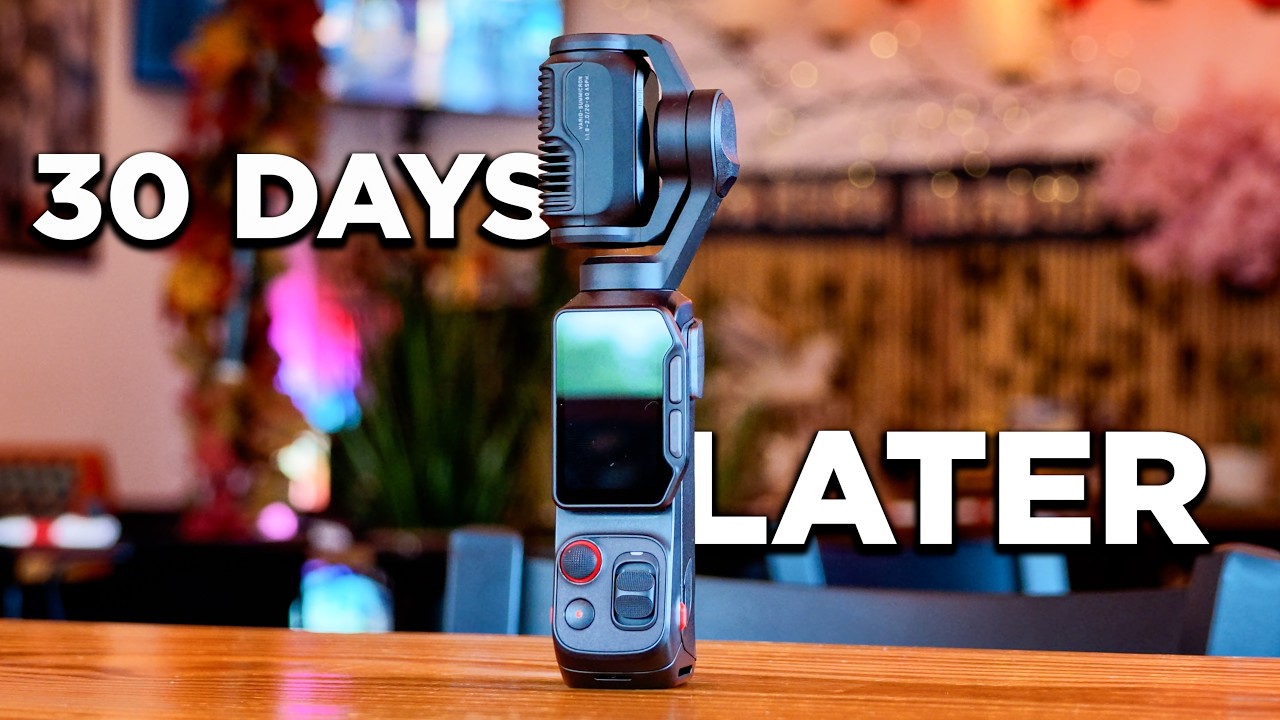
DJI Pocket 4P is Here! Lets Talk Details

DJI Osmo Pocket 4P launched in China with dual cameras, 17 stops dynamic range, 4K 240fps, but not US FCC approved.

Key Takeaways

  • DJI Osmo Pocket 4P is a high-end compact gimbal camera with advanced imaging features.
  • It is currently only available in China and not officially released in the US due to regulatory issues.
  • The standout feature is the 17 stops of dynamic range with a 1-inch sensor for professional-grade video quality.
  • Dual lenses with wide and telephoto options provide versatile shooting capabilities including up to 12X zoom.
  • The product launch strategy involves selective NDA access and international creator events.

What the video covers

  • DJI Osmo Pocket 4P is officially released in China and not available in the US due to FCC approval issues.
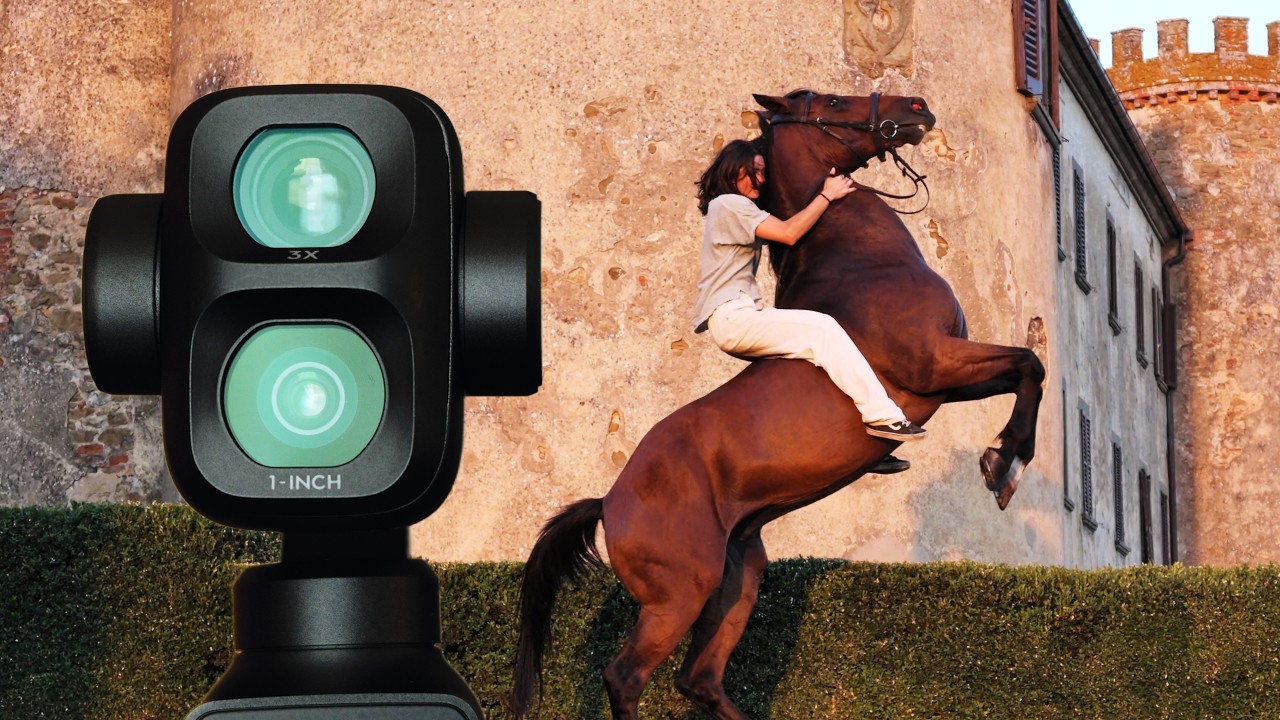
  • The camera features dual lenses: a 1-inch 20mm wide lens with 17 stops dynamic range and a 60mm telephoto lens with f/1.8 aperture.
  • It supports 4K video at up to 240 frames per second and has internal storage of 103 GB.
  • The Pocket 4P offers D-Log 2 color profile and claims to deliver professional-level image quality in a compact gimbal form.
  • The telephoto lens supports up to 12X digital zoom, with 6X and 12X zoom options providing close-up shots with background separation.
  • The device includes an onboard light for low-light and nighttime shooting, live photos, and a two-tone design (black and white).
  • The camera balances light and shadow well, providing clean, low-noise night footage and sharp 37-megapixel photos.
  • DJI is targeting professional creators, but the product launch has been complicated by NDA restrictions and regional availability.
  • Comparison to Insta360 Luna shows similar features but DJI claims superior dynamic range (17 stops vs 14 stops).
  • The Pocket 4P supports multi-camera timecode synchronization and is compatible with DJI mics and accessories.

Answers

Questions about this video

Is the DJI Osmo Pocket 4P available in the US?

No, the DJI Osmo Pocket 4P is not available in the US because it has not been fully approved by the FCC.

What are the key camera specs of the DJI Pocket 4P?

The Pocket 4P features dual cameras with a 1-inch 20mm wide lens offering 17 stops of dynamic range and a 60mm telephoto lens with f/1.8 aperture, supporting up to 4K 240fps video.

How does the Pocket 4P compare to the Insta360 Luna?

The Pocket 4P has a similar dual-lens setup but claims superior dynamic range with 17 stops compared to Luna's 14 stops, and offers comparable zoom capabilities up to 12X.

Full Transcript — Download SRT & Markdown

00:00
Speaker A
So, it's here. The DJI Osmo Pocket 4P. It's available in China. So, you can see right here, I have it pulled up on my screen.
00:11
Speaker A
And, uh, we're going to go over this because I'm not under NDA. So, I can actually talk about this Osmo Pocket 4P and what's actually put into this camera. 'Cause I don't know if you've noticed, but on social media right now,
00:25
Speaker A
there's been a lot of creators who have the Pocket 4P. They've been running around showing videos of the screen of the camera, but they haven't shown any footage from it and they haven't really talked about all the specs. And that's
00:37
Speaker A
because they're all under NDA. DJI had an event in Toronto and they're having one in Cancun right now for all the creators from, you know, different areas, but a lot of US creators so that they can get their hands on this product
00:51
Speaker A
because the Pocket 4P is not going to be available in the US. Now, DJI did not invite me to one of these events, so I'm not under any sort of NDA, so I can actually talk about this camera and I
01:05
Speaker A
can talk about all these features. And the Pocket 4P was actually released in China today. So, if you switch your browser over to mainland China and then switch your translation over to English, you can see exactly what is in this
01:18
Speaker A
camera and you can see all the marketing material. So, we're going to go through this and I'll show you, you know, what's in this camera and we can look at this together. But I just want to have a
01:26
Speaker A
quick conversation about this whole pocket camera debacle that's been going on. There's been the Insta360 Luna, the Pocket 4, the Pocket 4P. These cameras have been like released early with, like, not really releasing. So, it's like the
01:40
Speaker A
companies were basically leaking the cameras themselves, giving creators the ability to talk about some features, not others. And then the whole release schedule just got all crazy and mixed up and Insta360 released, like, early, like super early. I, I, a bunch of
01:56
Speaker A
creators who've been scrambling to try to get videos done because Insta360 just kind of out of nowhere said, "Here's the camera, ready to go." And then now with the Pocket 4P, DJI is bringing all of these creators to other countries so
02:09
Speaker A
that US creators can actually get this camera and use it and make a video around it because they're technically not in the US. The big problem here is that the Pocket 4P is not going to be available in the US. It's not approved
02:21
Speaker A
by the FCC. I've heard some people talking about saying that it was approved in the past, but the problem is that it was never fully approved. So, this camera is not going to be available in the US. However, Extra,
02:33
Speaker A
the other company that's come out that is basically DJI products, will have this camera. So, as a US content creator, you can get this if you were to go through Extra. Let's talk about the Pocket 4P. So, right here on the China
02:48
Speaker A
mainland website, you can see that we now have the Pocket 4P and we can watch this video that DJI has put out that is all about it. I'm not going to play the audio because, well, it's all in Chinese. So, we're not going to
03:00
Speaker A
understand it anyways. But basically, this shows some of the footage that you can get out of it. I mean, this is obviously marketing footage. So, it's going to be, you know, really good-looking. They're only going to put the best on here, but looks like we have
03:12
Speaker A
a 60 mm and a 20 mm lens. So, the 1X and 3X basically. So, it's essentially the same as the Insta360 Luna.
03:22
Speaker A
We got, you know, beautiful-looking colors. Like, everything so far in this looks pretty good. The big thing is 17 stops of dynamic range and this is what all the creators have been talking about with this camera. You got this D-Log 2.
03:36
Speaker A
And I'm really curious how the 17 stops of dynamic range is actually going to hold up. Like, how does it actually look when you compare it to something like the Insta360 Luna, which has 14 stops of dynamic range? Is there going to be a
03:48
Speaker A
big noticeable difference between the two? But, you know, from this footage, it does look good. And I think that, you know, DJI is really trying to go after that professional, you know, level of quality packed into this tiny compact gimbal.
04:04
Speaker A
Really trying to push that dynamic range. You have 4K up to 240 frames per second, it looks like. And overall, the footage that's from the Pocket in this little sample does look pretty solid.
04:15
Speaker A
It's, but it's got internal storage like the other DJI products. It's got 103 GB.
04:19
Speaker A
It's got an onboard light for nighttime shooting. It does photos. It does live photos. Yeah, I mean, you basically get the point. And so overall, I think, yeah, I mean, this does look pretty solid for a pocket gimbal. But let's dig
04:31
Speaker A
into the specs. Let's see what this has. So, it's got dual cameras. 1X, 3X. It's got the 20 mm, 60 mm.
04:40
Speaker A
Uh, 1-inch sensor with 17 levels of high dynamic range. D-Log M 2 color. I mean, this shot looks really cool the way that they did this with that back-lit and it still looks pretty solid like it looks really clean. 240 frames per second at
04:52
Speaker A
4K. I don't know how often I'm going to use 240 frames per second if I was to have this camera, but it's, we have it.
04:59
Speaker A
We got two-tone designs, so we have black and a white. We have live photos.
05:02
Speaker A
So, let's look at these lenses. So, we have our 3X, the medium telephoto lens, 60 mm f/1.8. And it supports up to a 12X zoom. So, this is going to be very similar to the Insta360, which does 12X
05:14
Speaker A
as well. Now, the bottom one is the 1-inch. So, there's only the 1-inch sensor on the bottom camera.
05:20
Speaker A
It has 17 stops of dynamic range, a 20 mm and a large f/2 aperture.
05:25
Speaker A
So, it's going to be the same type of setup that you're going to get with the Insta360 Luna, better camera on the bottom or better camera for the wide camera, and then the 3X is still a good camera, but it's not going to be the
05:35
Speaker A
same 1-inch sensor. Would've been cool if they came out with two cameras with both a 1-inch sensor.
05:41
Speaker A
Uh, 17 stops of dynamic range. That's like the big selling point of this camera, so you, you have lots of dynamic range. You can see things aren't blowing out. We have dark shadows on the inside.
05:50
Speaker A
We have bright highlights outside. This shot actually looks really cool. So, you have that sun right behind her. We have these clouds. It doesn't look like, let's go back to that. It doesn't look like anything's crazy overexposing here. And
06:02
Speaker A
we're still, like, looking good on skin tones. Like, this is a pretty solid shot showing the, you know, potential with this dynamic range. And we'll see once, you know, all the creators that have the camera right now really put it to the test. You know,
06:16
Speaker A
does this 17 stops dynamic range really make that much of a difference? Uh, then we got these low-light portraits. We got this light. Insta360 has the same thing on the Luna. You have this little light that goes above the
06:26
Speaker A
camera. So, we have the 60 mm telephoto lens. This one gives you that long lens look and gives you that out of focus in the background. Like, that's really cool.
06:35
Speaker A
So, we're shooting at a 1.8 and it's saying that the portraits are rendered in a sharp three-dimensional way. It's basically saying there's separation when you use this longer lens.
06:44
Speaker A
And then there's the 6X zoom which basically is doubling of that lens. So, you get 120 mm. And then there's the 12X zoom which basically punches in on the footage even more and gives you those, you know, close-ups. You know, from this
06:56
Speaker A
footage on their marketing website, this 12X does look good. I'm really curious what it looks like, you know, in the real world when creators start playing with it. The 6X also looks good as well. Now, you got to remember when you're working
07:08
Speaker A
with a two-lens camera like this, you have a 60 mm. That lens isn't zooming.
07:12
Speaker A
It's just punching in. So, this is a digital crop on that sensor. So, it's just a high-resolution sensor that they're punching in with. So, the next thing here is that the Osmo Pocket 4P can actually balance light and
07:23
Speaker A
shadow levels of the environment and the subject presenting a clean, low-noise night scene. So, it's showing that it can create
07:37
Speaker A
have to see once we get some creators to really test this. We have natural beautiful skin.
07:43
Speaker A
So, there is probably some skin effects in this. A lot of DJI cameras do like the beauty effects. So, you can have that in there. We have the Dlog-M 2 and 10-bit color. So, again, we have these like super contrasted scenes and we have
07:56
Speaker A
this 10-bit color. You could see what the Dlog-M 2 actually looks like when we start this over.
08:02
Speaker A
You know, super flat. Looks like Dlog-M and then you could color grade it back and we have like such a range in contrast here. So, in terms of weight, it's 230 g.
08:12
Speaker A
And it looks like we have Smart Focus 8.0. So, it looks like we can do full focal and tracking. So, you can track with both cameras, but also the 6x and the 12x.
08:22
Speaker A
We got multiple people followed. So, it tracks, but it will put everyone in the frame that is around you. It's kind of a cool feature. And then it has the protagonist follow. So, basically this looks like it's a follow mode where it
08:35
Speaker A
locks onto the subject even when things come in front of you. So, you register a person and then as that person moves through the frame, it's always going to follow that one person. This actually is a cool thing. So, if you're working with
08:46
Speaker A
a subject and you want to stay always locked on, it basically uses that and tracks them.
08:51
Speaker A
I think that's a cool feature they've added in here. Okay, so we got 37 megapixel photos.
08:56
Speaker A
We got 800 megabits ultra fast transfer speed through USB 3.1. So, we got fast transfer. I assume we got fast charging as well cuz all these new cameras have it. 103 gigabytes of storage built in.
09:10
Speaker A
We go 18 minutes up to 80% and the battery life is 210 minutes. So, yeah, that will last a long time and then you just charge it for 18 minutes and it's back up to 80%. All of these
09:21
Speaker A
new cameras have this fast charging feature, which I think definitely is a huge advantage with all the newer cameras. Just makes it so much easier like when I've been out with, you know, these kind of cameras playing around
09:32
Speaker A
with them, shooting all day, it's so easy as plug it in for for 20 minutes and then have a camera that's pretty much ready to go again. You can use it as a webcam. There's built-in time codes, so the camera has built-in time
09:42
Speaker A
code with an error of no more than one frame every 8 hours, which can quickly align multi-camera footage in later stages. I'd be interested to see how this time code works and how it's going to work with other DJI products, but the
09:53
Speaker A
fact that they're saying that time code's in does make this a lot more usable in these kind of multi-cam settings, especially when you're working with, you know, clients and you have different cameras going on. You could sync it all up perfectly. You could use
10:06
Speaker A
it as a webcam. So, that's kind of a cool feature. You could You could plug it in your computer with the USB-C.
10:10
Speaker A
Use it as a webcam. We got the Pocket 4 fill light. We got the ND filter kit, of course. We got a beauty soft focus. And we also have a Frame Tab viewfinder remote. This is interesting.
10:24
Speaker A
I'm curious more information about this. If it says it's a viewfinder remote, there's a good chance it's going to have a screen on it. Let's see if we can find anything else about that.
10:33
Speaker A
Oh, yeah, right here. So, just down you could see it's a little screen with a little joystick and a record button.
10:40
Speaker A
So, essentially it is going to have a So, essentially it is going to have a wireless screen. This is looks like it's going to be an accessory that that you have to buy additionally with the Pocket 4 piece. So, unlike the Luna, where the
10:50
Speaker A
screen's completely just detachable from the camera, this one is actually its own device. That's going to be interesting.
10:55
Speaker A
So, it's essentially going to be the same type of functionality that you're going to get with that Insta360 Luna, but then you have the separate remote and you still have the screen on the camera itself.
11:05
Speaker A
That I'll be super interested to see how those work together and how quickly it is to work with them. Let's look at the product comparison, cuz this is always a good way to see how they are. And price,
11:14
Speaker A
3,799 won. So, in US dollars, that's saying 561. Now, depending on where you are, that's going to change, cuz this isn't dollars.
11:24
Speaker A
This isn't going to be sold in the US, but this also might give an indication of what the extra Muse version of this is going to be.
11:31
Speaker A
Also, we got to take into effect there's going to be tariffs on top of that. So, if you are in the US getting the extra version, it is probably going to be more expensive than 561, but that just gives you an idea of what
11:41
Speaker A
they're selling it for in mainland China right now. All right, so let's look at these. We have the Pocket 4, we have the Pocket 4P here, the Pocket 4, and then the Pocket 3.
11:49
Speaker A
So, looks like you know, we got the 1-in sensor across, but this one has the dynamic range. So, this dynamic range seems like the big selling factor of this camera.
12:00
Speaker A
And then we also have the medium lens, the longer lens, which has 14 stops. All right, 4K 240 frames per second, Dlog-M, that's a big addition.
12:09
Speaker A
We got this 3x optical zoom. Uh we got telephoto intelligent tracking, and then we have intelligent focusing.
12:17
Speaker A
We have in-app beauty filters, skin smoothing, film tones. Okay, so same across. We have built-in storage, looks like the same wired transmission. Oh, so let's just go to the specs of this. Let's just dig into this real quick. See if there's
12:30
Speaker A
anything else in here that's interesting. So, we got our ISO, it goes from 1,000 up to 25,600.
12:37
Speaker A
And then it goes up to low-light video 51,200. The medium telephoto goes up to 12,800, and the low-light goes up to 25,600.
12:47
Speaker A
So, a little bit less range in terms of low light with that zoomed-in camera, and that's to be expected. We have maximum photo resolution of 8K. We have single photo countdown timer, panoramic mode. We have 4K 24 to 60 frames per
13:03
Speaker A
second. This is just regular video video recording, and then we have that slow motion up to 240.
13:09
Speaker A
It looks like the medium only goes up to 200. Then we got a bit rate of 180 megabits per second. Says the working hours about 210 minutes, 80% 18 minutes, and 100% in 32 minutes. And uh that's it.
13:24
Speaker A
So, that's the DJI Pocket 4P. That's everything that we can expect from this camera. Now, in the US here, we're not going to get it, unfortunately, unless you like go to Canada, pick one up, or Mexico. But, technically, you're still not supposed
13:37
Speaker A
to have them in the US. They aren't approved by the FCC to be used in the US. But, it sounds like the extra Muse is coming out with this same camera, so you can expect the same specifications cuz it's going to be the same thing. And
13:51
Speaker A
that one will link to DJI's mics as far as I've know, like I've heard that you can work with the extra Muse with the DJI mics. So, that is what's coming with this camera. And also, we're going to be
14:02
Speaker A
seeing a lot of videos, probably in the next few weeks, from all of these creators that have been at these events, showing footage and talking about all of these specs. But, [clears throat] I'm really curious your thoughts on this
14:12
Speaker A
camera. Do you think this one is a better iteration than the Insta360 Luna? I personally have been using the Insta360 Luna for the last month, and I actually do really like that camera. It does work super well. I've had no issues
14:24
Speaker A
with it. And all the footage that I've been getting out of it has worked just fine for the kind of content that I've been producing. Now, if you want to see more about the Insta360 Luna so you can
14:33
Speaker A
compare, you should check out this video right here. And if you haven't already, make sure you hit that subscribe button.
14:39
Speaker A
And that's it. I'll see you on the next one.
Topics:DJI Osmo Pocket 4PPocket 4P reviewDJI Pocket 4P specscompact gimbal camera17 stops dynamic range4K 240fpsdual lens camera1-inch sensortelephoto lensDJI camera China release

Get More with the SozAI App

Transcribe recordings, audio files, and YouTube videos — with AI summaries, speaker detection, and unlimited transcriptions.

Or transcribe another YouTube video here →