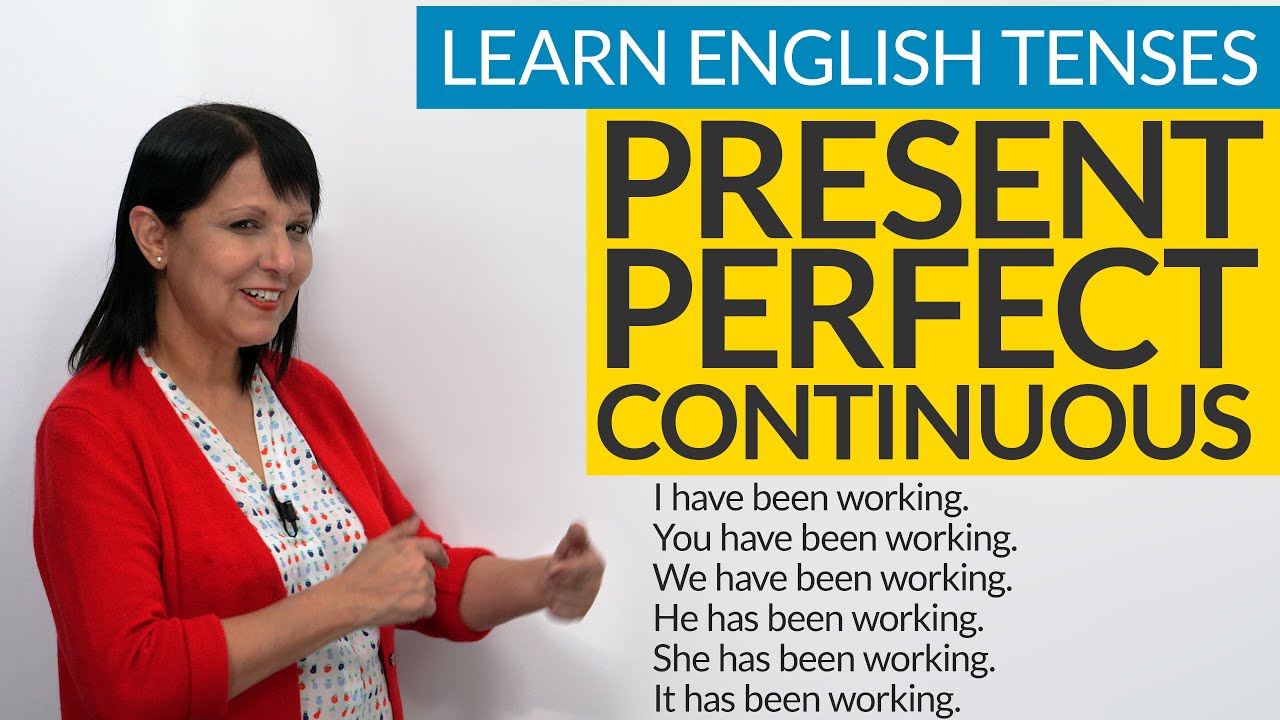
Rebecca from engVid explains twelve common errors in academic English and how to fix them, covering formal register, contractions, phrasal verbs, idioms, and punctuation.
Key Takeaways
- Academic English is formal, objective, and heavily referenced.
- Replacing informal grammar, vocabulary, and idioms with precise formal equivalents is the core fix.
- Opinions should be attributed to sources rather than stated personally unless an assignment asks for them.
- Punctuation and style choices should follow the institution's required style guide.
What the video covers
- Defines academic English as the formal, objective English used in school, college, and university for reading, writing, listening, and speaking.
- Explains that academic English requires referencing sources and warns that failing to cite is plagiarism, a serious offense.
- Advises avoiding contractions, writing 'do not' instead of 'don't' and 'is not' instead of 'isn't'.
- Recommends replacing phrasal verbs with formal single verbs, such as 'increased' instead of 'went up' and 'removed' instead of 'took away'.
- Advises avoiding idioms, slang, and clichés, e.g. 'excellent' instead of 'A1', 'children' instead of 'kids', and 'in conclusion' instead of 'when all is said and done'.
- Suggests avoiding the pronoun 'you' by rephrasing, e.g. 'The graph shows' instead of 'You can see from the graph'.
- Recommends using positive or precise forms instead of negatives, e.g. 'ineffective' instead of 'not effective'.
- Discusses punctuation rules that depend on the required style guide (MLA, APA), noting rare exclamation marks and frequent semicolons in academic writing.
- Advises avoiding vague language like 'a bit', 'a lot', and 'kind of', and using more sophisticated vocabulary such as 'major distinction' instead of 'big difference'.
- Advises against personal opinion phrases like 'I think' and 'in my view', recommending attribution to research sources, and avoiding overly strong or unjustifiable claims.
Chapters
- 00:00Introduction to academic English
- 00:40Referencing and avoiding plagiarism
- 01:17Errors 1-2: Contractions and phrasal verbs
- 02:15Errors 3-6: Idioms, slang, and pronouns
- 03:02Errors 7-8: Negatives and clichés
- 03:35Error 9: Punctuation and semicolons
- 05:25Errors 10-11: Vague language and simple vocabulary
- 05:53Error 12: Personal opinion and strong claims
- 07:03Conclusion
Full Transcript — Download SRT & Markdown
Speaker A
Hi. I'm Rebecca. And in today's lesson, I'll explain twelve common errors that students make in academic English. Now, what's academic English? It's the English that you need to use in school, college, or university when you're reading, writing, listening, and speaking
Speaker A
-- okay -- ideally, but most importantly, when you're writing. Now, what's the difference between academic English and general English? Well, academic English in general -- there are many differences, but in general, academic English is more formal; it's more objective,
Speaker A
and also, it has to use a lot of referencing. You always have to let people know where you got your information from. You have to cite the source. You have to give the source. You can't claim to write something and claim it as your own. Okay? If you do that, that's
Speaker A
called "plagiarism". It's a very serious offense in academic circles. But today, we're not going to talk about how to reference a source. We're going to talk about the two other aspects: How to write more formally and objectively, and what are the ten common errors that students
Speaker A
make when they are not formal enough. Okay? So not ten, twelve. Here we go.
Speaker A
So first of all, using contractions. All of these are what you should not do, okay? So avoid using contractions. Sorry. In this case, don't use contractions at all. So don't say "don't"; say "do not". Don't say "isn't"; say "is not". All right? That's academic English.
Speaker A
Next, avoid phrasal verbs. So for example, instead of saying "go up" -- "Prices went up. -- say, "Prices increased." Instead of saying "take away", say "removed". Avoid these multi-part verbs. All right? It's not as formal.
Speaker A
Next, avoid idioms. Instead of saying, "It was A1", say, "It was excellent." All right?
Speaker A
Avoid slang. Don't say "kids"; say "children". Use the proper terminology for various subjects. Avoid pronouns. So for example, instead of saying, "You can see from the graph..." -- all right. We use the pronoun "you". Instead of that, say, "The graph shows..." all right?
Speaker A
Next, avoid negatives. For example, instead of saying, "Something is not effective", just say, "It is ineffective." Instead of saying something is "not positive", say, "It's negative." So avoid these kinds of negatives.
Speaker A
Next, avoid clichés. Now, what are "clichés"? "Clichés" are a kind of idiom, basically -- commonly used expressions. All right? And so on. Kind of a common wisdom about different things. And so you want to avoid these kinds of expressions. For example, instead of saying,
Speaker A
"When all is said and done" -- all right? We use that in conversation, but you don't want to use it in your academic writing. Instead of saying that, you'd probably use an expression like "in conclusion". All right?
Speaker A
So next, there are certain kinds of punctuation -- there are actually lots of rules about punctuation. And the kind of punctuation, the style of punctuation that you use in academic writing depends on the style guide that you have been asked to follow in your school,
Speaker A
college, or university. Some very well-known style guides are the MLA or APA. These are certain style guides, and they tell you everything about how you need to write, what rules you need to follow, what are the rules of punctuation and of quotations marks, of this and that.
Speaker A
Okay? A lot more than what I'm covering here. But in general, I can just tell you that we don't see that many exclamation marks in academic writing, okay? We do see a lot of semicolons.
Speaker A
All right? That's kind of -- when do we use a semicolon? Do you remember? Okay. What's the difference between a period and a semicolon? A period clearly divides two sentences. And a semicolon has one sentence which is a complete sentence; then you put the semicolon. You
Speaker A
do not capitalize the next letter, and the next sentence is connected, and you want to show that it's connected to the first sentence, which is a very academic, intellectual, philosophical thing to do. So learn to use semicolons if you're in university especially.
Speaker A
Next, avoid vague language. Don't say "a bit", "a lot", "kind of", "sort of". The days for using that kind of language are over. The days are over once you've reached university, right? So instead of that, say "a considerable number", "a considerable amount". Okay? That's
Speaker A
why sometimes they say that you can tell when someone has been to university because they use higher-level language, which doesn't mean that you cannot use higher-level language if you have not been to university. You can still learn to use excellent language.
Speaker A
Next, simple vocabulary. Don't use simple vocabulary. You want to use slightly more sophisticated vocabulary. Instead of saying "a big difference", say "a major distinction".
Speaker A
Okay? Now, this is academic. Next, avoid giving your personal opinion. Okay? In academic circles, they are not so keen on knowing your opinion. Don't say "I think", "I believe", "in my view". Instead of that, say "according to so-and-so", "according to this research study" and you mention the
Speaker A
particular research study. You have to always give credit to the source. Where did you get your information? Who wrote that book? What happened? Okay? You have various styles and ways in which you can mention that information, but you must always give credit to the source.
Speaker A
And don't really give your opinion, unless it specifically asked for it in a particular assignment. Okay?
Speaker A
And last, don't use language which is too direct or too strong because then, maybe it cannot be justified. So you can't make very broad claims about anything. You have to be able to justify anything that you write especially. So in other words, in academic English, your
Speaker A
goal is to speak like your professor and write like your textbook. And if you can do that, then you're probably going to do very well in the academic world and also out there in your career. Okay?
Speaker A
If you'd like to do a quiz on this, please go to our website, www.engvid.com.
Speaker A
Thanks for watching. Good luck with your English.
Topics:academic Englishacademic writingformal writingESLEnglish grammarplagiarismsemicolonsphrasal verbswriting tipsengVid