Skip to content
Get App

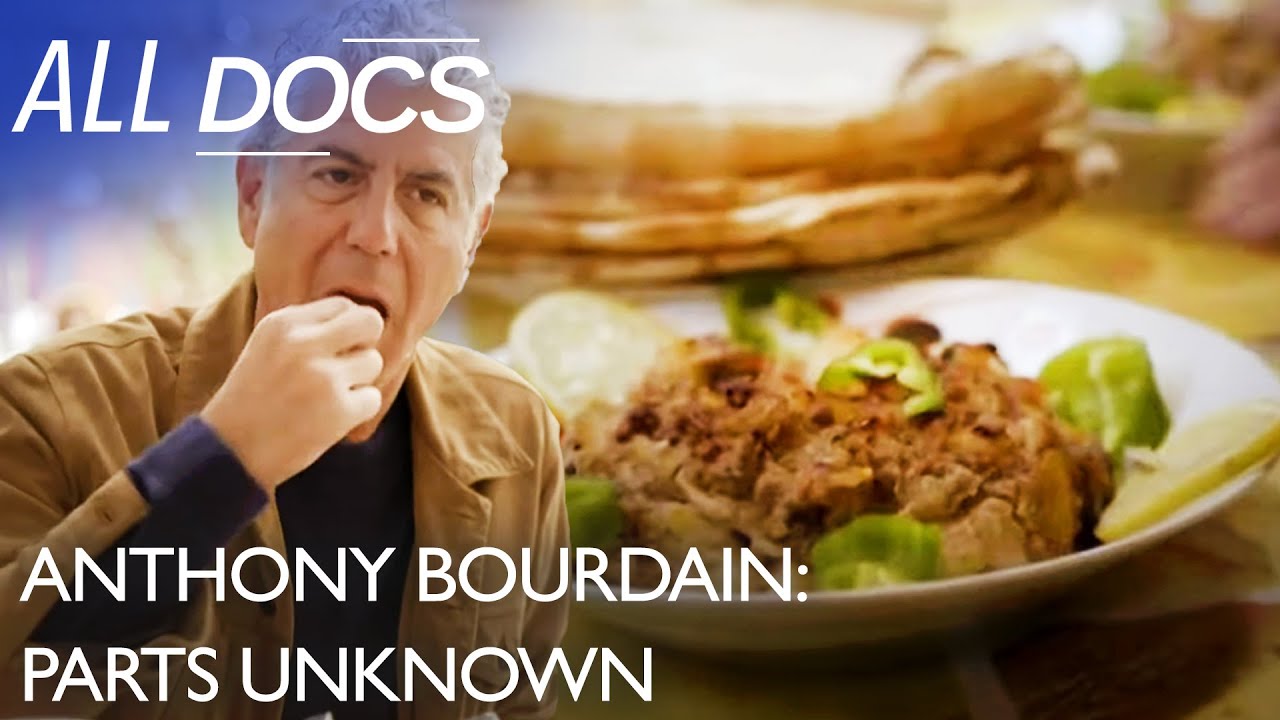
Anthony Bourdain: Parts Unknown | Budapest | S05 E05 | All Documentary

Anthony Bourdain explores Budapest's history, architecture, cafe culture and hearty cuisine, including 1956 Hungarian revolution memories from photographer and a visit to a Budapest butcher.

Key Takeaways

  • Budapest's beauty and history reflect a long chain of empires and a pivotal role between East and West.
  • Historic cafes and cultural institutions helped nurture artists and writers, and their loss reflects broader social change.
  • Hungarian cuisine is hearty, paprika-driven, and deeply tied to national identity and tradition.
  • Traditional craft skills like butchery persist in Budapest even as they fade elsewhere.
  • Personal testimony from the 1956 revolution underscores the human cost behind historical events.

What the video covers

  • Bourdain opens with a photojournalist's memory of the 1956 Hungarian uprising, when Soviet tanks rolled in and anyone with a camera risked being shot.
  • The episode frames Budapest's almost ludicrous beauty and its divided geography, with Buda on the hill and Pest on the flat side of the Danube.
  • Peter Zilahi, a Budapest-born poet and performance artist, provides local perspective on the city's history under Romans, Mongols, Ottoman Turks and the Austro-Hungarian Empire.
  • Budapest's late 19th-century golden age produced progressive infrastructure, including one of Europe's first subways, and a thriving cafe culture.
  • New York Cafe, once one of hundreds of cafes in its neighborhood, is presented as a historic petri dish of creativity where writers were welcomed regardless of means.
  • The episode showcases Hungarian food, including foie gras, lamb ragu, perch, pork stew, chicken liver pancakes with bone marrow sauce, and a giant schnitzel.
  • Bourdain reflects on Hungarians' nostalgia for the 'good old days' and on the restaurant industry's shifting values.
  • Butcher Daniel Mate, an economist-turned-meat enthusiast, celebrates Budapest's surviving butcher shops and traditional sausage-making.
  • The episode touches on the disappearance of old-school butchery skills in other countries and their continued vitality in Budapest.
  • Classic dishes like chicken paprikash, stuffed cabbage, goulash, and marha percult illustrate the role of paprika in Hungarian cooking.

Answers

Questions about this video

What historical event is discussed at the start of the episode?

The episode opens with a photojournalist recalling the 1956 Hungarian revolution, when Soviet tanks entered Budapest and anyone filming risked being shot by Russian soldiers. The hopes raised by Western radio broadcasts ended in violent suppression.

Why is Budapest described as divided?

The Danube River splits Budapest into Buda on the hilly western side and Pest on the flat eastern side. Historically this made the city a crossroads between eastern and western worlds, and locals joke about which side they are on.

What is the significance of the New York Cafe in the episode?

Built in the late 19th century, the New York Cafe was once among hundreds of cafes in its neighborhood and welcomed writers and artists even if they lacked money. It represents a lost era when cultural life was valued over financial status.

Full Transcript — Download SRT & Markdown

00:08
Speaker A
i didn't even think about about death but shooting actually those russian tanks you know going through that they can shoot me anybody who had a camera was shot immediately by a russian soldier at that time i didn't think about that but i found
00:26
Speaker A
that i had to probably laugh it you were alive and holding a camera at a very important time in history you had to think i'm doing something important it's very easy to make beautiful pictures but pictures which means something means
00:41
Speaker A
what's in it that's a totally different story [Applause] [Music] [Applause] [Music] [Applause] [Music] you know these images you grew up with them they're burned into your brain their iconic sequences [Music] framed and lit and seen through the lens
01:45
Speaker A
in ways that changed filmmaking forever all made by the same man [Music] so who made these beautiful things where did he come from it didn't begin in hollywood it began here in the streets of budapest [Music] what about his life
02:09
Speaker A
[Music] his past his upbringing led him again and again to look through a piece of glass and make images like these but first some context and schnitzel did i mention schnitzel [Music] it's beautiful here they said that of
02:51
Speaker A
course that budapest is beautiful but it is in fact almost ludicrously beautiful [Music] a riot of gorgeous architectural styles palaces grand public spaces former mansions of various princelings the remains of a long gone empire still here still here if there was such a thing as
03:20
Speaker A
building porn it would be this just looking out the window as you drive or trolling by you think i want that who lives there who who lived there what's it like inside and where did they go [Music] from high up gellert hill you get a
03:43
Speaker A
sense of the layout of the city divided split by the danube river buddha on one side pest on the other hungary's capital literally divided in two historically a crossroads of eastern and western worlds which is which now which is buddha and which is best
04:01
Speaker A
we are in buddha if you can look down you're always in buddha okay if you look up to something then you're impatient peter zilahi is a budapest-born poet and performance artist according to the the myth i was brought up in if you're
04:14
Speaker A
in buda you are in europe and the other side is asia this was the this was the border of the roman empire originally this big river right here yeah why didn't they cross uh the other part other side is flat
04:26
Speaker A
it's hard to defend and there were all these tribes that were like vicious and not as civilized as the romans believed they've all been here the celts the romans mongols the ottoman turks all had their way or tried all
04:42
Speaker A
left their mark to one extent or another then mid 19th century the curious seemingly improbable austro-hungarian empire this is when the city came into its own fueled by untold wealth accumulated power and ambition architecturally intellectually a great city one of the
05:11
Speaker A
world's greatest and that was the time when budapest was a really progressive metropolis you know like the first subway in the continent of europe was in budapest parliament had like a very sophisticated air conditioning system so people wanted to come he wanted to live
05:27
Speaker A
he wanted to start a career i wanted to build places like this because it was a good investment [Music] the new york cafe is one of the last remnants of a society where artists and writers were valued citizens
05:43
Speaker A
regardless of financial means when this cafe was built there were more than 500 cafes in this neighborhood and this was the the biggest and nicest cafe in the world at the time never to be closed here like in most
05:57
Speaker A
cafes at that time a few cents or a few bucks could buy you space all day long sipping your coffee thinking great thoughts nobody would hassle you it was a petri dish of creativity no hipster neckbeard barista would make you
06:11
Speaker A
feel bad about not spending any dough waiters were speaking several languages read literature and they invited the writer occasionally if he didn't have money because they appreciate their literature where are we now compared to that don't try that now of course today's new
06:28
Speaker A
york cafe patrons spend both their time and their money on things like goose liver terrain foie gras is everywhere in hungary all over every menu and it's good real good peter's going for the lamb ragu a soup if you would look like a writer they
06:44
Speaker A
immediately would bring you paper and ink would bring up the dictionary whatever you were looking for also most people didn't have telephones at home right you could be called here you can get your mail why do i want to
06:54
Speaker A
attract writers it's like i need more jazz musicians for my restaurant yeah it was just no money it was different time it was not simply about the money so it was about identity yeah we we want to be the place that attracts
07:12
Speaker A
the best and the brightest even if they don't have money yeah those days are never really those days will never return lovely thank you for the main courses peter gets the fillet of perch i'm going for the pork throttle stew
07:28
Speaker A
mostly because i like the sound of throttle that is beautiful that makes me very happy if i were to ask most most hungarians when were the good old days yeah you have the answer right yes surrounding that of course it's not all foie gras and
07:43
Speaker A
fine wines there are other pleasures just as awesome maybe maybe even more awesome like this plecharda a smoky chilly working-class joint run by ishvan babel for the last 25 years and for obvious reasons beloved by locals it's been a long time
08:14
Speaker A
and here's why look at this a golden brown pancake heaped with chicken livers covered nay drowned with a rich deeply satisfying sauce of bone marrow i tell you this is great now some of you have noticed and complained that i don't really
08:30
Speaker A
describe food anymore on the shelf that's a deliberate strategy on my part actually it's really a lot like writing porn after you've used the same adjectives over and over like you know the penthouse letters look at it there's chicken livers it's
08:42
Speaker A
bone marrow it's paprika it's a delicious pancake is it going to make your life better at all if i describe exactly how while smacking my lips in the wingling no it's good venison stew delicious [Music] and then this
09:00
Speaker A
this [Music] good holy really good lord jesus this i need a photo of put a human hand next to it that's just truly terrifying who eats that behold the massiveness the surfboard size fried to order in a pan to only the highest
09:23
Speaker A
standards schnitzel of justice ride that baby all the way home yeah oh that's looked deeply textured pork flavor with hints of a few day old fire grease if a big wave came i could surf this thing back to my hotel
09:45
Speaker A
i kid you not this is a testament to a great culture also gout but who's counting i might be able to get through this thing do i get a t-shirt if i finish this [Music] on my picture on the wall
10:04
Speaker A
[Music] we are all of us perhaps called to serve a higher purpose put here on earth to do god's mysterious will daniel mate is here for this to spread the gospel of meat hungarian meat-related wisdom in all its delicious
10:29
Speaker A
delicious variety like saint francis of assisi he wanders the earth doing good works in this case highlighting the ancient arts of butchery sausage making and the preparation of many of the lord's creatures as he himself would no doubt like to see
10:48
Speaker A
them prepare [Music] when you heard about the budapest butchers not much we have about 70 butchers in budapest seven yeah in which uh you can find a small corner with hot meat and and roasted meats and so on and so it's
11:10
Speaker A
very wherever you are you can in five minutes work you can find a butcher when you can eat something and on this particular corner belvaroshi disney toros one of daniel's favorites [Music] so you're not a butcher you're not a no
11:24
Speaker A
no no what is your what what do you i'm an economist you're an economist because i understand it you go from butcher shop to butcher shop investigating yeah because they're butchers why why do you do that because i really like it and uh someone
11:38
Speaker A
in 2011 i saw that i'm not alone with this right we have to we should make a fan club uh and then i started to write them on facebook and nearly 10 000 likes on facebook and and they
11:50
Speaker A
are active it's so it's so unusual that there are so many because in france germany and the states the old school butchers who know how to do all of these things they're disappearing you know their kids aren't doing it it's not easy to be a
12:02
Speaker A
butcher nowadays in hungary uh but with this catering function right doing prepared yeah they they try to save themselves yes there are many boutique cuts of meat available as one would expect from a master butcher but then there's this a field of dreams
12:22
Speaker A
a landscape of braised and fried and cured delights that seem under glass to go on forever a good hungarian butcher shop they should be able to cut meat cure meat make sausage and cook preparations as well yeah look at that there he goes so
12:37
Speaker A
beautiful i mean there's no comparison with a supermarket plus you could ask what's good today [Music] today oh look what great timing they're making one of my favorites blood sausage you have to say to english because i can't
12:52
Speaker A
paprika paprika oregano thyme marjoram all spice here comes the rice okay here comes the blood and here comes the blood beautiful so good salt and the sugar i don't understand why it makes flavors pop beautiful season and right into the tube dick joke's coming
13:21
Speaker A
stand by for dick jokes [Music] all right so what do we have here oh that looks good some nice pickles raised red cabbage over there from the mighty shanks of some mythical creature perhaps a batalosaurus or a deliciosaurus at
13:41
Speaker A
least slow braised until the meat is falling off the bone and let there be blood delicious delicious blood in tube form served still steamy nay heaving engorged as you will with goodness to squirt across your plate as you press
13:55
Speaker A
against it with the side of your fork it's so delicious so how often do you do this two or three times a week what distinguishes a good butcher from an okay butcher actually i myself like all butchers they're doing good business here and
14:11
Speaker A
it's cheap yeah i can't tell you what which is my favorite butcher in brothers oh that was different right do you ever just go out for like a salad no i can't i can't there is another long tradition of
14:36
Speaker A
artistry here in budapest we grew up with their works visual artists photographers filmmakers where did they all go well world war one happened and with it the end of the austro-hungarian empire budapest and all europe changed forever a decades-long wave of emigration began
14:59
Speaker A
a stunning number of the world's great photographers fled their native hungry and took up new lives eventually this man joined them i've been shooting still since i remember i was living basically i was five or six years old
15:15
Speaker A
when i was taking pictures with my father's kodak camera the right moment you have to capture and that's the difficult part the exact moment which told the story in hungarians there is this thing to [Music] to excel my father was not really
15:38
Speaker A
an artist he was a soccer player a very good one he said son whatever you do you have to be the best in it first not second you have to be first because otherwise it's not worth it vilmos zigman legendary cinematographer
16:04
Speaker A
if for some reason you don't know the name you sure as hell know his work the oscar-winning close encounters [Music] the deer hunter his absolutely revolutionary work on mccabe and mrs miller the long goodbye deliverance he created a whole new palette took
16:29
Speaker A
crazy risks changed film language in ways people still try to imitate and he's making our camera crew very nervous i can tell you you self-taught yourself you taught yourself to shoot basically i i always tried to use my
16:47
Speaker A
father's liver for that camera my luck was actually that became sick with some kidney disease i i was in bed for a month and an uncle gave me a book about luigi and villarreach was a great photographer i bought the camera for
17:04
Speaker A
myself and it started to take just amateur picture one thing that hasn't changed through the years is the hungarian affection for taking the waters marinating in thermal baths a tradition going back to the romans continued by the ottomans and something
17:20
Speaker A
that survived right through two wars and communism and they do it in style who came here in back in those days was this reserved for anyone who wanted you could come here well you know money-wise it was since nobody really made enough money so
17:38
Speaker A
everybody could afford it basically because it was cheap right you know we have so many spots there are many bath house spas baroque elaborately appointed wedding cakes built atop mineral-rich hot springs gurgling from the earth none more beautiful or storied
17:56
Speaker A
than the geller so you arrived in budapest around age 21 what was the city like then it was always beautiful i mean they could not they were ruined after the war 1945 i think half of the city was still ignorant you
18:19
Speaker A
know they didn't do much like in their money when you first moved here you go to film school what was your average day like other than your studies what did you do for fun back then what were your options an
18:31
Speaker A
options were zero imagine that here in the school there were very very little help from the government very little money the spilling enough to have breakfast and lunch or breakfast for dinner you have to skip moments if i want to provide a pair of
18:51
Speaker A
socks so we were very very poor but i must say that under this whole four years this is probably my happiest part of my life under comedies because i was learning cinematography so standing in love immediately in fact some of vilmos's most powerful
19:17
Speaker A
and world-changing footage occurred around this time before leaving hungary as a film student during the outbreak of revolution but we'll get to that later [Music] in many ways vilmos ziglin's career as one of the great cinematographers in film history begins here
19:52
Speaker A
in zeged about 200 kilometers south of budapest here he was raised by his father who worked many jobs to make ends meet [Music] weekends and warmer months all over hungary wherever there's a river and fish places like this are thronged
20:10
Speaker A
with families and here along the tissa river is no exception here young vilmos and his dad would come and eat halasali the local specialty a fish soup how old were you when you first came to this place i must have been about seven
20:25
Speaker A
years old [Music] you know my father was was really great those days years actually he didn't have much time but occasionally he wanted to take me away somewhere you know on the day of away from boring because he loved
20:43
Speaker A
this place actually he loved especially this this childhood that's fish so that's murky and good looking some bread for this for sure pike from the river simmered low and slow in a rich fish stock with a healthy amount of onions than the near
21:02
Speaker A
ubiquitous but always delicious paprika oh that's good right as a kid i love that that fish stays so good um during the summer they open the windows they eat outside what and then they go and swim in the river it was a great
21:20
Speaker A
place it used to be a great place for fun and you know at night we used to come here at night when the gypsy gypsies were playing music and i loved that actually i always loved gypsy music they were playing hungarian songs
21:43
Speaker A
he had a very happy childhood it was good times until and until the wall got in and then stopped all that happiness you know there was just hard times [Music] were you fully aware of how bad how grave things were near the end of the
22:05
Speaker A
war after the germans came in and then the allies started to bomb us and then they started to to take [Music] jews actually and into working camps that that started to be very very ugly [Music] for people of your generation who grew
22:25
Speaker A
up these were incredibly insecure times psychologically what do you think that teaches you as far as a world view do you you become more adaptable do you become more suspicious do you become more cynical it's about survival actually
22:40
Speaker A
we want to survive as hungarians to preserve identity as hungarians that's what we did and survived he saw a lot as a young boy as he would later as an adult in 1944 german tanks rolled into hungary his country was now in the hands of a
22:58
Speaker A
foreign power and not for the last time and you know me thinking back to my school years i almost said that those were my happiest years in my life being under the a terrible regime terrible things that's happened all
23:14
Speaker A
along that's we were studying practically but we were studying cinematography [Music] being in a film school was like like an island in the craziness i grew up in new jersey my family was sentimental about beautiful pictures a beautiful script we
23:33
Speaker A
saw every film you ever shot uh and and talked about them at the dinner table these were important this has got to look pretty close to the way it did in the old days yeah oh yeah it didn't change much through it all for
23:46
Speaker A
vilmos there was this place however a very special place for a boy growing up during wartime the movie house where he saw his first films what memorable films did you see in this theater my probably best experience what i am in
24:07
Speaker A
in my life i was in hungary see chaplin's the dictator democrats tank democracy is fragrant liberty strunk some films of course resonated more than others the power of the visual image intensified maybe by what was going on just outside that dark room
24:39
Speaker A
films could be inspiring they could also be dangerous it was so magic to me i mean they still are to go to a film especially a dangerous one one that was just with the subject matter and that the
24:52
Speaker A
content was was different and to see that it just oh oh my god what do i do with my life now after seeing this this theater by the way is now named in his honor [Music] when you look at footage you took uh
25:23
Speaker A
during the the revolution you're not in those pictures but do you see yourself i mean do you remember what it felt like remember that i was i was actually uh fed to death shooting actually those russian tanks you know going through
25:36
Speaker A
there you know that can shoot me i felt that i had to afford to photograph it thanks for going from one side to the other side of the dining room and there were tanks coming across this well yes actually
25:48
Speaker A
it was a pretty cold full day too yeah not this cold but it was it was raining it was a bad weather so it was very much you know in sync what was happening he blamed after the war a cold war hungary now
26:09
Speaker A
found itself firmly in the grip of the soviet union germans had been replaced by russian commissars and their obedient hungarian functionaries young vilmo zigman was now at film school in budapest learning his craft along with his new best friend who'd
26:23
Speaker A
also go on to become a legendary cinematographer laszlo kovacs then in 1956 something amazing happened hated emblems of red tyranny went down as hungarian patriots for 10 glorious days sent russian armored might reeling in the struggle which pitted raw courage and
26:41
Speaker A
rifles against tanks a few blocks away but the statue of stalin used to be and then the first night actually when the revolution started the people wanted to take the statue down it took about a couple hours actually to
27:00
Speaker A
to cut mr stalin's legs off and they actually dragged him around the city you know the next day people and then took pieces from us and somebody to date this was something that had never been done the hungarians took to the streets a
27:19
Speaker A
revolution that's when vilmos and laszlo and some pals snuck 35 millimeter cameras and film out of their school's equipment room and at great risk to themselves joined their countrymen in the streets documenting the revolt and the aftermath these images are from some of that
27:37
Speaker A
historic footage it seemed for 10 glorious days that freedom had finally come encouraged by the west and by cia radio broadcast in particular the hungarians believed that help was on its way that this was it they dug in and fought
27:55
Speaker A
hoping to hold out until help arrived on november 4th a desperate plea went out over the airwaves the russians had been beaten back for a time but now they doubled down with a vengeance pouring tanks and troops and heavy armor back in a budapest and
28:27
Speaker A
brutally and all too effectively put down the resistance help never came i mean this this is a place where a lot of things happen it used to be the av headquarters i never shot this before so this is probably the first time i'm
28:42
Speaker A
going to this building shop so this was the internal secret police so if someone came at night with a van and you were taken away you ended up being interrogated here yes secret police headquarters in 1956 the site of a firefight between snipers
28:59
Speaker A
on the roof and their fellow citizens below then the people got into the building went up there called them brought them down and killed them actually basically and hang them on the streets hung them here hang them in one of those there's two
29:16
Speaker A
streets there i'm trying to find a tree which they hang those people up there in general these trees have you seen people killed before before the revolution no it's a very tragic moment the building is abandoned the door as it
29:39
Speaker A
turns out wide open oh wow oh look at that it still feels sad a little haunted yeah those were ambitious times you know people's life was not not really important for these people they were cruel picking up people at midnight and
30:14
Speaker A
thinking that somewhere and some of them went to siberia they killed so many people after that time unfortunately like photographed us you know and they went through the film and people were in trouble and many were killed [Music]
30:35
Speaker A
two hundred thousand people left the country that time i get it how long did you stick around almost three weeks and that's when we realized that nothing is going to change you left hungary with a lot of cans of
30:50
Speaker A
film as much as we could carry we had just enough money basically to get to america [Music] the soundtrack to old budapest the ubiquitous gypsy violin found at one time in every cafe or restaurant [Music] it's a hard life that of a professional
31:47
Speaker A
musician has true a statement in budapest as anywhere these guys are budapest bar an eclectic troupe of extraordinary musicians united by their dedication to that uniquely hungarian crossroads of gypsy and classical music [Music] [Applause] [Music] so what does a band do an hour is late
32:31
Speaker A
and sustenance and perhaps some strong drink is required it's back to the flat of lead violinist robbie and his manager wife andrea and of course they must play more music do you have to be in gypsy to play gypsy
32:45
Speaker A
music yeah no hesitation [Music] he says it's very rare that anybody who is not a gypsy can play gypsy music music the whole lifestyle the whole spirit is in and kids start learning it when they are two or three at the time
33:06
Speaker A
you are eight you have all these ingredients in your blood [Music] basically the aretha franklin of hungarian gypsy music a household name also a fantastic cook extraordinary singing talent does not preclude her from overseeing a classic lineup of dishes like
33:46
Speaker A
chicken paprikash whole perch roasted in bacon stuffed cabbage filled with goose meat and slow cooked and of course the inevitable goulash the iconic dish you see everywhere but rarely as good as this [Music] should i put a little sour cream on
34:19
Speaker A
there [Music] she says it's her own special recipe luxurious if you're a musician and living in budapest right now this is a good time to be a musician not your rose it's not it's not a good time not yours
34:43
Speaker A
depends on the view of us it's very bad for the gypsy musicians generously because it's dead it's completely apart from things like budapest bar gypsy music is extinct is heartbreak is sadness of an important part of this music i mean
35:09
Speaker A
hungary is a country that has experienced a lot of heartbreak so uh it is a lot of heartbreaks it's a lot of difficulties and there is another saying that uh the violin is crying the the gypsy violin is
35:23
Speaker A
crying or uh there is another one that uh even if we have joy we cry the hungarian [Music] [Applause] [Music] [Applause] [Music] [Applause] [Music] me [Music] [Applause] [Music] [Applause] [Music] yes [Music] foreign [Music] so [Applause] tonight vilmos has invited me to the
37:13
Speaker A
home of his longtime friend and colleague in the film business richie romwalter vilmos met rishi on the set of a movie more than 20 years ago and they've been friends and partners ever since your help that's what it is yes
37:29
Speaker A
in hungary it would be against them i'll never learn to pronounce it [Music] richie's wife maria daughter judith vilmos's wife susan friends and family reunite for the best of simple pleasures we start with a rich caraway onion and
37:58
Speaker A
paprika soup finished with homemade croutons [Music] there's marha percult a deeply rich deeply warming beef stew with some smoked pork sausage mixed in for good measure cooked slowly for hours and of course heavy on the paprika traditional cucumber salad
38:19
Speaker A
to accompany the stew nook headly boiled dumplings our style in photography was not realism it we called it poetic realism that's what we we always thought about that cinematography we are emphasizing basically the the beauty of the things
38:43
Speaker A
but but also i make it more beautiful than it is why is hungary so strong on photography i think they were very strong in mathematics which was in the early days connected to photography tells me about his education in math it was totally
39:00
Speaker A
different than women very good at school that's what i said that schools in hungary were very very good this is no kind of an answer to me you've made some of the most iconically beautiful images that you know we've known in the
39:14
Speaker A
modern world and you keep telling me well i was smart in school or i was good at math or it was a good tell me what would you like to hear i was teaching my god i don't know i don't know if you
39:25
Speaker A
are regularly creating the sublime i'm looking for a metaphysical answer i don't know we learn this we learn to be an artist so if i would ask you that how was dinner so deeply delicious thank you oh really
39:43
Speaker A
good really good wow oh thank you i'm glad what a great meal thank you [Music] do we emerge fully formed with a god-given eye for pictures images that can move people or are we the end result of all the
40:05
Speaker A
things we've seen all the things we've done the places we've been the places the people we've had to leave behind all that's happened in your life is it those things that bring the light or the darkness to the blank screen and
40:20
Speaker A
what about the faces of those we capture in our magic lenses for a minute or a second or an hour afterwards should we think about them and where they might be now [Music] [Music] you
Topics:Anthony BourdainParts UnknownBudapestHungarian cuisine1956 RevolutionNew York CafeDanubeHungarian foodbutcherytravel documentary

Get More with the SozAI App

Transcribe recordings, audio files, and YouTube videos — with AI summaries and speaker detection. 30 minutes free.

Or transcribe another YouTube video here →