Skip to content

Chernobyl: Before and After the Nuclear Disaster

Explore Chernobyl and Pripyat before and after the 1986 nuclear disaster through haunting satellite imagery and stories of nature's resilience.

Key Takeaways

  • The Chernobyl disaster caused immediate and long-lasting environmental and human impacts.
  • Radiation transformed ecosystems dramatically, exemplified by the Red Forest's rapid die-off.
  • Engineering efforts like the New Safe Confinement aim to contain the disaster for centuries.
  • Nature persists and reclaims abandoned human spaces despite radioactive contamination.
  • Remembering Chernobyl is crucial to understanding nuclear risks and the consequences of technological failure.

What the video covers

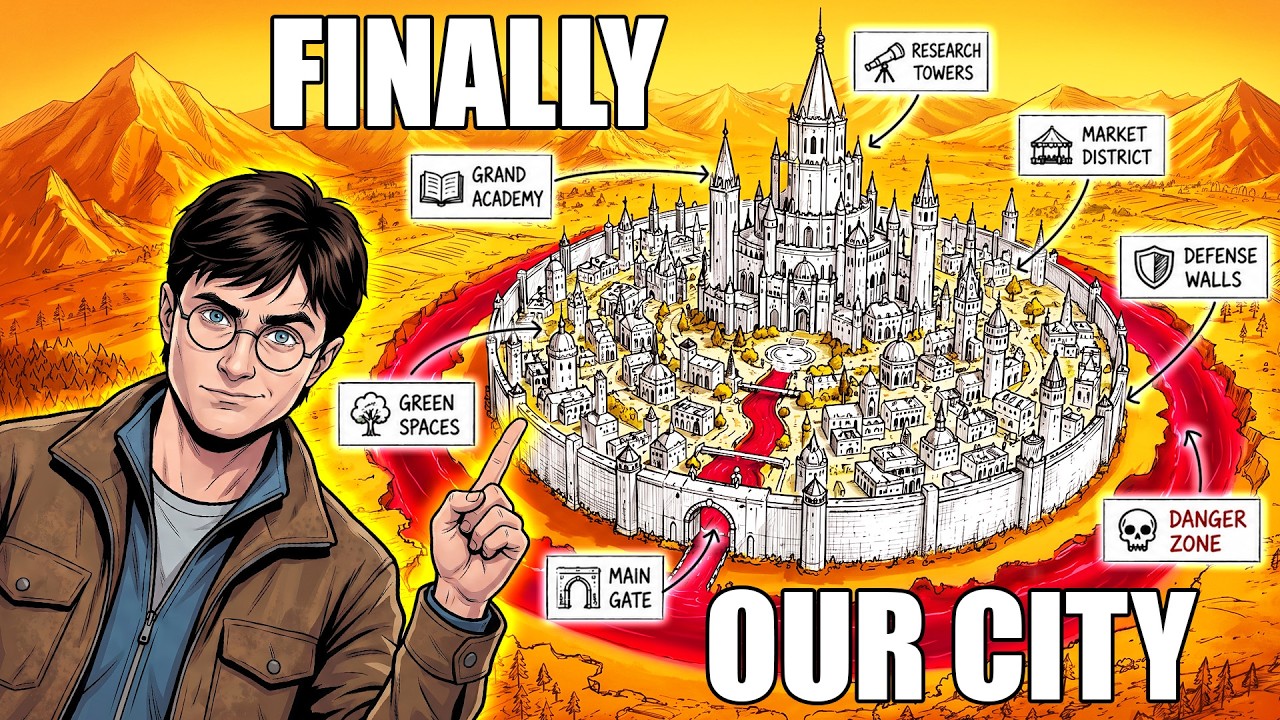
  • Pripyat was a thriving Soviet city built in 1970 with a population of 49,000, designed for Chernobyl nuclear plant workers.
  • On April 26, 1986, Reactor 4 exploded during a safety test, releasing deadly radiation without immediate warning to the city.
  • The Red Forest near Chernobyl turned from green to rusty red overnight due to extreme radiation, becoming one of the most radioactive places on Earth.
  • Radiation levels in the Red Forest once reached 300 sieverts per hour, lethal to humans within minutes, with soil still contaminated decades later.
  • A massive steel containment structure, the New Safe Confinement, was built to encase the damaged reactor and prevent further radiation leaks.
  • Pripyat remains abandoned but is reclaimed by nature, with wildlife roaming freely and plants growing through buildings despite lingering radiation.
  • The video contrasts the natural scar of the Red Forest with the man-made steel tomb of the reactor, both symbols of the disaster's lasting impact.
  • The story highlights the transformation of Pripyat from a symbol of progress to a monument of decay and a reminder of nuclear risks.
  • Viewers are invited to suggest other abandoned cities for exploration, such as Fukushima, Centralia, or Hashima Island.
  • The video combines satellite imagery and narrative to tell a haunting story of ambition, failure, and resilience.

Answers

Questions about this video

What caused the Chernobyl nuclear disaster?

The disaster was caused by a safety test inside Reactor 4 that spiraled out of control, leading to a core explosion and release of radiation.

Why is the Red Forest so radioactive and what happened to it?

The Red Forest received a radioactive plume after the explosion, causing pine needles to turn rusty red overnight as the trees died from gamma radiation exposure.

What is the New Safe Confinement and why was it built?

The New Safe Confinement is a massive steel structure built to encase the damaged Reactor 4 and prevent further radiation leaks after the original concrete sarcophagus cracked.

Full Transcript — Download SRT & Markdown

00:00
Speaker A
They said it was uninhabitable. Yet something still lingers here. Not the people, not the voices, but the memories etched into every wall, every cracked window, every silent hallway.
00:16
Speaker A
This is Pripyat, a city swallowed by silence. A warning written in concrete and dust.
00:26
Speaker A
Before the silence, there was laughter. Children racing through courtyards, music echoing from high-rise windows.
00:35
Speaker A
Pripyat wasn't just a city. It was a promise, a showcase of Soviet power, young, proud, and full of life.
00:46
Speaker A
Built in 1970, population 49,000. A dream city for the workers of Chernobyl's nuclear future.
00:56
Speaker A
No one imagined it would all be gone in less than 3 hours. It was a calm spring night, April 26th, 1986.
01:08
Speaker A
The streets of Pripyat slept in silence. At 1:23 a.m., the sky lit up without thunder, without warning.
01:20
Speaker A
Inside reactor 4, a safety test had spiraled out of control. The core exploded. Graphite burned. Radiation released into the wind.
01:32
Speaker A
But in the city, no alarms, no sirens, only the eerie glow from a place that should have been dark. And so they slept while death began to drift through the air.
01:49
Speaker A
To the west of the Chernobyl nuclear power plant lies a forest unlike any other on Earth. A place once filled with birdsong and green pine canopies, a living ecosystem.
02:04
Speaker A
Now it's filled with silence and radiation. In the hours after Reactor 4 exploded, a radioactive plume swept across this forest. The pine needles turned from green to a deep rusty red. Not over days or weeks, but in a single night. The
02:24
Speaker A
trees didn't burn. They died standing, scorched by gamma rays. Their cells ruptured, their chlorophyll destroyed.
02:34
Speaker A
They became chemical ghosts. Today, this is known as the Red Forest, one of the most radioactive places on the planet. Radiation levels here once reached 300 sieverts per hour. Enough to kill a human in under a minute. Even
02:53
Speaker A
today, the soil remains dangerously contaminated. Dig just 10 cm down and you'll find cesium, plutonium, strontium, all still active, all still waiting.
03:07
Speaker A
And just beyond the treeline, another monument rises. A massive steel ark. 108 m high, 257 m wide, 36,000 tons of engineered containment. The new safe confinement, a modern sarcophagus built to encase the ruins of reactor 4. The old concrete shell had cracked.
03:34
Speaker A
Radiation was leaking again. So over a decade, an international coalition built a second shield, one meant to last a hundred years.
03:45
Speaker A
Inside that tomb lies a melted reactor core, 200 tons of uranium, a silent fire frozen in steel. The Red Forest, the steel tomb, two scars, one natural, one man-made, bound by the same moment in time.
04:06
Speaker A
One still growing beneath the soil, the other holding its breath beneath metal. Decades have passed. The people are gone, but the city still breathes, not through voices, but through vines, through roots splitting concrete and moss covering forgotten desks.
04:28
Speaker A
Pripyat was abandoned, but never empty. Wolves roam the streets. Wild horses drink from radioactive puddles. Birch trees grow in living rooms. Radiation lingers, silent, unseen. But life persists.
04:49
Speaker A
Here, time doesn't heal. It transforms. And what was once a symbol of progress is now a kingdom of decay.
05:01
Speaker A
Pripyat was meant to lead the world into the nuclear age. Instead, it became a silent monument to ambition, to failure, to lives that vanished without a sound.
05:16
Speaker A
Some wounds are too deep to heal, but they must never be forgotten. Which forgotten city should we explore next? Fukushima, Centralia, Hashima Island. We told this city's story. Now tell us yours. Comment with the next place we should explore.
05:37
Speaker A
And don't forget to subscribe for more haunting stories from places time left behind.
Topics:ChernobylPripyatnuclear disasterRed ForestradiationNew Safe Confinementsatellite imagerynuclear accidentabandoned cityenvironmental impact

Get More with the SozAI App

Transcribe recordings, audio files, and YouTube videos — with AI summaries, speaker detection, and unlimited transcriptions.

Or transcribe another YouTube video here →