Speaker A
Is this okay? Don't touch it. Don't touch. No, don't touch it. These babies were put in a room with snakes to see if humans are born with fear. And the results were shocking.
Babies placed with snakes to test innate fear; results reveal fear is learned, not instinctive.
Transcribe recordings, audio files, and YouTube videos — with AI summaries, speaker detection, and unlimited transcriptions.
Or transcribe another YouTube video here →Free tools: TXT to SRT · SRT Validator · Merge SRT · Subtitle to Text · All tools
 0:34
0:34 0:41
0:41 0:57
0:57 0:59
0:59 0:48
0:48 0:44
0:44 0:36
0:36 0:34
0:34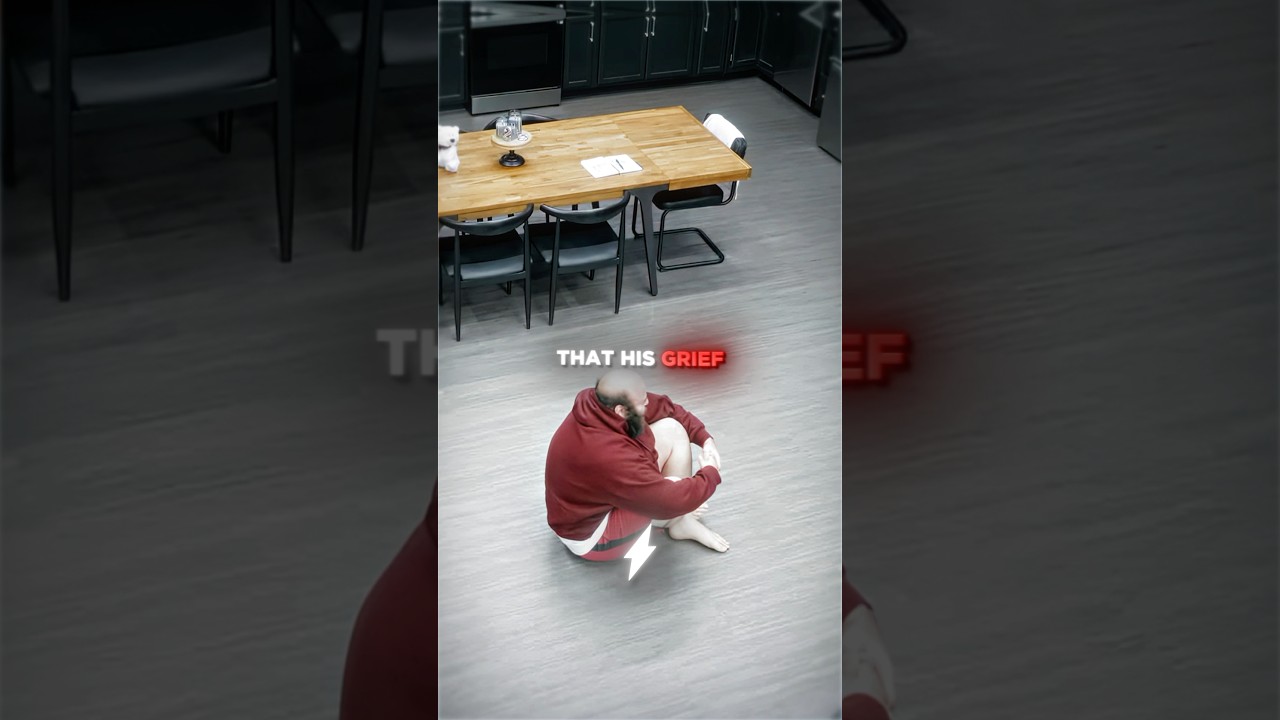 1:02
1:02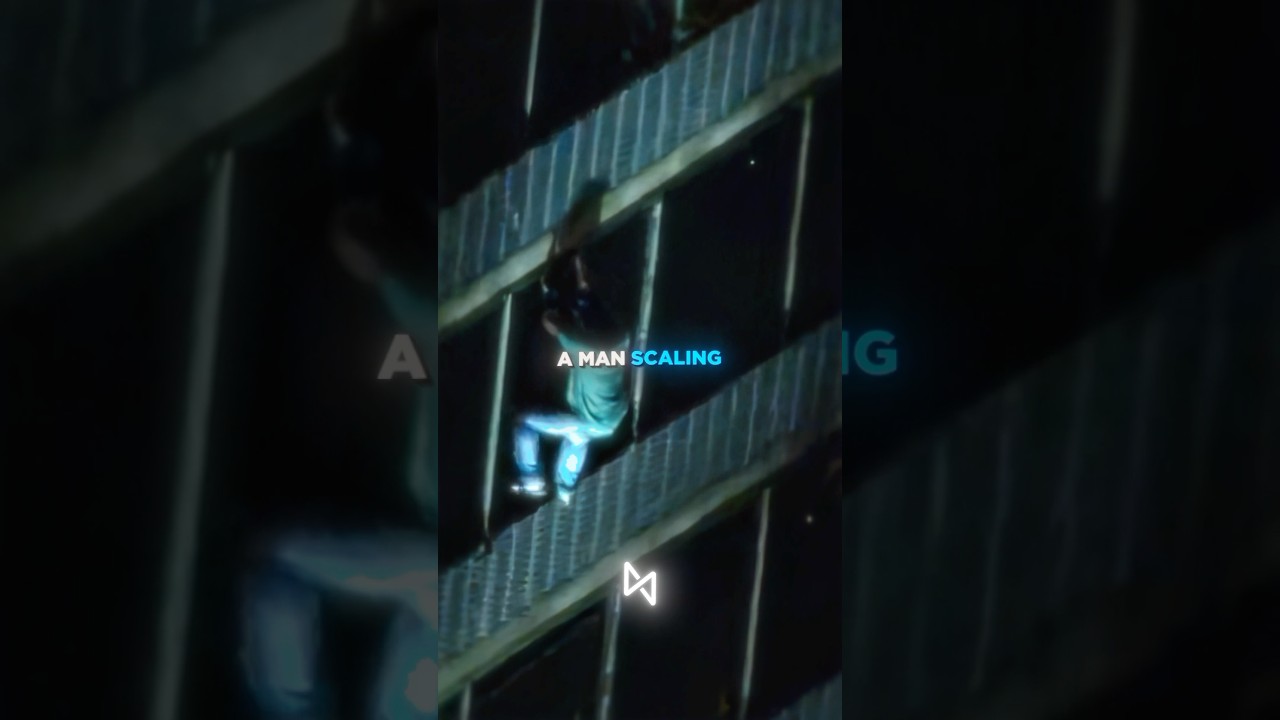 0:36
0:36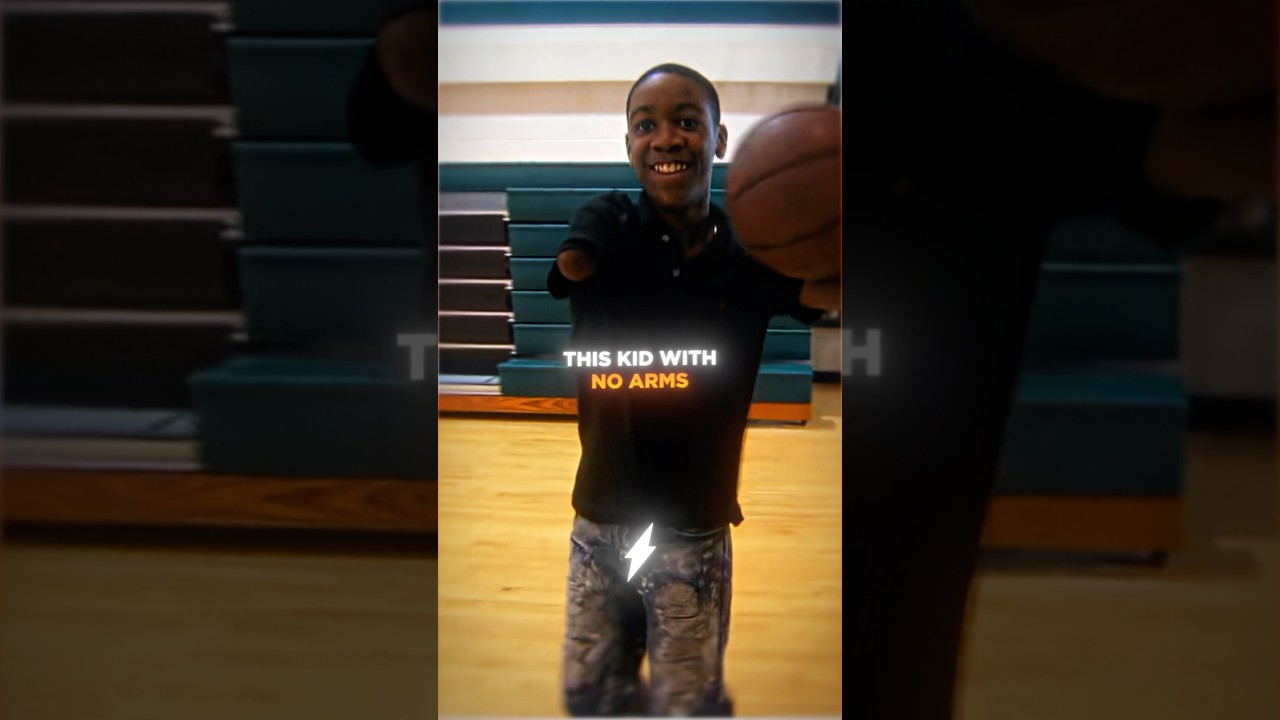 0:29
0:29 0:46
0:46Point your camera
Scan the code to open the download page on iOS or Android. 30 minutes of transcription free, no card.


