Transcription9 min read
Getting the Text of a Recorded Phone Call
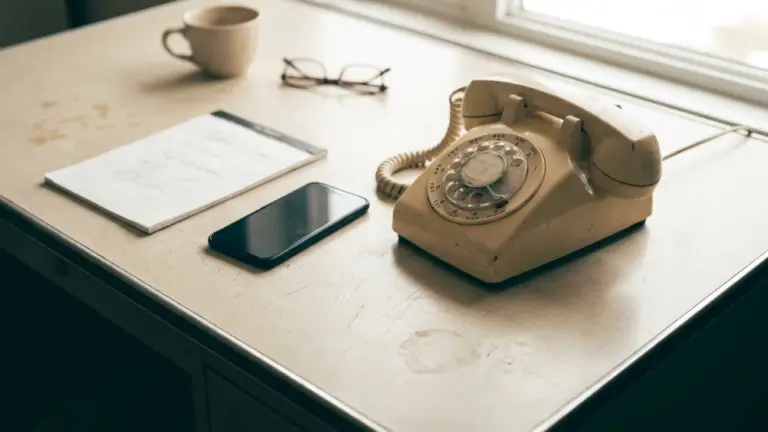
Before you transcribe a recorded call, settle whether the recording was lawful — then deal with narrowband audio, mixed channels, and the numbers you will have to check.
Turning audio and video into text: methods, accuracy, cost, and what to expect from AI compared with a person.
Before you transcribe a recorded call, settle whether the recording was lawful — then deal with narrowband audio, mixed channels, and the numbers you will have to check.
A day-long recording needs a different plan than a short one: split it by meaning, keep the timestamps, and expect the quality to drift.
macOS can extract the audio from a video without installing anything, but it stops short of transcribing it — here is the whole route, including where it breaks.
A practical walkthrough of pulling an exact quotation and its timestamp from a video, checking captions against audio, and formatting it for your citation style.
A finished episode still needs notes, chapters and social posts, and a timestamped transcript is the raw material that makes all four fast instead of guesswork.
Asking the clinician first is what makes recording a consultation work; here is how to ask, where to put the phone, and what to do with the audio afterward.
Before you open a transcription tool, decide what level of detail your analysis needs and what your consent form allows, because both are expensive to change later.
The real time cost of transcribing a two-hour recording isn't the transcription itself, it's the correction pass afterward, and this walks through the arithmetic.
Accuracy claims describe a system on one recording, not your audio, so here is what actually predicts transcript quality and how to judge it per use case.
Local Zoom recordings land in a Documents folder, cloud recordings live in the web portal on a deletion clock, and the small audio file is the one to keep.