Skip to content

YouTube Video — Transcript

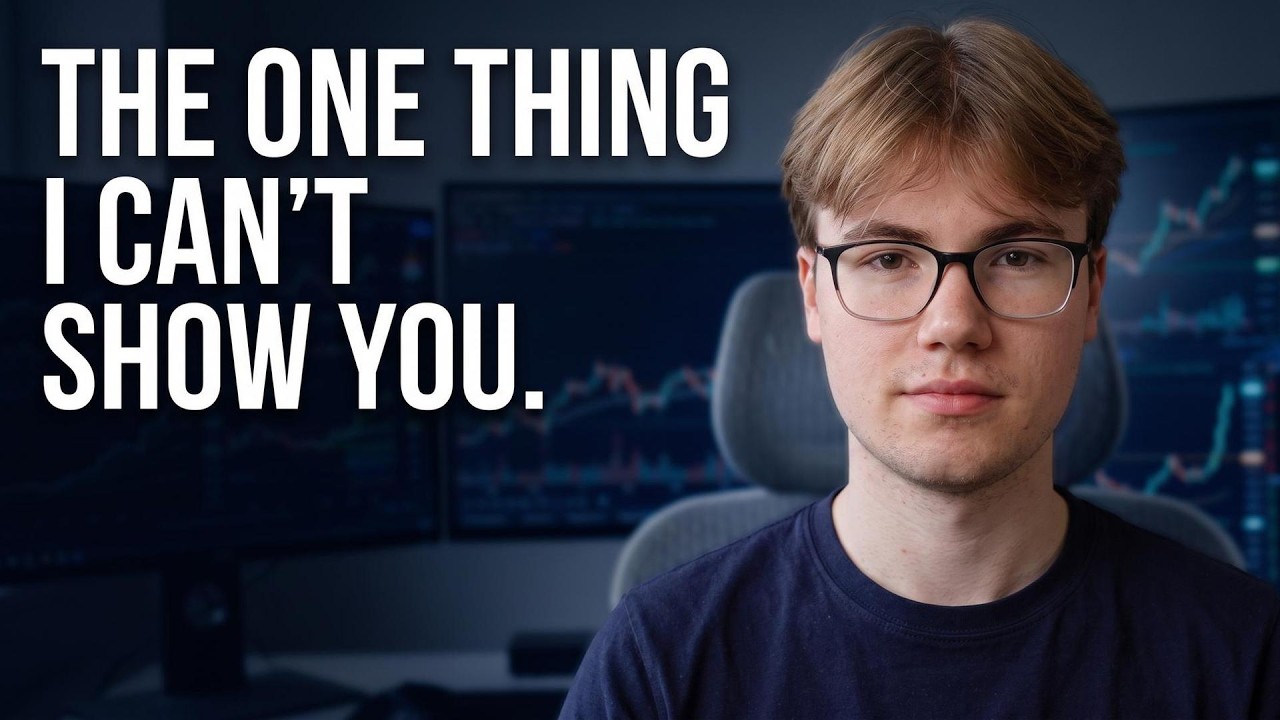
Learn how to win by impressing your future self with a proven process that applies to health, relationships, business, and more.

Key Takeaways

  • Winning is about impressing your future self, not others.
  • Inversion is a powerful tool to identify and flip losing behaviors into winning habits.
  • Small consistent actions and relational approaches outperform transactional ones.
  • Confidence and patience develop over time through repeated practice.
  • Start now and focus on leverage to maximize progress toward your goals.

What the video covers

  • Focus on winning by impressing your future self rather than others around you.
  • Winning applies universally to health, relationships, sales, business, investing, and more.
  • The process to win involves five steps: what to do, how to do it, why to do it, who to become, and when to start.
  • Use the concept of inversion (thinking about how to lose) to identify behaviors that guarantee failure and then flip them to win.
  • Our brains are naturally better at finding problems than solutions, so leverage this by inverting negative behaviors.
  • Examples of losing behaviors include impatience, being unprepared, not following up, and being transactional rather than relational.
  • Simple consistent actions like asking for referrals and following up can significantly improve success.
  • Winning is a continuum, involving continuous improvement in traits like patience and confidence.
  • Success requires breaking down goals into basic steps and practicing them repeatedly to build proof and confidence.
  • Starting immediately and focusing on doing the right things with leverage leads to faster achievement of goals.

Answers

Questions about this video

What does it mean to win by impressing your future self?

Winning by impressing your future self means focusing on actions and habits that benefit your long-term growth and success, rather than seeking approval from others in the present moment.

How can inversion help me improve my chances of winning?

Inversion helps by identifying behaviors that guarantee failure, allowing you to consciously flip those behaviors into positive habits that lead to success.

Why is patience important in the process of winning?

Patience is important because success is a continuum that requires consistent effort over time; developing patience helps you stay committed and improve gradually rather than expecting immediate results.

Full Transcript — Download SRT & Markdown

00:00
Speaker A
What I want to do is show you how to win and impress the only person that really matters, which is future you. Not the person next to you, not the person in front of you, not the person on stage, not your mom, future you. The point of this presentation is to give you a different way to think about this process so you can make it easier to win. The nice thing is that the process I'm going to show you is how you can win at anything, and it works for winning at health, relationships, advertising, sales, real estate, business, investing, and anything else where you have to do things to get stuff. Cool, awesome. All right, so with that being said, let's begin how to win.
00:12
Speaker A
your mom future you the point of this presentation is to give you a different way to think about this process so you can make it easier to win and the nice thing is is that the process I'm going to show you is how you
00:26
Speaker A
So I'm going to cover five things: what to do, how to do it, why to do it, who you need to become to do it, then finally when to start. So let's start with number one. Said simply, what do you need to do to win, AKA impress the future version of you? And the reason I define winning this way is that for those of you guys who are at the top and you guys know who you are, you can't compare yourself to everyone that you're already better than. And I say that from a success, like objective measurement perspective, not as a human being. Everyone's a wonderful snowflake, but you can't compare yourself to people that you're beating because you'll just get complacent.
00:41
Speaker A
win so I'm going to cover five things what to do how to do it why to do it who you need to become to do it then finally when to start so let's start with number one said simply what do you
00:57
Speaker A
You know that for those you guys who are the winners here, for those you guys not at the top or who are on the climb, you can only control what you can control, and you only know what that is. And so there might be advantages or disadvantages that you might have been born with. It also doesn't matter. No one cares. The only people who like excuses are the ones giving them, right? And so let's start with an activity to prove to you that you already know what not to do. So this is a process I call verion, and I use this a hilarious amount, probably too much. And so this, I think at least I will attribute this to Albert Einstein.
01:10
Speaker A
yourself to everyone that you're already better than and I say that from a success like objective measurement perspective not as a human being everyone's a wonderful snowflake but you can't compare yourself to people that you're beating because you'll just get
01:24
Speaker A
Charlie Munger talks about it a lot. Invert, always invert when you have a tough problem. And so I use this, and we use this as a very strong tool because it's easier for our brains to find problems and solutions. So we had to think earlier just now, like let's think of things for gratitude. Did anyone for a split second be like, [expletive], right? Anyone? Anyone else do that? Because I heard it backstage and I was like, right, you're about to be on stage that you could be grateful for that, right? I was just thinking about that. But like, if I said, hey, can you think of a problem? I could be like, I can give you 20 right now, right? Right off the top of my head is like my knee kind of hurts a little bit, right? Like I can start giving you problems really easily.
01:37
Speaker A
and so there might be advantages or disadvantages that you might have been born with it also doesn't matter no one cares the only people who like excuses are the ones giving them right and so let's start with an activity to prove to
01:53
Speaker A
But that's because we're programmed to survive, not thrive, right? Our brains are programmed to find threats to make sure we live to see another day, not so that we enjoy today. And so we actually have much stronger problem-finding skills than solution-finding. And so what I want to do is use our anxiety-driven threat-finding brain for something good. And so here's the activity. I want you to imagine the least successful version of you, loser. What does that person do or not do to guarantee that you won't win? How do they guarantee that you lose?
02:04
Speaker A
Charlie merer talks about it a lot um invert always invert when you have a tough problem and so I use this and we use this as a as a very strong tool because it's easier for our brains to
02:15
Speaker A
All right, so shout some of these out just like what does that person do to lose? Netflix? Okay, I heard that one. Drugs? Drugs? Okay, we're going way deeper and darker than I was thinking. He's like a heroin addiction. I'm like, okay, yes, understood. I thought you guys were going to say something like [laughter] [applause]. This being impatient, show up late, be unprepared, not confident, heroin. We can throw that up there. Being transactional rather than relational with your clients and customers. Don't follow up. Someone's like, hey, I've been thinking about selling my house, and you're like, awesome, and then you just never call them. I've got a friend who might be interested in your services, and you're like, that's a damn shame. Don't advertise. Don't ask for referrals.
02:26
Speaker A
backstage and I was like right you're about to be on stage that you could be grateful for that right I was just thinking about that but like but if I said hey can you think of a problem I
02:34
Speaker A
Right, these are probably some things that would guarantee that you won't be successful, right? And there's probably more we could add to this list. And so I would encourage you, though, if you really think about this, to really put these things down because this is genuinely the process that I think about when I want to grow a business, when I want to get into a new endeavor. I think, how could I guarantee that I would lose? Like, what would I, in the fewest moves I could possibly make, what are the fewest things I could do to absolutely guarantee that I lose? And actually, the smaller the list you can make, the more potent those things are. Like if there's just one thing that you can do to guarantee that you lose, that usually becomes the north star of how you win.
02:42
Speaker A
because we're programmed to survive not Thrive right our brains are programmed to find threats to make sure we live to see another day not so that we enjoy to day and so we actually have much stronger problem finding skills than
02:56
Speaker A
So how do we use these things that our brains came up with to win? Right, we invert it, we flip it. And so this is what that would look like. So impatient goes to, sorry, impatient goes to patient. Showing late is to always being on time. Being unprepared to being always prepared or overprepared. Not confident to confident. Transactional to relational. Doesn't follow up to always follows up. Doesn't advertise to advertises constantly. To not asking for referrals to always doing so.
03:16
Speaker A
to guarantee that you won't win how do they guarantee that you lose all right so shout some of these out just like what does that person do to lose Netflix okay I heard that one drugs drugs okay we're going way
03:33
Speaker A
Quick story on this. One of our companies had one sales guy who was outperforming the previous top salesperson by 2X. And so I wanted to know what this guy was doing. So I hopped on the phone, which he was like, right. And so I was like, what are you doing, man? And he's like, after I sell someone, I just ask if they want to bring somebody else. And I was like, yeah. And then I looked at the sales director. I was, is that not in the [expletive] script already? He's like, no, no, it is. And I was like, why are we not enforcing it? He was like, we are now. And so simple [expletive], right?
04:00
Speaker A
can throw that up there being transactional rather than relational with your clients and customers uh don't follow up someone's like hey I've been thinking about selling my house and you're like awesome and then you just never call them I've got a friend who uh might be
04:18
Speaker A
And so a lot of you guys already know how to win because you know how to lose, so flip it. So after all that, I guess everybody here does know what to do to win, right? But maybe you just don't know how to do it. So let's talk about that. So most times, we don't know, we don't do things because we haven't broken them down to the most basic form. All right, the more skilled you are, the more general a command can be and you can follow it. So someone can go, Shiron can be like, hey, you want to JV on this company with me? And he'd be like, can you grow it? And I would say sure. Very general command, right? Can you grow this business? Sure.
04:30
Speaker A
so I would encourage you though if you really think about this to really put these things down because this is genuinely the process that I think about when I want to grow a business when I want to get into a new Endeavor I think
04:41
Speaker A
If you go to a toddler and say grow this business, they're going to be like, what does that mean? But the thing is, is that we're not so dissimilar from toddlers. It's just that our egos grew up but not our abilities. And so you might say to the CEO, go advertise. The less skilled you are, the more broken down the command must be in order to follow it. So if I were to tell the toddler genuinely how to grow the business, it might start with hit the button, then wait until the light comes on, then click the blue circle, then type in facebook.com, hit enter. You guys catching this?
04:53
Speaker A
potent those things are like if there's just one thing that you can do to guarantee that you lose that usually becomes the north star of how you win so how do we use these things that our brains came up with to win right we
05:07
Speaker A
So what's the difference? The level of detail in the instructions. And this is why two people can go through the same training or event and get wildly different results. Results come down to the number of skills the person has and the number of skills required to understand and execute. This is how learning happens. So skills for winning coming into this event today might be they already know how to email market, they already have charisma, they know how to speak, they know how to follow up, they have these skills. The other person here might have no skills, and they could attend this event and then nothing would happen. Was it the event or was it the person?
05:19
Speaker A
to confident transactional to relational doesn't follow up to always follows up to doesn't advertise to advertises constantly to not asking for referrals to always doing so quick story on this uh one of our companies had one sales guy who was outperforming the previous
05:34
Speaker A
It's just that there are requisites, just like in college. You've got requisites to do something. You have to have former skills to advance to the next level. And unfortunately, and this really applies to those of you who have teams, and if you are a teammate, you can think about this in reverse. If you have one broken link in the chain of commands or in...
05:46
Speaker A
asked if they want to bring somebody else and I was like yeah and then I looked at the sales director I was is that not in the [ __ ] script already he's like no no it is and I was
05:57
Speaker A
like why are we not enforcing it he was like we we are now and so simple [ __ ] right and so a lot of you guys already know how to win because you know how to lose so flip it so after all that I
06:13
Speaker A
guess everybody here does know what to do to win right but maybe you just don't know how to do it so let's talk about that so most times we don't know we don't do things because we haven't broen them
06:30
Speaker A
down to the most basic form all right the more skilled you are the more General a command can be and you can follow it so someone can go shiron can be like hey you want to jv on this
06:41
Speaker A
company with me and he'd be like can you grow it and I would say sure very general Command right can you grow this business sure if you go to a toddler and say grow this business they're going to be like
06:56
Speaker A
what does that mean but the thing is is that we're not so dissimilar for from Toddlers it's just that our egos grew up but not our abilities and so you might say to the CEO go advertise the less skilled you are the
07:09
Speaker A
more broken down the command must be in order to follow it so if I were to tell the toddler genuinely how to grow the business it might start with hit the button then wait until the light comes on then click the blue circle then type
07:24
Speaker A
in facebook.com hit enter you guys catching this so what's the difference the level of detail in the instructions and this is why two people can go through the same training or event and get wildly different results results come down to the number
07:43
Speaker A
of skills the person has and the number of skills required to understand and execute this is how Learning Happens so skills for winter coming into this event today might be they already know how to email Market they already
07:56
Speaker A
have Charisma uh they know how to speak they they know how to follow up they have these skills the other person here might have no skills and they could attend this event and then nothing would happen was it the event or was it the
08:09
Speaker A
person it's just that there are requisites just like in college you've got requisites to do something you have to have former skills to advance to the next level and unfortunately and this really applies to those of you who have teams
08:23
Speaker A
and if you are a teammate you can think about this in Reverse if you have one broken Link in the chain of commands or instruction that someone does not understand they get stuck and then they do not complete the task and you're like
08:37
Speaker A
why are you so incompetent and it might just be because they don't understand one step and so for example let's say that you need you hear go advertise right skilled guy says on it the less skilled person says but how
08:52
Speaker A
now compare that to turn on your computer do you think everybody in your team can do that right so that means that everybody here here can be successful if you literally just break it down to a level that you cannot fail
09:05
Speaker A
that you understand every step does that make sense that I can do so you need to break things down to their most basic level so that everyone can learn them and when you do that you make it easier for more skilled people
09:20
Speaker A
and you make it possible for Less skilled people and so for example I said earlier on purpose be more charismatic right can we agree that if someone's more charismatic they might do better in this field in general yeah cool what does
09:37
Speaker A
that mean it means smile when people walk in change emphasis and tality when you're talking remember people's names ask people about themselves nod multiple times and then respond when people are talking keep eye contact address everyone in the room when you enter and
09:58
Speaker A
exit we might then say that person's charismatic but if someone says to you be charismatic you might be like okay but if someone said do these six things do you think you could do that yes you have to break it down and so the
10:16
Speaker A
this is the essence of good teaching and training and learning how to learn will make you better at teaching yourself and then by extension your team so here's the writer Downer if you can learn it it is a skill and if it's a
10:32
Speaker A
skill you can teach it which is why I wholeheartedly reject the concept of people being born a certain way they might have physical attributes that Orient the environment to reinforce certain behaviors but if they became that way they were taught to be that way either
10:50
Speaker A
formally or informally but they learned that because it was reinforced at some part in their lives which means right now if you're like I'm not naturally charismatic neither are children they learn and if you can Pock your ego you can
11:06
Speaker A
too which means that these traits everyone says the best are born with are simply buckets of smaller skills that we group together into a single larger term to save time when we're communicating we we don't say hey Johnny's such a good realtor because he
11:25
Speaker A
smiles when everyone walks in the door he remembers everyone's name he changes his tonality when when he speaks he's you know he he always addresses everyone ins inside and out when he enters and exits we don't say that we just say he's
11:36
Speaker A
charismatic but that shorthand in language is a source of confusion and remember at the beginning I said this is going to be Mr Miyagi thing don't worry it'll come back and the thing is is we know how to
11:49
Speaker A
teach toddlers but it's also how adults learn our egos are just too sensitive to allow it and so what I want you to do is operationalize the list of actions that we figured out together earlier right we had this big list of all the ways that
12:01
Speaker A
you know you can lose we flip those into how we can win and then we take those words like be patient be charismatic always be on time we say how do I operationalize that what do I actually do turn on the button turn the computer
12:12
Speaker A
on hit enter how do we do that and so if you're like what does operationalize mean explain using actions or behaviors you can see with your eyes someone being charismatic I can't see with my eyes did they smile when
12:25
Speaker A
they walked in the door I can observe that did they call someone by their name I can observe that did they whatever the other things on my list were right no it's not feelings thoughts intentions Impressions manifestations affirmations or psychology none of those
12:40
Speaker A
things belong in instructions why because you have no idea what anyone else is thinking all we know is that as a group when people follow this process more people buy and here's the cool part that's all we need to know we don't need
12:58
Speaker A
to test the science of the psychology we just know that when we greet people we look them in the eyes we shake them we remember their hand and then we and then we follow up on this Cadence it works
13:08
Speaker A
that's it it's all we needed to know and then do it and so we know that if we do these things you get this outcome and that makes learning and teaching a lot simpler we deal with only what we can measure and observe and I
13:25
Speaker A
promise you if you can look at the world this way one 90% of the content you in your newsfeed you will just be able to ignore his noise cuz people are like it's the manifestation of the internal Trauma from child just just smile and
13:39
Speaker A
shake their [ __ ] hand like just stop stop stop so let me give you another example and this is one that I actually struggled with so I I spent a lot of my time trying to operationalize words
13:51
Speaker A
because it just helps me understand the world better because I don't feel like I understand much at all and that's and I just share that stuff in my content because I share the stuff as I figure it out or at least as I figure it out for
14:00
Speaker A
me and so I have always been somebody who identified as being an impatient person and I figured if I was going to be an investor patience would probably be a very important character trait to have and I was like what how do I do
14:13
Speaker A
that if someone's like be patient you're like now what right so what does that mean so patience means figuring out what to do in the meantime that's it AKA doing anything besides doing the thing you're avoiding including doing nothing at all this is
14:34
Speaker A
why some of these dictionary definitions are very difficult to actually do anything with it's not the capacity to accept or tolerate delay trouble suffering without getting angry or upset just figure out what to do in the meantime that's being patient so quick
14:48
Speaker A
question who here has Investments this isn't like a big Flex question okay cool now right now provided you literally aren't on Robin Hood selling your [ __ ] you are being patient by just being here like right now your Investments are
15:04
Speaker A
moving in One Direction or another and you're being patient because you figured out something to do in the meantime huh not so hard in other words right yeah I wrote this there we go which brings me to my next howo
15:20
Speaker A
binaries and continuums real quick if you it's not that you are patient or not and the reason I'm emphasizing this is because sometimes it can feel unrealistic to trying to team these traits it's like well it's so hard for
15:32
Speaker A
me to be charismatic or you know not softspoken or patient right but it's not about being it or not being it the question is how patient are you which means that it's not a binary it's a Continuum it's can I move myself slowly
15:46
Speaker A
in this direction by taking actions all right which makes every skill you work on improvable and so every do everything that we do to impress our future selves is another proof point that we Act more times than not in this
16:01
Speaker A
way until eventually we begin to describe ourselves as patient or detail oriented or charismatic and this allows us to see progress with these quote traits which are really just buckets of larger skills that we do shorthand with so we can
16:17
Speaker A
communicate and so now that we covered that I can finally Define three terms that I think will matter for everyone in this room and cement the how learning intelligence and confidence so let's start with learning learning simply means same condition new
16:33
Speaker A
Behavior so the same thing happens and then you respond differently that's learning so if I show you a red card and then I slap you like wow that sucked and I put it back in my pocket and then I bring out
16:50
Speaker A
my red card again and then I slap you then I bring out my my red card again you duck you learned the phone rings hello no script phone rings hi phone rings read the script you learned same condition new Behavior
17:30
Speaker A
learning so please remember this because I'm going to hit on this multiple times throughout learning means same condition to behavior if you're presented with the same situation and you do not change how you behave you have not learned so that's learning
17:45
Speaker A
intelligence how fast you change what you do in the same situation intelligence is rate of learning speed of learning so Dumber phone rings no script phone rings no script phone rings no script never changes Dumber liing how complex this
18:15
Speaker A
is smarter phone rings no script phone rings read script changes faster smarter everyone wants to think they're smart but many of you will leave this event go back to the same environment and not change your behavior so if that's you which one of
18:41
Speaker A
these two are you below Dumber everyone's like or [Music] smarter so you may not have ever thought that you were smart but if you change your behavior you can beat even the quote smartest person which is why you
19:05
Speaker A
need to be Delta you need to be a triangle change instead of an L7 weeny a square right that's why triangles win because we change so that's intelligence which is simply rate of learning how quickly you change your behavior under
19:19
Speaker A
the same conditions so how can we tie that to confidence cuz I think could we agree that a realtor who's more confident would probably do better in this field than one who isn't okay awesome the percentage likelihood that's something happens in statistics
19:34
Speaker A
you have a confidence metric how confident we are are we that something's going to happen and confidence is domain specific so you can be a confident realtor and a not so confident parent kind of interesting so how do you increase your
19:47
Speaker A
confidence percentage with proof well how do you create proof you do it a lot of times and how can you make sure you have a high percentage likelihood that the script comes out the way you want it with a client you do it in the exact
20:02
Speaker A
situation a lot of times because confidence is domain specific there's some people who practice their speech in the mirror but when they get on stage they freeze they're like but I practiced this thing you didn't practice in front
20:13
Speaker A
of a crowd it becomes domain specific you sound so certain here's how you do that do it enough times that you get bored of it so like you can complete the sentences you can do it while you're driving you can do it in any situation
20:28
Speaker A
you want because guess what that's when you'll be performing the script so here's a writer Downer confidence comes from the past not the present if your plan requires luck it's a bad plan if you need to get lucky in
20:45
Speaker A
order to win in this game you will not win so you can prepare and you do that in the past before you need the skill you dig the well before you're thirsty so now that we covered the what you guys
20:57
Speaker A
all know the big list of things that you should be doing and you can break it down into an operationalized little basic nugget of I can actually do this with the how let's talk about why you should but
21:12
Speaker A
aren't so I'm going to talk about two things within my little y category external conditions and internal conditions so I'll start here that's supposed to be like the economy I I don't know if that the little visual looks economic but I liked it okay
21:29
Speaker A
so here's why you might not be doing it I call this the five stages of opportunity hopping so you go from Step One uninformed optimism you're like man in this low interest rate environment my cousin's making a killing in real
21:42
Speaker A
estate must be amazing I could do that too then you hop in you go to step two which is informed pessimism huh this is not as easy as I originally thought people aren't just coming to give me their homes to
21:56
Speaker A
sell well G goly and then you keep going you keep going and you reach this third point where you're like the valley of Despair what is life is this really what I want to do am I passionate about real
22:10
Speaker A
estate you know I really do love being a family person you know I just and then you start justifying reasons not to do something right and this is what most people do is they get to the valley of
22:23
Speaker A
Despair and then they jump because in the beginning there you saw your cousin who doing well at real and you're like I'm going to jump in but you were doing something before that that you were just in the valy to spare of that thing and
22:36
Speaker A
so all you do is or not you but all many people do is that they just uninformed optimism informed pessimism value of Despair uninformed optimism informed pessimism value of Despair uninformed optimism if it sounds repetitive some of you have lived this thing 10 [ __ ]
22:57
Speaker A
times and so many of you guys are here right now it's a tougher climate than it was 24 months ago but here's what it looks like when it's right you go to stage four which is informed optimism which is you know what
23:15
Speaker A
there is a process that when I got into this I didn't understand but now I do understand it and I've broken it down into into actions that I can do and perform on a regular basis and I have a
23:24
Speaker A
feedback cycle so that I can learn how to get better and I will measure myself on the progress that I do to the things that I've committed to I know how to win and then you do that stuff and you
23:37
Speaker A
get to step five which is you win and then you question why life is meaningless to begin with but you know whatever we'll get to that later so so we get more for what we put in when we stick with things you get
23:52
Speaker A
compounding returns when you stick with things longer and so wealth is made during the hard times because because the largest percentage of the market transfers to the few left standing that guy work out the more you do anything the better
24:11
Speaker A
you get at it and the more environments you do it in the better you get at it in more environments especially considering a macre environment right now right so the question is who would you trust more to sell your house the agent who's been
24:24
Speaker A
through three recessions and never left the profession rhym didn't mean to do that but sounds that's cool or the agent who juggles three opportunities and hops in and out when it's convenient oh some of you were like that's
24:38
Speaker A
me right and you wonder why you don't win and so your clients feel that way too and so even if the people who see you right now aren't in the market they're always deciding who they're going to go with when they
24:53
Speaker A
do and so people including future you will be watching what you do and how you you act and so you need to do three times the work for the same outcome today but 10 times the eyes are on
25:05
Speaker A
you and so if you close deals when times are hard they'll know you can close their deal when times are easy so tldr down times is when Champions are made it's when skills are sharpened if you can win now when the
25:20
Speaker A
economy turn turns around you will crush I love this quote a smooth sea never made a skilled sailor who here to be [ __ ] great then we should [ __ ] wish for storms because if you want to be a
25:37
Speaker A
skilled sailor then you need you cannot be great unless you have something to test yourself against you can't claim that you were loyal until someone if you're married if until somebody comes up to you and you say I'm good you can
25:49
Speaker A
just claim loyalty all day but until you test it you don't have the skill because you have no proof today these times are are opportunities to give our ourselves proof of who we really are and I think that is one of the most motivating
26:02
Speaker A
things of hard times is that these are the stories that you will someday tell about yourself so here's the writer down what makes you extraordinary isn't what you do it's how long you're willing to do it for there's nothing extraordinary about
26:17
Speaker A
saying someone's name and shaking their hand I mean it's great but is it extraordinary I don't know but if you do it every single time for the rest of your life is that extraordinary something as simple as that that yes it
26:30
Speaker A
is so it's not what you do it's how long you're willing to do it for and so I said I was going to talk about two things external conditions did that now I'm going to talk about this internal
26:42
Speaker A
conditions for why you're not doing something that you should be doing so where does motivation come from I don't know right childhood trauma I didn't get hugged enough whatever right motivation comes from deprivation let going to get dark for a second it'll
27:00
Speaker A
be fun this person for example is very motivated to breathe you going to agree on that okay next Point unmotivated to have sex they might be who knows some of you guys are wild all right I don't want to
27:20
Speaker A
breathe all right calm down okay so don't worry I'm moving on I know that yeah yeah I'm moving on I'm moving on so let me explain so when are you more motivated to eat drink water sleep when you're hungry thirsty and
27:39
Speaker A
tired that's when you're the most motivated have you ever finished a big meal and been like man I could go for another Pizza probably not have you drank a big gallon of water and been like I don't want any more
27:50
Speaker A
fluids of course not because you're not deprived and so when you're full you don't want it anymore after you finish Thanksgiving to dessert you're stuffed are you still hungry no have you drink a bunch of water do you want more no so
28:03
Speaker A
what does this have to do with motivation to win and make money I told you I'll wrap it I I'll move it right because by this logic wouldn't all poor people be motivated since they're deprived of money right that would make
28:17
Speaker A
sense but we know that's not the case because the people who make the most money are the ones who keep wanting to make more huh so here's why you know when you're tired hungry hry or thirsty you perceive
28:29
Speaker A
a gap and your motivation is proportional to your deprivation how much you don't have right very hung like this guy is much hungrier than the person who's just like maybe I'll have dinner on the way home and so here's why money motivation
28:43
Speaker A
is more complicated than hunger or thirst or being sleepy with money deprivation is not physiological it's psychological you only feel poor if you perceive a large gap between Where You Are and where you really want to be so let
29:01
Speaker A
me show you this visually so let's say you're at $5,000 a month in income and your desire is to get to $10,000 a month fair enough cool now let's say this guy is doing a million a month in income but he wants
29:15
Speaker A
to get to 10 million a month in income relative to their goal one guy is closer he's only half of his goal the other guy's one tenth of his goal who's more deprived huh hang around five people with 10
29:35
Speaker A
times the net worth that you have and you'll feel poorer than you ever did when you were poor around poorer people than you that'll be a horos family uh tongue twister for my children um AKA changing your minimum standard which I stole from
29:53
Speaker A
Shon the number one predictor of wealth is an IQ gender race and this one startled me it's the ZIP code you're born in kind of [ __ ] with you a little bit you're like huh it's not about race it's
30:07
Speaker A
not about gender it's not even about IQ it's just where you're born which means it's the things that we compare ourselves to because your environment sets your standards if you change the environment you change your behavior this is why networks like this
30:23
Speaker A
are so valuable like you can basically get someone to do anything if you Orient the en arm in the right way I can get everyone here to take off their clothes if I make this 150° in this room I
30:38
Speaker A
could you could if you change the environment you can change Behavior if I told you to to like hey everybody get naked be like I'm good Alex fair enough crank this thing to 150 people start stripping I didn't need to say anything
30:55
Speaker A
the environment changed your behavior more than I ever could this is why the places like this and networks like this are so valuable and so if you want to feel more motivated change who you compare yourself to our environment stretches the Gap and
31:12
Speaker A
you experience the deprivation rich people are more deprived of money than poor people because they compare themselves to richer people than poor people do and so consider this extreme example you've got the guy with a bag on his
31:25
Speaker A
back nothing else he needs I have everything I need two I need everything who's more deprived so you might be like huh this seems kind of dark is there a clean way to make this comparison without focusing on other people because that's what I
31:43
Speaker A
would be asking yes compare yourself to the person you generally want to become that's how you can create the Gap so here's the writer Downer if you want to change what you do change who you compare yourself to
32:00
Speaker A
so we covered external conditions that might be stopping you from the doing the what opportunity hopping and sticking it out right and now we cover the internal conditions that might have preventing been preventing you who you compare yourself to and your internal levels of
32:12
Speaker A
motivation and deprivation so now that we covered the what and we covered the how we covered the why internal and external now let's talk about who you have to become to do that so how do we become someone with
32:25
Speaker A
certain traits well contrary to popular opinion and the Instagram people I don't think it has to be do with becoming at all so when we describe who someone is what do we do we describe how they behave and what
32:41
Speaker A
they do being and identities become descriptions of what we do and so little Aristotle little ancient Greek we are what we repeatedly do and that's why I think this whole thing that has been very popularized by the the the the fluff people hopefully
32:59
Speaker A
no one else said this earlier on this stage that would suck um B do have is BS so let me explain we describe someone identity we say hey he's honest he's hardworking he's a real estate agent that's how we
33:14
Speaker A
describe them so let's translate those he's honest he States the facts he's hardworking you complete tasks as fast or faster than expectations you agree to there a real estate agent someone who represents buyers and or sellers in real
33:30
Speaker A
estate transactions all right that's the identity but everything that we use to describe the identity are things the person does note that being has 100% to do with doing so if you want to be a certain type of person then you need to do what
33:46
Speaker A
that certain type of person does and when you do those certain things then you get the results of those actions which means you can summarize the entire thing of B do have to just do cuz by doing you be and by doing you
34:02
Speaker A
get just do this makes the person that you want to become the actions you take that we later describe as identity 100% under your control which I think is very inspiring which is why one of my favorite sayings of all time is here's a
34:19
Speaker A
writer Downer the work works on you more than you work on it and so I'll tell you a little story so I was at Sephora with my wife uh it's a makeup store um it's where they sell paint for ladies anyways
34:35
Speaker A
so we're there and I'm standing against the wall like this and Lila's doing whatever and I see these two little girls super excited and the lady in the smok comes up to them and she's like okay this is eyeliner and this is
34:51
Speaker A
lipstick I learned those terms um and you need to start budging for this now cuz they they're probably like this height is agewise and they were so excited and they're like because now that you're grown up and your guys are
35:04
Speaker A
women like you have to start budgeting for this every month because you need to start spending it and I thought it was such a cute little story and the girls were so excited but she basically said that with a new identity comes new
35:14
Speaker A
priorities you're going to shift how you allocate resources based on the person you want to become these girls want to become women and so she said great you need to change how behave and so for many of you being
35:25
Speaker A
number one in winning simply comes down to doing what the number one person does or would do or the number one version of yourself and then if you do those things people will eventually describe you that way when the evidence catches
35:41
Speaker A
up so we talked about now we've talked about who you have to become which is just a reminder of just doing what future version of you does for a long enough period that you would describe yourself that way all right so finally
35:55
Speaker A
let's talk about the when you should start so when do you start this stuff because you might be like you know what Alex this all sounds great the little hand thing with the fingers cool but I'm busy now it's not a good time maybe in
36:06
Speaker A
the future so let's put it up there I think there's three things about time that I find interesting so you can have a reason not to do something because season-wise economically or timing in the season of your life isn't good we
36:21
Speaker A
can think about hour by hour you're like literally I don't have the time in the day to get this stuff done that would make me number one or you can use something that I like to call the when
36:29
Speaker A
then fallacy so let's break it down so if you're busy that's actually the best time to change your behavior why because you guys want this to last right if you're going to change your behavior you want your behavior
36:44
Speaker A
change to last correct then if you only wait until you're not busy then you assume that you will be not busy again in the future because if it's contingent on you being not busy then the moment you get busy
36:57
Speaker A
again you'll stop so start when you're the busiest so that when you get busy again you already know how to do it and that you can stick with it does that make sense cool did anyone get one of their reasons crushed
37:13
Speaker A
great so if you're waiting till you're less busy to start a new habit or program it assumes that you get busy again you'll stop if you want enduring change the best time to start is when you're busy learn how to make it work in
37:23
Speaker A
the worst condition and it'll stick in the best now is the best time let's go hour by hour so I used to say the same thing to my wife of like I just don't have time to do all these
37:38
Speaker A
things and you know what she did she grabbed my phone she looked at my time usage and she was like huh here's four hours every day you spend on not work I guess I found you some time anyone want to look at their phone
37:55
Speaker A
right now probably not the other way to think about this is like do you think that there's someone on Earth who had less make it happen yes of course if they can you can too right everyone is the same 24 hours it's about
38:12
Speaker A
how you allocate them and the nice thing is is that if you're doing a lot of stuff right now and you're not getting to where you want to go you're doing the wrong stuff and so the first thing when
38:23
Speaker A
you when you course correct is actually elimination not addition cuz most of stuff you're doing right now is not working so then change what you do and you'll have way more time smart busy broke can't be all three
38:37
Speaker A
you got to pick two you can be smart and busy but you won't be broke you can be busy and broke but you're not smart you can be smart and broke but you're not busy super real talk if you're working
38:50
Speaker A
all the time and you're not making progress you're doing the wrong stuff right people who achieve goals faster don't actually move faster they achieve more with every step this is the basis of Leverage they get more for what they
39:00
Speaker A
put in if you're not moving as fast as you want you're doing the wrong stuff okay so consider the alternative because some of you are still like holding on to this and you're like but I really don't have time it's like okay you're right
39:12
Speaker A
and you'll never achieve the success you want and it's not your fault that feel better right didn't think so so let's assume that you've got the time and you're spending it the wrong way so that's number two let's go to the
39:27
Speaker A
one then FY always a fun one so this one kept me stuck for years basically you think when I have more time I'll do it it's like saying I'll save money when I have more money or like I'll get healthy
39:43
Speaker A
before I go to the hospital or I'll I'll get a I'll go to the gym once I have a six-pack you invert the sequence you're getting this you're getting the order wrong right you do the stuff now to get
39:54
Speaker A
the thing later you do and then you get you don't get in order to do so that's number three so when do you start answer the moment you want to be the future version of yourself AKA when so when do you want to become the
40:14
Speaker A
future you or when do you become the future you when you do what they do because if identity is based in action then the moment you start doing the things that future you does you are that person it just takes time for the proof
40:27
Speaker A
to show up but you are that person already and that is enough for you so we talked about what how when who and when you should start so you're like now what well [ __ ] I don't know so the name of the presentation was
40:44
Speaker A
how to win remember the whole intelligence and learning thing the longer it takes you to start doing the things you know what to do and how to do the less intelligent you are and whenever you get Stu stuck break
40:58
Speaker A
things down that you need to do into continually smaller chunks until you understand how to do them so whenever you get stuck just think oh there are terms or words here that I don't understand I just need to break it down
41:09
Speaker A
more don't let your ego get involved if you're like someone says you need to advertise more you got to be like okay what does that mean and you break it down okay it just means post this many okay I get that okay it means you have
41:20
Speaker A
to do 100 DMS okay I got that so the reminder is you guys know how to win better than I could ever tell you so take the inverted list from earlier write out the things that would guarantee that you lose flip them to
41:32
Speaker A
what you would do to win and then break down those terms into the action steps of what it takes to be that trait or have that skill traits are just skills and then practice it until it becomes second
41:46
Speaker A
nature and then Chunk Up So in the beginning you just have to talk about doing 100 DMS once you know how to do that you know how to do cold calls and Outreach and door knocking and and ads
41:54
Speaker A
and all this stuff then you can just say advertise you can chunk it up because you have more skills and then you measure your success by whether you completed the actions that would make it unreasonable that you will not fail and then you succeed by
42:08
Speaker A
default so what would I have to do to make it unreasonable that I don't become number one list those do those and you will get there but you measure yourself on whether you did the thing that's it yes
42:21
Speaker A
or no very simple and so all the greatest games in life that I found marriage health business you never actually win you don't win at marriage the point is to stay married you don't win at Health the point is to stay
42:33
Speaker A
healthy you don't win at business the point is to stay in business and so it shifts the game from winning to outlasting and that means winning comes down to making a decision that you can 100% control which I think is
42:48
Speaker A
cool and so I'll tell you a little story back in the day I pledged the fraternity and two weeks in my whole pledge class revolted we were like this sucks this is what we signed up for this is not fun in
43:03
Speaker A
parties and girls it's like yeah no [ __ ] but it wasn't what our expectations were so they sat us down they gave us a pep talk and we got over it and then when I was on the other side I actually
43:13
Speaker A
found out that every single pledge class every single year would Revolt between day 10 and day 16 every year and so I ended up becoming president of that fraternity and it was my turn to give that talk and so I go
43:27
Speaker A
into this this freshman dorm room there's 20 of these guys they're outnumbering me right they're like we don't like you anymore like and so I said I get it guys I said who here thought that this would be
43:39
Speaker A
easy no one raised it like who here thought it would be hard they raised their hands I was like this right now I was like this is what heart feels like you just didn't know what heart felt like this is what it feels like make
43:55
Speaker A
sense we just just reset reality this is what hard feels like you said you expect it to be hard this is hard they all came back and so right now you may be at that point in your career
44:07
Speaker A
and the Heart can be different for different people it might be stuck at a certain level of income it might be just getting started it might be being number two and wanting to be number one everyone's hard's different but this is
44:17
Speaker A
what it feels like there's a level of uncertainty of not knowing whether your actions are going to yield the results that you want but doing them anyways not knowing if you're going to get credit from the market or on your on your on
44:27
Speaker A
your check at the end of the month and whether this is really the thing that you want to do for the rest of your life everyone thinks these questions but the people who win just continue to do the
44:37
Speaker A
actions regardless which is why I say focus on the activities not on the not on the inside your ears you can feel terrible and still win so that's what hard feels like so this is one of my favorite Chinese
44:51
Speaker A
Proverbs everything must be hard before it can be easy what makes things hard is in complexity it's consistent consy as boring as it gets sometimes you just have to keep doing it before you get anything back hard times or
45:01
Speaker A
opportunities to give yourself proof that even this couldn't stop you you're going to lose sleep you'll doubt whether it'll work you'll stress to make ends meet you won't finish your to-do list you'll wonder if you made the right call and you'll have no way to
45:14
Speaker A
know for years but this is what hard feels like and this is what you signed up for and that's what makes it worth it and that is okay so in closing said a little Mr Miyagi everyone here knows what to do to
45:30
Speaker A
win do all those things that you wrote down make them positive cool figure out those ways to lose and do the opposite you know how to do it remember you take those things chunk them down break it down so small that anyone
45:46
Speaker A
could do it even a child you know why you should be doing it you have these opportunities that keep presenting themselves you keep looking at shiny objects but we get more for what we put in when we stick with
45:58
Speaker A
things wealth is made during the hard times the few people left standing get the most of it you create Motivation by changing your environment and who you compare yourself to so you know why you should be doing it because you get
46:10
Speaker A
outsized returns for sticking to things and you already know how to become the person you can win how do we do that by doing do who means do it's the easiest thing who do I want to become what does
46:27
Speaker A
that person do I'll do that and you know when you should start which is if it's not not you're really busy right now in this season it's the best time to start if you don't have time you're spending it on the
46:40
Speaker A
wrong stuff and if you think you need to get in order to do you have it backwards so when do you start the moment you want to be the first future version of you so here's my final reminder if you
46:55
Speaker A
take one thing from this presentation if you do not change you did not learn and everyone here has things that they've written down from many of the talks of things that you want to do or want to think about or whatever I would
47:09
Speaker A
encourage you to make that a list of things that you will do and then when you go back to the same condition your same home your same house your same Market your same whatever you change your behavior and then that will show
47:20
Speaker A
that you learned and you took one step to becoming the person that you ultimately want to be thank you
Topics:winning mindsetself improvementfuture selfinversion techniquesuccess habitsconfidence buildinggoal achievementbusiness growthpersonal developmentsales strategies

Get More with the SozAI App

Transcribe recordings, audio files, and YouTube videos — with AI summaries, speaker detection, and unlimited transcriptions.

Or transcribe another YouTube video here →