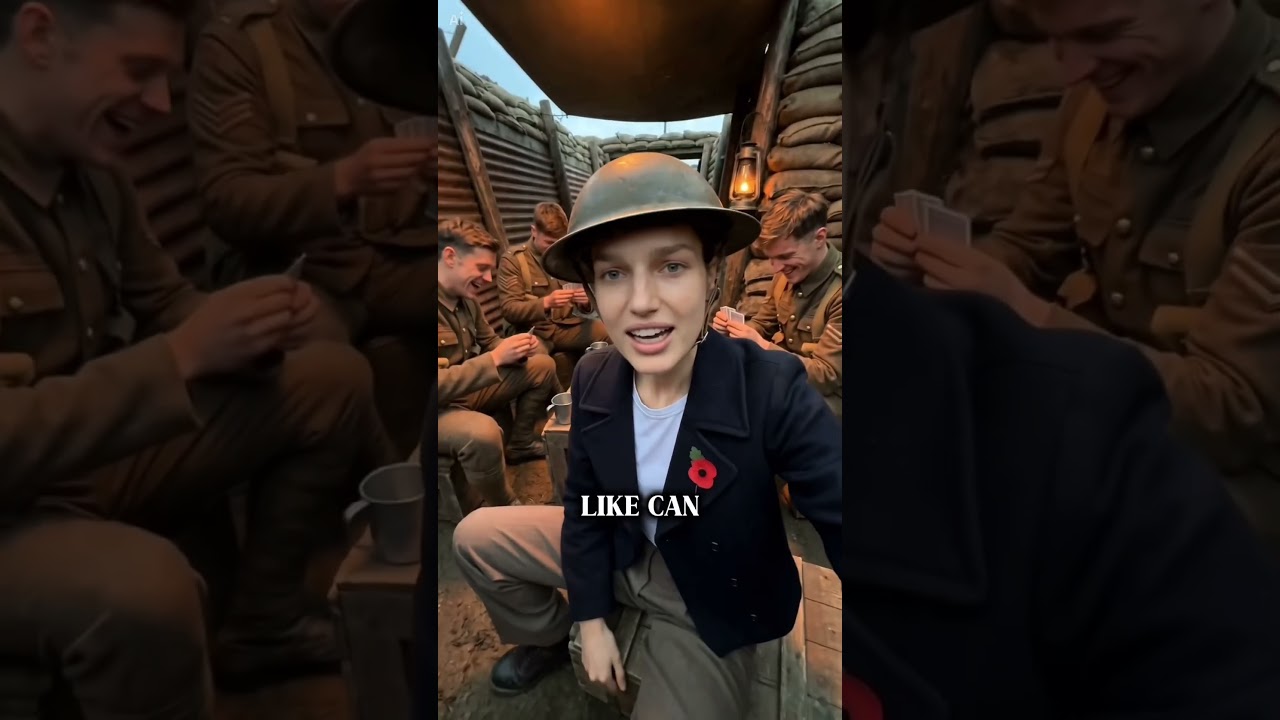
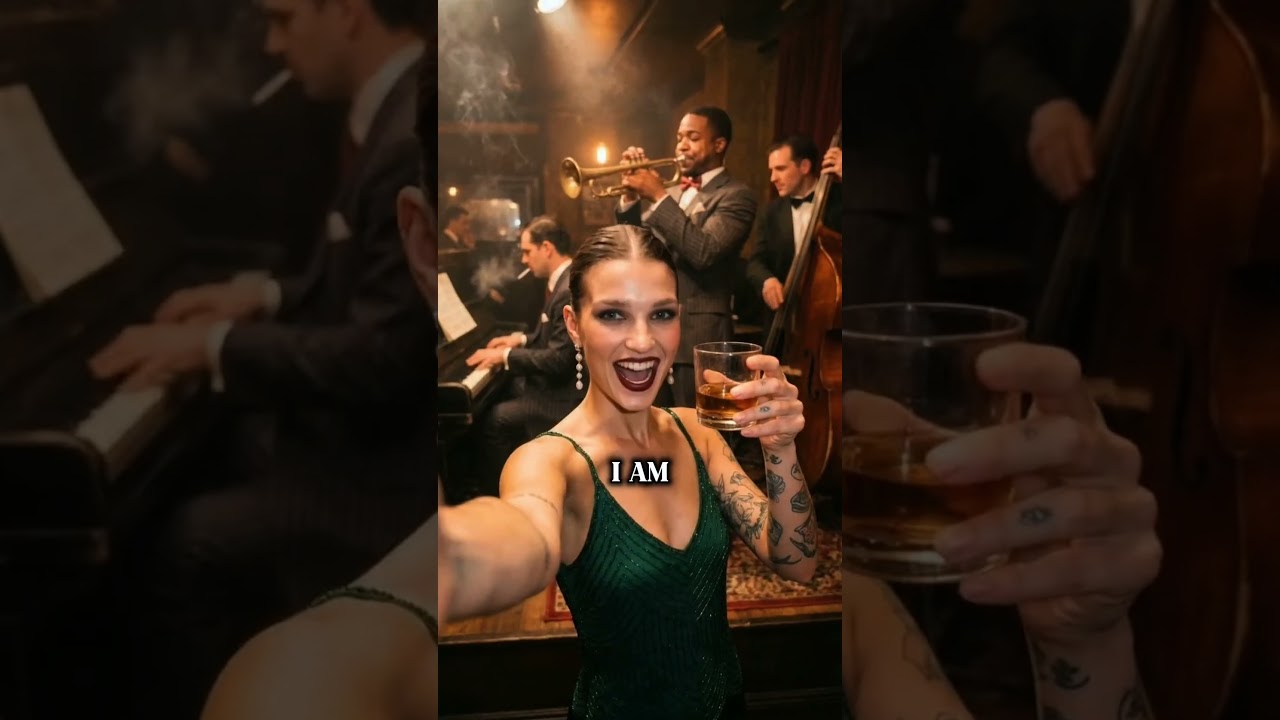
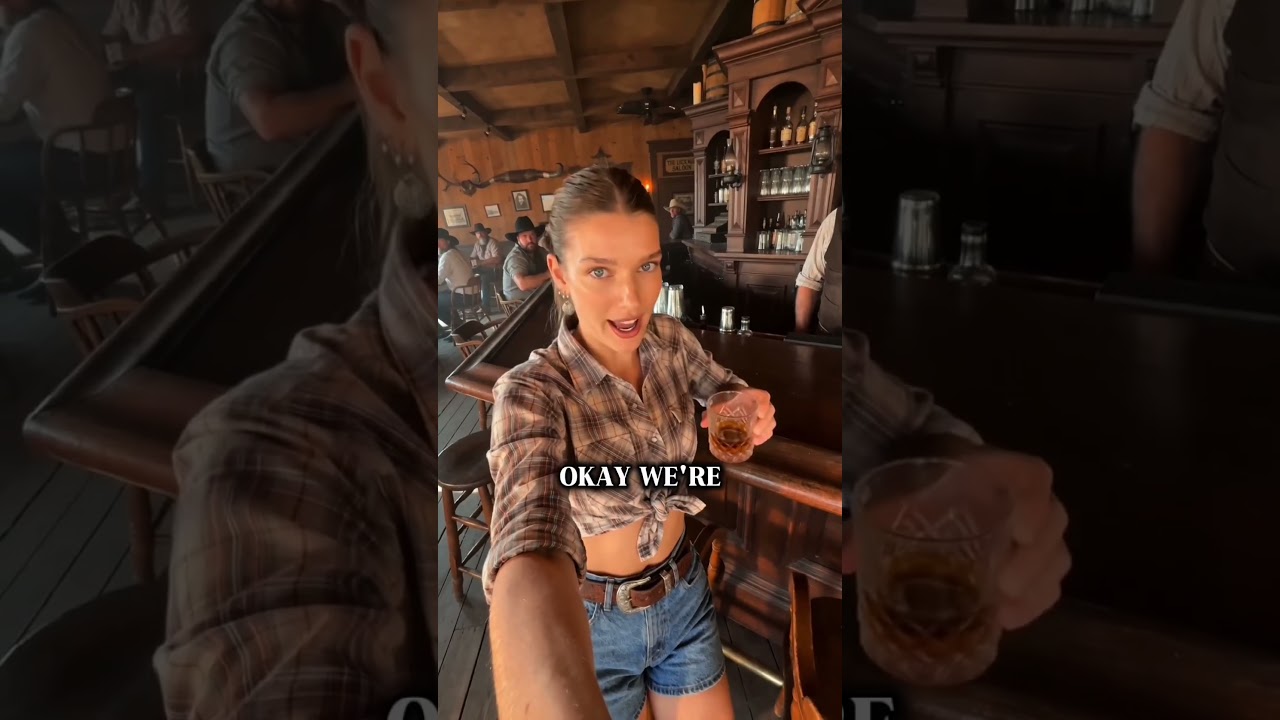
A visit to Salem, 1692, exploring the origins and impact of the witch trials where 200 were accused and 19 executed unjustly.
Key Takeaways
- The Salem witch trials were driven by fear, superstition, and social exclusion.
- Accusations often stemmed from trivial disputes or social nonconformity.
- The trials led to the execution of innocent people, highlighting grave miscarriages of justice.
- Community abandonment was common for the accused, worsening their plight.
- Visiting historical sites can provide powerful emotional insights into past tragedies.
What the video covers
- The video documents a journey to Salem, Massachusetts, during the 1692 witch trials.
- It highlights the initial events where young girls exhibited fits and screams, leading to witchcraft accusations.
- Over 200 people, mostly women who were socially outcast, were accused of witchcraft.
- The video contrasts everyday life in Salem with the harsh reality of people being tried and executed nearby.
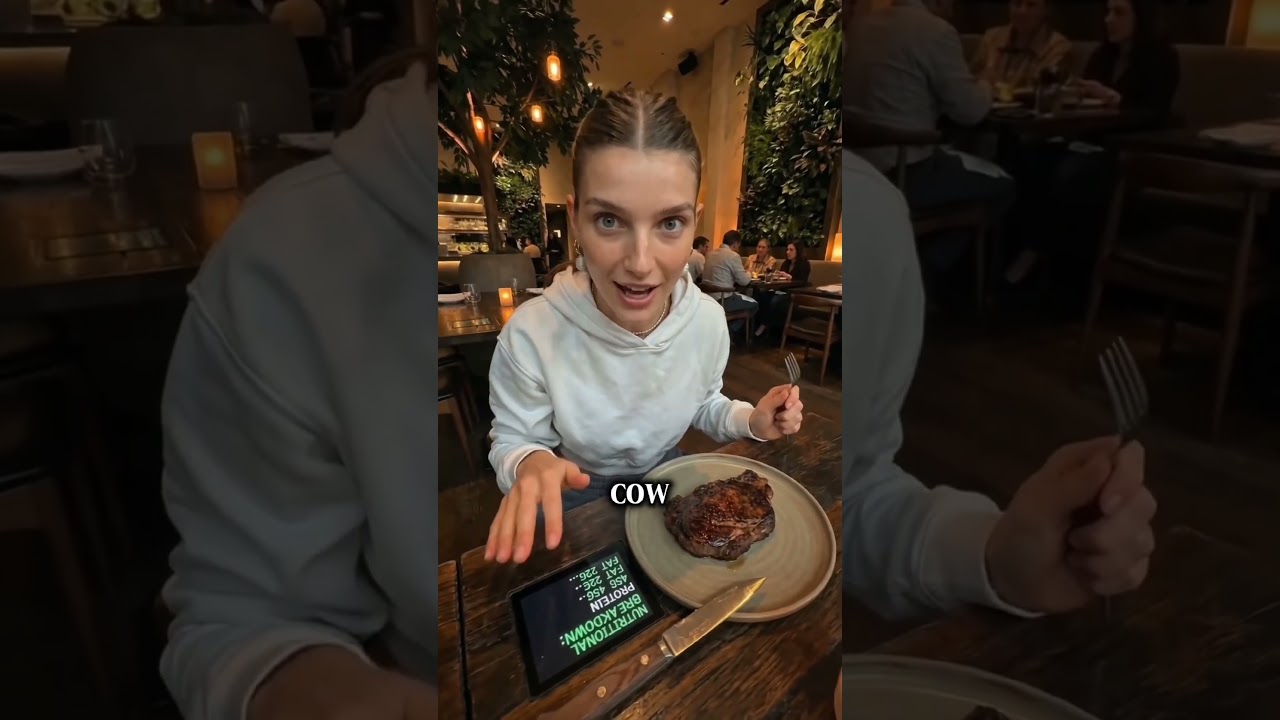
- An example is given of a woman accused after a neighbor’s cow died following an argument.
- The accused were often abandoned by their families and communities due to fear and stigma.
- Nineteen people were executed during the trials, none of whom were actually witches.
- The video emphasizes the tragic injustice and social paranoia fueling the witch hunts.
- It reflects on the emotional impact of visiting the historical site.
- The narrative combines historical facts with personal reflection to engage viewers.
Full Transcript — Download SRT & Markdown
Speaker A
So I just arrived in Salem, Massachusetts, 1692, and honestly, it's not as bad as I thought.
Speaker B
Witches gold! She bears the devil's mark upon her neck.
Speaker A
Okay, okay, the jewelry was a bad call.
Speaker A
The jewelry was a really bad call.
Speaker A
So this building right here, this is where it all started, a group of young girls began having like fits and screaming, and the Puritans had no way to explain it, so they blamed witchcraft, and once the accusations started, they didn't stop, over 200 people were accused, 200, most of them were just women who didn't fit in.
Speaker A
Okay, so this is the part that genuinely messes with my head a little, like, look at this, it's just a normal market, people buying vegetables, kids running around, people haggling over carrots, but at the same time, literally right now, people are being dragged into court and executed two streets away like it's nothing.
Speaker A
Can I ask what did they say you did?
Speaker C
My neighbor's cow died the morning after we argued, that was enough.
Speaker A
And did anyone speak up for you?
Speaker C
My husband has mouths to feed, he cannot afford to be associated with me now.
Speaker A
She's been abandoned by everyone she knows for a cow.
Speaker A
19 people were executed here, 19, and not one of them was a witch, like obviously.
Speaker A
They were just people accused by other people.
Speaker A
I don't think I'll ever fully get over coming here, this one hit different.
Topics:Salem Witch Trials1692witchcrafthistoryMassachusettsPuritanswitch hunthistorical injusticeexecutionssocial exclusion