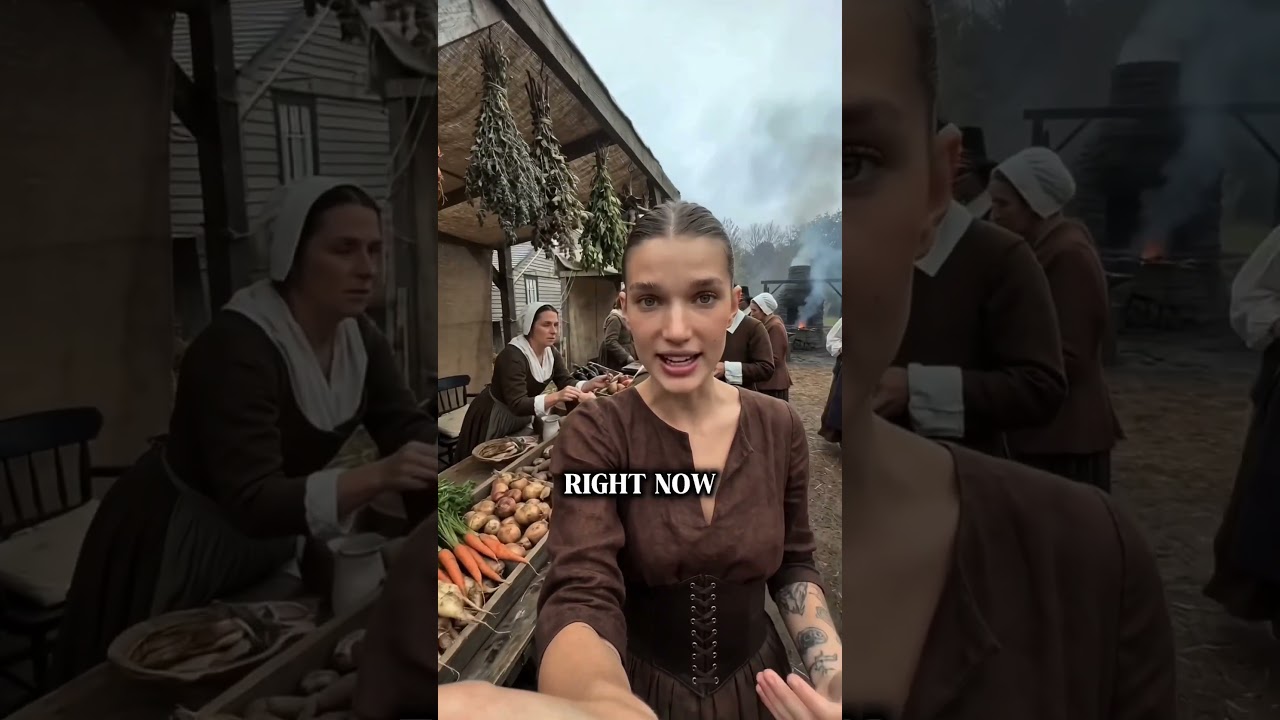
Experience life in a WW1 trench on July 1st, 1916, exploring soldiers' hardships, resilience, and the human cost of war.
Key Takeaways
- Life in WW1 trenches was brutal, with constant exposure to mud, water, and disease like trench foot.
- Soldiers faced overwhelming fear and loss but often used humor and positivity as coping mechanisms.
- Many soldiers were very young and wrote heartfelt farewell letters to loved ones.
- The human cost of war is immense and deeply tragic, prompting reflection on the reasons behind conflict.
- Personal stories help humanize historical events and foster empathy for those who lived through them.
What the video covers
- The video places the viewer in a World War I trench on July 1st, 1916, the first day of the Battle of the Somme.
- It highlights the imminent massive casualties, with 60,000 British soldiers expected to become casualties in one day.
- The harsh living conditions are depicted, including wet, muddy trenches causing trench foot and the presence of large rats.
- Despite the horrors, soldiers maintain a surprising level of positivity and camaraderie to cope with their situation.
- The video shares personal moments, such as a soldier writing a goodbye letter to his two-year-old daughter, Elsie.
- It reflects on the tragic youth of many soldiers, often just teenagers, facing brutal realities and writing farewell letters.
- The narrator expresses a deep emotional response and questions the senselessness of war and the political reasons behind it.
- The video captures the complexity of soldier experiences, mixing fear, humor, resilience, and sorrow.
- It provides a humanized perspective on historical events, emphasizing the personal stories behind large-scale conflict.
- The overall tone is reflective and empathetic, aiming to educate and evoke emotional understanding of WW1 trench life.
Full Transcript — Download SRT & Markdown
Speaker A
I'm in a World War I trench, July 1st, 1916. I'm here to see what life in the trenches was actually like.
Speaker A
In a few hours, 60,000 British soldiers are going to become casualties in one day.
Speaker A
I don't, I don't really have words for that.
Speaker A
Oh no, no, no, no. My boots are like fully gone.
Speaker A
These guys lived through this every single day.
Speaker A
Oh, that is a big rat.
Speaker B
Oh, that's nothing, love.
Speaker A
I mean, he's got a point.
Speaker A
Some of these guys haven't had dry feet in weeks. A lot of these guys got trench foot where your feet just rot from the water.
Speaker C
Gas! Get it on! Now!
Speaker A
I can't, how does this?
Speaker A
They're actually like properly laughing. I was not expecting that.
Speaker A
Can I ask you something? Like, how, how are you all this positive right now?
Speaker B
What's the alternative, lovey? Sit here and be miserable all day?
Speaker A
He's writing to his daughter.
Speaker A
Her name is Elsie.
Speaker A
She's two.
Speaker A
Tell her about her smile.
Speaker A
I keep coming back to the same thing. Why? Just boys with trench foot, 19-year-olds writing goodbye letters for land, for politics. Why can people not just sit down and figure it out?
Speaker A
I don't have an answer. I just, I just really wish somebody did.
Topics:World War IWW1 trenchesBattle of the Sommetrench footsoldier lifehistorywar casualtiespersonal lettersmilitary historyChloe VS History