Pure Strategies Conversations: Dave Rapaport — Transcript

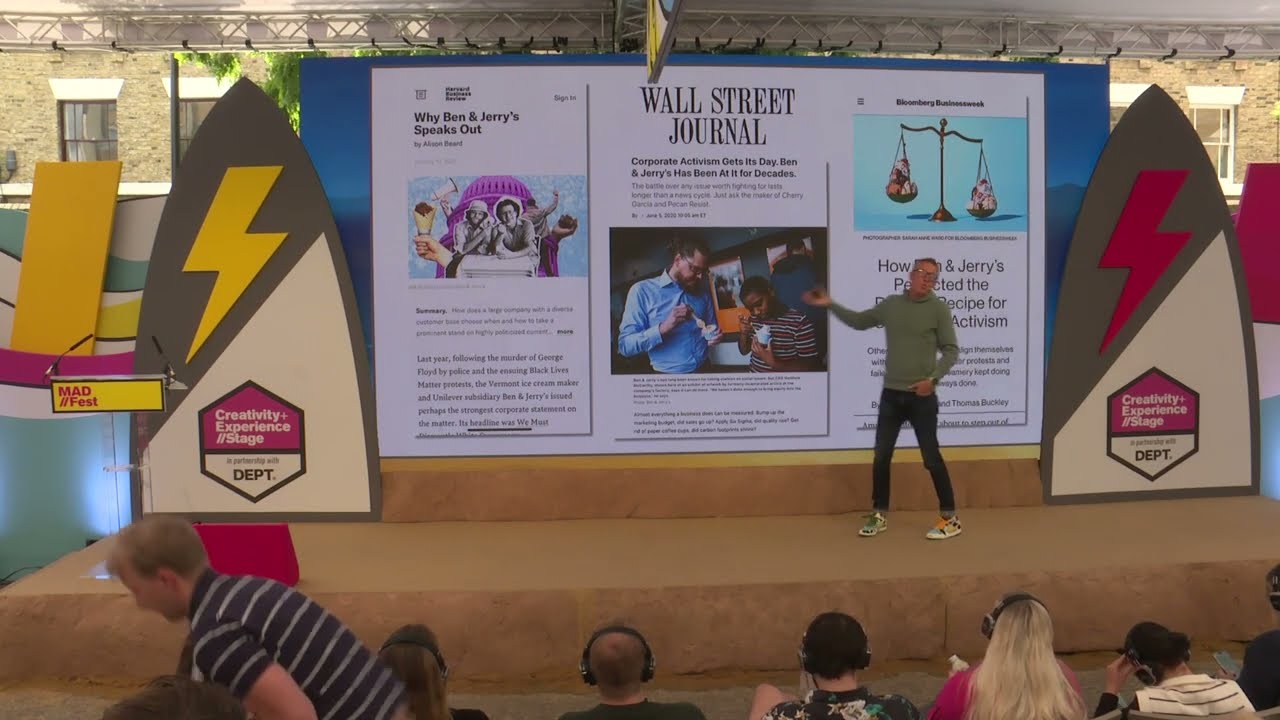
Discussion on integrating activism and social mission at Ben & Jerry's with Dave Rapaport, focusing on sustainability, racial equity, and corporate advocacy.

Key Takeaways

  • Ben & Jerry's integrates social mission deeply with business operations and activism.
  • Corporate activism can effectively support social justice movements when aligned with company values.
  • NGO partnerships are critical in guiding corporate social mission strategies.
  • Regional and topical focus of social mission efforts are adapted to local contexts and issues.
  • Public corporate statements on social issues can reinforce brand authenticity and consumer loyalty.

Summary

  • Introduction to Pure Strategies Conversations webinar series focused on sustainability and social performance.
  • Tim Greiner interviews Dave Rapaport, Global Social Mission Officer at Ben & Jerry's.
  • Ben & Jerry's three-part mission includes social, economic, and product missions intertwined.
  • Social mission focuses on human rights, social and economic justice, and environmental protection.
  • The social mission team works globally on operations impact, value-led sourcing, and activism campaigns.
  • Regional focus varies: racial justice and criminal justice reform in the US, refugee rights in Europe, climate and LGBTQ issues globally.
  • Ben & Jerry's activism is guided by NGO partnerships and focuses on structural reforms like reparations and money bail.
  • The company uses its influence to stand in solidarity with social movements, emphasizing corporate responsibility in advocacy.
  • Discussion includes the decision-making process behind Ben & Jerry's public statements on racial justice.
  • The social mission enhances brand loyalty and aligns with consumer values, though awareness varies among fans.

Full Transcript — Download SRT & Markdown

00:02
Speaker A
Hello, everybody, and welcome. You are listening to the Pure Strategies Conversation webinar series. We are excited to offer these unique discussions to help you transform your business to create a more sustainable future. I'm Cheryl Baldwin, a VP of sustainability consulting at Pure Strategies, where our team provides sustainability consulting to companies looking to develop goals, enhance their sustainability program, and implement changes in their products, packaging, and supply chains. We're offering these short webinars to provide insight that will help companies in their work to advance environmental and social performance in their business, helping show you the possibilities for change and empower you with examples and insights from those at the forefront. You can find our past webinars, reports, and resources on our website, purestrategies.com, including information about the work we've done with Seventh Generation, Walmart, Burn Injuries, and other sustainability leaders. During this 30-minute webinar, you will hear from Tim Greiner, the managing director of Pure Strategies as well as the co-founder of Pure Strategies and the Chemical Footprint Project. He's been providing custom sustainability solutions to corporate clients for over 20 years, and he will be talking with Dave Rappaport. He is the global social mission officer for Ben & Jerry's, where he leads the brand's commitment to be a force for good through the day-to-day impact of their operations and value chain and using their influence as a business through activism campaigns promoting progressive social change. He has been a mission-driven activist for more than 30 years with Ben & Jerry's and prior to that as a vice president for Earth Community Care at Aveda, with the Governor of Vermont, Seventh Generation, and spending two decades in the public policy arena, including the executive director of the Vermont Public Interest Research Group and directing Greenpeace's national work on toxic chemicals and pollution prevention. Today, we'll discuss what it takes to effectively integrate activism into a company and advance a brand social mission. We may have some time to cover the questions we received from you, the audience, so please provide your questions in the Q&A field because you will be muted throughout this session. I'll try to get to as many questions as we can at the end, and we will be recording the session and we'll post it on the Pure Strategies website. And for now, I'd like to turn it over to Tim.
00:18
Speaker A
Thanks, Cheryl. Great to us. It's a day, Dave, to have a chance to connect and have this conversation, so I'm excited for half an hour together today, and there's so much to talk about, Dave. I mean, there's, with regards to what's been happening here in the US with the Black Lives Matter movement and racial justice, as well as so many other social environmental issues. But where I was hoping to start today was just to back up a little bit because your titles a little bit unique because rather than a sustainability title, Ben & Jerry's frames this bucket of issues around something called social mission. So could you talk a little bit about what social mission means to Ben & Jerry's and how you guys manage that?
00:38
Speaker A
Sure. Well, first of all, nice to be able to have this conversation with you. You and I have worked together over the years for actually quite a long, long period of time, and so it's fun to be able to do this. Ben & Jerry's, as many folks know, has long been guided by a three-part mission. So in addition to the social mission, which I lead, we, of course, as all companies do, have an economic mission and a product mission. And I think what's, you may be no longer so unique about Ben & Jerry's, but what Ben & Jerry's was sort of a pioneer in was recognizing the way these three people had a profit kinds of things intertwine. And it really is true that the social mission is always considered in what we do along with our economic imperatives and at our product mission. The social mission has its origins in the values of our co-founders, and we now talk about that as being about human rights and dignity, social and economic justice, and environmental protection, restoration, and regeneration. So we have a team of actually about now, I think, 18 people globally that work on the social mission and really think about it in two halves. On the one hand, we have advancing those values through the direct impact we have as a business through our operations and value chain. So included in that are the traditional sustainability functions, also an extensive amount of work on what we call value-led sourcing. And then we're also doing a lot of work, have been even prior to recent weeks, advancing racial equity within our business, although certainly the events of recent weeks have raised the issue to the forefront of everybody's mind and created a new level of urgency and expectations around that. We have people working on each of those areas. And then the other half is how we use our influence as a business within society to advance those values through our activism. It's usually fan-facing activism. We also do work to try to influence the business community. And in the United States, that activism has been focused for several years on racial justice, and currently the focus has been actually criminal justice reform. So we're sort of smack in the middle of the issues that are on everybody's mind right now. In Europe, we're working on refugee and asylum rights. In various parts of the world, the primary focus is climate change and LGBTQ issues, marriage equality. We work on all of those issues everywhere, but those areas I outlined are sort of the ongoing focus currently. We work on other things as issues arise. So that's sort of the general framework for how we approach the social mission.
00:52
Speaker A
What's fascinating about that is you have this overarching framework, but it's also somewhat topically specialized by region, it sounds like, and differentiated based upon the markets that you're in and where you're selling product and where you're engaging with either consumers or with governments and policymakers. It's fast an Internet. I guess maybe if we could, I'd love to drill down into the criminal justice reform. I saw that, you know, after the death of George Floyd, that you guys put out a statement and was really probably one of the definitive corporate statements that came out around advocacy, in corporate advocacy in this time. And I guess what I'd love to hear about is like how did that come about, the decision-making process, what to include or not include, and what's the reaction been to Ben & Jerry's George Floyd statement?
01:11
Speaker A
Sure. Well, we have been engaged with a range of NGO partners on these issues for quite a while. Some folks may remember we came out with quite a strong statement in support of Black Lives Matter a number of years ago, and all of our work globally is really guided by strategies of our NGO partners. And so, you know, we view our role as really bringing the tools we have as a business to the table to help them on, you know, in their campaigns. And so, you know, we've been working closely with organizations for a long time that not just inform us but guide us. And so it was a pretty organic and natural process to develop that statement. We had already advocated for a number of structural reforms such as reparations and issues related to money bail and many of the criminal justice issues that, you know, have been a part of the current discussion. We've been talking about structural and institutional racism and the actions that need to be taken to dismantle it for a while. That statement we made was really an effort to stand in solidarity with these movement activists more so than to be a persuasive piece to our fan base. We feel that's an important role that we have to play, and we think that all businesses have a responsibility to speak out on matters of prin...
01:28
Speaker A
commitment to be a force for good through the day-to-day impact of their operations and value chain and using their influence as a business through activism campaigns promoting progressive social change he has been a mission driven activist for more than 30 years
01:45
Speaker A
with Ben & Jerry's and prior to that as a vice president for earthing community care at Aveda with the Governor of Vermont seventh-generation and spending two decades in the public policy arena including the executive director of the Vermont Public Interest Research Group
02:04
Speaker A
and directing green pieces national work on toxic chemicals and pollution prevention today we'll discuss what it takes to effectively integrate activism in to accompany and advance on a brand social mission we a may have some time to cover
02:22
Speaker A
the questions we received from you the audience so please provide your questions in the Q&A field because you will be muted throughout this session I'll try to get to as many questions as we can at the end and we will be recording the session
02:39
Speaker A
and we'll post it on the pure strategies website and for now I'd like to turn it over to Tim thanks Cheryl great to us it's a day Dave have a chance to connect and have this conversation so I'm I'm
02:55
Speaker A
excited for half an hour together today and there's so much to talk about Dave I mean there's with regards to what's been happening here in the US with the black lives matter movement and racial justice as well as so many other social
03:13
Speaker A
environmental issues but where I was hoping to start today was just to back up a little bit because your your titles a little bit unique because rather than a sustainability title Ben and Jerry's frames this this bucket of issues around
03:30
Speaker A
something called social mission so could you talk a little bit about what social mission means to Ben and Jerry's and and how you guys managed that sure well first of all nice to be able to have this conversation with you you and I
03:46
Speaker A
have worked together over the years for actually quite a long long period of time and so it's it's fun to be able to do this Ben and Jerry's as many folks know has long been guided by a three-part mission so in addition to the
04:03
Speaker A
social mission which I leave we of course as all companies do have an economic mission and a product mission and I think what's you may be no longer so unique about Ben and Jerry's but what Ben and Jerry's was sort of a pioneer in
04:17
Speaker A
was recognizing the way these three people had a profit kinds of things intertwine and it really is true that the social mission is always considered in what we do along with our economic imperatives and and at our product
04:36
Speaker A
mission the social mission has its origins in the values of our co-founders and we we now talk about that as being about human rights and dignity social and economic justice and environmental protection restoration and regeneration so we have a team of actually about now
04:57
Speaker A
I think 18 people globally that work on the social mission and really think about it in two halves on the one hand we have advancing those values through the direct impact we have as a business through our operations and value chain
05:11
Speaker A
so included in that are the traditional sustainability functions also an extensive amount of work on what we call value sled sourcing and then we're also doing a lot of work have been even prior to racing weeks advancing racial equity
05:29
Speaker A
within our business although certainly the events of recent weeks have have raised the issue the forefront everybody's mind and and and and and created a new level of urgency and expectations around that we have people working on each of those areas and then
05:45
Speaker A
the other half is how we use our influence as a business within society to advance those values through our activism it's usually fan facing activism we also do work to try to influence the business community and in the United States that activism has been
06:00
Speaker A
focused for several years on racial justice and currently the focus has been actually criminal justice reform so we're sort of smack in the middle of the issues that are on everybody's mind right now in Europe were working on
06:15
Speaker A
refugee and Asylum rights in various parts of the world the primary focus is climate change and LGBTQ issues marriage equality we work on all of those issues everywhere but those areas I outlined are sort of the ongoing focus currently
06:33
Speaker A
we work on other things as issues arise so that's sort of the general framework for how we approach the social mission what's fascinating about that is you have this overarching framework but it's also somewhat topically specialized by region it sounds like and and
06:53
Speaker A
differentiated based upon the markets that you're in and where your selling product and where you're engaging with either consumers or with governments and policy makers it's fast an Internet I guess maybe maybe if we could I'd love to drill down into the the criminal
07:11
Speaker A
justice reform I saw that you know after the death of George florid that you guys put out a statement and was really probably one of the definitive corporate statements that came out around around advocacy in corporate advocacy in this
07:35
Speaker A
time and I guess what I love to hear about is like how did that come about the decision-making process what to include or not include him what's the reaction been to to Ben and Jerry's George florid statement sure well we we
07:54
Speaker A
have been engaged with a range of NGO partners on these issues for quite a while some folks may remember we came out with quite a strong statement in support of black lives matter number of years ago and we all of our work
08:10
Speaker A
globally is really guided by strategies of our NGO partners and and so you know we we we view our role as really bringing this sort of the tools we have as a business to the table to to help
08:28
Speaker A
them on you know in their campaigns and so you know we've been working closely with organizations for a long time that not just inform us but guide us and so it was it was a pretty organic and natural process to develop that
08:50
Speaker A
statement we had already advocated for a number of structural reforms such as reparations and issues related to money bail and and and and and many of the criminal justice issues that you know have been a part of the current discussion we've been with
09:21
Speaker A
talking about structural and institutional racism and the actions that need to be taken to dismantle it for a while that statement we made was really an effort to stand in solidarity with these movement activists more so than to be a persuasive piece to our fan
09:39
Speaker A
base we feel that's an important role that that we have to play and we think that you know all businesses have a responsibility to speak out on matters of principle that way and and so we you know are fortunate to have the the
09:56
Speaker A
ability to do that the reaction was certainly beyond what we could have imagined it really seemed to be one of those statements as you alluded to that that captured not only the anguish in the and the outrage about what happened
10:17
Speaker A
because we laid out a series of but of four points of action that we were calling for that would beyond the typical sort of statement that people made around their intentions and and and their internal work and so you know
10:35
Speaker A
we're pleased that that may have catalyzed you know more thinking you know across the business world and beyond yeah I think some important points there are is that you Ben and Jerry's has been in this conversation as you said with the statement of about
10:54
Speaker A
black lives matter going back to 2016 and the other thing as you noted is the there are some very concrete actions that you're asking to be taken in for both legislatively policy-wise including reparations which certainly is as you say standing
11:15
Speaker A
alongside in supporting the activists which are really driving that agenda you know not not every many businesses are putting out maybe not similar statements but statements but Ben and Jerry seems to have come to this more clearly and
11:34
Speaker A
earlier than other companies and I'm one of the things I'm watering just about is your corporate structure so one of the things that happened in the acquisition agreement when Unilever bought Ben & Jerry's was the provision for an
11:49
Speaker A
independent board and so I'm just wondering does that independent board what type of flexibility does that give the business um is that any different do you think from other businesses that are owned by large corporations can you talk
12:06
Speaker A
a little bit about the independent board and and how that manifests itself well the acquisition agreement when you deliver purchased Ben & Jerry's was very unique and I think still stands us as being being unique part of the
12:23
Speaker A
acquisition with the creation of this independent board of directors which actually has responsibility for ensuring brand integrity and integrity of the social mission and so Unilever is obligated to grow the impact of the social mission at least as fast as
12:43
Speaker A
revenues and the board really sets direction and approves of work within the the social mission arena and and and and and beyond other things that relate to brand integrity there there is one union representative on the board the
13:02
Speaker A
rest are independent directors and they're primarily social activists and and so you know that clearly is the reason why you know we've been able to to to do what we're doing and it was a way that Ben and Jerry were
13:21
Speaker A
able to ensure that their values were preserved through the acquisition and you know I will say that certainly over time Unilever has been on its own journey and is evolved and it is it is a very collaborative relationship there's
13:38
Speaker A
it's there's not real conflict we at times take positions that are directly in opposition to corporate positions but it's all well understood that that's we have the independence to do that but but but more than anything else we're
13:55
Speaker A
working collaboratively together now on most of the things that Ben and Jerry's feels as important could you talk a little bit about the nexus between leadership and stakeholder engagement and how you know does does stakeholder engagement Drive help you formulate your
14:18
Speaker A
leadership positions whereas leadership positions is that kind of routing ternal II and then cast back and bounced off of your the external stakeholders that you guys engage with well you know certainly we learn a lot and as I mentioned you
14:34
Speaker A
know we really try to support the work of our NGO partners so there is sort of a an ongoing dialogue and process that you know allows all of that to to evolve but I think one of the things that
14:53
Speaker A
perhaps distinguishes us is that when we make statements about our values they are really coming from what we value we're not doing what is typically done with safe cause related marketing where we're trying to understand what a particular group of stakeholders wants
15:13
Speaker A
and then figure out how we can you know sort of appeal to them and in supporting that we're deciding what our values are we're making statements to advance those and we then connect with people who share those values we're not out to
15:31
Speaker A
sort of have kind of try to try to get close to a wide range of people who may know me beyond those values or not not share them your Ben Cohen observed that the closest relationship you can have
15:44
Speaker A
with your consumers is over shared values and so you know it not only has allowed us to act with what I hope is the integrity that we have but it you know it has been good for business and
15:57
Speaker A
that we have very close relationships with our fans right and and I understand that the those consumers who understand and know about your values are much more loyal than the consumers who don't and it's kind of yeah yeah certainly all of
16:15
Speaker A
the the research that we see the insights that we gather clearly support the loyalty that that our social mission brings it's not as widely known among our fan base as one might expect but among those who are aware of it it
16:36
Speaker A
really has has a lot of loyalty so the takeaway for me here is figure out your values and what you stand for don't don't go out to a focus group and have them tell you what you should stand for
16:51
Speaker A
yeah it's great hey we got a few more minutes before we turn to questions so I thought I'd just drill drilling on one another area which is setting aggressive targets Ben and Jerry's recently set a science-based target for carbon to reduce emissions by
17:11
Speaker A
40% on an intensity basis by 2025 I believe could you talk a little bit about how the company is managing the process of you know meeting that target and how its engaging stakeholders suppliers etc be really interested for
17:33
Speaker A
sure well as you know very well actually our carbon footprint is primarily in scope 3 so it's really upstream in it a sourcing of ingredients and and the you know our primary ingredient is dairy and it's no surprise that that's our our
17:53
Speaker A
largest source of greenhouse gas emissions just over 50% and so a lot of our effort is focused there to reduce emissions from our dairy farms we also are doing work across a range of other ingredients that make up another twenty
18:13
Speaker A
to twenty-five percent of our overall carbon footprint and so I think it you know maybe I don't know where more and more companies are focusing on on scope three but we recognized early on that that was where we really needed to
18:29
Speaker A
devote our efforts so we've had for many years a a caring dairy program which is part of our values that sourcing work that has been working with farmers to encourage practices that reduce emissions and increasingly that program is moving toward one that is shifting
18:50
Speaker A
from incremental improvements in practices to outcome based improvements and increasingly adopting third-party standards which really allow clearer sort of level of credibility in what we're doing and so we're focused there a lot on reducing the emissions from cropping or better cropping practices
19:13
Speaker A
for the feed which is on the order twenty percent of the emissions from a dairy farm the regenerative agriculture has been a big focus building soil health that not only can reduce the use of synthetic inputs and reduce emissions
19:26
Speaker A
but ultimately good turn fields internet carbon sinks and so so that's been a big focus of ours alongside that we have been piloting various technologies that can reduce emissions from manure management which is actually about 40 percent of the emissions from from a
19:42
Speaker A
dairy farm and we're very interested in the developments taking place with dietary additives that can modify the rumen of a cow which is the source of another 40 percent of emissions from from from the bourbon and so you know that's an example certainly the
20:00
Speaker A
major major area of our work but we're also looking at at projects that can inset carbon in other parts of our of our sourcing for example in communities where we source cocoa in Africa so so that's just I guess you know probably
20:17
Speaker A
the major areas of focus for us on on carbon and in addition the other area I'll just add for sustainability is our focus on eliminating petrochemical plastic from our packaging so we're moving toward making all of our packaging compostable and so so those
20:40
Speaker A
those are the two sort of major sustainability areas of focus for us right now okay but I feel like we could go on and talk about these projects and others for another hour but we're I think what I'd like to do is turn it
20:53
Speaker A
back to Cheryl at this point to see if there's any questions from those that are watching online Cheryl yeah we've gotten some great questions so we'll get started maybe with something that you you left off with which is about your
21:12
Speaker A
values and how do you determine what issues to focus on and determine what the value should be for the organization since that seems to be a critical driver for Ben and Jerry's and then related to that how do you prevent the organization
21:28
Speaker A
from reacting to anything or everything that popped up yeah good question and that that can be hard that last part of it so you know as I mentioned you know it really starts with with understanding what our values are what I
21:43
Speaker A
didn't talk about was that along with that what we're really after is is systemic change going at the root of problems and so that really takes us away from what is typical of companies which is sort of charitable work or you
21:59
Speaker A
know sort of cause related marketing but actually we're trying to figure out what we can do to help create the greatest long-term change in dealing with things on that sort of system level and so you know between you know
22:16
Speaker A
the match of our values and and strategies that get at at systemic change you know that really guides us and again you know in in dialogue with our NGO partners you know we don't our job you know we sell ice cream we're
22:35
Speaker A
looking at a staff on on my team which is really knowledgeable many of whom come out of activism but you know our role is to support the work of folks who do that full-time and and and so you
22:47
Speaker A
know some of it is out of what we worked on historically you know for continuity and some of it is just what is the thing we can do that can have the greatest impact and it does take a lot of
22:56
Speaker A
discipline to keep from jumping to from thing to thing but you know if you're in the technology work of that kind of deep systemic change you have it has to be long-term and you have to have that credibility with your partners and so we
23:11
Speaker A
we cannot you know we're not looking in you later say what are we going to do this year we're in these these efforts the you know for for a longer haul good thank you that helps and there was a
23:24
Speaker A
question kind of related to that how do you measure the impact of your social mission in terms of making sure it grows at the same rate as some of the other parts of your mission or in the direction you're hoping for yeah so
23:38
Speaker A
that's just an ongoing experiment we do as a resort of stemming from the the acquisition agreement attempt to measure it we have a quality results sort of scorecard that somebody on on my team years has been developing and evolving
24:04
Speaker A
and and so we we're we continue to experiment with various ways to measure the impacts of what we're doing it obviously gets more difficult when you're say you know and engage with sort of long term policy change you can sort
24:20
Speaker A
of you know is it right to measure whether a law passed that you know we had something maybe hopefully to do with but you know uh only only only one of many players you know we we want to go beyond simply
24:33
Speaker A
measuring things like you know social media impact you know how when our reach is or you know a number of shares and that kind of thing but certainly those are elements of it so we have this scorecard which has I can't remember
24:55
Speaker A
what we're up to now but it's it's several dozen indicators that give us at least some idea of whether we're we're being effective or not but again that's a continuous experiment that we continue to try to improve on as we go good
25:14
Speaker A
things and I've got a couple questions I'm gonna try to combine here so there's a bit of a follow up and in terms of how in the beginning the values were uncovered and how kind of racial equity rose to the top and then if you could
25:32
Speaker A
also describe at the intersection of some of those values maybe climate and racial equality or other things like that sure sure well you know as I think we're all now much more aware of than we were two or three weeks ago the the sort of
25:58
Speaker A
the stain of racism which really has been uh been an element of our country since before its founding you know since the first slaves were brought to Jamestown in the early 1600s has has left such a living legacy and that goes
26:21
Speaker A
on and has been perpetuated over time even after the Civil War through Black Codes and the history of the Terrorism of lynching and Jim Crow and now with mass incarceration there is no way that we can really advance as a society to solve any of the
26:47
Speaker A
other problems as long as we are allowing a system of white supremacy to prevail in this country and and so you know it really just came out of the values of our co-founders and and in our board and and has has just we just saw
27:15
Speaker A
it as a fundamental issue that along with others around around justice in society that we we needed to support that we felt responsible too clearly justice is an element of of so many issues we talk about climate change
27:37
Speaker A
within the company in terms of climate justice so you know as most folks are aware marginalized communities here and around the world suffer the most from climate change and it really is a strong element of justice that runs through
27:54
Speaker A
that as and as well so if there is a through-line to everything we work on it it really is about justice good thank you now I think we might have time for one more question and I'll ask maybe Tim to
28:11
Speaker A
start and it's kind of getting to the last part of your discussion on ambitious targets and I wonder ten if you could start maybe by helping describe like how you know an organization is ready to set ambitious targets and what the first steps are and
28:28
Speaker A
then Dave if you could maybe continue to address some the other questions we have that talked maybe more about some specific pieces of your climate work like a price on carbon or other approaches that you guys have used to
28:45
Speaker A
really advance that ambition the ten you want to get that started yeah and it's a great way to frame it businesses I think are often thinking about what's material to the company then how to set a target and I think for
29:00
Speaker A
so many companies in the past decade they have set targets on what they thought they could do versus today we we had the science to know what's required of nation-states of sectors in the economy and we've even been able to do
29:19
Speaker A
you know bring that down to businesses so I think the realization that there are limits to our planet and limits environmentally to a variety of systems but be they land or oceans or climate means that there's now tools that help
29:40
Speaker A
companies set those targets so I think that's the first realization we need to set a target not just what we can do but what science is asking that gets a company ready then it's having a much more detailed understanding of the
29:53
Speaker A
company's impact that's critical to helping set that target so with that context Dave yeah please say elaborate on the Ben and Jerry's situation well it was you know really understanding our carbon footprint and where it was that has led to our strategy and the ability
30:13
Speaker A
to set targets which has been one thing are focused on scope three you know if you're not ready to to to begin the process of setting ambitious targets you probably don't have a license to operate for very long so you know that doesn't
30:29
Speaker A
mean you know how to do it but but it means we got to roll up our sleeves and and and begin to try and figure it out as we go one of the elements that has helped us is that we have an internal
30:41
Speaker A
tax on carbon currently at $10 a ton that is funding work in this area but we know that that's probably a low number that has to go up as we proceed in our strategy to be able to really you know
30:57
Speaker A
hit these targets and we know that our targets because their intensity based or not a even aggressive enough as aggressive as they as they appear to be so we need to find ways to do it and that gets also into business strategy we
31:08
Speaker A
know for example that to meet our targets we have to have a larger portion of our portfolio and nondairy which is gonna be inherently lower carbon footprint so there's you know it really is a total business effort to be able to
31:23
Speaker A
get to where we all need to go with climate change yeah and with that I think we have run out of time for this session so hope everyone who is attended is enjoyed the conversation and special thanks to days for all your time and
31:39
Speaker A
your thoughts and insights today again we're going to be putting the recording of this discussion on the pier strategies website in a couple days and our next webinar is going to be on August 12th we're going to be discussing
31:55
Speaker A
science-based targets for nature so this will be extending beyond climate and looking at topics such as water biodiversity land and ocean so hopefully you can join us for that if you want to be informed of future webinars like this to sign up for
32:08
Speaker A
our newsletter on or just right off our website or reach out to Timur myself you have our emails on the screen there and our website has additional resources that might be of use to your work so feel free to take a look at that so for
32:22
Speaker A
now we will be saying goodbye and we look forward to connecting with you or having you attend another one of our webinars in the future stay well and have a great day bye bye thank you
Topics:Ben & Jerry'ssocial missioncorporate activismsustainabilityracial justicecriminal justice reformvalue-led sourcingNGO partnershipscorporate social responsibilityenvironmental justice

Frequently Asked Questions

What is the social mission at Ben & Jerry's?

Ben & Jerry's social mission focuses on human rights, social and economic justice, and environmental protection, integrated alongside their economic and product missions.

How does Ben & Jerry's approach corporate activism?

Ben & Jerry's uses its influence to support social movements through fan-facing activism and partnerships with NGOs, focusing on issues like racial justice and criminal justice reform.

What role do NGO partnerships play in Ben & Jerry's social mission?

NGO partners guide and inform Ben & Jerry's activism strategies, helping the company align its efforts with broader social justice campaigns and structural reforms.

Get More with the Söz AI App

Transcribe recordings, audio files, and YouTube videos — with AI summaries, speaker detection, and unlimited transcriptions.

Or transcribe another YouTube video here →