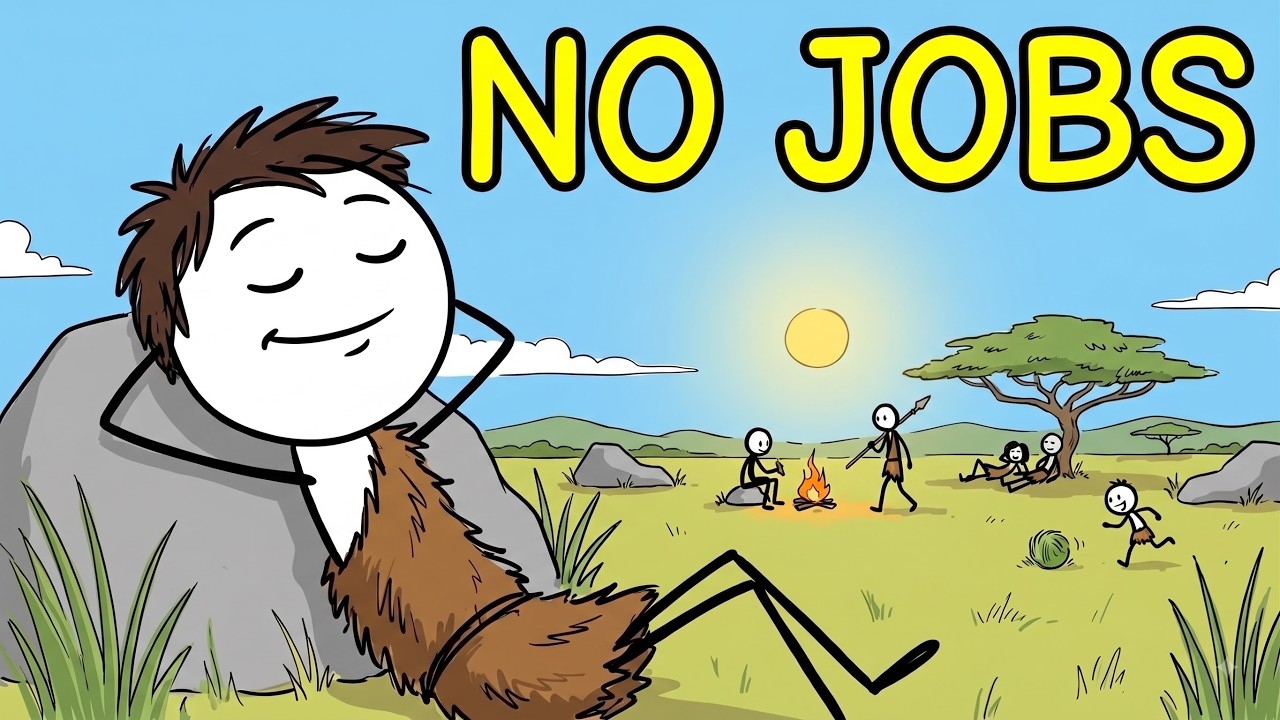
Learn how to master any skill faster by focusing on the 20% of actions that yield 80% of results and creating fast feedback loops.
Ask about this video. Answers come from its transcript only — with the timestamp, so you can check them.
Generated from the transcript and can be wrong — check the timestamp.
Key Takeaways
- Focus on the 20% of actions that yield 80% of results to learn faster.
- Identify and master the bottleneck skill that unlocks progress.
- Learn from how experts started, not just their current advanced methods.
- Corrected practice with fast feedback loops is essential for mastery.
- Quantity and iteration speed matter more than perfect initial attempts.
What the video covers
- Ignore most common advice and focus on the vital few actions that produce the majority of results.
- Mastery is about identifying and excelling at the few fundamental skills that truly matter.
- Examples show beginners often focus on flashy or less important aspects instead of core fundamentals.
- The concept of a bottleneck skill is key—finding the one skill that unlocks progress in any field.
- For sales, the bottleneck is having enough conversations, not closing; for content creation, it's idea generation, not editing.
- Step one: study active practitioners who are currently successful in your target skill.
- Step two: reverse engineer their early learning phase rather than copying their expert-level habits.
- Step three: create fast, corrected feedback loops to improve quickly and avoid practicing mistakes.
- Experts succeed by staying longer in the 'ugly phase' and continuously adjusting their approach.
- Aim to produce a high volume of work quickly to accelerate learning and feedback.
Chapters
- 00:00Rethinking How to Learn from Zero
- 00:21Focus on Fundamentals, Not Fancy Details
- 00:43Common Mistakes in Learning New Skills
- 01:28The Bottleneck Skill Concept
- 02:13Step 1: Study Active Experts
- 02:38Step 2: Reverse Engineer Early Learning
- 02:59Step 3: Create Fast Feedback Loops
- 03:20The Importance of Volume and Iteration
Full Transcript — Download SRT & Markdown
Speaker A
If I had to learn anything from absolute zero today, I would completely ignore 90% of the advice online because when most people start something new, they immediately look for the best course, the best book. But that's actually the wrong question. The right question is, what are the 20% of actions that produce 80% of the results? Because mastery isn't about learning everything.
Speaker A
question is, what are the 20% of actions that produce 80% of the results? Because mastery isn't about learning everything.
Speaker A
It's more about identifying the few things that matter most and getting ridiculously good at those first. Let me explain. Imagine you want to learn cooking. Most beginners focus on fancy recipes and perfect presentation. But the fastest learners usually master seasoning, cooking protein properly, and making a handful of meals they can repeat consistently. The boring fundamentals create most of the results.
Speaker A
seasoning, cooking protein properly, and making a handful of meals they can repeat consistently. The boring fundamentals create most of the results.
Speaker A
Yet people skip them because they aren't exciting. And that's exactly what happens in almost every skill. When people learn coding, they obsess over frameworks. When people learn business, they obsess over logos and websites.
Speaker A
They're optimizing things that barely matter while ignoring the handful of skills that actually move the needle.
Speaker A
They're optimizing things that barely matter while ignoring the handful of skills that actually move the needle.
Speaker A
isn't closing. It's getting enough conversations because if you talk to 1,000 prospects, you'll naturally become better at closing. But if you only talk to 20 prospects, you'll never get enough reps. If you're learning content creation, the bottleneck isn't editing.
Speaker A
And that's what led me to a grand realization. A few years ago, I noticed that every world-class performer seems obsessed with finding what I call the bottleneck skill, the one skill that unlocks everything else. For example, if you're learning sales, the bottleneck isn't closing. It's getting enough conversations because if you talk to 1,000 prospects, you'll naturally become better at closing. But if you only talk to 20 prospects, you'll never get enough reps. If you're learning content creation, the bottleneck isn't editing.
Speaker A
Step one, find someone who's already where you want to be, someone who's actively doing the thing. If I wanted to learn YouTube, [music] I'd study active creators. If I wanted to learn coding, I'd study developers currently building products. [music] Then, I'd move to step
Speaker A
It's generating ideas because one great idea can survive mediocre editing, but cinematic editing can't save a boring idea. So, if I had to master anything from scratch today, here's the framework I'd use. I call it the compression loop.
Speaker A
300-page book. They should study how that author learned to write their [music] first 1,000 words consistently.
Speaker A
Step one, find someone who's already where you want to be, someone who's actively doing the thing. If I wanted to learn YouTube, I'd study active creators. If I wanted to learn coding, I'd study developers currently building products. Then, I'd move to step
Speaker A
swing for 5 years doesn't become elite. They become elite at doing the wrong thing. The fastest learners are constantly testing and adjusting. Let's say you're learning content creation.
Speaker A
two, reverse engineer their first 100 hours. Instead of copying what experts do now, you should be copying what experts did when they were clueless. For example, a beginner writer shouldn't study how a best-selling author structures a 300-page book. They should study how that author learned to write their first 1,000 words consistently.
Speaker A
See [music] which three perform best, analyze why, repeat. One month of fast feedback can beat a year of slow learning, and the same [music] principle applies to almost everything. Which brings me to the final piece. Mastery is less about learning and more about
Speaker A
Your goal is basically to learn how mastery was built. Then comes step three, and honestly, this is the secret sauce. Create ridiculously fast feedback loops, because if you think practice creates mastery, it doesn't. Corrected practice creates mastery. A golfer who repeats a bad swing for 5 years doesn't become elite. They become elite at doing the wrong thing. The fastest learners are constantly testing and adjusting. Let's say you're learning content creation.
Speaker A
First attempts usually suck. The difference between experts and beginners [music] is that experts stayed in the ugly phase longer than everyone else. So, if you're starting from zero, stop trying to master everything. [music] Find a bottleneck skill first. Study someone
Speaker A
Most people post one video every 2 weeks. The feedback loop is painfully slow. Instead, aim to post 30 videos.
Topics:learning fastermasterybottleneck skillcorrected practicefeedback loopsskill acquisitionNextcorecontent creationsales learningreverse engineering learning