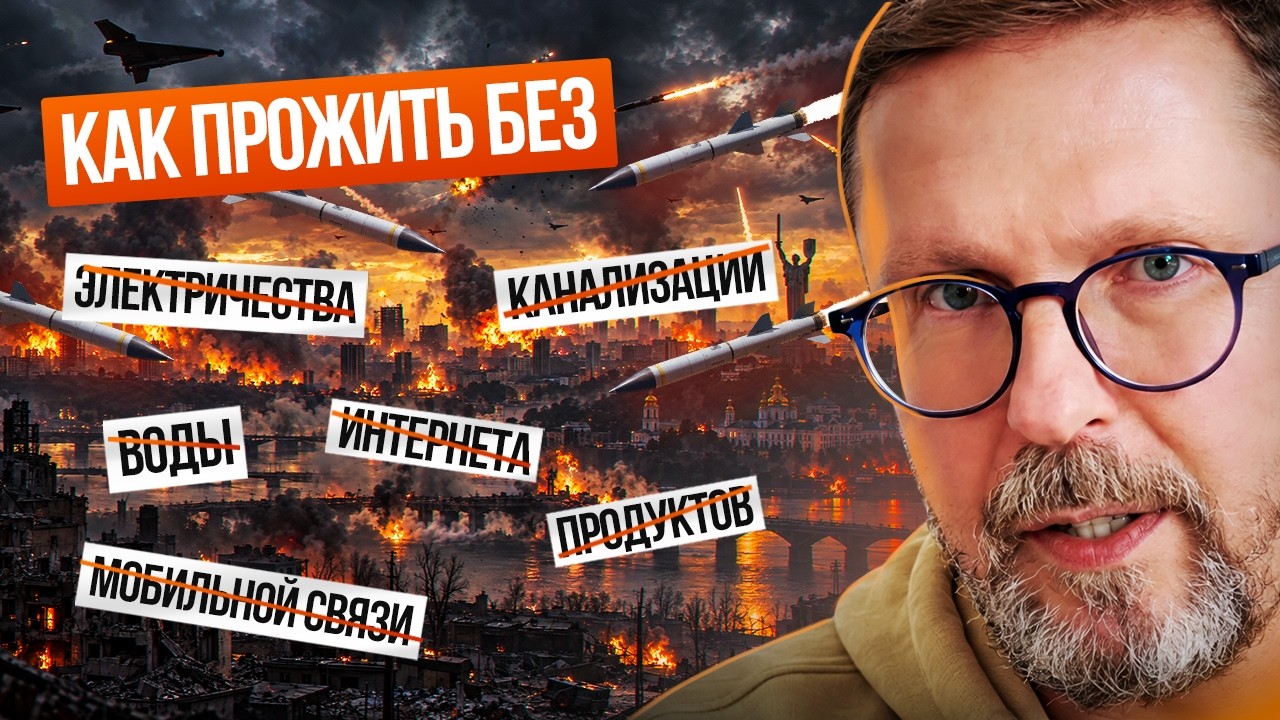
Analysis of the humanitarian crisis in Olezhki, Kherson region, amid war, blockade, and severe food shortages.
Key Takeaways
- Olezhki is experiencing a dire humanitarian crisis caused by war, blockade, and infrastructure destruction.
- Food shortages are so severe that residents resort to eating tree bark and roots.
- Both Russian and Ukrainian military actions have contributed to the suffering and destruction.
- Vulnerable populations remain trapped with limited access to evacuation or aid.
- The situation is complex, with political and military factors preventing effective relief.
What the video covers
- Olezhki is a small town in the Kherson region facing a severe humanitarian catastrophe due to war and blockade.
- The town is blockaded since May 26th, with no electricity, gas, or food supplies entering, forcing residents to eat tree bark and roots.
- Most residents left, with only vulnerable groups like pensioners, disabled, and children remaining.
- The Ukrainian Armed Forces attempted an airborne operation in Krynki to isolate the city but faced setbacks.
- Residents face difficulties passing checkpoints due to lack of documents and Russian passport requirements.
- Shelling and drone attacks have destroyed infrastructure and worsened food shortages.
- Hospitals lack medicines and anesthesia; morgues are overwhelmed with casualties.
- There are accusations of both Russian and Ukrainian forces contributing to the shelling, complicating the situation.
- Journalists and volunteers report the situation as worse than a gas attack, with some calling it a new Holodomor.
- Evacuations have been costly and limited; the Ukrainian leadership is alarmed but constrained by the ongoing conflict.
Chapters
- 00:00Introduction to the situation in Olezhki
- 01:05Military operations and expectations in Krynki
- 02:16Evacuation challenges and blockade effects
- 04:54Deterioration of food supplies and infrastructure
- 06:12Journalist reports and local testimonies
- 07:24Humanitarian aid and ongoing attacks
- 09:35Casualties, medical crisis, and civilian suffering
- 11:56Political implications and future outlook
Full Transcript — Download SRT & Markdown
Speaker A
Hello, dear friends. I wanted to look into the situation with Olezhki. And the topic is, well, a tricky one, because it's controversial, and no matter what, someone won't like you.
Speaker A
And it's such a sensitive, difficult topic, because there's real, well, real hunger there. And in fact, people are already eating roots. That's the point.
Speaker A
And it's such a sensitive, difficult topic, because there's real, well, real hunger there. And in fact, people are already eating roots. That's the point.
Speaker A
Ukrainian side. And now there's a humanitarian catastrophe there. And how is it connected, and who did it. What is Olezhki? Olezhki or Olezhki, yes, a very small town on the left bank of the Kherson region, opposite Kherson. The
Speaker A
It's real bark from trees. In short, it's a real disaster. But nevertheless, I wanted to understand why. Because at first, I didn't understand what was going on at all, because I clearly remember how Olezhki was hit from the
Speaker A
already been an airborne operation in Krynki. And during that airborne operation, there were high expectations that the Ukrainian Armed Forces would break through the Cossack camps and on to Radensk, thereby isolating the city, which would allow them to first deploy
Speaker A
Ukrainian side. And now there's a humanitarian catastrophe there. And how is it connected, and who did it. What is Olezhki? Olezhki or Olezhki, yes, a very small town on the left bank of the Kherson region, opposite Kherson. The
Speaker A
Well, of course, along the way, hundreds and hundreds of people could be imprisoned there, given 15-year sentences for treason, because they were treasonous, because they took food from the occupiers. But those are collateral damage. How could we avoid
Speaker A
pre-war population there was 24,000. Now, according to Ombudsman Lubents, there could be less than 2,000 left, but 6,000 with the rest of the community. Mostly, people with limited mobility are staying there, including pensioners, the disabled, and even children. The fact is, there had
Speaker A
expanding. Thus, Olezhki found itself in a bad situation. Volunteers call the city the most terrifying place on earth —more terrifying than the gas, I suppose. And this has alarmed the Ukrainian leadership. Although, again, to be objective, food shortages there
Speaker A
already been an airborne operation in Krynki. And during that airborne operation, there were high expectations that the Ukrainian Armed Forces would break through the Cossack camps and on to Radensk, thereby isolating the city, which would allow them to first deploy
Speaker A
interesting to know from the head of the military administration whose shelling it was, because, you know, how does one speak dialectically? The situation there was horrific due to the shelling, but they can't say whose shelling it was. Well, apparently, the
Speaker A
a sabotage and reconnaissance group, then conduct a sweep, and establish a springboard for an offensive on Crimea.
Speaker A
didn't take them out of a deep sense of patriotic pride in belonging to this country. Some simply lost them in 1923 after the flood, after the explosion.
Speaker A
Well, of course, along the way, hundreds and hundreds of people could be imprisoned there, given 15-year sentences for treason, because they were treasonous, because they took food from the occupiers. But those are collateral damage. How could we avoid
Speaker A
situation. They didn't have the documents to pass through the checkpoints. Nevertheless, until May, local residents were able to get to Velyki Kopani, where they were met by transporters, and then evacuated by volunteers. Judging by the stories of those who survived, this cost about $
Speaker A
it, friends? However, after a thousand marines went missing—in fact, there may actually be more, by the way—they abandoned the adventure and called off the operation. However, the attacks across the Dnieper did not cease, and their geography was constantly
Speaker A
But his chatter was of no avail. And after May 26th, the city was completely blockaded. Not a single car can enter or leave. And those who want to leave Olezhki can't do so at all. There's no electricity or gas, only well water,
Speaker A
expanding. Thus, Olezhki found itself in a bad situation. Volunteers call the city the most terrifying place on earth—more terrifying than the gas, I suppose. And this has alarmed the Ukrainian leadership. Although, again, to be objective, food shortages there
Speaker A
There's nothing to feed the pets. They're either fed jam and other canned goods, or they survive by eating corpses. And it's truly brutal there.
Speaker A
date back far beyond yesterday. Difficulties with food supplies sharply worsened back in '25. This, according to Gasanenko, head of the city's military administration. This was hampered by constant shelling, drone attacks, fires breaking out, and mines detonating. Well, it would also be
Speaker A
ambulances, so the injured can't be rescued. Bank cards aren't working. The Ukrainian Armed Forces claim that those who refuse to sign contracts with the Russian army and try to leave through the fields on their own are being shot.
Speaker A
interesting to know from the head of the military administration whose shelling it was, because, you know, how does one speak dialectically? The situation there was horrific due to the shelling, but they can't say whose shelling it was. Well, apparently, the
Speaker A
Our troops monitor everything from the sky. They often fly into houses where Russians are digging basements. Our people get hit too. This is such a sensitive issue for everyone. But my husband tells me, "It's war." We understand what happened. Only the war
Speaker A
Russians were bombing their own warehouses in their rear area to spread terror. By February '26, leaving the city became a death trap. Things are made worse by the fact that not everyone has Russian passports to get past the checkpoints at all. Some
Speaker A
some more," then here you are, in Oleshky, according to these journalists . But they can see for themselves. I mean, there's no need to explain what they said. Another passage from another report. This month, a group of residents went to a neighboring village
Speaker A
didn't take them out of a deep sense of patriotic pride in belonging to this country. Some simply lost them in 1923 after the flood, after the explosion.
Speaker A
that moment and all that. But I can't understand, and the journalist wasn't bothered at all, well, the situation itself, when locals—clearly, there are not only big tough guys there— ride bicycles to a neighboring village and ask the Ukrainian Armed Forces not
Speaker A
Uh, reservoirs, yes, the Kokhovskaya dam. Some simply lost their documents. And to get a Russian one, you have to hand over your Ukrainian one. And they didn't have anything to hand over. So they found themselves in a difficult
Speaker A
situation has two sides. Which side is more settled in this situation, I don't know. But I do know that I've heard with my own ears many times about the Oleshky attacks and it's like, here you go, yes, now I've heard about what's
Speaker A
situation. They didn't have the documents to pass through the checkpoints. Nevertheless, until May, local residents were able to get to Velyki Kopani, where they were met by transporters, and then evacuated by volunteers. Judging by the stories of those who survived, this cost about
Speaker A
about Kyiv. One local says, uh, Baba Yaga flew into the house next door. Somehow she got here, they shot her down. Why didn't they bring me food?
Speaker A
$400 per person. Is that expensive for the people surviving there? Yes, very expensive. They were later transported to Ukraine via the Baltics, presumably for good reason. Word of the dire situation reached the leader of the nation, who called for an evacuation.
Speaker A
And they answer me: "The reasons for the crisis are the blockade, the food shortage, the destruction of infrastructure, mined roads, the danger , the threat of shelling, and so on." Then I ask: "But hasn't Ukraine been striking cargo with drones?" And they
Speaker A
But his chatter was of no avail. And after May 26th, the city was completely blockaded. Not a single car can enter or leave. And those who want to leave Olezhki can't do so at all. There's no electricity or gas, only well water,
Speaker A
humanitarian aid. That is, if they are striking humanitarian aid, it's not humanitarian aid; it's military cargo being delivered there under the guise of humanitarian aid; Russian strikes are hitting actual vehicles carrying food. I write, that is, when locals say
Speaker A
and the markets are empty. Prices are outrageous. A kilogram of potatoes costs 500 hryvnia. People survive only by bartering food. Some, out of desperation, are canning crackers or eating weeds. Bark is next. There's only one cow left in the entire city.
Speaker A
That's it. And that's why they hear the drone. Frightened residents think there's an explosion. Or maybe Russian soldiers are hiding among civilians.
Speaker A
There's nothing to feed the pets. They're either fed jam and other canned goods, or they survive by eating corpses. And it's truly brutal there.
Speaker A
The locals are just stupid, so they don't even understand what's hitting them. I'd like to point out that their only sources are Medusa, Ukrayinska Pravda, and the very honest Radio Liberty. Well, not about Ukrayinska Pravda. And what Ukrayinska Pravda will
Speaker A
The morgues are full of corpses. They won't bury them without a forensic examination. Limb injuries are treated in hospitals by amputation. It's truly a nightmare there. There's no anesthesia. There are no medications in the pharmacies. Drones are also hitting
Speaker A
is so stupid that she doesn't realize Baba Yaga has landed? And if it's not Babega, then why are the Russians attacking themselves? The evacuation of the villages was once discussed with the mediation of the Red Cross. In the
Speaker A
ambulances, so the injured can't be rescued. Bank cards aren't working. The Ukrainian Armed Forces claim that those who refuse to sign contracts with the Russian army and try to leave through the fields on their own are being shot.
Speaker A
people have written about this situation many times, complaining to the Pope. To the Pope, that is, they are closing all their churches. If they don't know, for example, Catholics make up half a percent of the Russian population, so it's unlikely the
Speaker A
And they have, well, proof of this. I think we might see this someday. The locals, those who talk to journalists, are patriots, and they don't sell their beliefs, but they sell out their families. And the Ukrainian Armed Forces are giving them away completely.
Speaker A
number of Western publications, like Bild, have published reports about the occupiers committing atrocities there, preventing local residents from leaving . But journalists themselves aren't going there, reporting, not without reason, that the whole situation is beginning to resemble a new Holodomor.
Speaker A
Our troops monitor everything from the sky. They often fly into houses where Russians are digging basements. Our people get hit too. This is such a sensitive issue for everyone. But my husband tells me, "It's war." We understand what happened. Only the war
Speaker A
and evacuating. But Russia might not even know who he is, having been expelled from the Council back in 1922 and showing no interest in returning.
Speaker A
is to blame. Russia, which came here, is to blame. That is, these are people who communicate, well, with the civilized press, yes, and they live there. If you thought that only somewhere in the Bronx were there domestic patriots who say, "Let's do
Speaker A
then-Defense Minister Fyodorov's " Logistics Lockdown" program began. Or rather, it started even earlier, but it was officially announced on the twenty-seventh. Fyodorov soon promised hell for Russians. Specifically, he wanted to turn Crimea into an island.
Speaker A
some more," then here you are, in Oleshky, according to these journalists. But they can see for themselves. I mean, there's no need to explain what they said. Another passage from another report. This month, a group of residents went to a neighboring village
Speaker A
equipment they managed to burn in the south. Don't remember? Let me remind you. They even made a video of a destroyed convoy of fuel tankers near Armyansk. Well, admittedly, it turned out to be footage from a video game.
Speaker A
on bicycles for help. They asked a journalist to convey a request to a Ukrainian military unit not to kill them. And the journalist conveyed this request, received a positive response from the Ukrainian unit, and says she felt a keen sense of responsibility at
Speaker A
Here's what happened on September 1st. Drones stopped the convoy on the approach to the city on September 1st, and then began destroying the ten-ton cargo. No one died. Yes, but the townspeople's spirits were even lower.
Speaker A
that moment and all that. But I can't understand, and the journalist wasn't bothered at all, well, the situation itself, when locals—clearly, there are not only big tough guys there—ride bicycles to a neighboring village and ask the Ukrainian Armed Forces not
Speaker A
Ukrainian bloggers blamed the Russians for the attack. Why are they doing this ? There are two versions. One version is that the Armed Forces of the Russian Federation are not releasing people to use them as human shields. That's it.
Speaker A
to kill them. And the Ukrainian Armed Forces say, "Okay, since you asked, we won't kill you." It seems like no one was bothered. Oh well. Look, I'm not insisting on anything. I'm simply saying that there's always a side, a
Speaker A
evict, there they want to hide behind them. He confirms that they have no safe access to these territories. Well, right now there is no safe access anywhere, to put it bluntly. Russian media curse the Ukrainians. It might seem that the leadership there really
Speaker A
situation has two sides. Which side is more settled in this situation, I don't know. But I do know that I've heard with my own ears many times about the Oleshky attacks and it's like, here you go, yes, now I've heard about what's
Speaker A
On the Ukrainian side, Kosvin admits that they're not allowing humanitarian aid through because the Russians are bringing in weapons under the guise of it. This is what I'm told, and that Ukraine is only targeting humanitarian aid. But it's not humanitarian aid;
Speaker A
going on there. Well, this is what a local is saying, this is what a journalist is saying, she's telling you. The locals asked not to kill. And if they hadn't asked, then what? Some are even expressing cautious complaints
Speaker A
there will be, well, at least some facts, because simply targeting humanitarian aid and saying it's not humanitarian aid but weapons—well, that's just my opinion, that's my personal opinion, that's the whole block's opinion, friends. Sorry. Now they're reporting that drones dropped a
Speaker A
about Kyiv. One local says, uh, Baba Yaga flew into the house next door. Somehow she got here, they shot her down. Why didn't they bring me food?
Speaker A
Now the main thing is why this is being done, why such a massive push? And it's clearly aimed at a foreign audience.
Speaker A
Friends, this is very interesting. I'm turning to Google to ask what's going on there. I'm asking right here in front of you, what's going on there.
Speaker A
taking advantage of such a situation— well, that would be foolish of Kyiv. But, basically, at the UN General Assembly, well, they'll talk about it and then forget about it. That's always the case. The second question is that it could be tied to that 27
Speaker A
And they answer me: "The reasons for the crisis are the blockade, the food shortage, the destruction of infrastructure, mined roads, the danger, the threat of shelling, and so on." Then I ask: "But hasn't Ukraine been striking cargo with drones?" And they
Speaker A
Polls show that Kyiv is currently experiencing the most anxiety of all Ukrainian cities. This is the third reason why this could happen. There won't be any internet connection yet.
Speaker A
immediately explain to me that the situation with drone strikes on transport in the Eleshk area has two completely different sides. Ukrainian dr
Speaker A
and the people are often unreasonable. So, to help Kyiv residents come to their senses a little, you can show them, look, it's even worse in Oleshky.
Speaker A
You still have what you have, and so on . Now, with the current approach to war , the new approaches to war, all these technologies and so on, drones, you can turn any populated area into Oleshky.
Speaker A
Logistically, it's easy to cut it off completely. Of course, that won't work with Kyiv, but it could lead to a significant increase in prices for essential goods. It's possible, if you target the supply chains, you could do the same. And that's why Oleshki is
Speaker A
needed to demonstrate that, look, you're someone else here. You understand? And yet, the situation in Oleshki isn't particularly unique to the cities there. According to the official at the bare pier, both old and new, the same horror is happening in
Speaker A
Suryevka, but they don't mention them, or mention them much less often. And I think the whole point is that it's just from the woodpile and so on, it's just a very long name. But Oleshki is a very short name, convenient, digestible,
Speaker A
again, for the Western public. And perhaps that's why they're shouting about the situation in Oleshki. We need to shout, I repeat, we need to. But the same nightmare, or something similar, is happening in different cities along the front lines. And perhaps we should
Speaker A
talk about the overall situation. So, I tried to understand this situation as objectively as I can, given my hatred for the Ukrainian authorities. And, well, everything I say is based either on the words of these officials or on
Speaker A
press reports, and not Russian ones at that. So, that's the situation. Thank you for your attention, friends.
Speaker A
Subscribe so you don't miss a thing. I will continue to try to understand it as objectively as possible. Love you.
Speaker A
Bye.
Topics:OlezhkiKherson regionhumanitarian crisisblockadewarfood shortageUkrainian Armed ForcesRussian occupationcivilian sufferingevacuation