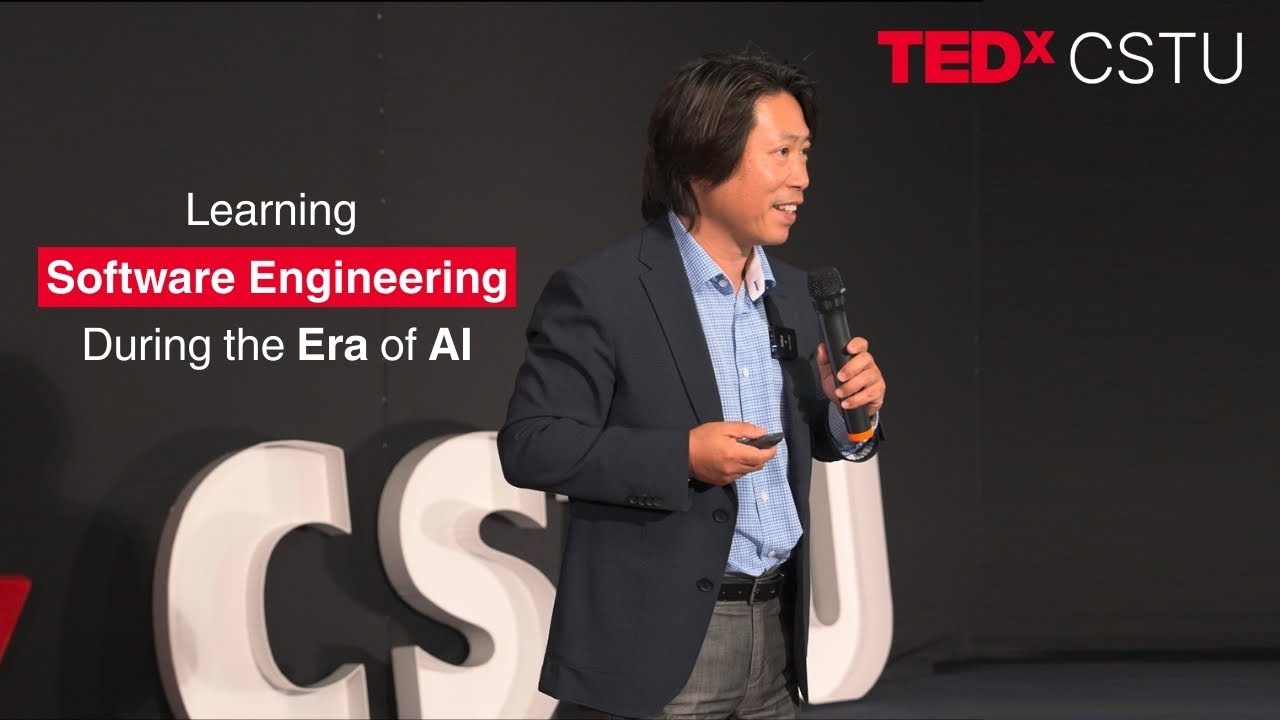
Alexander Karagiannis reveals the true role of diplomats, emphasizing diversity, diplomacy's evolving nature, and global challenges.
Key Takeaways
- Diplomats today are diverse and engaged in a wide range of activities beyond traditional statecraft.
- Effective diplomacy balances honesty with discretion and tact to build trust and maintain dialogue.
- The Foreign Service operates in complex, often hazardous environments to advance U.S. values and interests.
- Diplomacy is an active, adaptive process focused on problem-solving and leadership.
- Recruitment and retention of a diverse workforce are critical for meeting future diplomatic challenges.
What the video covers
- Alexander Karagiannis shares his journey from Indiana University to becoming a U.S. diplomat.
- He challenges stereotypes about diplomats being old, male, and elitist, highlighting diversity within the Foreign Service.
- Diplomacy involves direct engagement with people, cultural preservation, and addressing global issues like reforestation.
- The U.S. Foreign Service is a small but vital workforce committed to representing American values and ideals.
- Diplomats gather, analyze, and report information, network with influential people, and advocate for U.S. interests.
- They operate in challenging and sometimes dangerous environments, including embassies in difficult health and security conditions.
- Diplomacy requires tact, honesty, and strategic communication—never lying but not revealing all secrets.
- The role includes humanitarian efforts, such as aiding Kurdish refugees and coordinating international relief.
- Diplomacy is described as a dynamic process involving listening, adapting, leading, and producing meaningful outcomes.
- The Foreign Service aims to recruit and sustain a capable, diverse workforce ready for future global challenges.
Chapters
- 00:00Introduction and Personal Background
- 01:04Challenging Diplomatic Stereotypes
- 02:07Diversity and Inclusion in the Foreign Service
- 03:09Diplomatic Oath and American Ideals
- 04:09Roles and Responsibilities of Diplomats
- 06:10Humanitarian Efforts and Crisis Response
- 08:12Principles and Ethics of Diplomacy
- 10:01Conclusion: The Dynamic Nature of Diplomacy
Full Transcript — Download SRT & Markdown
Speaker A
Well, thank you and good evening. So, it's great to be back in Bloomington and IU. As he said, I got my degree here in '81, so I'm old. And soon thereafter, I joined the State Department and became a diplomat.
Speaker A
when I say the word Diplomat what image pops up for you old men determining the fate of Europe after World War I more old men sitting around in dreary meetings maybe shouting and pointing at each other big conferences lots of
Speaker A
When I say the word diplomat, what image pops up for you? Old men determining the fate of Europe after World War I? More old men sitting around in dreary meetings, maybe shouting and pointing at each other? Big conferences, lots of flags?
Speaker A
we help kids with disabilities so are we all male pale in Yale my wife's a diat pretty good one all seven of my previous supervisors are women or minorities some have been and others are now ambassadors my current boss is the director general of
Speaker A
What if I were to tell you that is incomplete and inaccurate? We also engage directly with people. Sports diplomacy—that's my former boss, now ambassador to Bangladesh. We contribute to cultural preservation around the world. We plant trees as part of reforestation projects.
Speaker A
the honor or the fortune to be born American we chose to be American we raised our hands and took the citizenship oath our founder cramped a remarkable oath of office that I took when I became a diplomat it is not to a government or to
Speaker A
We help kids with disabilities. So, are we all male, pale, and Yale? My wife's a dietitian, pretty good one. All seven of my previous supervisors are women or minorities. Some have been, and others are now, ambassadors. My current boss is the director general of
Speaker A
remarkable country it's the country of tomorrow country with One Direction forward one speed fast we cherish our traditions and we reinvent ourselves constantly so who are we who are in the Foreign Service well there are only 14,000 of us
Speaker A
the Foreign Service and the Bureau of Human Resources. He oversees a global workforce of 880,000. Not bad. He traces his family back to the 1700s to New Spain. Me? First-generation immigrant. Dad came over in '55 legally. I'm '58 legally. We didn't have
Speaker A
the sweep and Majesty of the American people it's the right and smart thing to do so we're going to recruit retain sustain and Empower a capable talented diverse Workforce equipped for the challenges of 2025 and Beyond we have an ambitious goal to
Speaker A
the honor or the fortune to be born American. We chose to be American. We raised our hands and took the citizenship oath. Our founder crafted a remarkable oath of office that I took when I became a diplomat. It is not to a government or to
Speaker A
choice to fuel engagement drive performance and build leadership and adaptive capacity so what is it that we do as diplomats well in the 16th century Sir Henry won described a diplomat as an honest man sent brought to life or his country so I
Speaker A
a person. It is to a set of ideas and ideals codified in the Constitution, a blueprint for good government, system and structure, and a guide to good governance, accounting for human frailty and human virtue. It's a remarkable document for a
Speaker A
blurt out everything we think or believe about the other person in the country or their positions it's called tact we hold fast to our position and leave space for further dialogue so sir uh Christopher Meyer former UK ambassador to the
Speaker A
remarkable country. It's the country of tomorrow, a country with one direction forward, one speed fast. We cherish our traditions and we reinvent ourselves constantly. So, who are we? Who are in the Foreign Service? Well, there are only 14,000 of us.
Speaker A
us values interests and goals and how do we do that we do information We Gather it make sense of it report it make recommendations we Network we identify and cultivate programmatically important people influential people irrespective of their field and we do advocacy
Speaker A
Only 8,000 of those are the frontline diplomats. Former Secretary of Defense Gates pointed out that there are more members of the military under our Foreign Service officers. Years ago, we only reflected a small slice of America. Today, we are determined to capture a larger part of
Speaker A
embassies and consulates 55% serve in places that we deem to have substandard or difficult health conditions Public Safety security problems a thousand serve in places that are too dangerous to allow families to go and in today's world it's more volatile and dangerous
Speaker A
the sweep and majesty of the American people. It's the right and smart thing to do. So, we're going to recruit, retain, sustain, and empower a capable, talented, diverse workforce equipped for the challenges of 2025 and beyond. We have an ambitious goal to
Speaker A
Global the zika caring mosquito does not care about borders the digital domain does not care about borders so that's the new world that we face so that's the big picture stuff so let me bring it down to the personal
Speaker A
recruit on American diversity, knowing that we're in a challenging situation with other US government agencies and the private sector. We're going to pay special attention and put special emphasis on inclusion. Diversity is a fact. Inclusion is a choice, a must-do
Speaker A
the end of the war Saddam brutally put down a Kurdish Rebellion just a few years earlier he had used poison gas on the Kurds so they now they were not going to wait around for a repeat about a million people fled City towns
Speaker A
choice to fuel engagement, drive performance, and build leadership and adaptive capacity. So, what is it that we do as diplomats? Well, in the 16th century, Sir Henry Wotton described a diplomat as an honest man sent brought to life for his country. So, I
Speaker A
precious little water and what there was was not safe to drink a humanitarian disaster in the making the Turkish people and government reacted but the scale was overwhelming so the United States stepped in initially with uh airdrop supplies and I
Speaker A
don't believe that, not for a second. I think diplomats live by three rules. First, never lie. Lies cannot build this trust, confidence, and credibility upon which effective diplomacy rests. Second, don't tell the complete truth. We don't share our secrets and we don't
Speaker A
so you're looking at half a million people under these circumstances and look at that terrain so we knew we had to act quickly and we marshaled and mobilized an international Force the UN arrived International NOS came ordinary citizens contributed food
Speaker A
blurt out everything we think or believe about the other person in the country or their positions. It's called tact. We hold fast to our position and leave space for further dialogue. So, Sir Christopher Meyer, former UK ambassador to the
Speaker A
that was pretty straightforward getting them the last kilometers to that location was more difficult and then once you're there well you have to refrigerate it so you needed portable refrigerators but that meant you needed electricity which meant that you needed
Speaker A
US, summed up a diplomat this way: a quick mind, a hard head, a strong stomach, a warm smile, and a cold eye. So, I believe diplomacy is a means by which we prevent, preempt, contain, manage, and solve problems and for us to advance
Speaker A
medicines this size meant that we were doing lots of big things and we were doing this constantly we knew that we had turned the corner and stabilized the situation when the refugees started throwing away the food that we were
Speaker A
US values, interests, and goals. And how do we do that? We do information. We gather it, make sense of it, report it, make recommendations. We network. We identify and cultivate programmatically important people, influential people irrespective of their field, and we do advocacy.
Speaker A
back home to Northern Iraq so we set up a safe Zone we set up other was stations and we slowly persuaded them to go back that was a monthlong 247 effort of the UN International Aid organizations NOS us diplomats and US service members
Speaker A
We persuade and convince people to do things with and for us in such a fashion that they believe it was their idea. Where do we do it? Well, of the 14,000 or so, about two-thirds serve overseas in 195 countries, 275
Speaker A
elegant telegrams or that we attend fancy receptions and nibble and fine Delicacies we do much more than that for me diplomacy is a verb make a difference listen learn think adapt lead act produce outcomes that matter serve the
Speaker A
embassies and consulates. Fifty-five percent serve in places that we deem to have substandard or difficult health conditions, public safety, security problems. A thousand serve in places that are too dangerous to allow families to go. And in today's world, it's more volatile and dangerous
Speaker A
doing things to but also with and for one another then diplomacy is a means by which we find common cause and common purpose much as we humans are individuals we're also free spirits and the words of n we're
Speaker A
than ever before. You have all the traditional components of foreign policy: state-to-state relations, provocations, challenges to international peace and security, economic prosperity, democracy, the environment, health, and many issues that are new, transregional, transnational,
Speaker A
it requires to be sure a more penetrating eye and a more favorable inclination to advance what is imperfect and evolving than to see through it in its imperfection and deny it when we combine purpose and principle we can and
Speaker A
global. The Zika-carrying mosquito does not care about borders. The digital domain does not care about borders. So, that's the new world that we face. So, that's the big picture stuff. So, let me bring it down to the personal.
Topics:diplomacyForeign ServiceAlexander KaragiannisTEDxdiversityU.S. State Departmentinternational relationshumanitarian aidcultural diplomacyglobal challenges