Speaker A
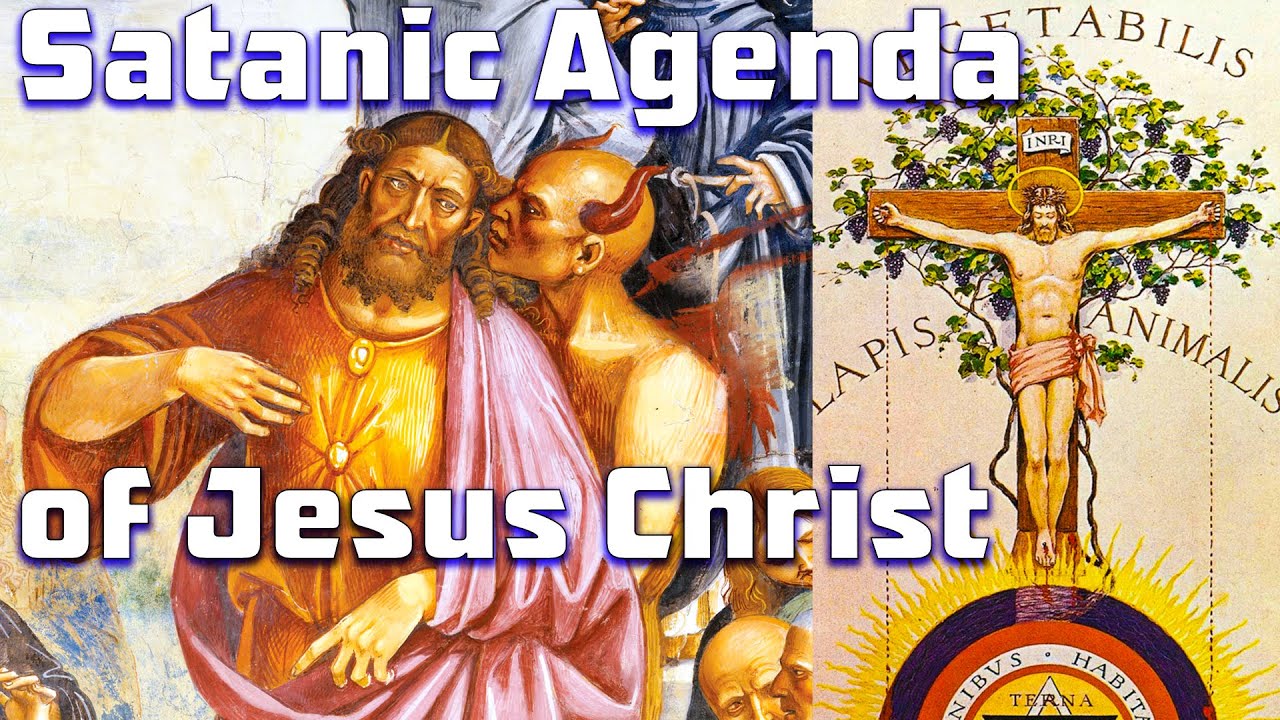
This gives birth to all created things. The light falls into the darkness as it emanates out into the womb, and as it emanates, it falls further and further away from the One and becomes increasingly dispersed into chaos. The light loses its perfect rationality, beauty, and goodness, and descends further and further from the perfection of the One. The darkness increasingly absorbs the energy of the light until the darkness itself shines. At that point, the cycle is complete. All the light has fallen as far as it can. Chaos has won the battle between light and darkness, and the darkness shines. Chaos triumphs in the end, and the end of the cycle mirrors the beginning and becomes the beginning of the next cycle. The emanations form a great chain of being. The One is at the top of the pyramid, then comes the Demiurge, then the world soul, and this trinity is separated from the worlds it creates below by the great divide or abyss. At the very bottom of this structure is primordial chaos, which is the most distant point from the One and is completely bad, disordered, irrational, and ugly. The gods are higher than human souls, which are higher than human bodies, which stand above animals, and animals above plants, which draw their nourishment from minerals that are formed of matter at the bottom rung of the pyramid. Epistrophe is the opposite process of emanation. Epistrophe raises the light back towards the One. It makes things more rational, ordered, unified, beautiful, and good.