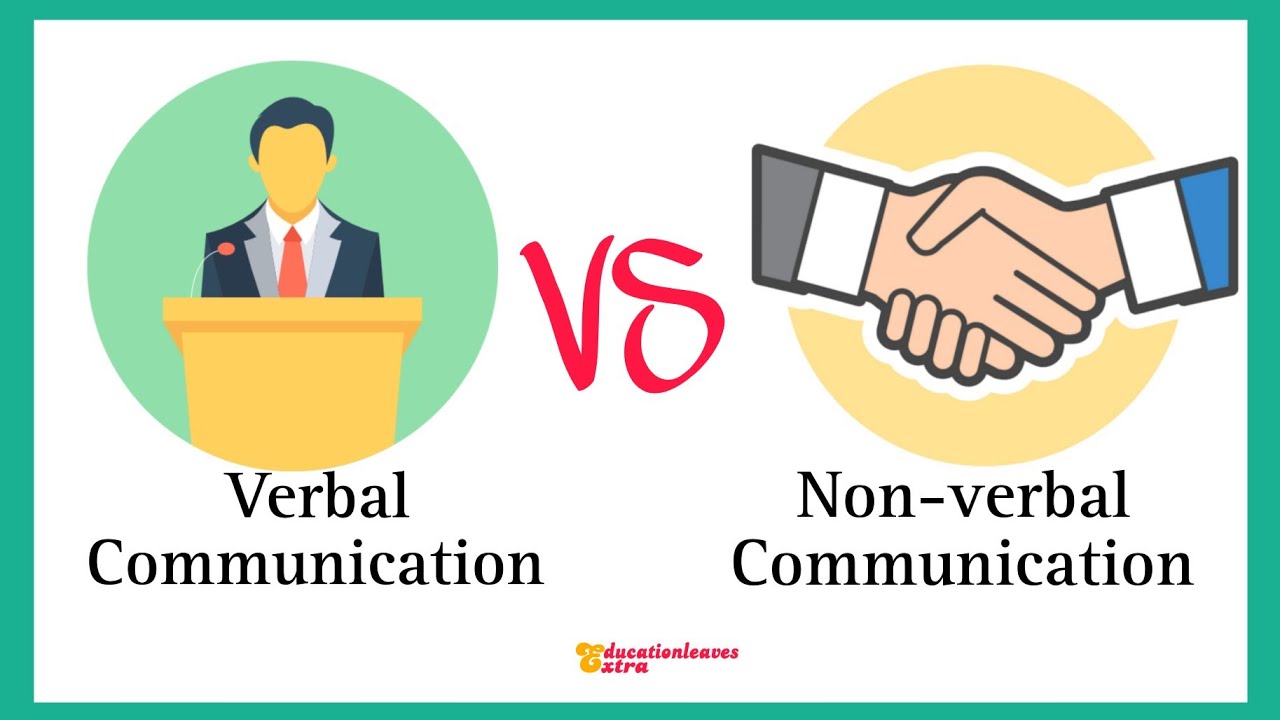
Explains how communication differs from talking, covering its key characteristics and the seven-step process: sender, message, encoding, channel, receiver, decoding, and feedback.
Key Takeaways
- Effective communication requires mutual understanding, not just speaking
- Each stage of the communication process matters, especially encoding and feedback
- Feedback confirms that a message was successfully encoded, sent, and decoded
What the video covers
- Talking is speaking words, but communication is sharing information to reach a common understanding
- Communication requires a clear message that the receiver can easily understand
- Poorly written or unclear messages can damage relationships and careers, illustrated with examples
- Communication involves at least two people and is a two-way process
- It is incomplete until the receiver has understood the message
- Forms of communication include orders, reports, instructions, and queries
- Communication is influenced by the mood and thinking of both sender and receiver
- Main objectives are building interpersonal relationships and enhancing human behavior
- The process is circular, starting and ending with the sender via feedback
- The seven steps are sender, message, encoding, channel, receiver, decoding, and feedback; the video previews types and the seven C's of communication in a future video
Chapters
- 00:00Introduction: Talking vs. Communication
- 00:42Defining Communication
- 01:22Examples of Poor Communication
- 02:27Characteristics of Communication
- 03:05Overview of the Communication Process
- 04:05Steps: Sender, Message, Encoding, Channel
- 05:00Steps: Receiver, Decoding, Feedback
- 05:40Closing and Next Video Preview
Full Transcript — Download SRT & Markdown
Speaker A
hi guys, welcome to Education Lace. Talking is an integral part of our life. We talk to our friends, family members, co-workers, and with strangers. But do we really communicate? Let's see how communication is different from talking.
Speaker A
sentences sometime the message was clearly understood sometimes not but communication is sharing information between two or more people to reach a common understanding before you start communicating with others make sure your message is clear and easy to understand
Speaker A
Talking refers to speaking words and sentences. Sometimes the message was clearly understood, sometimes not. But communication is sharing information between two or more people to reach a common understanding. Before you start communicating with others, make sure your message is clear and easy to understand.
Speaker A
Mr John you can leave now happy Journey hey dude why haven't you answered my email your message was so poorly written that I didn't dare to start a dialogue maybe I should talk with your boss maybe you should email him
Speaker A
Here are some examples. "So, Mr. John, tell me how you found out about our company and this position we need to fill." "Actually, I found it while I was sitting in the toilet and browsing the internet with my smartphone."
Speaker A
it is incomplete until the message has been understood by the receiver in the same sense 3.
Speaker A
"Mr. John, you can leave now. Happy journey!" "Hey dude, why haven't you answered my email? Your message was so poorly written that I didn't dare to start a dialogue. Maybe I should talk with your boss. Maybe you should email him."
Speaker A
6. communication is a circular process that starts and ends with the sender now let's discuss the process of communication as we learned before that communication is a cyclic process that starts with the sender and ends with the sender in the form of feedback
Speaker A
From these two examples, you can clearly see how poor communication affects our life and career. Also, now let's discuss some important characteristics of communication. One, communication involves a minimum of two persons, the sender and the receiver. Two, it is basically a two-way process, and it is incomplete until the message has been understood by the receiver. In the same sense, three, the forms of communication are order, report, instruction, queries, etc. Four, it is influenced by the mood or thinking of both the sender and the receiver. Five, the main objectives of communication are to build interpersonal relationships and enhance human behavior. Six, communication is a circular process that starts and ends with the sender.
Speaker A
manner that can be easy to understand by the receiver 2. message the message is the main subject of communication it is also called the heart of communication a message contains a thought idea picture symbol report or order to
Speaker A
Now let's discuss the process of communication. As we learned before, communication is a cyclic process that starts with the sender and ends with the sender in the form of feedback. It consists of some steps, where each step constitutes the essence of effective communication. One, sender. The sender is the initiator of the message that needs to be transmitted. After having created the information, idea, etc., the sender encodes it in such a manner that it can be easy to understand by the receiver. Two, message. The message is the main subject of communication. It is also called the heart of communication. A message contains a thought, idea, picture, symbol, report, or order, to gestures and posture. Serial uses a message can be verbal or non-verbal. Three, encoding. Putting the targeted message into an appropriate medium is called encoding. Encoding is very important, because a wrong or inappropriate encoding may change the true intent of the communication. Four, channel. It refers to the mode the message flows or is transmitted through. The message is transmitted over a channel that links the receiver with the sender. The message may be written or oral, and it can be transmitted through a computer, a cell phone, telephone, television, or a memorandum. Five, receiver. The receiver is the person, group, or community for whom the message is meant. As the sender, the receiver is also an important factor in the communication process, as it is the other end of the process. The receiver should be in a fit condition when receiving the message, because any negligence on the behalf of the receiver may make the communication useless. Six, decoding. Generally, it means comprehending the message. After receiving the message, the receiver interprets it and tries to understand it in the best possible manner. Seven, feedback. It is the response of the receiver to the message sent by the sender. Feedback is necessary to ensure that the message has been successfully encoded, sent, and decoded.
Speaker A
communication 4. Channel it refers to the mode the message flows or is transmitted through the message is transmitted over a channel that links the receiver with the sender the message may be written or oral and it can be transmitted through a computer
Speaker A
If you want to read about communication in detail, go through the link in the description. In the next video, I will discuss the types and the seven C's of communication. If you think this video is helpful to you, please like this video and subscribe to my channel. Thank you!
Speaker A
process the receiver should be in a fit condition when receiving the message because any negligence on the behalf of the receiver may make the communication useless 6. decoding generally it means comprehending the message after receiving the message the receiver
Speaker A
interprets it and tries to understand it in the best possible manner 7. feedback it is the response of the receiver to get the message sent by the sender feedback is necessary to ensure that the message has been successfully encoded
Speaker A
sent and decoded if you want to read about Communication in detail go through the link in the description in the next video I will discuss the types and the seven C's of communication if you think this video is helpful to
Speaker A
you please like this video And subscribe to my channel thank you
Topics:communicationcommunication processsender receiverencoding decodingfeedbackchannelinterpersonal communicationcommunication characteristicsbusiness communicationeducation