British trader Conor shares his trading journey, strategies, and insights on market analysis, timing, and risk management in this bilingual podcast.
Key Takeaways
- Trading success requires more than knowledge; timing and risk management are crucial.
- Market analysts provide valuable information but traders must filter noise to make decisions.
- Retail traders often lose money by following signals without understanding timing or strategy.
- Stable, consistent returns on adequate capital are more important than chasing large quick profits.
- Prop trading offers opportunities for skilled traders to trade with company capital and profit sharing.
What the video covers
- The podcast is an English-Russian bilingual experiment to break language barriers for Russian-speaking audiences.
- Conor, a British trader with 8 years of experience, shares his journey from economics student to senior analyst and trader.
- He explains the difference between market analysts and traders, emphasizing the challenges of trading despite analytical knowledge.
- Conor discusses common pitfalls for retail traders, including poor timing, misunderstanding signals, and lack of risk management.
- He highlights the importance of timing in trading and how entering trades late skews risk-reward ratios unfavorably.
- The podcast covers the role of market analysts in providing broad information that can be overwhelming for traders.
- Conor stresses that profitable trading requires stable returns on sufficient capital rather than quick big wins.
- He introduces prop trading as a path for traders to access larger capital and share profits once proven skilled.
- The episode includes live market analysis, focusing on key events like the nonfarm payroll report and Fed decisions.
- Conor also touches on the future of trading with neural networks and the limitations of insider information for average traders.
Chapters
- 00:00Introduction and Podcast Format Experiment
- 03:41Conor's Trading Journey and Background
- 07:41Difference Between Analyst and Trader
- 17:43Challenges of Trading and Risk Management
- 27:23Importance of Timing in Trading
- 34:55Market Analysis and Key Economic Events
- 45:33Trading Strategies and Prop Trading
- 49:00Final Thoughts on Trading Psychology and Techniques
Full Transcript — Download SRT & Markdown
Speaker A
Friends, hello everyone, and welcome to the new season of Headliners. This time, we've decided to make things a little more challenging. We're filming podcasts in English with some really cool English-speaking guests, and then fully translating and adapting them into Russian for you. Why are we doing this? I think there's a huge wealth of experience, stories, and people that Russian-speaking audiences simply can't reach due to the language barrier. Our goal is to remove that barrier. So, from now on, you'll see the podcast itself, fully translated. And I'll say right away that for us, for the team, this is also an experiment. We're currently searching for the best format: how to translate, how to adapt, how to preserve emotion and a lively conversation so it doesn't feel like a standard voiceover. So, be sure to let us know in the comments what you liked, what annoyed you, and what we could do better. We'll be reading your feedback and polishing each episode. A huge amount of work and resources goes into this translation. And so I really, sincerely hope that you'll like the results. Anyway, welcome to the experiment, and let's go see. Conor, how long have you been trading?
Speaker A
8 years already. Let's talk about that. Tell me, how did you get into this industry in the first place?
Speaker A
Well, for me, to be honest, it all started with my studies. What are you talking about?
Speaker A
Well, I have a degree in economics and finance. And with that, I went to work for a broker. So, I did the same thing that any 18-year-old does. You surf the internet, look for signals on Instagram, lose a ton of money, trade, and all that. And then I came into the profession seriously as a market analyst. And, probably, that's where it all led to what I do now. Analyst and trader are different things. We'll talk about that later.
Speaker A
Explain what it means to be a market analyst and what it means to be a trader?
Speaker A
Well, I learned that the hard way. When I first joined the industry as an analyst, I was like, "That's it." I already knew everything about economics, about charts, about all these concepts. And I thought that meant I was a good trader. Well, how could I be otherwise? Nothing of the sort. It was a tough lesson. For the first couple of years, already working full-time as an analyst, I was consistently losing money and didn't understand why. Well, of course, we'll talk about risk management and all that later. Sorry to interrupt. Where did you get the money you were wasting in trading?
Speaker A
Yes, all my savings. I just graduated. This is generally the most common question for all traders. Guys, where do you get the money?
Speaker A
Well, yes, the small savings that were left. You know, I was interning for a year at a company from university, when I was still a kid. And I'm sitting next to the manager, and he's from a completely different field, and I'm on my phone in MT5. That's how I trade DAX, the German index. I didn't know what a lot was. Someone just posted a buy signal, and I opened a trade. But indices have a different lot size, not like on Forex. I thought one lot was fine, but there it was a completely different lot. I literally opened a trade, and within 15 seconds my account was gone. I was sitting there, and my manager was next to me. That's when I realized what it meant to lose money. I thought, no, I can't go on like this. And, oddly enough, that's what got me hooked. I was hired at Torex to work with the broker, with the in-house analysts. After two years, I left for another company. It's the same thing there: analyst, teacher, all that stuff. I recently returned to Torex, moving from the UK to Dubai as a senior analyst. Now I'm in charge of trading and training. I lead analysts all over the world. That's how I ended up where I am now. Listen, that's a great answer. How does this analytics, your work, help other people decide what trades to open?
Speaker A
It helps others, but not me. Yes. Why is that? Why does it work like this? Well, I mean, a market analyst should give out as much information as possible. You need crypto, the next one needs the euro or the dollar, someone else needs gold. Everyone needs everything. And I have to give them all of it, all this noise. So, all day long, I look at trading from every angle. Indicators, smart money, well, chart patterns, different asset classes. That's the job, I have to know everything, but for a trader, it's noise. Too much noise around. I can't keep it all in my head and still decide whether to go long or short. You see?
Speaker A
That's the point. An analyst is useful to others. I can give you precise information on a specific issue, but when I trade myself, all this just gets confusing. One thing tells me to buy, another tells me to sell. That's the hardest thing for me. So, why do you think trading signals don't work? People subscribe to different groups on Instagram, Telegram and lose money. Why don't the signals themselves work? Or is it a matter of psychology and risk management?
Speaker A
Yes, I think it's a matter of timing. Yes, I get it. For example, I give a signal: "You missed the moment, entered later." And the price is different. People often simply follow signals, without even understanding the basics of trading. They think: "Here's the solution." But this doesn't work in the long run, and there are plenty of scammers out there, depending on who you deal with. Some trade at a loss themselves, sell signals, and receive a commission from the broker. Others give decent signals. But the client doesn't understand either the strategy or the reasons for entering. And again, it's a question of timing.
Speaker A
Can you explain what you mean by timing? Because, I think timing is the most important thing in general, not just for signals, but for any trader. And I have an interesting thought about this.
Speaker A
Time can be your friend, or it can turn out to be your enemy. An enemy, yes.
Speaker A
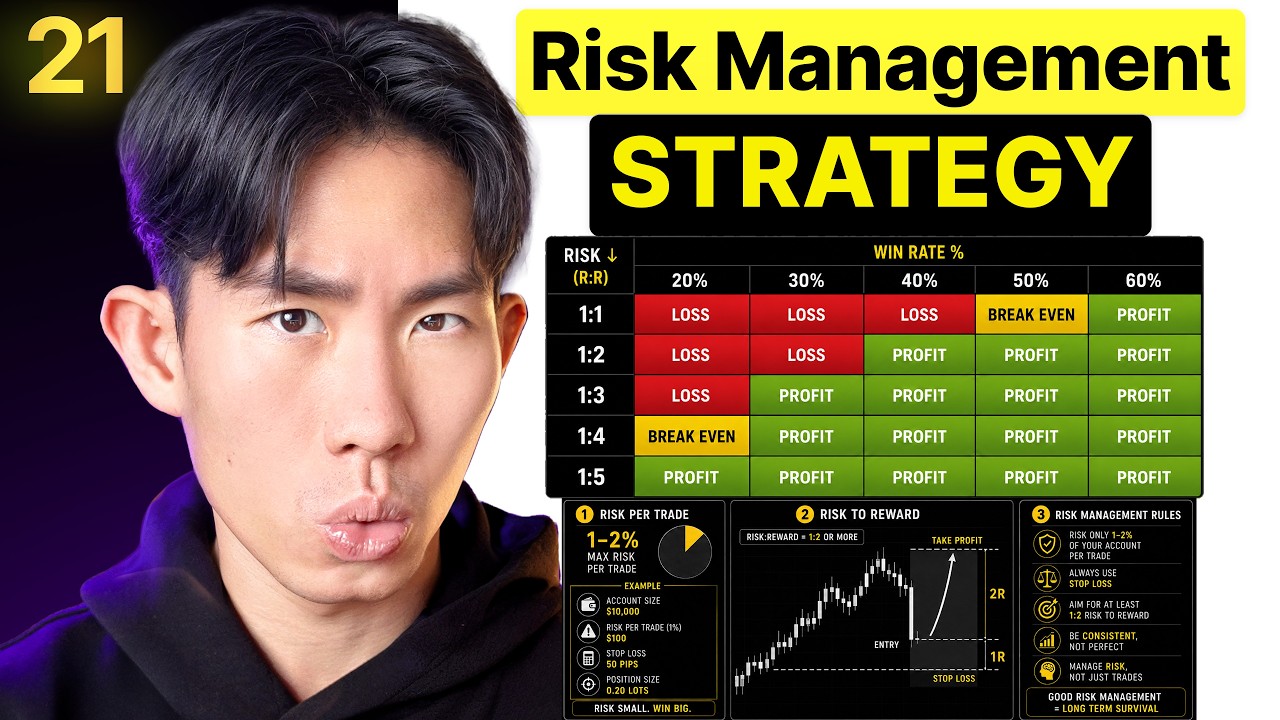
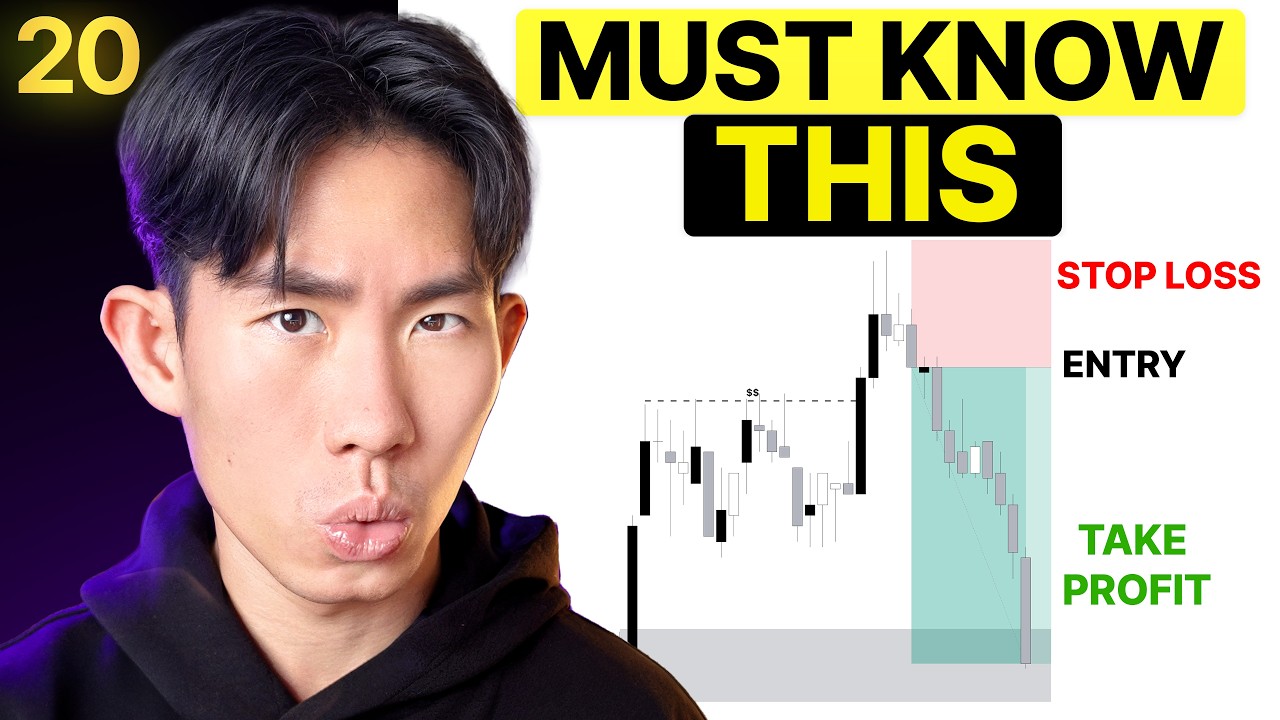
Yes. Look, if you have a large enough deposit, you trade with very little leverage, you can wait calmly, and over the long term, you usually end up in the black. But when you rush the market, rush the situation and the price, you usually lose. So why is timing so important? Look, a simple example. You have a strategy with a risk-to-reward ratio of one to three, and all the statistics support it. You give a signal to a regular trader, but they're 20 minutes late. They were brushing their teeth or in the trading room, they come back, try to open a trade in MetaTrader, and the price has already moved partway into the black, but they still enter. That's what a typical retail trader does, as you said: they rush, miss an entry, and the risk-to-reward ratio is skewed from the start. If it's a buy, the stop-loss is now much further away. They're risking much more than they think, and they're entering when the market has already moved down. It's about endurance, telling yourself, "Okay, I'll skip this trade and wait for the next one." Most people simply don't have it.
Speaker A
The traders you see in this podcast don't make a living by turning $100 into $10,000 every month. Profitable trading isn't about big wins; it's about a stable return on a sufficiently large capital. And that's exactly what beginner traders often lack. Not just another strategy, but capital where their strategy actually starts to make sense. And that's where pro trading in Hash comes in. You first prove you can trade, then gain access to the company's capital and take a share of the profits. If you truly know how to trade, the size of your own deposit shouldn't be a limiting factor. Link in the description.
Speaker A
What does it mean to be a market analyst? What does your job actually look like? Can you show us how you analyze the market right now, and then we'll see how accurate your analysis was? When this episode airs, everyone will be able to compare our analysis with what's happening on the charts and in the market. And today we have a very interesting day. Today, the Pels report is released. This event only happens once a month, so let's brea
Speaker A
fine, but there it was a completely different lot. I literally opened a trade, and within 15 seconds my account was gone. I was sitting there, and my manager was next to me. That's when I realized what it meant to lose money. I
Speaker A
thought, no, I can't go on like this. And, oddly enough, that's what got me hooked. I was hired at Torex to work with the broker, with the in-house analysts. After two years, I left for another company. It's the same thing
Speaker A
there: analyst, teacher, all that stuff . I recently returned to Torex, moving from the UK to Dubai as a senior analyst. Now I'm in charge of trading and training. I lead analysts all over the world. That's how I ended up where
Speaker A
I am now. Listen, that's a great answer. How does this analytics, your work, help other people decide what trades to open?
Speaker A
It helps others, but not me. Yes. Why is that? Why does it work like this? Well, I mean, a market analyst should give out as much information as possible. You need crypto, the next one needs the euro or the dollar, someone
Speaker A
else needs gold. Everyone needs everything. And I have to give them all of it, all this noise. So, all day long , I look at trading from every angle.
Speaker A
Indicators, smartmoney, well, chart patterns, different asset classes. That's the job, I have to know everything, but for a trader, it's noise. Too much noise around. I can't keep it all in my head and still decide whether to go long or short. You see?
Speaker A
That's the point. An analyst is useful to others. I can give you precise information on a specific issue, but when I trade myself, all this just gets confusing. One thing tells me to buy, another tells me to sell. That's the
Speaker A
hardest thing for me. So, why do you think trading signals don't work? People subscribe to different groups on Instagram, Telegram and lose money. Why don't the signals themselves work? Or is it a matter of psychology and risk management?
Speaker A
Yes, I think it's a matter of timing. Yes, I get it. For example, I give a signal: "You missed the moment, entered later." And the price is different. People often simply follow signals, without even understanding the basics of trading.
Speaker A
They think: "Here's the solution." But this doesn't work in the long run, and there are plenty of scammers out there, depending on who you deal with. Some trade at a loss themselves, sell signals, and receive a commission from
Speaker A
the broker. Others give decent signals. But the client doesn't understand either the strategy or the reasons for entering. And again, it's a question of timing.
Speaker A
Can you explain what you mean by timing ? Because, I think timing is the most important thing in general, not just for signals, but for any trader. And I have an interesting thought about this.
Speaker A
Time can be your friend, or it can turn out to be your enemy. An enemy, yes.
Speaker A
Yes. Look, if you have a large enough deposit, you trade with very little leverage, you can wait calmly, and over the long term, you usually end up in the black. But when you rush the market , rush the situation and the price, you
Speaker A
usually lose. So why is timing so important? Look, a simple example. You have a strategy with a risk-to-reward ratio of one to three, and all the statistics support it. You give a signal to a regular trader, but they're
Speaker A
20 minutes late. They were brushing their teeth or in the trading room, they come back, try to open a trade in MetaTrader, and the price has already moved partway into the black, but they still enter. That's what a typical
Speaker A
retail trader does, as you said: they rush, miss an entry, and the risk-to-reward ratio is skewed from the start. If it's a buy, the stop-loss is now much further away. They're risking much more than they think, and they're
Speaker A
entering when the market has already moved down. It's about endurance, telling yourself, "Okay, I'll skip this trade and wait for the next one." Most people simply don't have it.
Speaker A
The traders you see in this podcast don't make a living by turning $ 100 into $ 10,000 every month. Profitable trading isn't about big wins; it's about a stable return on a sufficiently large capital. And that's exactly what
Speaker A
beginner traders often lack. Not just another strategy, but capital where their strategy actually starts to make sense. And that's where pro trading in Hash comes in. You first prove you can trade, then gain access to the company's capital and take a share of
Speaker A
the profits. If you truly know how to trade, the size of your own deposit shouldn't be a limiting factor. Link in the description.
Speaker A
What does it mean to be a market analyst? What does your job actually look like? Can you show us how you analyze the market right now, and then we'll see how accurate your analysis was? When this episode airs, everyone
Speaker A
will be able to compare our analysis with what's happening on the charts and in the market. And today we have a very interesting day. Today, the Pels report is released. This event only happens once a month, so let's break down the
Speaker A
market right now. Guys, if you're watching our broadcast right now, you can also ask your questions; write them right here in the comments. But let's start with the simplest thing. What are nonfarm payrolls anyway, and why is this report so important? And why is
Speaker A
there such strong market volatility every month when this data is released? Why is it so important?
Speaker A
Yes, of course, I always say that this is probably the most important event in the market after the interest rate decision, not counting the interest rate decision .
Speaker A
Why? Because the Federal Reserve relies on this data when deciding what to do with the rate. And the number shows how many jobs were added or lost over the past month, excluding agriculture.
Speaker A
Listen, I want to ask, sorry to interrupt, I always get scolded for this, but when I have a question, I like to ask it right away. So, what do you think, maybe the Nonfarm Pays indicator itself is a little outdated?
Speaker A
After all, there aren't that many people working in agriculture these days. Yes. And there are fewer and fewer farmers every year.
Speaker A
Yeah, I've never heard of that before. Seriously? It just occurred to me. Maybe the name itself is a little outdated? Maybe it's time to rename the report to the Trump Report?
Speaker A
Yes, there are questions about these numbers. Over the year, the employment data was revised downward by a total of a million jobs. Here's the original value.
Speaker A
Can you show us these numbers? Yes. I'll zoom in now. Is this historical data? Yes. Yes, starting from January 10th, 2025, the downward revision of the previous value is marked in red, but a month later it turned out to be worse.
Speaker A
Wow! So, the data is being revised retroactively a month later? Yes. And now we'll get a revision for last month. The red number means that the previous value was lowered in the new report. 143,000 revised down to 125. Ah, 151,000 to 117. Look how many
Speaker A
times this has happened since January of 2025. 1 2 3 4 5 6 Sorry, but is a downward revision of the data good or bad? Overall, the data shows weakness in the labor market. The situation is especially interesting now
Speaker A
. Inflation is still high. And here's the contradiction that arises. The new Fed chairman, Vorsh, has taken a tough stance. He's worried about inflation, and the labor market says, "It's time to cut the rate." Orzh says, "Inflation is high, which means the rate needs to
Speaker A
be raised." According to the employment data, it's the opposite: -23,000 instead of plus 57. Look how much employment growth has fallen over the past 12 months. That's why this non-farm is so important. Vorsh came in with a much tougher stance than Paul
Speaker A
had before him. The rate needs to be kept high longer, and now, perhaps, even raised. But the labor market is demanding a cut. That's the current contradiction. So, in today's report, I'm looking at two things. The forecast is +55,000, but the previous reading of
Speaker A
-23,000—will they revise it even lower? And will the result match the forecast of 55,000? Let me explain. If the data as a whole turns out to be stronger, meaning the labor market shows that it's still strong, this will
Speaker A
support the firm's stance. And then we can consider, for example, long positions in the dollar, meaning trades to buy the dollar, trades to sell gold, and so on. But if the data keeps getting weaker and weaker, the market
Speaker A
will say, "We can't raise the rate when the labor market is sagging." Then market participants will begin to lose confidence in this scenario and will go in the opposite direction. They won't believe the rate will be raised. And
Speaker A
how do I know that the uncertainty right now is almost 50/50? Look, I was just about to ask about this, because Polymarket is also now pricing in the Fed raising the rate.
Speaker A
Right now, both options are almost equally likely. You can see it here. The CME Group tool shows what decision the US central bank might make at its next meeting. It's very useful for traders. Look, the next meeting is
Speaker A
indicated above. September 16th. The rate is currently between 35 and 3.75%. The probability of leaving the rate unchanged is 47%, and of raising it by a quarter percentage point to that level is 52%. So, when employment or inflation data is released before the
Speaker A
meeting, the market moves in line with the change in these probabilities. This is how the Fed's future decision is priced in, you see? Right now, both options are almost equally likely. This rarely happens. Usually, the market already knows what to expect from the
Speaker A
next meeting. But this isn't the first time. The previous rate decision, I think, in August, was also quite unexpected.
Speaker A
Back then, the rate was left unchanged. When Orsh came in, this is exactly what was expected of him. You just joined the Fed. Why change everything right away? First, look at the data and then rely on it. That's why he left the bet.
Speaker A
I suggest you take a break from trading for just a minute. I'll tell you about loyalty. Loyalty is a really strange thing, and we often think it only works one way. You use certain services a lot , bring them money, get used to them,
Speaker A
recommend them to your friends, and gradually begin to feel like you're almost in a relationship. But true loyalty doesn't start when you stay with the company, but when the company stays with you. And the CIS market, in fact, well, I think it understands this
Speaker A
better than anyone. When you have a problem, you shouldn't be sent to read dozens of pages of FAQs. When you provide feedback, it should be heard.
Speaker A
And the Coinw exchange team and I have crossed paths countless times, at our WS trading tournament and on other joint projects. And during this time, I noticed one thing. They're really keen to build a loyal relationship with the
Speaker A
CIS audience. They don't just want to bring someone to the exchange, but to ensure they have direct contact with the team so they can, well, discuss the product. See what this approach looks like in practice at the link in the
Speaker A
description. What do you think their typical workday is like? They do the same job as you, just from a slightly different perspective. Maybe they play golf all day or analyze this data?
Speaker A
No, he listens to the other board members too. One comes in and explains why the rate should be raised. Another makes arguments for leaving it as is.
Speaker A
And a third from Cleveland says, "On the contrary, I'm in favor of lowering it, and here's why." And the director has to listen to everyone and decide which option is best. Honestly, it's a nearly impossible task. How are neural
Speaker A
networks helping you sort through all this data now? I myself have recently started spending quite a lot of time talking to Claude or even the GPT chat.
Speaker A
We're discussing what options there might be on the market, because all these models are now analyzing a huge number of different news sources.
Speaker A
They're already forming their own opinions and making their own suggestions. And from the outside, it looks like your job could disappear completely in five years.
Speaker A
Yes, when more and more people figure out how to use neural networks and start trusting their answers more and more. I agree with you to a certain extent.
Speaker A
Retail traders now receive significantly more information than they did 10 years ago. That's undeniable, but I created the MyInd marketplace. My programmer partner and I spent two years building this system.
Speaker A
It's 10,000-15,000 lines of code. It's market analysis using a neural network. Imagine if my brain was transferred to it. It's unrealistic.
Speaker A
Oh, I get it, I get it. There are also trading advisors. And for analytics, you go to KLOD or the GPT chat and ask what's happening with the non-farm market today or what decision the US central bank will make.
Speaker A
Firstly, you'll get a ton of hallucinations. The model needs to be configured and trained by someone who understands what they're doing. I think a new era is dawning. I built this system and I know how much work it
Speaker A
involves. But the hardest part was setting up feedback, the agents, teaching the model not to hallucinate and to get accurate data from reliable sources. And the average user will get a trading idea, an analysis taken from some website. And yes, this is normal
Speaker A
information, but it will become commonplace, the standard. And those who know how to code, use a neural network correctly, and train it to expert level will be head and shoulders above today's retail traders. I don't think everyone will get this
Speaker A
information and know the same thing. There will be a ton of hallucinations. People don't have feedback. 100%. Even the best models, even the latest versions, still make up a lot. Listen, can you show a few examples of how you
Speaker A
use this yourself? What questions do you ask? We'll see. I think neural networks are a very popular topic right now. Come on, while we're watching, I'll also ask my Claude or the GPT chat. No, let's ask Claude.
Speaker A
I think he's a Claude for financial problems. I'll ask him to answer me in English and explain the whole idea. I just want to figure it out for myself and understand how it all works so we can compare.
Speaker A
I'll show you now. Yeah, let's compare. Okay, I'll ask now, and then you can show me. Listen, can you explain to me what this Nonfm Payels indicator is and why the changes that are then made to the data for previous months are so
Speaker A
important? You can take the data for the last six months, for six months, break down all these statistics in detail and tell me what you expect today, what might happen today. Well, I don't know, for example, with the price
Speaker A
of gold or, say, with the dollar index. Maybe with the prices of thirty-year bonds today, when all this data is published. And please answer me in English and explain all this to me the way you would explain it to a
Speaker A
five-year-old. Let's go. In short, what did you ask him? Sorry, we didn't hear you. That's what he said. Well, there you go, here's the proof. Oh my God.
Speaker A
You tell me, I'll dial it. It doesn't work. Did you open a cloud too?
Speaker A
Yes, because this cloud is connected to my Market Mind system via AP. And what is Market Mind?
Speaker A
My product. A professional trading suite based on a neural network. And what does Xiu mean? Xiu is a set of products.
Speaker A
Got it. There are six automated systems. Those are for traders. And for analysts, there are many agents. And they give me a detailed professional analysis. It depends on how detailed you want to be.
Speaker A
It takes not only data from MT5 or the calendar, but also Cot positions, and Fedwatch probabilities, rate trajectories, sector flows, sentiment indices.
Speaker A
So, it turns out you simply digitized part of your work, right? And one more thing, this isn't my fault. I stream on YouTube, and he uploaded all my broadcasts for five years. I think it's called ingest. Something like that. Now
Speaker A
the system speaks and understands the market the same way I do. It was trained on how monetization works. I uploaded my brain to it. Got it? Yeah, basically, it writes the same way I speak. Give me a detailed analysis of
Speaker A
non-farm today. Honestly, I'm burning through tokens like crazy. I've never used the internet at all. I usually use Fable or OPC.
Speaker A
Well, fair enough, but everything is connected to my API, so I can give it a simple request like this. That's why I want to talk about this. It's really interesting. Now everyone has access to neural networks, but you need to
Speaker A
understand how to use them correctly. First, you need to learn to ask the right questions, and then you'll get the right result. Yes, that's how he'll do it. The result will look something like this. It even goes into Trading
Speaker A
View itself and pulls my chart from there. If you want, you can compare it and ask a regular model exactly the same question. You won't get such a detailed answer from it. That's what I'm getting at. We trained it, wrote
Speaker A
the code. It won't just give you a response based on one request. The market is frozen at resistance before the release of data that could remove uncertainty. Treasury yields and the dollar have retreated from their peaks.
Speaker A
That's why it's rising. Some of the expectations of tough policy that caused the initial sell-off are playing out. Some, but not all. It's so hard to understand all this, even for me. And this is with my trading experience. I
Speaker A
don't have an economics degree. I'm more of an entrepreneur. But I understand, well, maybe 50 percent of what's written here. It's just mind-blowing.
Speaker A
And it's also good at analyzing the chart, showing possible scenarios. Okay, let's see what we have today.
Speaker A
Listen, can we add a function so it can explain things like it's a five-year-old?
Speaker A
Explain it to me like I'm five. Yes, I can. You can probably do that with any neural network these days. Explain my article on non-farm finance today like I'm five. No, really, I have two sons, and sometimes they ask all sorts of
Speaker A
questions, sometimes very complex ones. And I need to find the simplest way to explain it all to them. Yes, he's giving you a distillation of everything I just showed you. He's breaking down all this gibberish, all these complexities, into normal,
Speaker A
human-readable text. I can read it to you if you want. Yes, why not? Imagine the government counting jobs per month, like children in a classroom. Today, the adults who manage the country's money, the Federal Reserve, announce the number, and they're watching it
Speaker A
closely. Lots of jobs, that means the economy is strong. That means adults can make borrowed money more expensive, that is, raise the rate. And if there are few jobs, that means everything is slowing down. Then they most likely
Speaker A
won't touch anything. And so on. Gold is like a shiny toy. As long as you hold it, it doesn't pay you anything.
Speaker A
And when rates rise, people would rather put their money at interest than in gold. And when rates are likely to remain low, people are more interested in gold and the price rises. I think you should implement this. Maybe
Speaker A
we should even do this entire podcast in this format? You know, you might be right, because when I read this whole complicated version of Seno, it might be the best explanation of the non-farm on YouTube or even the internet.
Speaker A
And in the end, today's numbers are the last big clue before the adults decide in a couple of weeks, so wherever it lands, gold will most likely move. And why do we even think gold will go up?
Speaker A
Well, let's say the number comes out weaker. That's what I'm saying, sorry, I'm just trying to joke here.
Speaker A
Trump literally wrote a post three days ago about how the market is about to go up. That's it.
Speaker A
Yeah, that's what I'm talking about. I'm trying to figure out different factors to explain it. The most obvious scenario. A weak number comes out today . If it's weak, it definitely won't be strong. Most likely, it will be a bit
Speaker A
weak. Then the probability of a hike drops from 52%. And we'll be looking at a 50-60%chance that the rate will be left as is. And that's already a shift to the soft side from what the market is currently priced in. Look at the
Speaker A
price of gold. The price of gold is 4471. It already includes these delivery expectations. We're 50/50. If the probability of a rate hike falls— that is, if the chances of an increase fall—gold will go up because the market hasn't priced it in yet. And
Speaker A
when the probability shifts, watch what happens to gold. You see, they know all this data long before it's published. And the situation on global markets is very difficult right now. It feels like insiders are everywhere. Well, let's say I want to
Speaker A
go short. I take it and send a submarine to Iran, and then I tweet.
Speaker A
That's it, I'm calling this submarine back. Yes. After that, I immediately went long. That's how I made a couple of million.
Speaker A
When they talk about conspiracies and insider information, my opinion is this : yes, insider information exists, but the average trader, I'm addressing the audience now, will never get this information. So don't waste your nerves on this. Even I, a professional, don't
Speaker A
get insider information. I honestly promise, I don't have any insider information. Don't torment yourself with things you won't find out anyway.
Speaker A
There are many other things in trading. Insight will always be there, and sometimes the market will move before you get in. That's how retail trading works. It's not easy to make money when others get information before you, but
Speaker A
there are still hundreds of ways to make money, even if you don't have insider information. What do you think about this Trump subscription? I mean the subscription to his True Social for $ 100,000. Have you heard of that? Yes.
Speaker A
They published it and announced that they are now offering this subscription . You pay $ 100,000 and read Trump's posts on Trul before anyone else. And then you can use it for HFT, high-frequency trading. What do you think? That's absolutely crazy. A year
Speaker A
ago, I couldn't even imagine this would happen. Well, I would have questioned whether it was even legal. You actually get the information before it's released. It's all about timing again, because via IP, this information can reach you a little
Speaker A
earlier, literally a few milliseconds before the post itself appears on social media. That's the thing. You need to manage your position very precisely and make split-second decisions about when to change it.
Speaker A
Yeah, I don't think a retail trader should think about that. Not really. I like it. Good answer. It's great to have access to that kind of information , but you still won't catch the perfect moment to enter. The market will move
Speaker A
before then. Can you describe the average retail trader to me? How do you picture that person?
Speaker A
What do they do and how do they make a living? How often does he trade in the morning after work or during the workday? How does it all work? Who is this person? No, in my opinion, it's an
Speaker A
ordinary person with a 9-to-5 job and just wants to earn a little extra through trading.
Speaker A
And how much do you need to earn from trading? Of course, it's a different amount for everyone, but if you take an average, you work with a lot of people.
Speaker A
The figure really is different for everyone. If you live from trading, yes , it's personal, but listen, you need to make at least $ 10,000 a month at least and consistently. It's not even about the amount. It's about the amount
Speaker A
. It's about consistency. In trading, you can earn nothing for months, and then make your entire annual income in three months.
Speaker A
But you have to pay the bills every month. That's why I talk to traders so much. I've probably recorded over 100 podcasts with different traders. And here's the thing. You don't make money every day. You can make money once a
Speaker A
month, literally on one lucky day. And then your task is to not lose what you've already earned for the entire next month. And that's the hardest part . I can give you the most illustrative example.
Speaker A
Sure. Go ahead. This is probably the main lesson I teach people. Even today, we were talking about economics, about fundamentals, looking for ideas on what will happen next, how to forecast. More often than not, no one knows what will
Speaker A
happen next. You have your own forecast , your own view of the market. The main thing is that this view has a statistical advantage, like a casino's 52%. Do you understand? Yes, yes, yes. I don't understand why no one
Speaker A
is looking at survival, at data. Risk management, psychology, but everyone is only looking at which order block to enter from, what will happen with non-farm, and how to make money today or every week, how much I need per
Speaker A
month. Trading is not about that. That's what social media has done to the industry. About a short moment when you can make money. Yeah, look, one of my strategies from the Market Mind system is called the Golden Cross.
Speaker A
These are the backtest results. This is a backtest. And the golden cross. The golden cross is when two moving averages intersect and that's it.
Speaker A
Well, it's not that complicated. The MACD and 220 MI intersect. Got it. That's what I'm talking about. People will immediately ask: "What are the rules? How do you enter?" And I say: "Don't think about it, don't think about entry rules."
Speaker A
Let's think about what the data for past years looks like. This is my simplest strategy. No need for complexity. And everyone is chasing the next magic indicator. So these are the results, these are 6 years of data, 1.800%profit, 33%drawdown, 30%winrate.
Speaker A
Yeah. And if I can increase it? Wow, the winrate isn't that high, of course, because it's a 1: 6 strategy . But the profit factor is good, 1.2.
Speaker A
In every trade, the profit target is 1: 1. 1: 1. And with a 30%win rate, that's excellent. That's why I teach people not to look for another indicator, not to think about "I'll figure out the fundamentals or gain insight and become
Speaker A
a good trader." A good trader knows how to survive. Here's a very clear example . If a strategy made 1.800%over 6.5 years with a drawdown of 33%, look at the periods when this strategy did nothing. Let's take July 29th, 2025,
Speaker A
until February 20th of the following year. The strategy went up and down, but ultimately stood still. From July to February, 7 or 8 months without results. 99%of traders won't survive here; they'll lose everything, yes, they'll lose everything, because
Speaker A
during this period they'll get carried away somewhere sideways. They'll change , change their strategy, go learn from the next guru from the internet. I don't think it's even about these gurus . The problem is that people want to
Speaker A
start making money from trading right here and now. They need to pay bills, cover their expenses, and they just can't afford to wait, wait until the right moment actually comes. I have a good friend of mine sitting here in the
Speaker A
studio. I'll introduce you to him. I know he's been trading in the black for the last nine months. And he can go weeks without opening a single trade.
Speaker A
He just waits, and then finds his position, his moment, that very market situation, and then he enters the trade . Yes, sometimes he might get a stop-loss, but usually everything works out, but I see his result over the long
Speaker A
term, and it's really good. That's what I tell people: "Take a step back, take a broader view." It's easy to say, wait out nine months of no growth. Yes, in reality, it's terribly difficult. You think, "Well, when will I make money?"
Speaker A
That's why trading shouldn't be your main income. I myself am an employee. I'm lucky. My work is related to trading. I oversee the training and receive a salary. This is my safety net . And the income from trades comes when
Speaker A
it comes. But the average retail trader works from 9:00 to 5:00, and then tries to trade during some session after work or on the phone during their lunch break. It's simply impossible. Sorry, impossible. That's a bad word. There
Speaker A
are some unique individuals. You can't compare yourself to them. But the majority can't consistently generate the income they need. And by the way, I want to say, I ran over 100 strategies through the Market Mind system. The feedback significantly sped things up.
Speaker A
Over the course of a year, we selected six strategies, four mechanical ones, and discarded 96. And all this was specifically on gold? So this strategy trades only gold, am I right?
Speaker A
Literally only gold. Very interesting. I don't really know much about gold. I already told you that I started trading back in 2009.
Speaker A
And I remember gold was worth about a thousand back then, and then the price reached 2,000. And after that, a very long decline began. A really, very long decline in gold. It, I don’t know, was constantly going down for some
Speaker A
years, yes, somewhere after 2013 or so. That’s why I’m really surprised now. People really do trade gold, and they’re trading it so actively right now.
Speaker A
It’s the most popular. Yes. I want to show you another strategy. In addition to this one.
Speaker A
Okay. What do you usually trade? What do you focus on? Do you trade, I don’t know, the S&P 500?
Speaker A
Look, the Golden Cross is on the list. That’s for gold. Weima, that’s for the German index. I’ll put it in now.
Speaker A
Wow, a German index. I didn’t even know that existed, one of the best. Seriously, there’s a lot of volatility there.
Speaker A
For me, it’s just the right amount of volatility, exactly what I need. And besides, it moves fast, like gold.
Speaker A
Madness. And then there's, say, Footsie , the British market, which doesn't move at all. That's what I think.
Speaker A
Seriously, the British market is super stable. It's incredibly boring. Yes, it's stable, it's hard to introductory. And Dax, well, that's a personal preference. Dax has the perfect amount of volatility, let's say. So, I have a Golden Cross for gold, a Master for Dax, a Blitz for
Speaker A
the S&P 500, and Power—the simplest strategy, even a five-year-old could understand it. I don't know if I want to reveal its rules. It's also based on Dax. And two completely neural network strategies: SMC, SmartMoney, and Price Action trade
Speaker A
major Forex names. No crypto. That's interesting. We've just started inviting new guests because I want to talk about traditional markets. The S&P 500, gold, and so on. That's my thing. Have you ever touched crypto?
Speaker A
Yes, I have. I bought crypto in 2019 and sold it in 2021. So, were you investing in it or trading it? I didn't . Listen, I'm not here to give an opinion on crypto.
Speaker A
No, it's very interesting. I just don't really like this whole crypto industry. This is how I personally look at cryptocurrencies.
Speaker A
I'm an economist at heart, so that's how I see it. There is no intrinsic value. Whether for investing or for trading. I trade this because I've seen the results. There were payments this year, and a good payment last year.
Speaker A
That's what suits me. And this is how I view crypto. If I have some extra money left over after my salary, I put a small amount into crypto every month without much expectation. So I stay away from all these guys who believe in
Speaker A
crypto and think it will be used like regular money. I'm not sure anyone believes in crypto in 2026. And in fact, five years have been nothing. I sold, I would have lost more , because crypto is the only place where
Speaker A
your asset can lose 90%of its value, and then fall by half again, and then by three times more. That's not for me.
Speaker A
I'm not interested. Wavemaster wanted to show you this again from the beginning of the year. Look at this period from January to April, when the war was just beginning. It started in February. This year has been difficult so far. The drawdown reached 7%. At
Speaker A
first, it was flat, then minus 7. That's where my rule was developed. I always trust my data. It was by trusting the data that I was able to sit out the period when there was no profit from January to May. Now I'm
Speaker A
benefiting from the growth. According to the history of my strategies, it usually goes like this: 3-4 months of nothing, and then an upswing. And we finally make money. Plus 14%in a year.
Speaker A
One strategy. And remember, I'm not spreading myself across six for nothing . I have different assets, different strategies. If one is falling, I don't want to depend on just one. And then the one that makes money will win.
Speaker A
Here's gold. The strategy is up 40%. Why gold? Why gold? Why do you like trading gold the most?
Speaker A
They usually say, "I like the way the price moves." Liquidity. Good movement, but to be honest, I don't care what market it is. I test strategies on all markets and, based on the results, I chose these three. And do you remember what
Speaker A
happened with gold 9 months ago? Gold and silver, when all this fever started around them. It was crazy, right? Silver usually lags gold, trails a little. That is, we were then calculating silver with a kamor. It collapsed by 40%in a few days
Speaker A
. Simply crazy. Yes, I have a rather interesting analysis of gold and oil. It's more fundamental analysis. But look, you only trade oil manually. My strategies didn't work here. Oil helps me understand whether to look for buys or sells. I trade with
Speaker A
algorithms. I have systems. Why did you decide to automate your systems? For the sake of time and effort. I spent a long time analyzing data with my programmer, whom I locked in the basement. I locked him in and said, "
Speaker A
Study this strategy." Many retail traders probably recognize themselves now. My day job takes up a lot of time.
Speaker A
Yes, mine is related to the market, but I'm busy all day. Meetings, calls with the team in Latin America or Malaysia.
Speaker A
And I realized that manual trading was suffering because of this. I couldn't give it time. I missed opportunities, entered late, entered early, simply because I knew I'd be busy later. And so it happened. I put too much effort
Speaker A
into manual trading, and that in itself is stressful, and there's not much return because the work eats up so much . And I'm sure many people feel the same way. It took two years of work. I know the advantages are not forever. So
Speaker A
we continue researching, replacing strategies with new ones. No system works forever. But now I don't spend any effort on trading itself. Zero.
Speaker A
Zero emotion. I promise, I didn't even check if I had an open position. It's 3:00 PM now, probably three or four trades have opened or closed, either positively or negatively. I'll see what happened at the end of the day or week.
Speaker A
I trade with props when you put in a lot of effort, expect a return, and think: "I want to make money, I'll try to stare at the chart for 10 hours." And you tie your efforts to profit. You
Speaker A
invested 10 hours, so you should make a lot. It doesn't work that way. I had a really good podcast with a trader from Chicago. I'll show you. He was working right on the trading floor of the Chicago Stock Exchange. And he
Speaker A
told me something interesting. His goal for the day was 7,000. He made it all, that's enough for today. It doesn't matter how long it took, an hour, 15 minutes, or even just 1 minute. By the way, you mentioned the question: what's
Speaker A
the difference between trading through a regular broker and through a prop firm? Good question. I'm a big proponent of that. I also work for a Torres broker from a test firm. Do you work with both? Yes, I work with
Speaker A
both. So what's the difference in your trading decisions? In decisions, of course. I look at how I lay out my strategies on a prop account and with a broker. With a broker, you have a little more freedom because it's your money. You can lose
Speaker A
it all if you want. With a broker, I risk a percentage of my balance.
Speaker A
Compound interest works, but the drawdown is deeper. But with a prop account, the risk is fixed. On an account of 100,000, I risk a thousand.
Speaker A
The amount doesn't change. It's rigid. Even if the account grows to 105, it's still 1,000, not a percentage. The difference, if you look at the data, is that the overall profit is lower, but the drawdown is also much smaller. And
Speaker A
the prop account rules are now as follows: you can't lose more than 10%, in some it's eight, and on non-testing stage accounts it can be four. And you always want to respect these rules. You don't need to earn that much because
Speaker A
the profit margin gives you capital for trading. The account is on prop. I don't need to make 1,800%. That would be great, but I'd lose it. There's a 40 %drawdown. I switched to a fixed amount , and the payouts are still excellent
Speaker A
because the capital is 100,000, and a retail trader will put 2 with prop into the account. So you'll earn 10%a year, even 20%. But with 2 with prop, what will that give you?
Speaker A
Nothing changes. Nothing changes. So this is the best there is. And I tell people: "Start with prop. Just learn to trade first.
Speaker A
Start with prop because the profit margin will give you access to capital and payouts from larger accounts. Use the prop's money." I always say, "Take half of the payment and do whatever you want with it. Go on vacation, live, or
Speaker A
put it in a savings account, and start building your account with the other half. I don't want to be dependent on their rules for the rest of my life.
Speaker A
Sooner or later, you'll blow it. According to my statistics, I lose 10-15 probabilities per year. People are surprised, but it's impossible to avoid a 10%drawdown. One day, you'll almost certainly experience a 10% drawdown. They say, 'My strategy only
Speaker A
has a 1%drawdown.' I've never seen anything like that." I only believe what I see with my own eyes. "If anyone can do it, great, great, good luck. But I only care about me and what I want in trading. And I know that at some point
Speaker A
I'll lose a profit. But for $ 500 you can get an account for $ 200,000. That means I can lose 10 of those in a year.
Speaker A
Minus $ 5,000. Those are my expenses. And if you look at the result, if I'm in the plus, 40%for a year with one strategy is about 30, 40,000 payouts on an account of $ 100,000. That's why I always say, having access to the data
Speaker A
and what can be seen in the backtest results, it's become easier to make money trading with props. Why do you think prop firms have become so popular over the past few years? Maybe I wasn't that deeply interested in this industry
Speaker A
before, but now I see that props are becoming more and more popular, even more popular than regular brokerage companies.
Speaker A
I see I see the data from the inside, professionally, both at the brokerage and in prop. I create content, analytics, streams for a regular audience. And here's what I'll say. Now on YouTube and social media, all the comments are only about trial firms.
Speaker A
Everyone likes it because the average guy has, maybe, $ 400 of spare cash to invest in trading. And it's a choice or an opportunity cost, call it what you will. Okay. I put $ 400 into the broker or I put $ 400 into the $ 100,000
Speaker A
challenge in prop. I complete it and I have $ 100,000. Not exactly $ 100,000, but you get the idea. That's why No, no, I agree.
Speaker A
Because access to more capital. By the way, I was thinking about it from the other side. There's one really funny thing here. Well, really funny.
Speaker A
Maybe you can help me clarify it? People usually don't withdraw money from their brokerage accounts at all.
Speaker A
They just They top up their account. They add more money to it. Yes, he understands what I mean. But I'll repeat it again. People don't withdraw money from their brokerage accounts.
Speaker A
Even if they've earned something, they put that money back into trading, and then at some point they lose it all.
Speaker A
Yes, that's true. You can't reinvest profits like that at a trial firm. The profits are transferred to your personal account. They leave them in the brokerage account. Then do whatever you want with that money. I think it's more honest. I know a lot of traders. I
Speaker A
don't understand where they get their money from at all. They just top up their brokerage accounts on the crypto exchange, on futures, and it's the same thing every time. They literally have to be pushed to withdraw their earnings
Speaker A
. Give people the freedom to win or lose. And that's exactly what the trial firm is pushing them to do.
Speaker A
Yes, people are also quite greedy by nature. Here's your 5,000 in your brokerage account. Why? 90%of traders lose money or even more? They lack stability, the ability to manage capital. To manage money, you need to be able to manage yourself. That's what
Speaker A
it all comes down to, and not just that you're bad at finding your head and shoulders and a good trade. You see, I've trained so many people, and they all come back with the same problem.
Speaker A
Every time. It's infuriating. Okay. And what questions do you get asked most often? They come and say," I can't make money, my strategy isn't working. " But they can't explain their strategy.
Speaker A
Sometimes there is a strategy. And several perfectly reasonable reasons for opening a trade. They say," Conor, here's your journal. "I do this and that." Okay, open the platform and show your actions. And everything is the opposite there. Exactly the opposite.
Speaker A
And the risk is overstated. It immediately jumps back. All the typical things they write about on the internet about why people lose money. 95%of my students don't notice their own mistakes. And perhaps this is a common problem. They look for someone to blame
Speaker A
. But the problem is always their own. It's always that they don't know how to manage money. And there's no psychology , no strength. Or they haven't figured out psychology and risk management to trade effectively. It's always like
Speaker A
this. And when I tell them: "Okay, let's do this for fun. Keep your strategy, don't change a single rule.
Speaker A
Show me every trade, the next 20 trades , and set the risk to 1%just for practice." And they come back and say: "You know, I looked, the sample is small, but this is an example. I looked , and I actually made money." Or didn't
Speaker A
make money, but also lost a little. And I'm like, "Okay, now show me the first magazine where the strategy didn't work ." First you said, "My strategy failed.
Speaker A
" And I see: -5%in one trade, -8 in another, -2, then +15. You just don't manage risk. That's what it all comes down to.
Speaker A
All-in and that's it. All-in isn't a mistake. Don't do it. I'll get fired for that.
Speaker A
This is poker. The main problem. People are afraid to admit their mistakes. When something doesn't work, they don't look for the reason in their actions. How can you blame the strategy if you don't follow it yourself? It seems obvious.
Speaker A
And what's the difference between trading and gambling? You could say that trading is a casino for smart people.
Speaker A
Perhaps so. Trading is gambling with an advantage, but when you bet with a bookmaker or play in a casino, they always have the advantage. At roulette, For example, there's zero. That's what gives the casino a transfer. That's a
Speaker A
very smart answer. Yes. And in trading, people think you always have to be right. But the best traders, well, the way I see it, you're essentially playing. For example, I open quite a few trades a week.
Speaker A
Essentially, in each of them, you're betting on the market's movement. But you have statistics that confirm your edge. You're no longer a player, you're a bookmaker, and you only need a 1-2% edge over the market. Spread that out
Speaker A
over a long period, and suddenly you're making money. Especially if you remember about the prop and access to a lot of capital. You have capital and an edge. Makes sense.
Speaker A
I get it. You know what I mean? Do you usually open any trades yourself during your live streams? As for manual trading, speaking about me personally, I don't know if I can say that, but I like it. It's fun. There's no emotion
Speaker A
left in my trading, and that sounds boring. What do you feel when you open a trade?
Speaker A
Yes, the same as everyone else, although not anymore. But before, it would hit you, you'd check and think, " I'm up 2%." Should I close it or not.
Speaker A
What should I do? Like a rabbit in the headlights. I often tell people that. I decided to do it this way. I have clear rules for managing risk within a trade.
Speaker A
What I do at each stage never changes. It's like a robot. Maybe someone can trade manually as well, but I'm quite a risk-taker by nature. And when I trade manually, I can't constantly control my emotions. I know myself, so I build
Speaker A
systems, they do it for me. So what do I feel when I open a trade? The same as everyone else. I suddenly watch the dollars jump up and down and think, " This is real money, I need to close the
Speaker A
trade." But this is one of those things that you can't develop without experience. It's human instinct, this attitude towards money when you see it jump around. It's emotions.
Speaker A
And how long does it take to gain experience and become a profitable trader? On average, I'd say 4-5 years.
Speaker A
4-5 years. Why so long? Because the typical cycle a trader goes through is usually the same. People usually come for one reason: to make a quick buck, because that's what they were told online. They stick to trading for two
Speaker A
years, and then they get beat up. I think most people will say, "I lost money the first time." And what percentage of people, in your opinion, survive to these 4-5 years? A lot or a little?
Speaker A
No, very, very few. I'd say somewhere around, I think that's a good question, my prediction. I think between 3 and 5% survive to 4 years in trading. Too many scars. Honestly, if it weren't for my job, I probably would have done the
Speaker A
same. I just remembered a really funny meme. Something I used to play when I was little. Remember, there was this game where you ride a bike along drawn lines. Well, that's just a game.
Speaker A
Yeah. Yeah. Yeah, exactly like that. Many people can't get through that. Step over. The industry itself is partly to blame for this. But that's probably why I do what I do. You can't reach everyone and make everyone a good
Speaker A
trader. What do you think about the way trading is advertised now? So many bloggers and influencers talk as if it's incredibly easy. They show trading on huge accounts, demonstrate a beautiful, expensive life and everything else. Do you think this is
Speaker A
ultimately good or bad for the industry ? Bad. This is one of the main complaints. People are generally allowed to behave this way, but social media also responds. I think this is one of the main reasons for traders '
Speaker A
failure. Here comes a person in their early 20s, starts trading TikTokers. TikTokers, yes. They come with expectations from the internet, as with everything in life. What you see on the internet is what you consider to be true. And when you come to such a risky
Speaker A
thing as money management or trading, people automatically consider themselves to be the person they saw on Instagram or on TikTok, who makes a ton of money streaming. Some, yes, I'm not talking about everyone. There are excellent traders who, indeed, earn a
Speaker A
lot, but there are also a large portion of those who simply present a glamorous life to sell trial challenges, bring clients to a broker, and collect their commission. This is an affiliate business. In itself, it's quite normal, but this presentation creates false
Speaker A
expectations about trading. People come and think that's it, see a bright picture, a glamorous life, which is why they came to trade. And then the market crashes, and you think: "It's me, I'm doing something wrong." And they blame
Speaker A
themselves. They lose money, follow signals, overestimate their leverage and risk. After all, that guy does the same thing. He sits with his phone in a Lamborghini and rakes in the money.
Speaker A
It's easy. It's easy. In the first couple of years, people realize it's not that easy. Many can't stand this disappointment and quit trading. They think: "Oh, come on.""screw it." And those who survive are those who say: " I'm still going to make money trading."
Speaker A
And who do you watch on social media and YouTube? Maybe there are some educational channels where you find interesting ideas? I believe in this podcast format. I think it can be very useful for the viewer. You can not only
Speaker A
talk, but also show trading itself, explain the basics so that the person understands. Take Worlds of Wisdom. The trading podcast is becoming more and more profitable. Oh, sorry, more popular, I meant to say. Headliners are also gaining popularity in other
Speaker A
markets. We explain different ideas, show how other people trade. So, who else do you follow? Who would you recommend watching to better understand the market? Good question. I watch Worlds of Wisdom and other similar podcasts, but I still get most of the
Speaker A
information on the internet from primary sources, from fundamental data. I don't follow individual people, honestly, I don't. And the reason is not at all That I don't trust them. I have friends in the industry, they produce the same content, but I form my
Speaker A
own opinion. That's my job. My job. Okay. Then the next question. This is more for experienced traders. Let me remind you again, I've been in the market since 2009. And here's what I encountered. At first, you need other
Speaker A
people's forecasts. Where will Bitcoin go? What will happen to gold, what to expect from the S&P? You need someone's analysis, someone's insight, to understand what's going on in the market. But when you gain experience, all this noise starts to get in your
Speaker A
way. You have your own thoughts, your own idea, and your own strategy. Then you open YouTube and start listening to some analyst, for example, you or our channel, it doesn't matter who exactly.
Speaker A
And this person says the exact opposite . You start doubting your strategy, you're not so confident in your own opinion and in what you're doing, and everything breaks down. How do you know when it's time to stop listening to
Speaker A
other people and finally start Trust yourself? That's a very good point. I'm trying to figure out when this happens, but I've personally lost a lot of money on this, and I understand how to act.
Speaker A
Then I listen to others, change my mind , and end up wrong. I think when you've been consistently in the black for a year in a row.
Speaker A
For how long? So, first you need to close the year in the black, and make a profit for the entire year, right? Yes. If you close the year in the black, I mean the entire year, and you've earned a
Speaker A
sizable amount. I usually compare it to a hedge fund's return. Try to exceed 10 %for the year. It doesn't seem like much, but if the account is large, that's already quite serious money.
Speaker A
Then you don't have to listen to me. Well, you know, you know. Listen, this is interesting. I need to understand traditional markets more deeply. I don't trade much myself, but I've spent the last few years in crypto. After all
Speaker A
, we've been producing the largest podcast about cryptocurrency trading all this time. So we're pretty familiar with this market. We understand how it rises and falls. But here, it seems, everything It's set up exactly the same way. Yeah, I'm on a fifteen-minute
Speaker A
chart. And Dannonpharma's only been around for an hour, so the volumes are pretty low right now. Do you think the price will hold still? Just for a little while? Yeah. Nothing's happening. If you want to see what I
Speaker A
usually do in manual trading, it's very simple. I keep my technical analysis and charts pretty clean. I'm not one of those people who has a million things on the chart. Here's what I do in a day . Let's use today's example.
Speaker A
Sorry. DXY is the dollar index. Yeah, the dollar index. Okay. It's my most important benchmark.
Speaker A
Okay. But you can't trade it. I don't trade it, but it helps me understand the market.
Speaker A
That's where I start my analysis. If I understand what's going on with the dollar, I can predict where other markets will go.
Speaker A
If you also know about the dollar, you'll be a trillionaire. Yeah, I wouldn't be sitting here anymore. First, I figure out what's going on with the dollar and interest rates. Things depend on that. Other markets I trade. Currency pairs, gold,
Speaker A
oil, silver, and so on. That's my first step. What's my economic direction? What am I looking for? Okay, I see. The feed-in reserve rate is 50/50. So, if the data shifts to the soft side, towards holding the rate, I need to
Speaker A
watch the dollar's weakness, because the lower the rate, the lower the dollar. Simply put, the higher the rate , the higher the dollar. How do I know this? I look at the non-farm payrolls, I look at inflation. What do the
Speaker A
underlying data say? If the economy is strong, inflation is strong, and the labor market is strong, that means the feed-in reserve will be tighter. But if the data weakens, the economy slows, inflation is lower, the labor market is
Speaker A
weaker, and the gross domestic product is weaker, then the likelihood of a rate hike falls. After all, a weak economy needs to be stimulated by lowering the rate. That's already an argument for selling the dollar. First, I form an opinion about the market, and
Speaker A
then I look for a deal. Right now, for example, my expectations have completely changed compared to with the beginning of the year. At the beginning of '26, everyone was expecting a rate cut. No one doubted it. Then the war
Speaker A
started. Oil prices rose, inflation isn't abating. The Fed is leaning toward keeping the rate unchanged. Look at the annual dollar chart for 12 months. Here's this candle. At the beginning of '26. Look here. The market was expecting a rate cut. And what did
Speaker A
the dollar do? Where's my instrument? The dollar started the year here, at 98 , and went down to 95.
Speaker A
Okay. Precisely because the market was expecting a rate cut this year. Then the war. Follow the cursor. War.
Speaker A
And suddenly the probabilities up there start shifting. No, we won't cut the rate now. We'll keep it as is. The dollar index has recouped all its losses. And now we're talking about raising the rate. Expectations are now opposite, and the dollar is rising.
Speaker A
This candle best shows how chaotic '26 was. There was no clear direction. This coincides with the results of many, though not all, mechanical strategies.
Speaker A
The year was good for trading It's tough. War, uncertainty, a new Fed chairman. What policy will he pursue?
Speaker A
And Trump is putting pressure on it, adding to the uncertainty of where the dollar is now. It's where it was at the beginning of the year. First down, then up, now almost at the same level, and it's already September.
Speaker A
And what's happening with yields? I mean the yield on thirty-year bonds. Yes, they're also at record highs now.
Speaker A
Five, yes, judging by what I saw, you have a chart, yes, I'll show you the yields. Looks like stimulus is needed again. I just showed them. Don't look at that.
Speaker A
There's a correlation here. There may be a correlation. I can show you a very interesting example of the relationship between gold and oil. Where's the chart?
Speaker A
Oh, my God. They want to stop it. Why is it 51 52? I don't know. No, that's not the right chart. Don't look. US thirty-year bonds . I'm not familiar with these indices, so Yes . Here's this government bond. Yes, I
Speaker A
get it. That's where we are. Oh, my God, it looks like you've already worked with with this chart.
Speaker A
Yes, this is my Smart Money Concepts indicator. It's not mine, I didn't make it, but it shows where all the blocks are and where the structure is broken.
Speaker A
In general, the expectation is visible here, because this, in essence, says what will happen with inflation, especially at the short end of the curve. Now let's look at the twenty-sixth. You can switch to the daily chart instead of the hourly one.
Speaker A
Yes, it's more convenient that way. Oh, my God, we're at the highs here. Wherever you look.
Speaker A
Yes, look. At first, when we were expecting an interest rate cut and it seemed like inflation was already being brought under control, yields were constantly going down. Then the war. At the end of February, risks for the market increased. Because of oil, the
Speaker A
risk that inflation would start accelerating again increased. And yields went up sharply. This, of course , puts pressure on gold, on its price, and has generally supported the dollar since the beginning of the year. But now, in my general feeling, the market
Speaker A
has already gone a little too far. We've gone from a rate cut to hold, and now to a 50/50 increase. I think it's more likely that they'll keep holding.
Speaker A
A hike by the end of the year is possible, but there are only three meetings left.
Speaker A
I'm not sure it will happen next year. Yes, and there are also midterm elections. In my opinion, it's more logical to keep everything more or less as is, because there's too much uncertainty. And what does this mean for trading? That's how I'm going
Speaker A
through the process. What does this mean for trading? By the way, I could be wrong. But I say: "Okay, if the market has gone too far, pricing in a hike, and I think they'll leave the rate unchanged, then that's an argument
Speaker A
for shorting the dollar in the next month." I'm holding onto this view until the data changes. If the labor market is very strong, I'll have to adjust. That's my thinking for now.
Speaker A
That's it, that's enough. I open the chart. Dollar index. Does the technology confirm my idea, or should I go for the euro-dollar, for example?
Speaker A
Does the technology agree with this? Oh, my God, it seems like I've been like that for years now I haven't opened the EUR/USD chart for 20 years.
Speaker A
I can't even remember the last time I even looked at it. I don't see anything interesting there compared to crypto.
Speaker A
Yeah. And then I say to myself, "Okay, I have a sign that there's going to be weakness.""Sorry, sorry. What's the average daily movement here? If you calculate it as a percentage, it's about 0.1%. That's where it's clear that you and the scripts are
Speaker A
involved, because... Yes, because for me, a typical daily movement is somewhere around 6 or 7%.
Speaker A
Honestly, Forex is definitely the most difficult asset class to make money on. I showed you the strategy.
Speaker A
Okay, gold and three different indices. Why? These markets are generally growing, so I trade more often on the rise, and over the long term, you can't always be bullish or bearish on the euro-dollar. It's a neutral market.
Speaker A
Specifically, here's the annual chart, look. It's unchanged since 2003. I remember the euro was 32-35 per dollar.
Speaker A
I traded it then. It's hard to make a consistent profit on Forex. Got it.
Speaker A
Especially with an automated strategy. Of course. And strong Forex traders. Can you briefly explain to me what smartmoney concepts are? Like you'd explain it to a five-year-old, So I can understand what the whole idea is? Have you heard
Speaker A
of ICT? What is ICT? This is a trader who, as far as I know, came up with the smartoney concepts. I hear a lot about it. Most of my friends trade using them . Everyone is interested. I'll explain
Speaker A
some of the ideas now, but this particular trader got everyone hooked. Essentially, he took well-known ideas and repackaged them. The marketing was excellent. He made a lot of money on smartoney courses and his strategies.
Speaker A
And then it all got picked up. Go to TikTok or YouTube. Almost any Forex, commodities, or futures streamer breaks down smartoney. Order blocks, liquidity withdrawal. The main idea of this approach is this: large market participants look for levels at which
Speaker A
retail traders set their stop-losses. For example, this high on the chart. Let's look at it. Here, for example, is this high on the EUR/USD chart. Let's say you're a retail trader. I'm asking very simply: where will you place your
Speaker A
stop-loss? Stop-loss if you're selling? Many will answer," At the high. "Sounds logical, right? If I sell, I set a stop-loss at the high and buy at the low. But according to SmartMoney's theory, banks and other large participants intentionally move the
Speaker A
price to these levels to take away liquidity. They need it. After all, they act as market makers. They need liquidity to reverse. You laugh, thinking," Nonsense, but that's the theory. "I don't believe in it myself." As if banks really need stop-losses
Speaker A
from traders with $ 500 accounts. They collect this liquidity and turn the market back down. In general, I agree with this, because I know it from the market maker's perspective. The problem is with limit orders, not market orders
Speaker A
. For a large position, you need liquidity. That's true. But I have absolutely no idea how this works on the euro-dollar. I don't know how such orders are executed there. But in crypto, I understand how it works.
Speaker A
If you need to buy a large position or, conversely, sell a large volume, it all depends on the order book.
Speaker A
The order book, yes. Yes. To buy a lot of Bitcoin or Ethereum, you need someone to sell you this entire volume. Yes, that's why it's sometimes easier to move the price first. But how does it work on the euro-dollar? I don't know,
Speaker A
I think it's the same. The theory is the same for all markets. Smart money is built on things like this. And then people do this. Let me try to find an example.
Speaker A
This concept is very popular in the English-speaking world right now, yes. The main thing is, as an analyst, I constantly encounter it. I like SmartMoney myself, but people come to me and say, "This is the only way to make money." The next
Speaker A
question is: how does it help you? For me, it's the same tool as a moving average. I don't think one approach is necessarily better than another. It doesn't matter to me which one I use.
Speaker A
If people are interested in learning it , great. I ask, "What do you like? What do you like to mark on the chart? Order blocks, imbalances, structure breakdowns?""Then use Smart Money. If it suits you. You have to like the
Speaker A
process, right? It sounds scary, but you have to. What do you mean, like it? So I'm studying the chart and thinking,' Okay, let's take a better market. 'I'm looking at gold. Now I'm looking at where the order blocks are,
Speaker A
and I say this: there's another problem with gold. It doesn't just depend on the dollar. Gold can be used as a reserve asset, or buyers can sell depending on whether people are ready to take risks now or, conversely, want
Speaker A
to take risks. Of course, but I'm talking about pure technical analysis. When I say like it, oddly enough, you should like coming and marking the chart, the breakdown of the structure, these blue zones, these are order blocks. If you like it, stick with it.
Speaker A
And don't think that if you don't trade Smart Money, you'll never be in the black. That's not the point. There are hundreds of different methods. Some trade without indicators at all and without technical analysis. Some trade only Elliott waves or whatever. This It
Speaker A
doesn't matter. People get hung up on this. That's why the cult of this trader and SmartMoney is so curious.
Speaker A
They say that if you don't trade using his method, then you don't know how to do anything. But that's not true.
Speaker A
What's the most important thing a trader needs to remember when trading? What shouldn't you forget?
Speaker A
Entry rules. Do you follow a system? And if there's no system, how do you find one? How do you build a system?
Speaker A
People often ask, how do you build a trading system? You need a lot of testing.
Speaker A
There's no way to backtest it. Test it on future trades. You'll have to work.
Speaker A
It seems easy to build a system. Now I'll tell you something boring. I would say this: find, study all aspects of technical analysis, choose the ones you like best, be it bullish order blocks with a 50th moving average. Find three
Speaker A
to five coincidences or concepts that you like. First. Collect what a typical trade looks like for you based on these concepts. For example, I need the market to be above the moving average.
Speaker A
This means I'm long. And I need a bullish An order block and liquidity withdrawal. Here it is, liquidity withdrawal, a reaction to our order block. And, let's say, if there was a moving average here, the conditions are met. I'm above the 50th moving average,
Speaker A
I'm making this up as I go. There was liquidity withdrawal downwards, there was a reaction, and there was a test of the bullish order block. There's your strategy. I'm not saying it's good, bad , or wonderful. And then don't think
Speaker A
about anything other than how you manage money and risk in the market. Have a plan for when you're already in the trade, not just before it. You need a plan within the trade. Many people say it well:" Here are my entries. "1 2
Speaker A
3 4 5 This is how I enter. And once we've entered, they're like:" What should I do? I don't know what to do.
Speaker A
Am I in the black or not? "" Because they don't manage risk inside the trade the same way they did before it. But you need to manage it both inside and before. Then you'll be able to think with the same calm mind. Because,
Speaker A
believe me, when you're a beginner and you see your money jumping around, emotions kick in. You need a plan. I move the stop to the entry level. Some people don't like it, opinions vary, but I've tested it on history and know
Speaker A
the results. I move the stop at one to one or two to one according to the data . Sometimes, at one to one, I close half. I had to learn this. The trade is good, you think, why close half? But
Speaker A
believe me, really, believe me, you need some kind of plan, because the market gives you a completely different scenario every day, every minute. No two are the same. You need a pretty strict plan, otherwise you'll go down the drain. You think this is a trade
Speaker A
like yesterday. Then you held out until five to one, made a good profit, I repeat. But it turns around and knocks out the stop. And you're already confused, how to do it, how not to Do.
Speaker A
Choose several options. Stop at one or two. Check both. It works. Stick to it.
Speaker A
It didn't work, but you did everything. You followed the strategy. The risk is under control. You don't give in to emotions, you follow the rules. Now say : "The strategy isn't working." Let's look for another method. "And trading
Speaker A
becomes much easier, because when you finally get this whole side of trading sorted out, you can calmly test hundreds of different trading approaches. A simple breakout of the range formed in the first hour after the index opened. This is my strategy
Speaker A
on DAX. The intersection of Magdi with EMA220. Random, but it works. Risk is under control. I backtest one, two, five strategies, even 100 or 200. This is good. This too, this is garbage.
Speaker A
That's how I found my approach. And it works. That's all for today. Thanks for watching. Let me remind you, subscribe to Conor and our YouTube, Instagram, and Telegram channels, wherever is convenient for you. That's where we share our thoughts. Do what
Speaker A
you love, because what you can do, no one else can. See you. Thanks, buddy.
Speaker A
Yeah. Great. Well, handsome, congratulations and thanks for watching this far. I think it turned out super interesting. And Now I'm really interested in something else. How was it for you? Because we're just starting to create this format. We're looking
Speaker A
for guests, translating, adapting everything into Russian, and trying to open up people, businesses, and entire markets for you that, well, we simply haven't reached before. So now I'm really asking you to write in the comments what you thought, what worked,
Speaker A
what didn't, what annoyed you about the translation. I don't know what could be done better. Read everything, because we want to make the next episode taking your feedback into account. And if you want more about me, the trading markets
Speaker A
, and generally what we do every day, welcome to my Telegram. The link is somewhere here. See you in the next episode. And I'm off.
Topics:trading strategiesmarket analysisrisk managementtiming in tradingprop tradingnonfarm payrollforex tradingtrader psychologyfinancial marketstrading signals