Aolani Studios reflects on building small windows after large ones, sharing woodworking insights, challenges, and project reflections.
Ask about this video. Answers come from its transcript only — with the timestamp, so you can check them.
Generated from the transcript and can be wrong — check the timestamp.
Key Takeaways
- Building small windows required different techniques and patience compared to large windows.
- Practical, straightforward woodworking methods can be effective without overcomplicating processes for video content.
- Woodworking projects can be emotionally and physically taxing, leading to reluctance to repeat complex builds.
- Rosewood is valued for its stability and unique scent, though the smell can become unpleasant over time.
- YouTube woodworking content varies widely; this creator prioritizes real-world work over polished tutorials.
What the video covers
- The video is a follow-up where Aolani Studios builds small windows after previously making large ones.
- The creator addresses viewer comments and shares updates about past projects and future content plans.
- He discusses the patience required for woodworking and his approach to dust management and shavings disposal.
- The video explains the choice of rosewood timber, its properties, and the creator’s mixed feelings about its smell.
- Aolani Studios shares practical tips on using screws for templates and a unique flush trimming technique.
- He reflects on the nature of woodworking content on YouTube and his focus on real projects over polished tutorials.
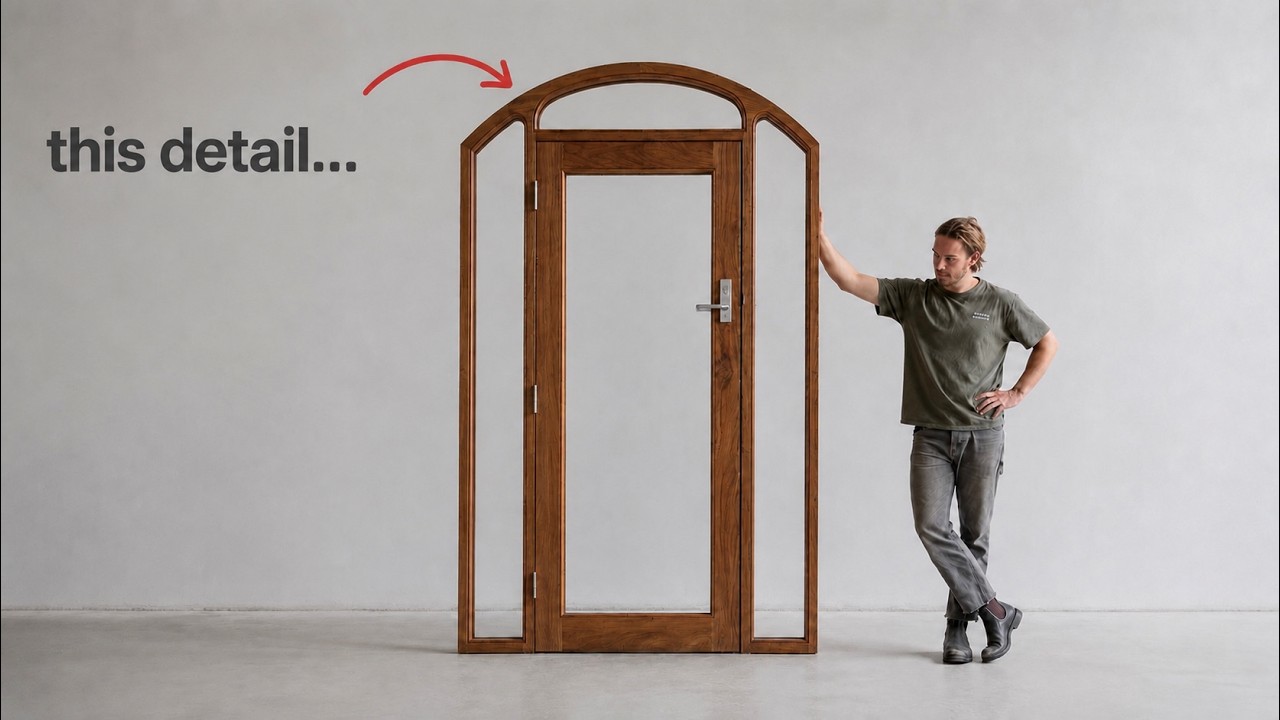
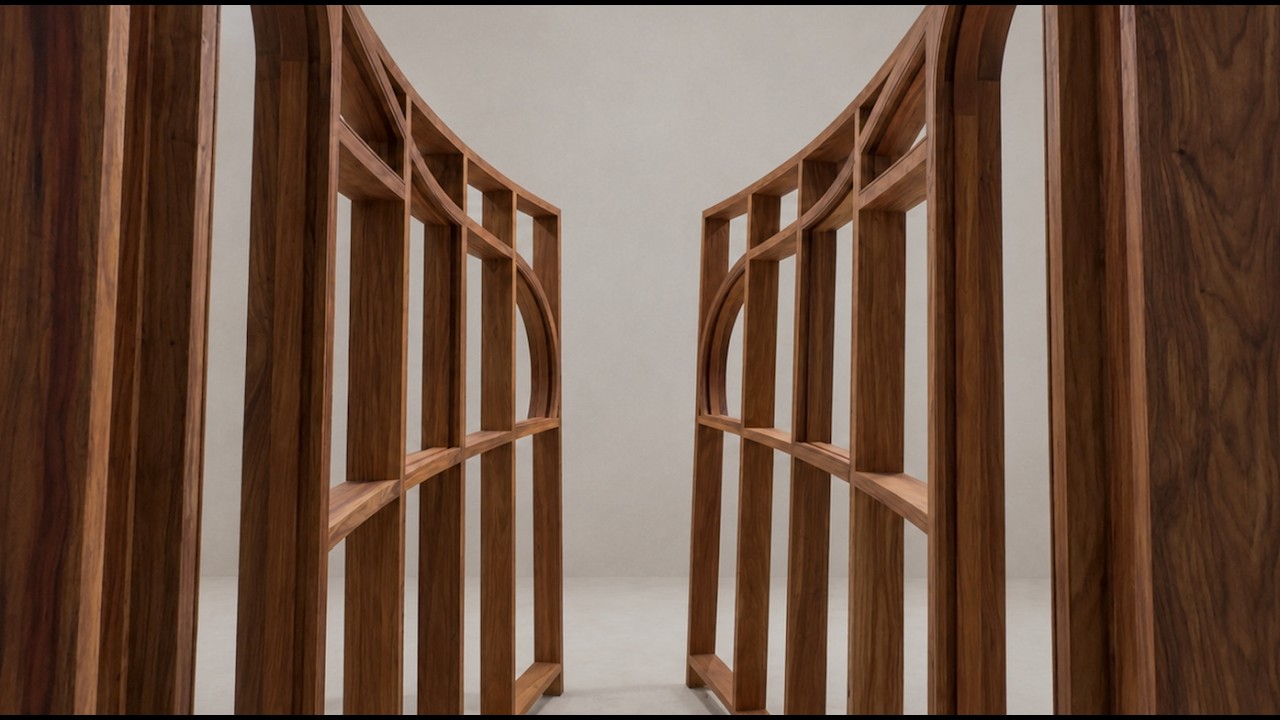
- The video highlights design details like curved exterior faces and flush straight interior edges of the windows.
- There is a candid discussion about the repetitive and tedious beating process in woodworking.
- The creator explains why he likely won’t build these windows again, emphasizing the emotional fatigue after long projects.
- The video blends technical woodworking insights with personal anecdotes and humor.
Chapters
- 00:00Introduction and project overview
- 00:18Responding to viewer comments
- 00:47Project completion and future videos
- 01:11Patience in woodworking
- 01:39Dust management and shavings disposal
- 02:29Discussion on project repetition
- 02:57Emotional reflections on finishing projects
- 03:26Timber choice: Rosewood details
- 04:33Template attachment and cutting technique
- 05:58Woodworking YouTube philosophy
Full Transcript — Download SRT & Markdown
Speaker A
How you going? After spending months building some of the biggest windows I've ever tackled, the logical next step was to make the exact opposite.
Speaker A
So, welcome to the sequel where we take everything we learned and shrink it down to complete the small windows.
Speaker A
Now, off the bat, I really want to talk about some comments in [music] the last video, especially this one from Sibusiso Man. Si- Sibusiso Man. Hold on.
Speaker A
Sibusiso Man Na- Na- Na- 88882. [laughter] You'll be glad to see that these shorts did make a comeback because this is Australia, mate. What do you think?
Speaker A
With an honorable mention from John Smith and to Ethan Taylor and the rest of you, I have good news.
Speaker A
I finished this project over 12 months ago and I've got so much footage from other projects in the last year, so hit that subscribe button if you want to see videos [music] a bit more regularly.
Speaker A
Now, I'd say you'd need a lot of patience to be a woodworker, but have you ever wondered how I became so patient?
Speaker A
Just watch the next 20 seconds while I have a stroke transferring some sawdust. Okay, but seriously, I really should have a proper external dust extraction system by now given how affordable they are.
Speaker A
But, before that day arrives, I do what I can to donate all the shavings to local farms.
Speaker A
And by do what I can, I mean I've driven them to the same horse place once.
Speaker A
Okay, I'm not actually sure if it's called a horse place. Is it like a barnyard or commercial barnyard?
Speaker A
Okay, see, I wasn't that far off. Nah, that one's where I was raised. Uh, that's probably more like it. Yeah.
Speaker A
All right, this brings me to the title. Would I build these again? I guess you can take that two ways. The first is, will someone ever give me these designs and ask me to make them again?
Speaker A
Probably not, so that's an easy no, but there's another question. Um, a mate of mine and I have this thing where after every big project we ask ourselves, "If the client rang tomorrow and said, 'Hey, love them. Unfortunately, the
Speaker A
house has burnt down. Can you build the whole lot again?' Would you do it?" Absolutely not.
Speaker A
It's funny because I do love difficult projects. That's half the reason I do them but by the end I've stared at the same pieces of timber for so long that I never want to see them again.
Speaker A
And when they've left the workshop, it was it's not one of those emotional, hard to let it go moments.
Speaker A
It's more like leaving a dinner that went on so long that you're now sitting inside of once.
Speaker A
So, great to have you, safe travels, but please leave. Now, to everyone asking in the last video what timber this is, it's rosewood, which is apparently the Ferrari of timbers because of its stability, not because it's grown in Italy.
Speaker A
It's usually reserved for guitars and violins or something something like that. To be honest, I don't know. I just I heard that somewhere. It was probably the salesman.
Speaker A
But, what I can say is it smells like roses. Which gets old really quick because I hate the smell of it now.
Speaker A
You probably always see me screw my templates on. And I know the rest of woodworking YouTube is probably screaming at the screen right now about some elaborate double-sided tape setup or some method that somehow requires three different products. But,
Speaker A
let's be honest. This is going to be buried in a glue sandwich. Nobody is ever going to know. So, I'm just going to use screws.
Speaker A
Now, this is something I'm actually proud of. I'm almost definitely not the first person to do this, but flush trimming the ends of these would be problematic to say the least.
Speaker A
In short, I've lined up the particle board with the inside edge of the blade so I can then butt the template flush to the guide and make a perfect cut.
Speaker A
Okay, back on screwing the template thing. Which brings me to woodworking YouTube. I think a lot of people have become woodworkers through YouTube. So, naturally, you get a lot of very polished explanations of every process.
Speaker A
And honestly, I get it. It makes good content, but I'm probably a terrible YouTuber because I'm not really here to prove how good I am.
Speaker A
I don't need to turn every decision into a master class. I'm just one guy in a real workshop with real deadlines and real clients.
Speaker A
I don't build things so I can make videos, but I make videos of things I'm already building.
Speaker A
And I'm usually just trying to find the best way to get it done properly without turning a 2-day job into a 2-month project. Because no one's paying me to make YouTube videos. They're just paying me to make things.
Speaker A
And you know what? One thing that was nice about these is that only the outside faces were curved to suit the exterior curves of the building. The inside edges had a chip rock reveal, so that side was just flush
Speaker A
straight. Flush straight, whatever you call that. Normal. Anyway, way nicer than the big rocking chair in the last video.
Speaker A
[screaming] And some of you might cringe at this belt sanding the joint of this top plate, but I'll tell you what, you can get it pretty good if you have a good hand.
Speaker A
Just look at those results. Come on. Looking back through this footage, I realized I somehow forgot to film the beating process again, which is making me question whether I genuinely hate beating or if I just hate the idea of
Speaker A
filming it. Because, let's be honest, it takes ages, it's painfully repetitive, and when you're finally done, it looks almost identical to the way it did before you started.
Speaker A
It's a bit like doing the dishes after cooking dinner. It has to be done, but you really don't want to because the main meal, and in this case the window, is pretty much served.
Topics:woodworkingsmall windowsrosewoodAolani Studioswoodworking tipstemplate screwingwoodworking patiencedust extractionwoodworking YouTubewindow building