A CIA spy in 1960s Moscow documents shortages in Soviet stores, highlighting everyday scarcity in the USSR.
Key Takeaways
- Basic food items like meat and bread were often unavailable in Soviet stores.
- The scarcity was so common that even a foreign spy could easily observe it.
- The video uses humor to highlight serious economic issues in the USSR.
- Everyday life in the Soviet Union involved frequent shortages of essential goods.
What the video covers
- In the 1960s, a CIA spy was sent to Moscow to observe daily life in the USSR.
- He visited a butcher shop and found there was no meat available.
- The butcher confirmed the absence of meat by saying 'No, comrade.'
- The spy took notes about the shortage of meat.
- He then went to a bakery and asked for bread.
- The bakery clerk also replied there was no bread available.
- The spy noted the bread shortage as well.
- The video illustrates the scarcity of basic goods in Soviet stores during that era.
- It uses a humorous anecdote to shed light on the economic conditions of the USSR.
- The story is presented by Soviet Stories with Yuri.
Full Transcript — Download SRT & Markdown
Speaker A
In the 1960s, a CIA spy was sent to Moscow, USSR, to observe the living conditions of an average Soviet citizen.
Speaker A
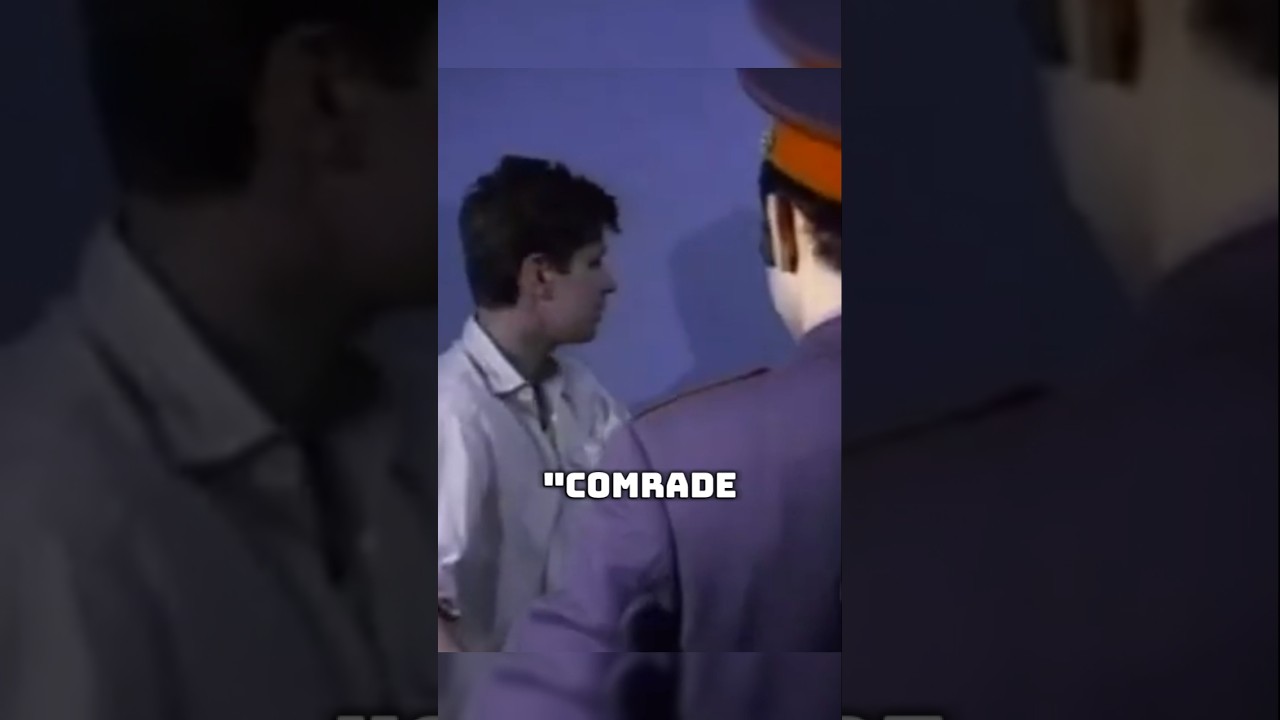
He goes to a butcher and asks, "Do you have any meat?" The butcher says, "No, comrade." The spy pulls out his notebook and takes a note.
Speaker A
They are out of meat. After that, he goes to a bakery and asks, "Do you have any bread?" The girl behind the counter says, "No, comrade." He takes another note.
Topics:Soviet jokesSoviet storiesUSSRSoviet Union1960s MoscowCIA spySoviet shortagesmeat shortagebread shortageCold War