A Soviet-era joke highlights how everyday prices included hidden costs to fund Communist Party plans in the 1960s USSR.
Key Takeaways
- Everyday prices in the Soviet Union included hidden costs to support government plans.
- Humor was a common way to critique and understand Soviet economic policies.
- The Communist Party's influence extended into all aspects of daily life, including consumer goods.
- Soviet jokes provide valuable cultural and historical insights into life under communism.
What the video covers
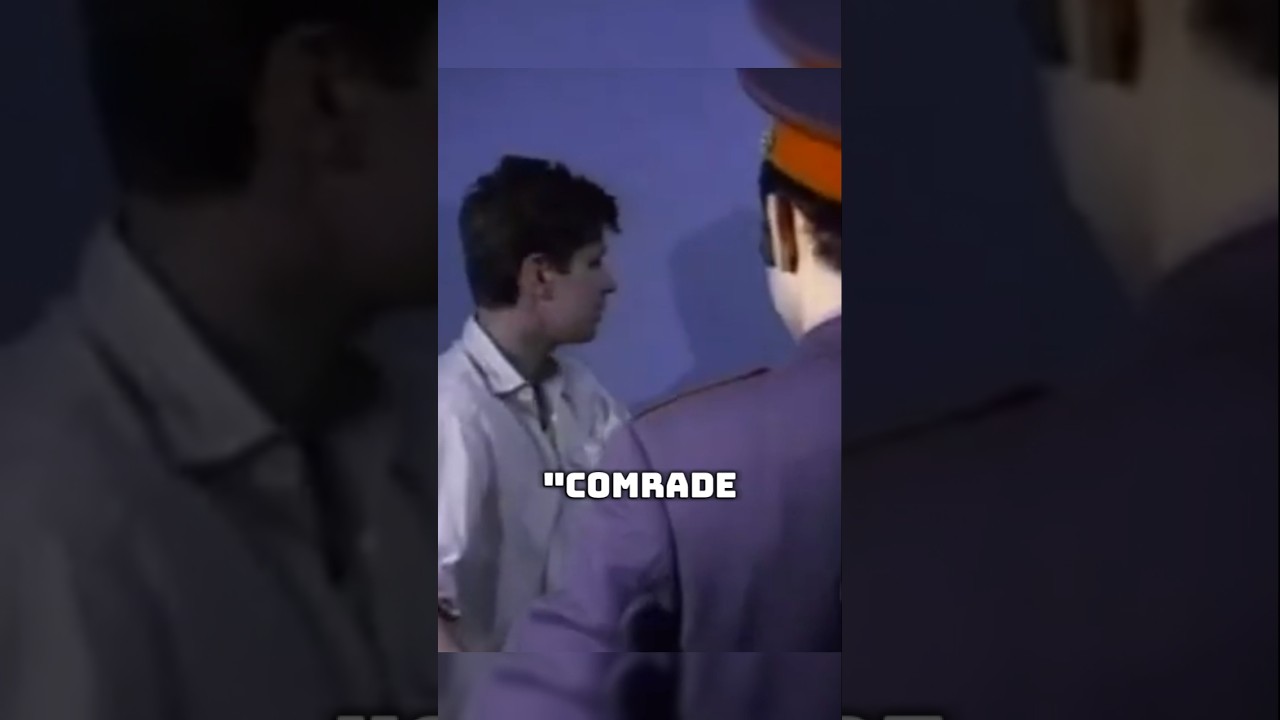
- The video shares a joke from the 1960s Soviet Union involving a man ordering beer in a bar.
- The bartender explains that the price of beer increased from 50 kopeks to one ruble.
- The price hike is attributed to an added 50 kopeks to fund the Communist Party's 5-year economic plan.
- This joke reflects how citizens indirectly paid for government initiatives through everyday expenses.
- It illustrates the economic and social atmosphere of the Soviet Union during that era.
- The video is part of the Soviet Stories series by Yuri, focusing on Soviet jokes and stories.
- The content uses humor to provide insight into Soviet economic policies and public sentiment.
- The hashtags #sovietjokes, #sovietstories, and #soviets categorize the video within Soviet cultural commentary.
- The joke underscores the pervasive influence of the Communist Party on daily life.
- It serves as a cultural artifact revealing how humor was used to cope with economic realities.
Full Transcript — Download SRT & Markdown
Speaker A
In the 1960s, a man living in the Soviet Union walks into a bar and asks, "How much for a beer?"
Speaker A
The bartender replies, "Beer used to be 50 kopeks, but we had to add another 50 kopeks to pay for
Speaker A
the Communist Party's 5-year economic plan. So, it's one ruble now. Everybody must pay for the plan."
Topics:Soviet UnionCommunist PartySoviet jokes5-year planbeer priceeconomic plan1960s USSRSoviet StoriesYuriSoviet economy