Skip to content

MIND BLOWING WORK ETHIC – Elon Musk Motivational Video — Transcript

Elon Musk shares his intense work ethic and challenges faced while building SpaceX and Tesla, emphasizing perseverance and hard work.

Key Takeaways

  • Extreme dedication and long hours are often necessary to build successful startups.
  • Financial crises can threaten company survival, requiring tough decisions and full commitment.
  • Failure is common but perseverance is key to eventual success.
  • Treat your company like a child that needs constant care and attention.
  • Innovative teamwork and focus are crucial for overcoming challenges.

Summary

  • Elon Musk discusses the extreme work hours required when starting a company, often 80-100 hours per week.
  • He recounts early struggles with his first company, including living in an office and working seven days a week.
  • Musk highlights the critical financial challenges faced in 2008, nearly leading both SpaceX and Tesla to bankruptcy.
  • He explains the difficult decision to split remaining funds between companies to keep both alive.
  • Failures such as multiple Falcon rocket launch failures almost caused SpaceX to fail.
  • Musk emphasizes the importance of working 'super hard' to achieve in months what others do in years.
  • He reflects on the emotional investment in companies, likening them to children that must be nurtured.
  • Despite setbacks and near-death experiences for his companies, Musk never gave up.
  • He touches on the importance of innovation, teamwork, and focus for company success.
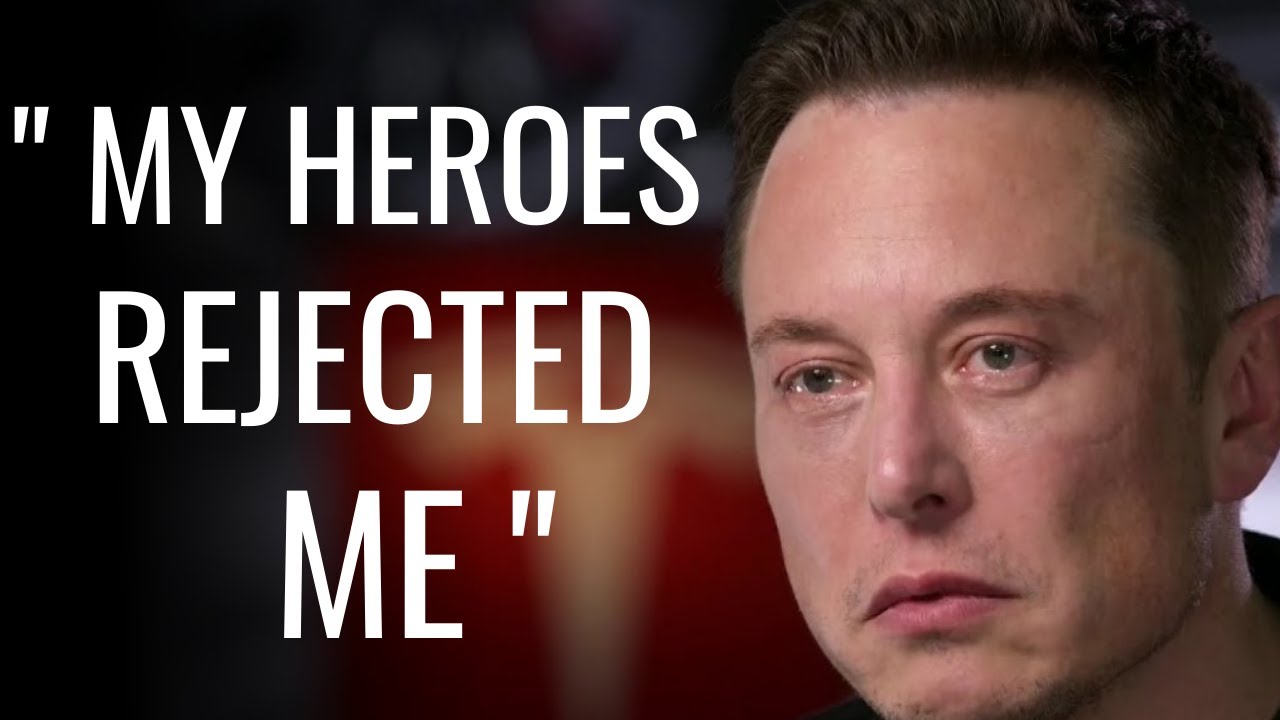
  • Musk also mentions external skepticism and opposition from traditional space heroes.

Full Transcript — Download SRT & Markdown

00:00
Speaker A
No one should put this many hours into work. This is not good. People should not work this hard. I'm not—they should not do this. This is very painful.
00:21
Speaker A
heart particularly if you're starting a company you need to work super heart so what what does Super heart mean um well when my brother and I were starting our first company uh in instead of getting an apartment we just rented a a small
00:35
Speaker A
Painful in what sense?
00:49
Speaker A
night 7 days a week all the time um and I I uh so briefly had a girlriend in that period and in order to be with me she have to sleep in the office so I work hard like it I mean every waking
01:06
Speaker A
It hurts my brain and my heart, particularly if you're starting a company. You need to work super hard.
01:16
Speaker A
you're working 100 uh you'll get twice as done as much done in the course of a year as the as uh the other company just work like hell I mean you just have to put in you know 80 hour 80 to 100 hour
01:29
Speaker A
So what does super hard mean?
01:44
Speaker A
you're doing the same thing you know that in in one year you will achieve what they achieve you you will achieve in 4 months what it takes them a year to achieve what was your biggest failure and how did it change you we we almost
01:59
Speaker A
Well, when my brother and I were starting our first company, instead of getting an apartment, we just rented a small office and we slept on the couch. We showered at the YMCA, and we were so hard up we had just one computer. So the website was up during the day, and I was coding at night, seven days a week, all the time.
02:11
Speaker A
thought you know I I'll allocate half of that to SpaceX and Tesla and Solar City and um that should be fine I'll have 90 million lik that's Lots you know uh but but then what happened is um things cost
02:27
Speaker A
I briefly had a girlfriend in that period, and in order to be with me, she had to sleep in the office. So I worked hard, like every waking hour. That's the thing I would say, particularly if you're starting a company.
02:38
Speaker A
money in and borrowing money or rent from France um 2008 was brutal um yeah 2008 we had the third consecutive failure of the Falon rocket for SpaceX um Tesla almost went bankrupt we we closed our financing round 600 p.m.
03:01
Speaker A
I mean, if you do the simple math, say like, okay, if somebody else is working 50 hours and you're working 100, you'll get twice as much done in the course of a year as the other company. Just work like hell. I mean, you just have to put in, you know, 80 to 100 hour weeks every week and then work. All those things improve the odds of success.
03:15
Speaker A
the other way both companies would be dead and I and I like one of the most difficult choices I've ever faced uh in life was was in 2008 um and um I think I had uh like maybe $30 million left or 30 or $40
03:34
Speaker A
I mean, if other people are putting in 40-hour work weeks and you're putting in 100-hour work weeks, then even if you're doing the same thing, in one year you will achieve what they achieve. You will achieve in four months what it takes them a year to achieve.
03:49
Speaker A
might die um and you when you put your Blood Sweat and Tears into creating something or building something it's like a child um and so it's like which one am I going to let one starve to death I couldn't bring myself to do it
04:07
Speaker A
What was your biggest failure and how did it change you?
04:22
Speaker A
crazy and and just if if we didn't solve these problems in a very short period of time uh we would die uh and it was extremely difficult to solve them how close to death did you come we within single digit weeks 22 hours a day
04:38
Speaker A
We almost did die, basically. So I budgeted for three flights. Technically, I did have a plan where I had the money from PayPal. I had like about $180 million from PayPal. I thought, you know, I'll allocate half of that to SpaceX and Tesla and SolarCity, and that should be fine. I'll have $90 million left. That's lots, you know.
04:51
Speaker A
failure is bad um I don't think it's good um but if if if something's important enough then you you do it even though the risk of failure High were you a little naive when you thought I just I can easily build build
05:05
Speaker A
But then what happened is things cost more and took longer than I thought. So I had a choice of either putting the rest of the money in or the companies were going to die. So I ended up putting all the money in and borrowing money or rent from France.
05:20
Speaker A
say your child should not have food so one once you have the company you have to feed it and nurse it and take care of it of it even if it it ruins you [Music] yeah but uh I suppose there was some
05:39
Speaker A
2008 was brutal. Yeah, 2008 we had the third consecutive failure of the Falcon rocket for SpaceX. Tesla almost went bankrupt. We closed our financing round at 6:00 p.m. Christmas Eve 2008. It was the last hour of the last day that it was possible. We would have gone bankrupt two days after Christmas.
06:06
Speaker A
me sure up it was worth it well there's a ton of failures along the way that's for sure like I said as as I said for for SpaceX first three launches failed and uh we're just barely able to
06:19
Speaker A
SpaceX is alive by the skin of its teeth. So is Tesla. If things just went a little bit the other way, both companies would be dead. One of the most difficult choices I've ever faced in life was in 2008.
06:33
Speaker A
expertise in for for SpaceX I tried hard to to find a great chief engineer for the rocket but it not the good Chief Engineers wouldn't join and the bad ones well there was no no point in hiring them so I ended up being chief engineer
06:45
Speaker A
I think I had like maybe $30 million left or $30 or $40 million left in 2008. I had two choices: I could put it all into one company and then the other company would definitely die, or split it between the two companies. But if I split it between the two companies, then both might die.
07:01
Speaker A
never why not I don't ever give up I mean I'd have to be dead or completely incapacitated you know there are American Heroes who don't like this idea Neil Armstrong genan cernon have both testified against commercial space flight in the way that you're developing
07:21
Speaker A
When you put your blood, sweat, and tears into creating something or building something, it's like a child. So it's like, which one am I going to let starve to death? I couldn't bring myself to do it, so I split the money between the two. Fortunately, thank goodness, they both came through.
07:36
Speaker A
the hardware that we doing here and and I think that would change their mind they inspired you to do this didn't they yes and to see them casting stones in your direction it's difficult did you expect them to cheer
07:56
Speaker A
Tesla really faced a severe threat of death due to the Model 3 production ramp. Essentially, the company was bleeding money like crazy, and if we didn't solve these problems in a very short period of time, we would die. It was extremely difficult to solve them.
08:15
Speaker A
were less than 10% um and I just accepted that actually probably I would just lose lose everything um but that maybe we would make some progress if we could just move the ball forward even if we died Maybe
08:30
Speaker A
How close to death did you come?
08:43
Speaker A
companies we thought that we would be successful um I thought that the most likely outcome was failure um but but it was still worth doing even though the the odds of success were low in fact even for for for SpaceX the originally
08:59
Speaker A
We were within single-digit weeks, 22 hours a day.
09:10
Speaker A
dehydrated gel and would um upon Landing hydrate the gel and you'd have this cool picture of green plants on a red background and the public tends to respond to precedents and superlative so this will be the first lap on Mars
09:22
Speaker A
Like how many hours were you working?
09:36
Speaker A
so the expect I thought we wouldn't get any uh you know just spend the money on that and it wouldn't wouldn't happen if if you're creating a company or if you're joining a company uh the most important thing is to uh is to
09:51
Speaker A
Yeah, seven days a week, sleeping in the factory. I worked in the paint shop, general assembly, body shop.
10:01
Speaker A
together to create a product or service and so depending upon how talented and hardworking that group is and the gree to which they are focused uh cohesively in in a good direction that will determine the success of the company so
10:15
Speaker A
Did you ever worry about yourself imploding, like just too much?
10:31
Speaker A
product better so for example at at Tesla we've we've never spent any money on Advertising um we we put all of the money into R&D and and Manufacturing and design to try to make the car as good as
10:47
Speaker A
Absolutely. I think failure is bad. I don't think it's good. But if something's important enough, then you do it even though the risk of failure is high.
11:04
Speaker A
they're not stop those efforts starting a business I'd say number one is have a high pain threshold that's um there's a friend of mine who's got a good saying which is that starting a company is like eating glass and staring into the abyss okay
11:19
Speaker A
Were you a little naive when you thought, "I can easily build an electric car and a rocket"?
11:33
Speaker A
happiness will steadily Decline and then you'll go through a whole world of hurt that's and then eventually you if you succeed and in most cases you will not succeed um and and Tesla almost didn't succeed came very close to
11:49
Speaker A
I didn't think it would be easy. I thought they would probably fail. But creating a company is almost like having a child. It's sort of like, how do you say, your child should not have food. Once you have the company, you have to feed it and nurse it and take care of it, even if it ruins you.
12:04
Speaker A
to be really great and I go back to what I was saying earlier where um if you're a new company I mean unless it's like some new industry or or New Market that if it's an untapped Market or then then uh you have more
12:20
Speaker A
Yeah, but I suppose there were some tough times in 2008, end of 2008. How did you get through that period of crisis?
12:37
Speaker A
bit better because then you put yourself in the shoes of the consumer and they say why would you buy it as a consumer you're always going to buy the trusted brand unless there's a big difference so a lot of times uh you know entrepreneur
12:50
Speaker A
Yeah, we just break for a second.
13:05
Speaker A
seek that from everyone you can but particularly your friends um usually your friends know what's wrong but they don't want to tell you cuz they don't want to hurt you it doesn't mean your friends are right uh but very often they are right um and
13:22
Speaker A
Sure.
13:44
Speaker A
give to people starting company to entrepreneurs in general is um really focus on making a product that your customers love um and it it's so rare that you can buy a product and and you love the product when you when you
13:56
Speaker A
Of course, you want to wait a little while and shore up.
14:10
Speaker A
nature with respect to the quality of the product um is very important uh so you know being obsessive compulsive is is a good thing in this context um uh really really liking what you do what whatever area that you get into um given
14:27
Speaker A
It was worth it.
14:40
Speaker A
if and and also if you if you like what you're doing you think about it even when you're not working I mean it'll just it it's it's something that your mind is drawn to um and and if you don't
14:51
Speaker A
Sure, up.
15:04
Speaker A
eventually I thought that the idea of inventing things would be would be really cool and the reason I thought that was because um I I I read a quote from arth C Clark which said that a um sufficiently advanced technology is
15:20
Speaker A
So me, sure up. It was worth it. Well, there's a ton of failures along the way, that's for sure. Like I said, for SpaceX, the first three launches failed, and we were just barely able to scrape together enough parts and money to do the fourth launch.
15:37
Speaker A
distances being able to communicate uh being able to see over long distances being able to communicate having um effectively uh with with the internet uh a a um in in times past in fact I think it actually goes beyond that because
15:55
Speaker A
If that fourth launch had failed, we would have been dead. So multiple failures along the way.
16:09
Speaker A
basically if I can advance technology then that that's like magic and that would be really cool um and the the I was had sort of a slight existential crisis cuz I was trying to figure out what does it all mean like
16:22
Speaker A
I tried very hard to get the right expertise in for SpaceX. I tried hard to find a great chief engineer for the rocket, but the good chief engineers wouldn't join, and the bad ones, well, there was no point in hiring them. So I ended up being chief engineer of the rocket.
16:34
Speaker A
Consciousness then we're better able to ask the right questions and become more enlightened and and that's really the only way forward so uh so so I I I I studied U physics and business because I figured in order
16:50
Speaker A
If I could have found somebody better, then we would have maybe had less than three failures.
17:02
Speaker A
to create something because it's very difficult to do something as as an individual if it's if it's a significant technology so I uh I I originally came out to to California to uh try to figure out how to improve the energy density of
17:19
Speaker A
When you had that third failure in a row, did you think, "I need to pack this in"?
17:35
Speaker A
started to happen and and I I I thought well I can either uh pursue this Tech this technology where success maybe may not be one of the possible outcomes which is always tricky um or uh participate in the internet and and be
17:54
Speaker A
Never.
18:06
Speaker A
thought was with PayPal was to create an glomeration of financial services so you have one place where all of your financial services needs would be seamlessly integrated and um and and work smoothly and then we had like a
18:19
Speaker A
Why not?
18:32
Speaker A
nobody was interested um then we'd show people email payments which was actually quite easy and everybody was interested so we focused on email payments and really try to make that work and and that's what really got things to take
18:44
Speaker A
I don't ever give up. I'd have to be dead or completely incapacitated.
18:57
Speaker A
and correct your your prior assumtions going from PayPal I thought well what are some of the the other problems that are likely to most affect the the future of humanity um it really wasn't from the perspective of what what's the ran
19:13
Speaker A
There are American heroes who don't like this idea. Neil Armstrong and Gene Cernan have both testified against commercial space flight in the way that you're developing it. I wonder what you think of that.
19:31
Speaker A
the production and consumption of energy in a sustainable manner if we don't solve that this this Century this Century we're we're in deep trouble um and then the the other one being the extension of life beyond Earth to make life
19:44
Speaker A
I was very sad to see that because those guys are heroes of mine. So it's really tough. I wish they would come and visit and see the hardware that we're doing here, and I think that would change their mind.
20:02
Speaker A
increase NASA's budget that was actually my initial goal so so obviously the the financial outcome from such a mission would probably be zero um so anything better than that was on the upside so I actually went to I went to
20:15
Speaker A
They inspired you to do this, didn't they?
20:29
Speaker A
buy two of your biggest Rockets uh but you can keep the nuke and after making several trips to to Russia I came to the conclusion that that actually my initial impression was was wrong about uh because my inial thought
20:47
Speaker A
Yes.
21:00
Speaker A
States uh because the United States is a nation of explorers of people who came here from from other parts of the world I think the United States is really a dist distillation of the spirit of human exploration so after my third trip I
21:16
Speaker A
And to see them casting stones in your direction, it's difficult.
21:32
Speaker A
and watch a bunch of videos of rockets blowing up let me tell you he wasn't far wrong it was tough going there in the beginning um because I'd never built anything physical I mean I'd built like little model rockets as a kid and that
21:43
Speaker A
Did you expect them to cheer you on?
21:53
Speaker A
and and then failed three times um it it was tough tough going um because thing about a rocket is that the the passing grade is 100% you don't get to actually test the rocket in the real environment that it's going to be in so I think so
22:09
Speaker A
So they hope they would.
22:21
Speaker A
intended to run on but the first time you put it all together and write it on that computer it must run with no bugs at the first launch I was picking up bits of Rocket near the in the launch site it was a bit sad but
22:31
Speaker A
Something that can be helpful is fatalism to some degree. If you just accept the probabilities, then that diminishes fear.
22:45
Speaker A
to orbit and then uh began to scale that up to to the Falcon 9 which is um about an order of magnitude more thrust it's a around a million pounds of thrust and we managed to get that to orbit and then uh
23:00
Speaker A
So in starting SpaceX, I thought the odds of success were less than 10%, and I just accepted that actually probably I would just lose everything. But maybe we would make some progress if we could just move the ball forward, even if we died. Maybe some other company could pick up the baton and keep moving it forward. So that would still do some good.
23:15
Speaker A
Beyond this in order for Humanity to become a space fairing civilization and ultimately um a multi-planet species um and that's something I think it's it's it's vitally important and and I hope um that that some of you will will particip
23:29
Speaker A
Yeah, same with Tesla. I thought the odds of a car company succeeding were extremely low.
23:42
Speaker A
has been around for 4 billion years and uh civilization at least in terms of having um writing has been around for 10,000 years and that's being generous um so uh it's it's really uh somewhat of a tenuous existence that
24:01
Speaker A
In creating these companies, we thought that we would be successful. I thought the most likely outcome was failure, but it was still worth doing even though the odds of success were low.
24:14
Speaker A
have the wrong impression that I think we're all about to die um I I think I think we'll I think things will most likely be okay for a for a long time on Earth but not not for sure but most likely
24:26
Speaker A
In fact, even for SpaceX, originally what I started doing was not creating a rocket company but actually was going to do a small mission to Mars, which was just a philanthropic mission where you would send a small greenhouse with seeds and dehydrated gel, and upon landing hydrate the gel, and you'd have this cool picture of green plants on a red background.
24:38
Speaker A
planetary redundancy if you will um and uh and so I think I think it's really really quite important um and in order to do that there's a breakthrough that needs to occur which is to create a rapidly and completely reusable um
24:54
Speaker A
The public tends to respond to precedents and superlatives, so this would be the first life on Mars, the furthest life have traveled, and you'd have this great money shot of green plants on the red background.
25:09
Speaker A
SpaceX when when I was a kid I was wondering kind of what's the meaning of life like why are we here what's it all about and um I came to the conclusion that uh what what really matters is
25:25
Speaker A
So yeah, I thought that would get people's attention. But the expectation for that was no return. So I expected we wouldn't get any, you know, just spend the money.
25:39
Speaker A
necessary to ensure that the future is good um and some of those things are in the long term having long-term sustainable transport and sustainable energy generation um and uh to be a space bearing civilization and for Humanity to be out
26:02
Speaker A
there among the stars and be a multiplanetary uh species um I mean I think being a multiplet species and being out there Among the Stars is important for uh the long-term survival of humanity and uh that's one reason kind of like life
26:20
Speaker A
insurance for Life collectively Life as we know it um but then the part that I find personally most motivating is that it creates a sense of adventure and it makes people excited about the future um and if you consider two
26:37
Speaker A
Futures one where uh we are forever confined to Earth until eventually something terrible happens or another future where we are out there on many planets maybe even going beyond the solar system um I think that second version is incredibly exciting and
26:55
Speaker A
inspiring and there need to be reasons to to get up in the morning you know life can't just be about solving problems otherwise what's the point there got to be things that people find inspiring um and make life worth living
27:09
Speaker A
you're 47 what is the likelihood that you personally will go to Mars 70% we've recently made a number of breakthroughs that I that I'm just really fired up about and when does that happen in our lifetimes yeah yeah I'm
27:23
Speaker A
talking about moving there so it's like get the price per ticket maybe around a couple hundred, this could be an escape hatch for rich people no your probability of dying on Mars is much higher than Earth really the afca and
27:36
Speaker A
Mars would be like shackleton's after going to the Antarctic it's going to be hard there's a good chance of death going in a little can through deep space you might land successfully once you land successfully there will be a m
27:49
Speaker A
you'll be working non-stop to build the base uh not much time for leisure and uh once you get there even after doing all this uh this is very harsh environment you's a good chance you die there um we
28:01
Speaker A
think you can come back but we're not sure now does that sound like an escape patch for rich people and yet you would unhesitatingly go you know there's lot of people like climb mountains you know why they climb mountains because people
28:12
Speaker A
die on on ever s time they're like doing it for the challenge I I think that the probable probable outcome for civilization is on Earth is is quite quite good for a long time um but I still think that we should uh try to
28:28
Speaker A
extend stand life beyond Earth and have a and the thing to do is to establish a base on Mars and ultim and try to make that a self- sustaining base as soon as possible um so uh I don't expect that
28:39
Speaker A
SpaceX is going to do that sort of single-handedly but I think we're we're going to try to advance the technology of space travel to the point where um we can at least send some number of people to Mars which is not currently possible
28:54
Speaker A
on the Tesla front uh the goal with Tesla was really to try to to show that what what electric cars can do cuz people had the wrong impression we had to um change people's perception of an electric vehicle because they used to
29:07
Speaker A
think of it as something that was slow and ugly and had low range kind of like a golf cart um and and so that's why we created the Tesla Road St to show that you can be fast um attractive and and
29:19
Speaker A
long range um and it's amazing how um even though you can show that something works on paper you know and the calculations are very clear until you actually have the physical object and they can they can drive it it doesn't
29:32
Speaker A
really sink in for people um and so that that I think is is something worth noting if if you're going to create a company the first thing you should try to do is create a working prototype um you know everything
29:43
Speaker A
everything looks great on PowerPoint you you can make anything work on PowerPoint um but if you have if you have an actual demonstration article even if it's in primitive foam that's much much more effective for convincing people now is the time to overrule this
29:59
Speaker A
administration's pledge to mediocrity listen Tesla a sell cell cell you don't want to own this stock you shouldn't even rent the darn thing why because beyond the hype there's just not much going on here Tesla still has yet
30:13
Speaker A
to turn a profit that'll be a $ 1.5 billion company with no profit it's most recent quarter actually lost more money than it did the year before $1.5 billion losing more money than year before this is a company with limited visibility you
30:25
Speaker A
put $90 billion M like 50 years worth of breaks into into solar and wind to to cylindra and Fisker and Tesla and ner1 I mean I had a friend who said you don't just pick the winners and losers you
30:37
Speaker A
pick the losers private Enterprise will not ever lead a space Frontier not cuz I don't want them to but my read of history history tells me they can't it's not possible one of the biggest mistakes people generally make and I'm guilty of
30:53
Speaker A
it too is wishful thinking you know like you want something to be true even if it isn't true um and so you ignore the things that uh you you ignore the real truth because of what you want to be
31:07
Speaker A
true um this is a very difficult trap to avoid um and like I said certainly one that I find myself in having problems with but if you just take that approach of you're always to some degree wrong and your goal is to be less
31:25
Speaker A
wrong and and solicit critical feedback particularly from friends like friends partic friends if somebody loves you they want the best for you they don't want to tell you the bad things um so you have to ask them care you know and
31:41
Speaker A
said really I really do want to know um if you were 22 today what would the five problems that you would think about working on B um well first of all I think um if somebody is doing something
31:52
Speaker A
that is useful to the rest of society I think that's a good thing like it doesn't have to change the world like you know um if you're doing something that has high value to to people um and frankly even if it's something if it's
32:05
Speaker A
like um just a little game um or you know the some improvement in photo sharing or something if it if if it has a small amount of of good for a large number of people um that's I mean I
32:20
Speaker A
think that's that's fine like stuff doesn't need to be change the world just to be good um uh but you know in terms of things that I think are most likely to affect the the future of humanity I think um AI
32:33
Speaker A
is probably the single biggest item in the near term that's likely to affect uh Humanity so it's very important that we have the Advent of AI uh in a good way that that uh is something that um if you if you could look into the
32:50
Speaker A
crystal B and and see the future you would like you would like that outcome um because it is something that could go um could go wrong um as we've talked about many times um and so we really need to make sure it goes right
33:05
Speaker A
um that's that's I think AI work working on AI and making sure it's great future that's that's the most important thing I think right now um the most pressing item SEC uh then um obviously anything to do with with genetics um if you can
33:22
Speaker A
actually solve um genetic diseases um if you can um prevent demen um or Alzheimer's or something like that that um with genetic reprogramming that would be wonderful so I think this genetics it might be the sort of second
33:40
Speaker A
most important item I I think um having a high bandwidth interface to the brain like um we're currently bandwidth limited we we have a digital tertiary self uh in the form of our email capabilities on computers phones applications uh we're effectively
33:57
Speaker A
superhuman um but we are extremely bad with constraint in that interface between the cortex and your sort of that that tertiary digital form of yourself and um helping solve that bandwidth constraint uh would would be I think very important for the future as
34:13
Speaker A
well what have you done or what did you do when you were younger that you think sort of set you up to have a big impact well I think first of all I should say that I do not expect to be
34:23
Speaker A
involved in all these things so the the the five things that I I thought about the time in in college still quite a long time ago uh 25 years ago um you know being you know making life multiplanetary um Accel accelerating the
34:40
Speaker A
transition to sustainable energy um the the internet broadly speaking um and and then genetics and AI I think um I didn't expect to be involved in in in all of those things I actually at the time in college I I sort of thought um helping
34:57
Speaker A
with electrification of of cars was was how would start out and that's uh that's actually what I worked on as an intern was um Advanced uh Ultra capacitors with to see if they if there would be a breakthrough relative to batteries for
35:11
Speaker A
energy storage in in cars and then when I came out to go to Stanford um that's what I was going to be doing my grad studies on is um is was working on Advanced uh U energy storage uh
35:22
Speaker A
Technologies for electric cars and then I put that on hold to start an interet company in ' 95 because um there does seem to be like a time for particular Technologies um when they're at a steep point in the
35:38
Speaker A
inflection curve and um and I didn't want to you know do a PhD at Stanford and then and watched it all happen um and then and I wasn't entirely certain that the technology I'd be working on would actually succeed um like you can
35:53
Speaker A
get you can get a you know doctorate on many things that ultimately are not do not have a practical bearing on the we um and I wanted to you know just I really was just trying to be useful
36:04
Speaker A
that's the optimization it's like what are what can I do that would actually be useful how should someone figure out how they can be most useful whatever this thing is that you're trying to create what would what would be the um utility
36:18
Speaker A
Delta compared to the current State ofthe art times how many people it would affect so that's why I think um having something that has a that's that has a makes makes a big difference but affects a sort of small to moderate number of
36:30
Speaker A
people is great as is something that makes even a small difference but but affects a vast number of people when you're trying to estimate probability of success so you say this thing will be really useful good area under the curve
36:42
Speaker A
uh I guess to use the example of SpaceX mhm when you made the go decision that you were actually going to do that this was kind of a very crazy thing at the time very crazy very crazy yeah I'm not
36:52
Speaker A
TR about saying that um but I kind of agree I agreed with them that it was quite crazy crazy if um if if the objective was um to achieve the um best risk adjusted return um starting a rock company is insane um but
37:07
Speaker A
that was not that was not my objective I I I simply come to the conclusion um that if something didn't happen to improve rocket technology we would be stuck on Earth forever um and um and the big aerospace companies had just had no
37:21
Speaker A
interest in radical Innovation um all they wanted to do was try to make their old technology slightly better every year and in fact um sometimes it would actually get worse um and particularly in Rockets it's pretty bad like the in in ' 69 we were
37:37
Speaker A
able to go to the Moon um with a Saturn 5 and then the space shuttle could only take people to lowth orbit and then the space shuttle retired and that that trend is basically Trends to zero um people think technology just
37:50
Speaker A
automatically gets better every year but it actually doesn't it only gets better if smart people work work like crazy to make it better that's how any technology actually gets better and by itself technology if if people don't work on it actually will decline
38:05
Speaker A
um you can look at look at the history of civilizations many civilizations and look at say um ancient Egypt where they able to build these incredible pyramids and then they they basically forgot how to build pyramids um and um and then
38:19
Speaker A
even hieroglyphics they' forgot how to read H hieroglyphics so we look at Rome and how they're able to to build these incredible roadways and aqueducts and indor plumbing and they forgot how to do all of those things and um there are
38:32
Speaker A
many such examples in in history um so I I think um should always bear in mind uh that you know entropy is not on your side you may have heard me say to that it's good to think in terms of the physics approach
38:49
Speaker A
of first principles uh which is rather than reasoning by analogy you boil things down to the most fundamental truths you can imagine and you reason up from there and this is a good way to figure out if if if something really
39:05
Speaker A
makes sense or if it's just what everybody else is doing um it it's it's hard to think that way you can't think think that way about everything takes a lot of effort uh but if you're trying to do something new
39:19
Speaker A
it's the best way to think um and that framework was developed by by physicists to figure out counterintuitive things um like quantum mechanics so it's really a powerful powerful method how do you think about making a decision when
39:34
Speaker A
everyone tells you this is a crazy idea or where do you get the internal strength to do that well first of all I'd say I I actually think I I I think I fear feel fear quite strongly um so it's
39:45
Speaker A
not as though I just have the absence of fear I feel it quite strongly um but there there are just times when something is important enough you've Le in it enough that you you do it in spite of the fear people should think well I
40:00
Speaker A
feel fear about this and therefore I shouldn't do it um it's normal to be to feel fear like you'd have to there have to be something mentally wrong if you didn't feel fair if you have an advice to them young people globally want to be
40:14
Speaker A
like Elon Musk what's your advice to them I think that probably they shouldn't want to be you it it's I think it sounds better than it is okay yeah yeah it's uh not as much fun being me as you'd think I don't know
40:32
Speaker A
you don't think so there's definitely it could be worse for sure but it's um I I'm not sure I would I'm not sure I want to be me so when everybody leaves it's just Elon sitting at home brushing his teeth
40:48
Speaker A
just bunch of ideas bouncing around your head when did you realize that that's not the case with most people I think when I was I don't know five or six or something I thought I was in saying it was just
41:02
Speaker A
strange because it was clear that other people do not would their mind wasn't exploding with ideas I was like hm I'm strange I don't think I don't think you'd necessarily want to be me people would like it that much it's very hard
41:21
Speaker A
to turn it off it's like a never- ending explosion all the time what do you think the odds of the Mars colony are at this point today well um oddly enough I actually think they're pretty good at this point
41:40
Speaker A
I am certain there is a way I'm certain that success is one of the possible outcomes for establishing a self-sustaining Moss colony in fact a growing Moss Colony I'm certain that that is possible um whereas until maybe a few years ago I was not sure that
41:55
Speaker A
success was even one of the possible outcomes it's a meaningful number of people going to m i I think this is potentially something that can be accomplished in about 10 years um maybe sooner maybe 9 years um I need to make sure that SpaceX
42:13
Speaker A
doesn't die between now and then and that I don't die or if I do die that someone takes over who will continue that you shouldn't go on the first launch yeah exactly the best of the available Alternatives that I can come up with and
42:27
Speaker A
maybe somebody else can come up with a better approach or better outcome is that uh we achieve democratization of AI technology meaning that uh no one company or uh small set of individuals has control over Advanced AI technology
42:44
Speaker A
I think that that's very dangerous um it could also get stolen by somebody bad you know like some evil dictator of a country could send their intelligence agency to go steal it and Gain Control it just becomes a very unstable
42:59
Speaker A
situation I think if you've got any um any incredibly powerful AI um you just don't know who's who's going to control that so it's not as though I think that the risk is that the AI would develop a
43:12
Speaker A
will of its own right off the bat I think it's more that's the consumers that some someone um may use it in a way that is bad um or or and even if they weren't going to use it in a way that's
43:23
Speaker A
bad that somebody could take it from them and use it in a way that's bad that that I think is quite a big danger so I think we must have democratization of AI technology and make it widely available
43:34
Speaker A
um and that's you know the reason that obviously uh the rest of the team uh you know created open AI um was to help uh with the democra help help spread out um AI technology so it doesn't get
43:48
Speaker A
concentrated in the hands of a few um and but then of course that needs to be um combined with uh solving the high bandwidth interface to the cortex um humans are so slow humans are so slow yes exactly but you know we
44:06
Speaker A
already have a situation in our brain where we've got the cortex and lyic system and the lyic system is is kind of the I mean that's that's the Primitive brain it's kind of like the your your instincts and um
44:20
Speaker A
whatnot and then the cortex is the thinking upper part of the brain those two seem to work together quite well um um occasionally your cortex and lmic system May disagree generally works pretty well and it's like rare to find
44:33
Speaker A
someone who I I've not found someone who wishes to either get rid of their cortex or get rid of their livic system so I think if if we can effectively uh um merge with uh AI by um improving that uh the the the neural
44:49
Speaker A
link between your cortex and the the the digital extension of yourself which already like I said already exists just has a bandwidth issue um and then then effectively um you become an AI human symbiote um and and if that then is widespread with anyone
45:10
Speaker A
who wants it can have it uh then we solve the control problem as well um we don't have to worry about um some sort of evil dictator AI um because kind of we are the AI um collectively that seems like the best
45:24
Speaker A
outcome I can think of I think we've got a really talented Group whatever yeah really really talented team and they're working hard um open a is structured as uh see a 51 C3 nonprofit um but you know many nonprofits uh do not have a sense
45:40
Speaker A
of urgency it's fine they don't have to have a sense of urgency um but opening eye it does um is I think people really believe in the mission I think it's important um and it's it's about minimizing um the risk of existential
45:56
Speaker A
harm um in the future and uh so I think it's going well I'm pretty impressed with what people are doing in the T Talent level and obviously we're always looking for um great people to join when I interview
46:12
Speaker A
somebody I really just asked them to tell me the story of their career and what they you know what are some of the tougher problems that they dealt with how they dealt with those and um how they made decisions at Key transition
46:28
Speaker A
points and usually that's enough for me to get a very good gut feel about someone and um and and what I'm really looking for is evidence of exceptional ability MH so um did they face really difficult problems and overcome them um
46:46
Speaker A
and and then of course you want to make sure that that if if there was some significant accomplishment were they really responsible or was somebody else more responsible and uh usually the person who's had to struggle with the
46:59
Speaker A
problem they really understand it you know they and they don't forget you know it was very difficult so um you can ask them detailed very detailed questions about it and they will they'll know the answer whereas the person who was not
47:11
Speaker A
truly responsible for um that accomplishment uh will not know the details there's no need even to have a college degree at all or even high school I mean if somebody graduated from a great University that may be an IND
47:25
Speaker A
that may be an indication that will be capable of great things but it's not necessarily the case um you know if you look at um say people like uh bull Gates valari Ellison Steve Jobs these guys didn't graduate from college but if you
47:41
Speaker A
had a chance to hire them of course that would be a good idea so you know just looking just for evidence of exceptional ability um and if there's a track record of exceptional achievement then it's likely that that will continue into the
47:56
Speaker A
future what sort of things do you look for in people or in processes that make the workforce better well I think the massive thing that can be done is to make sure your incentive structure is such that uh Innovation is rewarded and
48:12
Speaker A
lack of innovation is punished they got to be a carrot and a stick so uh if somebody is innovating um and doing making good good progress then they should be promoted sooner uh and if somebody is completely failing to
48:29
Speaker A
innovate um not every role requires Innovation but uh if they're in a role where Innovation is should be happening and it's not happening then they should either not be promoted or exited and let me tell you you'll get promote you'll get you you'll
48:45
Speaker A
get Innovation real fast does that carrot and stick approach help uh do you think people be more risk averse or less risk Traverse when trying different things you got to have some acceptance of failure failure must be an option if
49:04
Speaker A
failure is not an option it's going to result in extremely conservative choices and you may not may get something even worse than lack of innovation things may go backwards what you really want is you want reward and Punishment to be to be
49:18
Speaker A
proportionate to the actions that you seek so if uh if what you're seeking is innovation then you should reward success and Innovation um and only there should be minor consequences for lack of minor consequences for for trying and
49:39
Speaker A
failing there should be minor um with a significant rewards for trying and succeeding minor consequences for trying and not succeeding um and big and and and major negative consequences for not trying if you have that incentive structure you will get Innovation like
49:58
Speaker A
you can't believe the purpose of neuralink like what do we what's our goal our goal is to solve important spine and brain problems with a seamlessly seamlessly impant implanted device so you want to have a device that you can basically uh put in your head um
50:14
Speaker A
and feel and look totally normal uh but it solves uh some some important problem um in your brain or spine so uh going into the neuralink architecture what we've done over the past year is dramatically simplify the device so we
50:29
Speaker A
we we about a year ago we had a device which uh had multiple Parts including a piece that had to sort of sit behind your ear um and it was it was it was complex and you and you wouldn't still
50:43
Speaker A
look totally normal you'd have a thing behind your ear so um we've simplified this to Simply something that is uh about the size of a large coin um and it it goes uh in your skull replaces a piece of skull um and the wires uh then
51:04
Speaker A
then connect uh within a few centimeters or about an inch away from the device um and this is sort of what it looks like this is our little device I mean frankly to to sort of simplify this uh
51:19
Speaker A
what what we I mean it's more complicated than this but it's in a lot of ways it's kind of like a Fitbit in your skull with tiny wires current prototype version 0.9 has about 1,000 channels uh so that's about 100 times
51:34
Speaker A
better than the the next best um uh consumer device that's available and it's a 23 mm x 8 mm it actually uh fits quite nicely in your skull because your your skull is about 10 mm thick so uh it
51:51
Speaker A
fits it's it Gres flush with your skull it's invisible and all you can see afterwards is a tiny scar and if it's under your hair you can't see it at all in fact I could have it neur link right
52:00
Speaker A
now and you wouldn't know it's also inductively charged so um it's charged in the same way that you Char you charge a smartwatch or phone um and so you can use it all day uh charge it at night and
52:11
Speaker A
have full functionality so you would really um you it would be it would be completely seamless uh and uh yeah no wires uh in terms of getting a link so that um you need to have the device uh a
52:25
Speaker A
great device and you also need to have a great r robot that U puts in the uh the electrodes and does the surgery so you want the surgery to be as as automated uh and as possible and the only way you
52:37
Speaker A
can achieve the level of precision that's needed is with an advanced robot uh the link procedure the the installation of a link done in under an hour um so you can basically go in in the morning and leave the hospital in
52:49
Speaker A
the afternoon and it can be done without general anesthesia so this is our surgical robot and we actually want this robot to do uh essentially the entire surgery uh so and in everything from from incision uh removing the the skull inserting the
53:07
Speaker A
electrodes placing the device um and then um closing things up and having you ready to to leave so we want to have a fully automated system how do you spend your days now like what what do you allocate most of your time to my time is
53:21
Speaker A
mostly split uh well split between SpaceX and and Tesla and of of course I I try to spend um uh a part of every week at open AI um so I spend most I spend basically half a day at open AI
53:36
Speaker A
most weeks um and then and then I have some open AI stuff that happens during the week I think a lot of people think I I must spend a lot of time with media or or on business e things but actually
53:49
Speaker A
almost almost all my time like 80% of it is spent on engineering design engineering and design so it's um developing Next Generation product at that's 80% of it I think a lot of people think I'm kind of of a business person
54:05
Speaker A
or something which is fine like business is fine but um like I uh but really it's you know it's like it's facex uh gwin Shotwell is Chief Operating Officer she kind of manages um uh legal Finance um sales um and kind of General business
54:23
Speaker A
activity and then my time is almost entirely with the uh engineering team working on improving the falcon9 and the dragon spacecraft and developing the M Colonial architecture um and then at Tesla it's working on the model 3 and the you sing
54:42
Speaker A
The Design Studio typically um half a day a week um dealing with Aesthetics and and uh look and feel things and and then most of the rest of week is just going through engineering of of of the car itself as well as engineering of the
55:00
Speaker A
the factory um because the biggest Epiphany I've had is that uh what really matters is the is the machine that builds the machine the factory um and this that is at least towards magnitude hotter than the vehicle itself what are
55:14
Speaker A
the scenarios that scare you most Humanity really is not evolved to think of a existential threats in general we're involved to think about things that are very close to us near to them to to be upset with other humans and and
55:29
Speaker A
not not really to think about things that could destroy Humanity as a whole um but then in recent decades recent just really in the last century we had nuclear bombs which are could potentially destroy civilization obviously uh we have ai
55:45
Speaker A
which could destroy civilization uh we have global warming which could destroy civilization or or at least severely disrupt civilization um and excuse me how could AI mhm destroy civilization you know it would be something in the same way that humans destroyed the
56:02
Speaker A
habitat of primates I mean it's it wouldn't necessarily be destroyed but we might be relegated to a small corner of the world when Homo sapiens became much smarter than other primates I pushed all the other ones into small
56:18
Speaker A
habitats could an AI even in this moment just with the technology that we have before us be used in some fairly destructive way you can make a swarm of assassin drones for very little money by just taking the the the face ID chip
56:33
Speaker A
that's used in cellones and uh having a small explosive charge and and a standard drone and have them just do a grid sweep of the building until they find the person they're looking for Ram into them and and explode you can do
56:47
Speaker A
that right now no extra no new technolog is needed right now people just think this stuff is of of sci-fi novels and movies and it's so far away but every time I hear you speak it's like well no
56:58
Speaker A
this stuff is sitting it's right here probably a bigger risk than than being hunted down by a a drone is that uh AI would be used to make incredibly effective propaganda uh that would not seem like propaganda so these are deep FS yeah
57:15
Speaker A
influence the direction of society influence elections artificial intelligence just hones the message hones the message check looks at the feed looks at the feedback makes this message slightly better within milliseconds it could it can um adapt its message and and shift
57:33
Speaker A
and react to news and and there's so many uh social media accounts out there that are not people like how how do you know it's person not a person people look like they have a much better life than they really do people are posting
57:51
Speaker A
pictures of when they're really happy they're modifying those pictures to be better looking um even if they're not modifying the pictures they're at least selecting the pictures for the best lighting the best angle so people basically seem a they're way better looking than
58:07
Speaker A
they basically really are um and they're way happier seeming than they really are so if you look at everyone on Instagram you might think man they're all these happy beautiful people and I'm not that good looking and I'm not happy so I'm a suck you know and
58:26
Speaker A
and that's going to make feel sad when in fact those people you think are super happy actually not that happy some of them are really depressed they're very sad some of the happiest seeming people actually some of the saddest people in
58:43
Speaker A
reality so I think I think things like that can make people quite sad this may sound corny but love is the answer wouldn't hurt to have more love in the world I think you know I think think people should be nicer to each
58:58
Speaker A
other and give people and give give more credit to others and don't assume that they're mean until you know they're actually mean you know just it's easy to demonize people you're usually wrong about it people are nicer than you
59:15
Speaker A
think give people more credit there's going to be some amount of failure but you you want your net output net useful output to maximized failure is essentially irrelevant unless it is catastrophic the final thing I would encourage you to do is now is the time
59:35
Speaker A
to take risk as you get older your obligations increase so you the and once you have a family you start taking risk not just for yourself but for your family as well it gets much harder to uh do things that might not work out um so
59:50
Speaker A
now is the time to do that uh before you before you have those obligations so would I would encourage you to take risks now do something bold um you won't regret it
Topics:Elon Muskwork ethicmotivationSpaceXTeslastartup challengesentrepreneurshipfailure and successhard workmotivational video

Answers

Frequently Asked Questions

How many hours did Elon Musk work when starting his companies?

Elon Musk worked extremely long hours, often 80 to 100 hours per week, including working seven days a week and sleeping in the office.

What were the biggest challenges Elon Musk faced in 2008?

In 2008, Musk faced financial crises with both SpaceX and Tesla nearly going bankrupt, including multiple Falcon rocket failures and last-minute financing rounds.

How did Elon Musk manage funding between SpaceX and Tesla during tough times?

Musk had to decide whether to put all remaining funds into one company or split between both; he chose to split the money to keep both alive, despite the risk both might fail.

Get More with the Söz AI App

Transcribe recordings, audio files, and YouTube videos — with AI summaries, speaker detection, and unlimited transcriptions.

Or transcribe another YouTube video here →