Skip to content

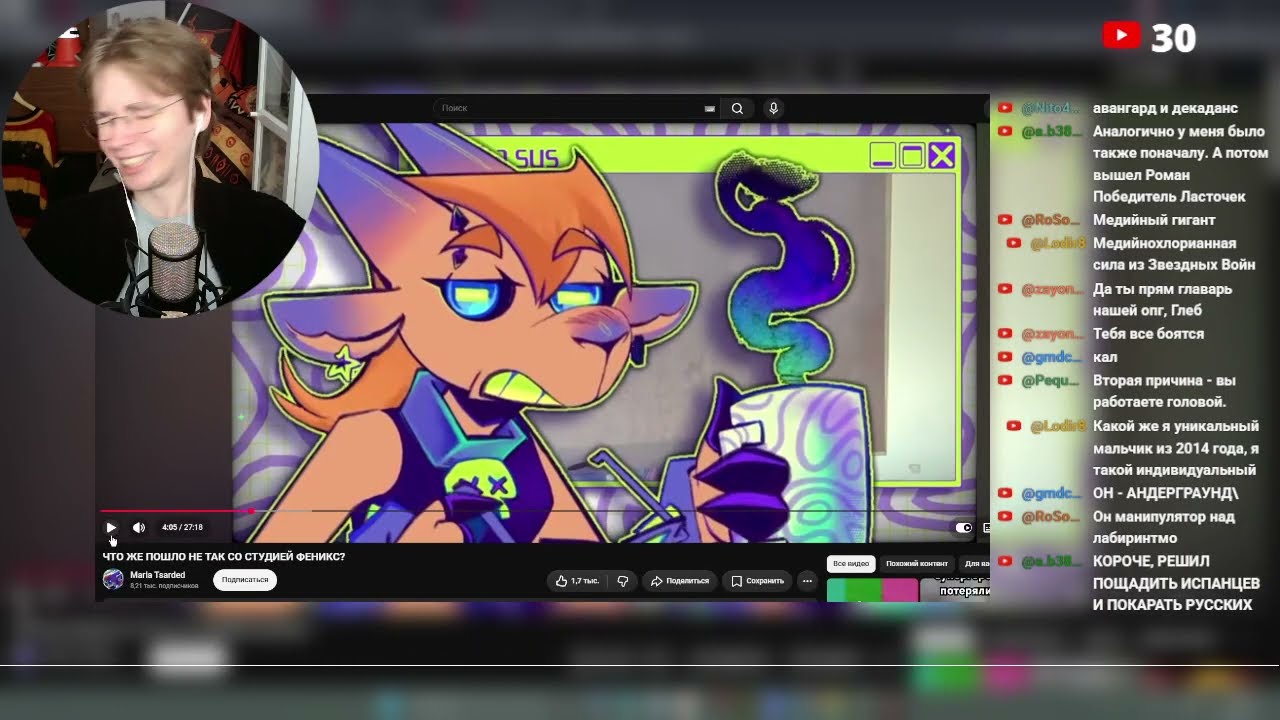
Insta360 Luna Ultra vs iPhone 17 Pro vs Samsung S26 Ultra: The Best Mobile Camera!

Comparison of Insta360 Luna Ultra vs iPhone 17 Pro vs Samsung S26 Ultra cameras, focusing on features, image quality, and usability for mobile creators.

Key Takeaways

  • Luna Ultra’s gimbal and sensor size provide superior stabilization and image quality compared to smartphones.
  • Smartphones excel in display size and lens variety but struggle with selfie camera quality and vlogging framing.
  • Luna Ultra offers practical physical controls and accessories that improve solo filming experiences.
  • Phones have more processed images with stronger HDR and saturation, which may not always reflect reality.
  • Choosing between Luna Ultra and smartphones depends on the balance of image quality, usability, and portability needs.

What the video covers

  • The Luna Ultra addresses previous pocket camera weaknesses by adding a telephoto lens for more focal length flexibility.
  • Unlike smartphones, the Luna Ultra features a physical gimbal for superior image stabilization and cinematic movements.
  • The Luna Ultra includes a grip with physical buttons and a built-in battery, enhancing filming practicality.
  • Smartphones have larger displays and multiple lenses but face challenges in vlogging due to selfie camera quality and framing issues.
  • The iPhone 17 Pro and Samsung S26 Ultra have excellent main wide-angle cameras with strong HDR and processing.
  • Luna Ultra’s 1-inch sensor and f/1.8 aperture provide sharper default shots and better low-light performance than phone cameras.
  • Smartphones offer wider ultra-wide and longer telephoto lenses but with smaller sensors and apertures.
  • Luna Ultra supports LOG shooting and in-camera filters for cinematic looks without post-editing.
  • Gimbal stabilization on the Luna Ultra outperforms smartphones, especially in low light and professional shutter speeds.
  • Accessories like the Insta360 Throwpod and POV head tracker enhance Luna Ultra’s usability for solo creators.

Answers

Questions about this video

What makes the Luna Ultra different from smartphone cameras?

The Luna Ultra features a physical gimbal for superior stabilization, a larger 1-inch sensor, and physical controls, which smartphones typically lack.

How does the image quality of the Luna Ultra compare to the iPhone 17 Pro and Samsung S26 Ultra?

The Luna Ultra produces sharper images with better low-light performance due to its larger sensor and gimbal stabilization, while smartphones have more processed images with stronger HDR and saturation.

Are there any accessories that improve the Luna Ultra’s usability?

Yes, accessories like the Insta360 Throwpod and POV head tracker enhance filming flexibility and solo creator usability by enabling automatic subject tracking and unique POV shots.

Full Transcript — Download SRT & Markdown

00:00
Speaker A
For me, the biggest competitor and the most important alternative to a pocket camera isn’t an action camera or a large professional camera, but the cameras on a good smartphone. And the Luna Ultra has addressed a major weakness of previous pocket cameras, such as the Pocket 3 or the Pocket 4, when compared to a smartphone. It features an additional telephoto lens, offering significantly more flexibility in terms of focal lengths and zoom factors. I therefore wanted to find out how the Luna Ultra stacks up in a direct comparison with the best smartphones and compared it to the iPhone 17 Pro and the Samsung S26 Ultra. But before we look at the shots in a direct comparison, I’d like to briefly touch on the key differences and unique features of the Luna Ultra. Why get a pocket camera at all when there are very good phone cameras available?
00:13
Speaker A
The Luna Ultra differs from a smartphone camera primarily because of the gimbal. With a 1-inch sensor and an f/1.8 aperture, the Luna Ultra’s camera also has specs that result in a physically relatively large camera. For most smartphone manufacturers, this is simply too large for aesthetic or technical reasons. That said, there are a few phones—for example, from Vivo or Xiaomi—that have cameras with a 1-inch sensor. The Luna Ultra’s camera is mounted on a physical gimbal and also includes a grip with a screen, physical buttons, and a built-in battery. The grip and buttons alone are very well-suited for filming and are simply practical to use. But the key difference lies in the gimbal. The gimbal offers several advantages. These include effective image stabilization, which—unlike a smartphone—works even in low light or with the optimal shutter speed for professional shots. With the gimbal, you can achieve significantly better, longer cinematic camera movements. Especially important for solo creators: you can set the camera up somewhere and have it automatically track a subject, such as yourself. The camera will then automatically follow you. Here, for example, I’ve attached the Luna Ultra to an Insta360 Throwpod. The Throwpod is the perfect accessory for the Luna Ultra because it sets up quickly and can be stored compactly. Of course, you can achieve many of these benefits with a smartphone gimbal as well.
00:27
Speaker A
The main difference then simply lies in the size of your camera setup. And, of course, in the handling. With the Luna, you don’t need to attach any device or connect to any app. If you use filters to achieve the optimal shutter speed of 1/50 or 1/60th even in daylight, the whole setup becomes significantly larger, and you’ll need to check if the gimbal can handle it. But there’s another very important difference: The phone has a huge, excellent display that’s significantly larger than the comparatively small display on the Luna Ultra. But purely in terms of the cameras, it’s on the wrong side if you want to film yourself, for example for vlogging. You’re supposed to use the selfie camera to film yourself, which can’t compete in any way with the significantly better rear cameras—and certainly not with the cameras on the Luna Ultra.
00:42
Speaker A
So if you want to film yourself, you either have to use the significantly inferior selfie camera or face the problem of not being able to judge the framing when using the wide-angle main camera, for example. Although I now have a lot of experience with smartphone comparison shots, I kept cutting off my head during the test shots for this video. There are now a few solutions to the problem: there are additional screens that you can attach magnetically to the back, mirrors like the one on the Flow 2 Pro, and the DJI OM8P also has a small display where you can mirror the smartphone screen. Funnily enough, DJI has included exactly this remote in the Pocket4Pro Creator Bundle. None of these solutions is ideal, though. And that’s another reason why the success of pocket cameras like the Pocket 3 is easy to explain. This raises the important question of how the cameras’ image quality stacks up in a direct comparison, because even though the Luna Ultra uses larger sensors, no one invests as much money in developing and improving their own cameras as Apple or Samsung. And the camera modules are actually among the most expensive components of the iPhone 17 Pro and S26 Ultra.
00:56
Speaker A
Here you can see a direct comparison with a shot from the iPhone’s selfie camera. The focal length and aperture of this camera are actually quite similar to those of the Luna Ultra. It’s just that the sensor is significantly smaller, and that makes a huge difference. For that reason alone, the shots from the selfie camera are hard to compare with the Luna Ultra. There’s hardly any background blur, and we’ll see—when the lighting conditions get worse, the selfie camera becomes almost unusable. The S26 Ultra’s selfie camera also looks somewhat blurry—as if the shots aren’t properly focused. In general, the iPhone’s selfie camera is better than the one on the Samsung. By the way, you can find a detailed comparison between the S26 Ultra and the iPhone 17 Pro on my channel—I’ve included a link to that video in the description below. Whether it’s the iPhone 17 Pro or the Samsung S26 Ultra—the best camera on both phones is the wide-angle main camera on the back. The two main cameras on the S26 Ultra and the iPhone 17 Pro are both excellent. As I said, they’re among the best you can find in a flagship phone right now. Unlike the selfie camera, however, the main camera has a longer focal length—the field of view isn’t as wide. For all these shots, I hold all the cameras at the same distance on a curved stick—including the Luna Ultra—simply to make the shots comparable. The S26 Ultra and the iPhone 17 Pro also produce a nice background blur, but as you can see, the focal length of the wide-angle main camera on both phones isn’t as well-suited for vlogging. It’s no coincidence that the Luna Ultra uses a 20mm focal length. This is considered the optimal focal length for vlogging. Both phones add significantly more saturation to my skin tones than the Luna Ultra. I look noticeably more tanned. That might not look bad, but unfortunately, it doesn’t quite match reality. In general, the shots from the two phones are much more heavily processed. The iPhone, in particular, uses very strong HDR processing, which is clearly visible in these backlit shots. The Luna Ultra shots were all taken with the default settings for this comparison. With these settings, they appear sharper overall than the shots from the two phones. If you want a softer look, you can shoot in LOG on the Luna Ultra and, for example, apply a filter like the Leica Natural Filter directly in the camera and without additional editing. This will give you more desaturated and very soft cinematic shots. In terms of color alone, the Luna Ultra’s shots in the default settings resemble those of the iPhone more than those of the S26 Ultra. The S26 Ultra uses a lot of green tones in its footage overall. And as you can see here—especially with the S26 Ultra—I kept cutting off my head because I had to guess the framing. Nevertheless, the footage from both phones looks very good. And the two phones have another advantage. They feature a very wide ultra-wide camera and a telephoto lens with a very long focal length. The Luna Ultra has an ultra-wide lens attachment that you can magnetically attach to the wide-angle lens. But even then, the ultra-wide lens on both phones is slightly wider, as you can see here. Even if the difference isn’t that big. The difference is much greater with the telephoto lenses. The Luna Ultra’s telephoto lens has a focal length of 60mm, the iPhone 17 Pro’s telephoto lens has a focal length of 100mm, and the S26 Ultra’s 5x telephoto lens even has a focal length of 111mm. However—whether it’s the ultra-wide cameras on both phones or especially the telephoto lenses—they have significantly smaller sensors and apertures.
01:10
Speaker A
and a built-in battery. The grip and buttons alone are very well-suited for filming and are simply practical to use. But the key difference lies in the gimbal. The gimbal offers several advantages. These include effective image stabilization, which—unlike a smartphone—works
01:25
Speaker A
even in low light or with the optimal shutter speed for professional shots. With the gimbal, you can achieve significantly better, longer cinematic camera movements. Especially important for solo creators: you can set the camera up somewhere and have it automatically track
01:38
Speaker A
a subject, such as yourself. The camera will then automatically follow you. Here, for example, I’ve attached the Luna Ultra to an Insta360 Throwpod. The Throwpod is the perfect accessory for the Luna Ultra because it sets up quickly and can be stored compactly.
01:53
Speaker A
Of course, you can achieve many of these benefits with a smartphone gimbal as well.
01:57
Speaker A
The main difference then simply lies in the size of your camera setup. And, of course, in the handling. With the Luna, you don’t need to attach any device or connect to any app. If you use filters to achieve the optimal shutter speed of 1/50 or 1/60th even in daylight,
02:11
Speaker A
the whole setup becomes significantly larger, and you’ll need to check if the gimbal can handle it.
02:16
Speaker A
But there’s another very important difference: The phone has a huge, excellent display that’s significantly larger than the comparatively small display on the Luna Ultra. But purely in terms of the cameras, it’s on the wrong side if you want to film yourself, for example for
02:30
Speaker A
vlogging. You’re supposed to use the selfie camera to film yourself, which can’t compete in any way with the significantly better rear cameras—and certainly not with the cameras on the Luna Ultra.
02:40
Speaker A
So if you want to film yourself, you either have to use the significantly inferior selfie camera or face the problem of not being able to judge the framing when using the wide-angle main camera, for example. Although I now have a lot of experience with smartphone comparison shots,
02:53
Speaker A
I kept cutting off my head during the test shots for this video. There are now a few solutions to the problem: there are additional screens that you can attach magnetically to the back, mirrors like the one on the Flow 2 Pro, and the DJI OM8P also has a small display where you can
03:07
Speaker A
mirror the smartphone screen. Funnily enough, DJI has included exactly this remote in the Pocket4Pro Creator Bundle.None of these solutions is ideal, though. And that’s another reason why the success of pocket cameras like the Pocket 3 is easy to explain. This raises the important question of
03:22
Speaker A
how the cameras’ image quality stacks up in a direct comparison, because even though the Luna Ultra uses larger sensors, no one invests as much money in developing and improving their own cameras as Apple or Samsung. And the camera modules are actually among the most expensive
03:37
Speaker A
components of the iPhone 17 Pro and S26 Ultra. Here you can see a direct comparison with a shot from the iPhone’s selfie camera. The focal length and aperture of this camera are actually quite similar to those of the Luna Ultra. It’s just that the sensor is significantly smaller,
03:52
Speaker A
and that makes a huge difference. For that reason alone, the shots from the selfie camera are hard to compare with the Luna Ultra. There’s hardly any background blur, and we’ll see—when the lighting conditions get worse, the selfie camera becomes almost unusable. The S26 Ultra’s
04:07
Speaker A
selfie camera also looks somewhat blurry—as if the shots aren’t properly focused. In general, the iPhone’s selfie camera is better than the one on the Samsung. By the way, you can find a detailed comparison between the S26 Ultra and the iPhone 17 Pro on my channel—I’ve included
04:22
Speaker A
a link to that video in the description below. Whether it’s the iPhone 17 Pro or the Samsung S26 Ultra—the best camera on both phones is the wide-angle main camera on the back. The two main cameras on the S26 Ultra and the iPhone 17 Pro are both excellent. As I said, they’re
04:36
Speaker A
among the best you can find in a flagship phone right now. Unlike the selfie camera, however, the main camera has a longer focal length—the field of view isn’t as wide. For all these shots, I hold all the cameras at the same distance on a curved stick—including the Luna Ultra—simply to
04:50
Speaker A
make the shots comparable. The S26 Ultra and the iPhone 17 Pro also produce a nice background blur, but as you can see, the focal length of the wide-angle main camera on both phones isn’t as well-suited for vlogging. It’s no coincidence that the Luna Ultra uses a 20mm focal length. This is
05:06
Speaker A
considered the optimal focal length for vlogging. Both phones add significantly more saturation to my skin tones than the Luna Ultra. I look noticeably more tanned. That might not look bad, but unfortunately, it doesn’t quite match reality. In general, the shots from the two phones are much
05:21
Speaker A
more heavily processed. The iPhone, in particular, uses very strong HDR processing, which is clearly visible in these backlit shots. The Luna Ultra shots were all taken with the default settings for this comparison. With these settings, they appear sharper overall than the shots from the two
05:36
Speaker A
phones. If you want a softer look, you can shoot in LOG on the Luna Ultra and, for example, apply a filter like the Leica Natural Filter directly in the camera and without additional editing.
05:47
Speaker A
This will give you more desaturated and very soft cinematic shots. In terms of color alone, the Luna Ultra’s shots in the default settings resemble those of the iPhone more than those of the S26 Ultra. The S26 Ultra uses a lot of green tones in its footage overall. And as you can see
06:02
Speaker A
here—especially with the S26 Ultra—I kept cutting off my head because I had to guess the framing.
06:08
Speaker A
Nevertheless, the footage from both phones looks very good. And the two phones have another advantage. They feature a very wide ultra-wide camera and a telephoto lens with a very long focal length. The Luna Ultra has an ultra-wide lens attachment that you can magnetically
06:22
Speaker A
attach to the wide-angle lens. But even then, the ultra-wide lens on both phones is slightly wider, as you can see here. Even if the difference isn’t that big. The difference is much greater with the telephoto lenses. The Luna Ultra’s telephoto lens has a focal length of 60mm, the iPhone 17 Pro’s
06:37
Speaker A
telephoto lens has a focal length of 100mm, and the S26 Ultra’s 5x telephoto lens even has a focal length of 111mm. However—whether it’s the ultra-wide cameras on both phones or especially the telephoto lenses—they have significantly smaller sensors and apertures
06:55
Speaker A
than the main cameras. They are therefore not particularly well-suited for low-light conditions. So how do things look in low light? As you can see here, the selfie camera on both phones cannot compete with the Luna Ultra in any way when it comes to low-light shots. In these
07:09
Speaker A
cases, you should definitely use the wide-angle main camera on the S26 Ultra and the iPhone 17 Pro. I therefore made all other comparisons using the wide-angle main camera. It’s already very dark here—and even the two phones still take good shots under these conditions. But of course,
07:25
Speaker A
they can’t quite keep up with the Luna Ultra. The Luna Ultra’s shots have less image noise, better colors, and more detail. In comparison with the Pocket 4, I’ve already found that the Luna Ultra simply delivers outstanding results in low light. And as I mentioned earlier,
07:39
Speaker A
the gimbal provides good image stabilization even in low light. As you can see in this stabilization test, the electronic image stabilization on both phones doesn’t work well in low light, simply because they use a shutter speed that’s too slow. But how does image stabilization
07:54
Speaker A
actually perform in good lighting conditions? The gimbal offers an advantage when it comes to stabilization even in good lighting conditions, as you can see here. A gimbal has only one weakness: it cannot compensate for up-and-down movements while walking or running. You therefore have to
08:08
Speaker A
compensate for this type of movement yourself by walking steadily. And as you can see, the difference is huge, and stabilization is one of the Luna Ultra's biggest advantages—even though the wide-angle main camera on both phones also features optical stabilization.
08:21
Speaker A
Of course, there are many other differences between the two devices. Not to mention that the two smartphones are, of course, not just cameras and fulfill a variety of other functions. At least when it comes to contact with water,
08:34
Speaker A
they aren’t as sensitive as a gimbal camera. And with a case, you can also protect them better against impacts than the Luna Ultra. But the Luna Ultra also has another important advantage: You can simply detach the screen and buttons and use it like a remote. This allows you to assess
08:49
Speaker A
the framing, start tracking and recording from a distance, and even use the remote as a microphone.
08:54
Speaker A
This is a brilliant feature that anyone who frequently films themselves will appreciate.Then there are some interesting accessories, like this POV head tracker. It tracks your head movements, and the camera follows exactly the same movements. This lets you capture interesting POV shots.
09:09
Speaker A
How much does the Luna Ultra cost, and for whom does it make sense to buy such a camera when there are already such good phones available? The Luna Ultra costs $770 in the US and €730 in Europe. And only if you use the link in the description will you receive
09:24
Speaker A
the extremely useful Throwpod as a free gift. This only works via the link, though.
09:29
Speaker A
Still, the price isn’t low, and the Luna Ultra costs about half as much as the S26 Ultra or the iPhone 17 Pro. As you’ve seen, both of those phones take very good shots. The Luna Ultra’s major strength lies in the fact that it’s significantly better suited for filming yourself.
09:44
Speaker A
The tracking and the detachable screen are a huge advantage in this context. But even if you value more professional and natural results and want to take filmmaking a bit more seriously, it offers many advantages, as you saw today. So for all those who want higher-quality footage,
09:58
Speaker A
it offers significant added value. Of course, only you can decide if that’s worth the extra expense.
10:04
Speaker A
If you have any further questions, just write them in the comments. I’ll try to answer them as best I can. Check out the comparison between the iPhone 17 Pro and the S26 Ultra if that interests you. And don’t forget to give me a like as feedback if you found the video interesting.
10:17
Speaker A
There will be more videos on all three devices, so stay tuned and see you next time!
Topics:Insta360 Luna UltraiPhone 17 ProSamsung S26 Ultramobile camera comparisonpocket cameragimbal stabilizationsmartphone cameravlogging cameracamera image qualitycinematic video

Get More with the SozAI App

Transcribe recordings, audio files, and YouTube videos — with AI summaries, speaker detection, and unlimited transcriptions.

Or transcribe another YouTube video here →