Skip to content

Pedas Gurih! Resep Sambal Terasi Tahan Lama TANPA Pengawet.

Learn how to make a long-lasting, preservative-free Shrimp Paste Sambal with rich flavor and versatile use in Indonesian dishes.

Ask about this video. Answers come from its transcript only — with the timestamp, so you can check them.

Generated from the transcript and can be wrong — check the timestamp.

Key Takeaways

  • Using dried chili and controlling water content helps create a sambal with a longer shelf life.
  • Sautéing ingredients in stages enhances aroma and flavor development.
  • The sambal is versatile and complements many Indonesian dishes.
  • Adding oil and careful heat management prevents burning and improves texture.
  • This recipe is preservative-free yet practical for batch preparation and storage.

What the video covers

  • Devina Hermawan demonstrates how to make a thick, flavorful Shrimp Paste Sambal that can be stored for a long time without preservatives.
  • The recipe uses dried chili for intense flavor and vibrant color, with optional substitutions like regular red chili and tamarind juice.
  • Key ingredients include shallots, garlic, candlenuts, lemongrass, bay leaves, tomato, shrimp paste, and seasonings like palm sugar and salt.
  • Sautéing steps are carefully explained to enhance fragrance and even cooking, especially for garlic and shallots.
  • The sambal is blended after initial cooking, then simmered with bay leaves and lemongrass until oil seeps out, indicating readiness.
  • The recipe emphasizes controlling water content for longer shelf life and adjusting seasoning to balance flavors.
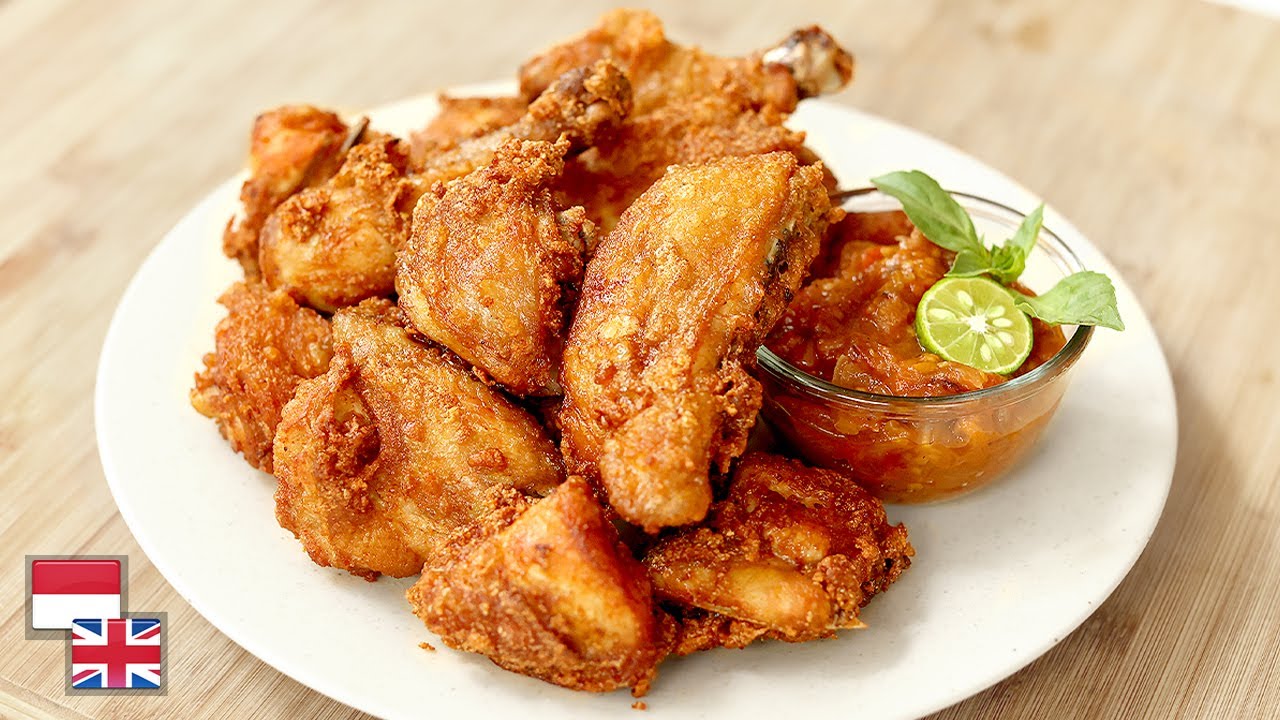
  • Devina suggests pairing the sambal with various Indonesian dishes such as fried chicken, Nasi Uduk, Nasi Rames, and seafood.
  • The video also mentions other sambal recipes and encourages viewers to check them out for variety.
  • Practical tips include using enough oil, avoiding high heat to prevent burning, and storing the sambal in batches.
  • Engagement prompts include subscribing, commenting, and sharing, with Instagram tags for viewers to share their recreations.

Answers

Questions about this video

Can I use fresh red chili instead of dried chili in this recipe?

Yes, you can substitute dried chili with regular fresh red chili, but dried chili gives a more intense flavor and vibrant color while reducing water content for longer shelf life.

How do I ensure the sambal lasts a long time without preservatives?

To make the sambal last longer, keep the water content low by using dried chili and cooking down the ingredients until oil seeps out, which helps preserve the sambal naturally.

What dishes pair well with this Shrimp Paste Sambal?

This sambal pairs well with a variety of Indonesian dishes such as fried chicken, Nasi Uduk, Nasi Rames, seafood, and can also be enjoyed with rice and cucumbers.

Full Transcript — Download SRT & Markdown

00:07
Speaker A
Sauté the shallots and garlic first, as they have a higher water content. Hello! Welcome back to my channel, Devina Hermawan.
01:00
Speaker A
Today, we'll be making Shrimp Paste Sambal that goes with everything, including fried chicken and Nasi Uduk.
01:08
Speaker A
This is a type of Shrimp Paste Sambal that you can keep for a long time.
01:11
Speaker A
It has a thicker consistency and contains a bit of oil. Let's dive into the ingredients.
01:17
Speaker A
First, I'm using dried chili to give the Sambal intense flavor and vibrant red color.
01:25
Speaker A
Red chili has lower water content, so it'll reduce quicker when cooked. Also, to make Sambal with long shelf life, the water content shouldn't be high.
01:37
Speaker A
If you don't have any dried chili, use regular red chili. Check the complete recipe in the description box.
01:45
Speaker A
I'm adding some bird's eye chili to increase the spiciness. Then, there's tomato, shallots, garlic, candlenuts, lemongrass, bay leaves, and shrimp paste.
01:54
Speaker A
There'll be other seasonings like salt, sugar, and flavor enhancer. You can use palm sugar or white sugar.
02:00
Speaker A
You can also add Kaffir lime leaves, but I'm making the basic Sambal here. First, prepare the pan and the oil. Use quite a bit of oil.
02:11
Speaker A
Heat the pan. We'll sauté the candlenuts, garlic, and shallots first. Just chop them roughly as we'll blend them again.
02:27
Speaker A
Then, add them all to the pan. Sauté the shallots and garlic first, as they have a higher water content.
02:38
Speaker A
The size is bigger, too, so if we add them all at once, the cook won't be even.
02:43
Speaker A
Also, to make garlic and shallots fragrant, we have to sauté them until they brown and caramelize.
02:48
Speaker A
Then, they'll be even more fragrant. Once they're half-cooked, add the shrimp paste in. You can roast the shrimp paste, but I'll just sauté it together as it'll still be fragrant.
03:01
Speaker A
Now, they're all cooked and browned. We can add the rest of the ingredients but the bay leaves and lemongrass.
03:13
Speaker A
Add the tomato and dried chili in. Turn the heat off and blend. You can also use a regular blender.
03:33
Speaker A
Adjust the smoothness to your liking. Then, add the bay leaves and lemongrass. Pound the lemongrass.
03:47
Speaker A
Continue cooking until the oil seeps out. Don't forget to season. For the sugar, I'm using palm sugar.
03:54
Speaker A
Then, salt. Don't add too much as we already used shrimp paste. And a bit of flavor enhancer.
04:04
Speaker A
Add some oil if necessary to make sure everything is sautéed well and fragrant. Don't put the heat on too high as it may burn or smell burnt.
04:15
Speaker A
The liquid in this Sambal comes from the tomato. It's a bit tart as well.
04:23
Speaker A
You can also substitute it with or add tamarind juice. If necessary, you can add some water.
04:40
Speaker A
It's so the mix cooks slowly and the water evaporates, reducing the Sambal and making it more fragrant.
04:48
Speaker A
As you can see, the oil has begun to seep out and it smells really good now.
04:57
Speaker A
Give it a taste and turn the heat off. The Shrimp Paste Sambal is ready.
05:20
Speaker A
Here's the completed Sambal! It's quite practical. You can make a big batch, then store it.
05:26
Speaker A
Let's taste. Let's taste it with a cucumber. This one's been washed. Spicy, savory, and super fragrant. There's bay leaves, lemongrass, garlic, shallots in this.
05:56
Speaker A
This goes well with virtually all Indonesian dishes, like fried foods, Nasi Uduk, Nasi Rames, seafood, etc.
06:05
Speaker A
Next, I'm making Kremesan that looks like a wasp nest. You know the one, right?
06:12
Speaker A
It'll be so good to eat that with this Sambal, rice, and cucumbers. If you like other types of Sambal, as there are many types, I've shared various Sambal recipes before.
06:22
Speaker A
The last one I shared was Jimbaran Grilled Seafood with 3 types of Sambal that are really tasty.
06:27
Speaker A
One of them is Shrimp Paste Sambal with a different style, so you can check that out.
06:31
Speaker A
Okay, then. Thank you for watching. Don't forget to comment, subscribe, share, like, etc. If you've recooked this dish, tag @devinahermawan and @devispantry on Instagram.
06:41
Speaker A
Thank you for watching and see you in the next video.
Topics:Shrimp Paste SambalIndonesian SambalDevina Hermawanlong-lasting sambalpreservative-free sambalIndonesian cuisinespicy sambal recipehomemade sambalIndonesian chili sauceNasi Uduk

Get More with the SozAI App

Transcribe recordings, audio files, and YouTube videos — with AI summaries, speaker detection, and unlimited transcriptions.

Or transcribe another YouTube video here →