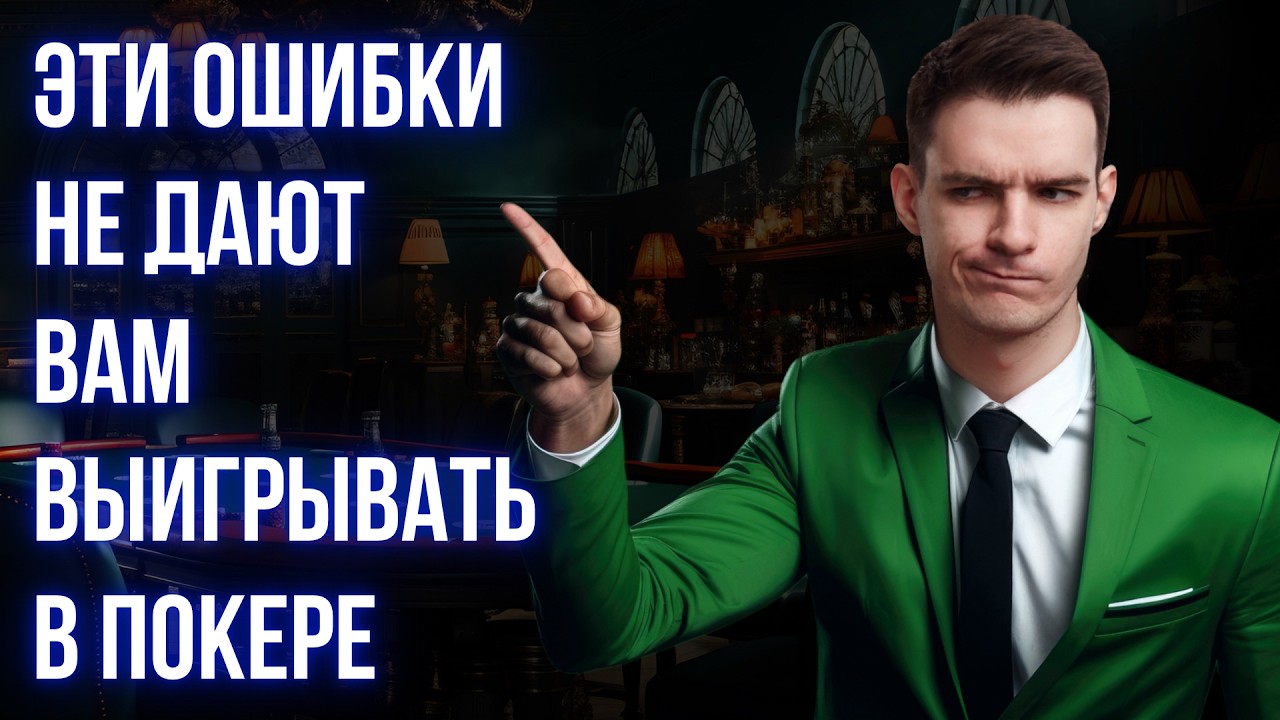
Exploring why Sony claims gamers don't own PlayStation games or consoles, the legal battle, and implications for digital ownership rights.
Key Takeaways
- Gamers legally do not own many digital games they purchase on PlayStation, only licenses.
- California law requires clear disclosure when digital products are licensed rather than sold.
- Sony’s current business model benefits from licensing but misleads consumers with 'buy' buttons.
- Legal challenges are pushing for more honest marketing and consumer rights in digital game sales.
- The issue extends beyond games to console hardware ownership and broader digital product rights.
What the video covers
- Sony argues gamers do not own PlayStation games but only hold temporary licenses, despite store buttons saying 'buy'.
- A 2026 lawsuit by four California gamers challenges Sony's practice, citing new state laws on digital transaction transparency.
- The lawsuit demands Sony clearly disclose whether games are sold or licensed, aiming for fairer digital ownership.
- Sony's lawyers claim buyers are naive to think they own games, and that the games still working justifies their licensing model.
- The video critiques Sony’s contradictory stance of wanting to lease licenses while marketing games as purchases.
- Discussion of Sony’s financial losses and mismanagement in game development and services over recent years.
- Analysis of Sony’s aggressive legal defense tactics to dismiss gamers’ claims of ownership.
- Exploration of the broader implications for console ownership, including the PlayStation 5 hardware itself.
- The video references recent industry controversies and legal precedents involving Sony and other platform holders.
- Calls for gamers to support transparency and fairness in digital game sales and ownership rights.
Chapters
- 00:00Introduction and Sony's stance on PlayStation ownership
- 02:27Legal background and California digital transaction law
- 05:03Sony's licensing model and consumer deception
- 07:28Sony's legal arguments and gamer reactions
- 09:58Promotions and disclaimers
- 12:24Console ownership and intellectual property issues
- 15:02Sony's use of 'ownership' in marketing and legal disputes
- 17:32Sony's game development challenges and financial losses
- 22:06Analysis of Sony's game service profitability
- 25:32Industry context and final thoughts on PlayStation's decline
Full Transcript — Download SRT & Markdown
Speaker A
Ladies and gentlemen, this is my PlayStation 5. Well, it's a bit of a mystery. Sony representatives recently told me that if I consider it my own, I'm nothing more than a naive fool. And now you're like, "Wait, Andryukha, wait
Speaker A
a minute! Didn't they say that about video games?" Oh, guys, this is where the fun begins. You may have already seen these ridiculous headlines on news channels or from other bloggers, quoting PlayStation lawyers about how foolish gamers know they don't own
Speaker A
their games, but you probably haven't seen the specific arguments they use to prove it. This logic implies that no Sony product belongs to anyone but Sony itself—not games, not consoles, not even Bravia TVs, for example. I know that the vast majority of my esteemed
Speaker A
viewers prefer to play on PC, just like me. But there are plenty of console gamers out there, too. So, if you have a PlayStation console at home, please answer me exactly one question. When you first took your consoles out of the
Speaker A
box after buying them at the store, did you by any chance hear a strange sound?
Speaker A
Or something like that? No, you didn't? Yeah, I didn't either. And that means you and I don't actually own our PlayStation consoles. And you'll soon understand exactly what I mean.
Speaker A
Greetings, ladies and gentlemen, friend here. Not long ago, my colleague Alexey Tipeedia released a video in which he called for harsh criticism of PlayStation, because the company is literally one step away from becoming the main villain of the gaming industry.
Speaker A
You know what? I disagree with Alexey, because I think they already are. And despite the severity of Alexey's video, he still underestimates the depth and, most importantly, the speed of their precipitous decline. So today you will
Speaker A
learn the name of the people who truly believe that Wolverine's budget is $300 million. Why, even though Kajiba was trying to deceive Sony with his new game, Fizint, was firing him over a Zoom call such a catastrophic mistake?
Speaker A
Were his detrendings ultimately unprofitable or profitable? How much money has Sony already flushed down the toilet over six years on its game-service endeavors? And I promise you, this figure will shock you. And finally, we'll get to the bottom of it.
Speaker A
Why are PlayStation representatives so actively and aggressively trying to prove in court that any person, any gamer, who believes the words of PlayStation itself, written on its blogs and store pages, is unreasonable, naive, and a fool? And I guarantee that
Speaker A
I haven't seen such a frenzy on my channel since 2023, when Jim Ryan couldn't remember in court whether Nintendo sold consoles. So, ladies and gentlemen, let's get to it.
Speaker A
This doesn't count. I don't know. This is a lie. The first story begins on June 18, 2026, when four Sony PlayStation owners—Andrew Garcia, Edward Haycock, Jason Mendoza, and John Salinos—filed a lawsuit against Sony in California federal court. What was the crux of
Speaker A
their problem? As you know, the guys at PlayStation recently started hyping up the game again, claiming we don't own the games we buy, despite the buttons in the PlayStation store clearly stating "buy" and "confirm purchase" telling us otherwise. Sony, however,
Speaker A
claims we're not actually purchasing a game, but a temporary license. So, the respected gamers rightly point out in their lawsuit that the store is creating the illusion of game ownership, and they wouldn't pay $70-$80 for
Speaker A
some limited license, especially with the right to revoke it at any time. And here's where a very important nuance comes into play. California is one of the most progressive states, having recently, in 2025, introduced a new law on digital transaction transparency. If
Speaker A
a retailer, whether on Steam, PlayStation, or Xbox Live, sells not a game but a temporary license for a game in their store, as many do these days, then they are simply obligated to properly disclose the nature of the
Speaker A
transaction to the buyer through a clear, unambiguous notice. For example, replacing the "buy game" button in the store with a "buy license" or "rent game long-term" button, or displaying a pop-up upon purchase stating, "Please note: you are not purchasing a game,
Speaker A
but a license for a game that can be revoked." While this doesn't solve the problem of video game ownership in itself, it at least makes the market more fair to buyers. Accordingly, Californian gamers have decided to exercise their newfound right and force
Speaker A
Sony to comply with these new realities. Either force them to sell games properly, from warranty to ownership, as they do, for example, at the Good Games store. Or force PlayStation to clearly indicate directly in the PSN store that you will not own the game
Speaker A
after purchase. Well, basically, replacing the button labels or adding a notification window. Essentially, the publisher was asked to decide whether to sell the product or lease the license. And if it's a license, then they shouldn't fool players and say so
Speaker A
directly. If you, like me, think this is the bare minimum of striving for a fair and honest gaming market, well, give the video a like. Let's count how many gamers among us are so committed to fairness. But Sony itself, like many
Speaker A
other publishers and platform holders, dreams of having it both ways. It wants to sell easily revocable licenses because it's convenient, creates no obligations for Sony, allows them to do whatever they want with the game, even disable it whenever they please. But at
Speaker A
the same time, it wants to continue selling game rentals under the guise of selling the game for free, to create the illusion of ownership. Because the words "buy a game for $60" sound much more appealing and reliable to us than
Speaker A
"rent a game for $60" for some indefinite, foreseeable future. If you're wondering where this legendary Sony "foreseeable future" came from, be sure to check out my last episode on the topic after you finish this one.
Speaker A
Anyway, when PlayStation was given a little extra pressure, their team of lawyers launched into a blitz of arguments about why the "buy" button wasn't a scam at all. And if it was a scam, it didn't count. It didn't count. I
Speaker A
don't know, it was a hoax. You've probably already seen the first argument in the headlines, and it goes something like this. A smart buyer in today's digital world understands perfectly well that they're not buying a game to own. No, I agree with that.
Speaker A
What other associations might come to mind when you see a "buy" button? Wait, guys, I don't get it, what are you talking about? When you clicked the buy button, entered your bank card details, and then confirmed the purchase using
Speaker A
the "Confirm Purchase" button, you thought you were making the purchase, right? Well, of course, you're completely naive and foolish gamers, according to Sony's lawyers. But I have some bad news for myself, because it turns out I'm also a foolish gamer. I
Speaker A
thought I was buying a game, and I am. And it turns out almost everyone I know is also foolish. And we assumed that this clause in the user agreement about purchasing a perpetual license was somehow overridden by local legislation,
Speaker A
which treats the sale of a game as a sale of a digital commodity of ownership. Well, that's how it works.
Speaker A
It turns out we're all naive and foolish gamers. Moreover, I'll tell you a secret, there's a whole club of unintelligent gamers you can join, all you have to do is click this button and finally subscribe to the channel of
Speaker A
this effusive, idiot-like analyst. But that's not all. Then those Goodman the Smoking Man's solos pulled out a second argument from their bosom: "What the [ __ ]?" Well, not exactly that, but a little more politely. PlayStation representatives said, "What's your
Speaker A
problem, dear gamers, if the games we sell still work?" And why does it even matter to you what the button in the store says? Okay, we're screwing you a little with the "Buy" button, but the bottom line is, the games actually work,
Speaker A
right? To which I'll answer: well, of course they are, except for The Crew, your exclusive Fewall U.
Speaker A
compensation, and other games from this list. And people who've been buying movies from you on PlayStation in recent years via the buy button have recently had some of those movies, like Terminator 2, Rem "Apocalypse Now" and 500 other titles, stolen from their
Speaker A
libraries without compensation. So, yeah, that's how it works until it stops working. And here it's important to mention that when Sony closed the stores for PlayStation 3 and PS Vita, they promised to ensure the ability to download games already purchased by
Speaker A
players, not indefinitely, and not even for the next 10-20 years, no, but only for the foreseeable future. And how long this foreseeable future will last is something Sony itself will decide.
Speaker A
To be fair, it turns out the lawyers weren't talking about everything working for all gamers, but about everything working for the four specific gamers who sued them. Oh well, not then, okay. Yeah, no, fine then.
Speaker A
Fine then. In short, just because a game launches today doesn't guarantee it will launch tomorrow. Especially considering the purely digital, monopolistic, disc-less future PlayStation is dragging us into. So, a "rent" button would at least be much fairer. And you know what's also
Speaker A
incredibly unfair and downright irritating is that for several years now, people have been using their own taxes to try to deny access to information to popular internet services like YouTube, where we are.
Speaker A
However, breaking out of this information blacklist is still possible . Just remember the legendary Amnesia VPN. Amnesia turns six years old in October. And to celebrate this momentous occasion, the guys are, of course, giving away gifts. You can get
Speaker A
either a free subscription or a colossal discount on a subscription. So head to the project's website and spin the wheel of prizes. The promotion runs until the end of October. The team has also upgraded the service, and now,
Speaker A
instead of the usual twenty-day location, you'll have access to more birds. In my opinion, now is the best time to try them all. And, of course, in keeping with good old tradition, I've snagged you an absolutely incredible 25%discount, which will be
Speaker A
valid until the end of November. So, follow the link in the description, click "Buy Premium," and my promo code "The DRZZ" along with the discount will be applied automatically, as they say.
Speaker A
Appreciate it. So, we were left with Sony's lawyers suggesting that players be patient, arguing that everything generally works. But, as we've discovered, not everything works, and not always. Then these geeks of jurisprudence came up with a third, even more compelling argument. They
Speaker A
said, "Okay, we agree that we won't disclose to you that you're not buying a game, but only a license. But why do you care?" Again, the thesis was couched in a more legally correct formulation. Like, the fact that you're
Speaker A
buying a license, not a game, isn't central to the functioning of video games on PlayStation. But essentially, Sony literally declared that you shouldn't care at all what they sell you. The main thing is that it works.
Speaker A
Again, the problem is that it works, on PlayStation's word of honor, only for the foreseeable future or until it stops working. And then what? What guarantees? There are no guarantees.
Speaker A
And then it's tempting to reply, "Dear Sony, if you don't care what the consumer player reads in your PlayStation store, then why don't you replace the" buy "button with" rent "?
Speaker A
After all, the button isn't central to the functioning of your PlayStation Network store, is it? You're afraid of losing sales, right? Well, the player just wants, at the very least, transparency and an understanding of what they're going to spend their money
Speaker A
on. And then, ladies and gentlemen, this sweet pair of Sony lawyers swung into action and came up with an argument that none of you, I swear, would believe if it weren't written down on paper. It goes like this:"
Speaker A
Reasonable people, of course, understand that they don't own games, because if one person already owns a game, then another simply couldn't buy it. "For example, Mr. Mendoza purchased Resident Evil Requiem before Mr.
Speaker A
Haycock. And if he had acquired ownership of the game, the Sony lawyers reason, then we wouldn't have been able to sell it to anyone else. In short, according to the logic of Sony's lawyers, if after purchasing a TV,
Speaker A
console, game, or any other product, someone else buys it again after you, then none of you actually own it. For example, if you bought a PlayStation 5, but if you weren't the first in the world to do so, the console factory
Speaker A
didn't collapse, and the full intellectual property rights to the PlayStation architecture, along with the console blueprints and the brand company dressed as a maid, didn't immediately appear on your wardrobe— then that's it: you don't actually own it, but rather, well, lease it for some
Speaker A
, perhaps foreseeable, future. Simply put, this is a completely schizophrenic take, in which the ownership of a specific copy of a product—in our case, a copy of Reign of Evil—is replaced by the creator's copyright and other exclusive rights to the original,
Speaker A
and then, with a face like that, few understand. Sony's lawyers are saying," Your Honor, can't you see that these crazy gamers are demanding that the rights to the brand and intellectual property be transferred to them? "No.
Speaker A
This, for example, is my copy of God of War from 1918. I own it. That said, I don't own the intellectual property or any other rights to the God of War brand. While footage of my gameplay is debatable, I definitely own this
Speaker A
specific piece of merchandise, this copy of the game. I'm not claiming that along with the copy of the game, I'll inherit, I don't know, Hidaka Nissi's chair, the synth-monics copyright for the plot, or the right to use Kratos's
Speaker A
image for advertising purposes. But I absolutely want to understand that this specific disc and its packaging are a copy of the game, it's my property, that I own it, and I can dispose of it as I please: launch it, sell it,
Speaker A
transfer it, and so on. When you buy books by Tolkien, for example, you don't expect all the copyrights to The Lord of the Rings to immediately transfer to you, after which you can stop the series on Amazon. Sure, that
Speaker A
would be cool, but that's not how it works, and everyone understands that. Stanislav Shishkin's buyer isn't claiming that the technology for producing cyber-guns will now be in his hands. No, that's unspeakable nonsense.
Speaker A
Yet, Sony's lawyers, paid $ 1,000 a month, bluntly insist in court that we don't understand this, pretending that players aren't defending ownership of a specific copy or transparency of trade rules, but rather a desire for total ownership of the exclusive rights to
Speaker A
the game. This is such a blatant fraud that I can't even fathom who in their right mind would fall for it. And the European Commission might buy it, which is why CTPilling Games in Europe is stalled for now, though work is
Speaker A
underway. But what's even funnier? Absolutely every digital service and blog from Sony Bitcom itself is filled with rhetoric and phrases that directly promise you ownership of the game.
Speaker A
Users of the Consumer RS Wi community have already found over 40 instances of the word" ownership "or its derivatives on Sony's official pages. For example, a digital PS4 game you already own.
Speaker A
Supported digital PS5 titles you own. A player must own a game before rating it , and so on and so forth. There's the statement on the Ghost of U page:" Verified owner of this game or item. " So, if you read what Sony itself writes
Speaker A
and believe it, then, according to their lawyers, you're an unreasonable gamer. But, by the way, they're right.
Speaker A
It's time to stop trusting Sony in anything. I wish this case every success, just as I wish the California law would become an international standard. This is the bare minimum of the consumer rights that the CTPilling Games movement is currently fighting
Speaker A
for. The right to at least know and understand what you're actually buying with your money: a game or some kind of phony for the foreseeable future. You know who's definitely been pissed at Sony for the foreseeable future? Of
Speaker A
course, it's maestro Hideo Kajima. And even though he tried to warm up to Sony , tried to deceive his partner, they still didn't give him the cold shoulder .
Speaker A
That doesn't count. That doesn't count. I don't know. So, imagine. It's mid-June 2026, and it's a scorching summer outside. And while everyone's raving about the fresh Agent 007, First Light, Kajima is planning to put together his own top-tier spy action movie called Fizint
Speaker A
. He's even assembled a stellar cast for this project, including Bill Ssgorod, Charlie Fraser, from Furiosa, and Madon Soka, who, damn, is a genius, has already promised gamers futuristic graphics and collaboration between film and gaming industry experts. And
Speaker A
full-scale production was planned to begin very soon. But then, the respected Hideo suddenly receives a Zoom call. He picks up, and an unnamed Sony representative tells him that PlayStation no longer plans to fund his game. Hide was stunned by this news and
Speaker A
didn't even believe it right away. He had to ask Nani again. And only after he received confirmation did he realize he'd have to seek funding elsewhere.
Speaker A
But he'd actually been counting on Sony's support and considered his project relatively immune to cuts. But why, after so many years of collaboration, did PlayStation decide to abandon this brilliant genius?
Speaker A
Blomberg journalists, after speaking with representatives from PlayStation and Kajimo Productions, identified four main reasons. First, Kajimo constantly missed production stages, missed deadlines, and increased the project's budget. But it's clear that a game with actors of such caliber simply couldn't
Speaker A
cost less than $ 200 million. Therefore , Kajimo would essentially be profiting from the constant budget increases.
Speaker A
Secondly, sales of the Dstrendin series fell below Sony's internal expectations . Thirdly, the timed exclusivity of Jima's games turned out not to be all that valuable for the platform. These games never truly became system games in the true sense of the word. And Sony
Speaker A
wasn't particularly excited about the possibility of a future PC release of the game either. And finally, PlayStation had a new management some time ago, and many people who advocated for cooperation with Kajima, like Andrewhouse, Shahei, Yashida, and Shawn
Speaker A
Layden, had long since left PlayStation . Now, Herman Huls, Tychy Dyaki, and Nenisina are in charge. And at first glance, the reasons seem perfectly rational. Kajima was screwing his partner over deadlines and budgets, while not bringing the company much in
Speaker A
return, so why tolerate him? But, of course, this story has twists and turns . Firstly, regarding deadlines and budgets, it's important to understand the following. Kajima has been violating them for virtually his entire life, starting with the very first
Speaker A
Metal Gear, which he managed to sell to Konami management as a fast-paced action game, knowing he simply couldn't sell them a stealth action game with hide-and-seek. And the result was a truly legendary series. And, in fact, he essentially created the genre. So I
Speaker A
don't understand how anyone can doubt Kajima's talent and genius. He's at the very least a brilliant marketer and pitchman for his projects, capable of securing funding for practically anything. After all, he managed to get money out of Sony for a courier
Speaker A
simulator, twice. And I don't know anyone else who could have managed that , but don't get me wrong, this kind of cunning and deception of your partner in an attempt to squeeze out additional time or budget for a project isn't
Speaker A
something good, it's something very bad . But when you've been working with Kajima for over 10 years, if you know him and his background, you realize the man is already 63 years old and he's not going to improve. You can't teach
Speaker A
an elderly Japanese guy to meet deadlines, so to speak. He'll always drag out development and ask for more money. On the other hand, you understand that if you let him do everything right, he'll create a unique project that will sell for a very, very
Speaker A
long time, literally decades or even longer. MGS3 is still being sold to this day. The question is different.
Speaker A
Why, if I, some shabby little do-gooder , know about it, didn't Sony's management know about it, or did they know? They were simply tired of putting up with his antics. And here we smoothly move on to the second main
Speaker A
reason why the blue studio parted ways with Kajima. And that, of course, is money. Here, many people misinterpret Sony's position. The Death Stranding games are said to have been failures, but that's not true at all. The budget for the first Death Stranding game,
Speaker A
according to various estimates, is somewhere around a hundred million dollars, and the sequel's budget is around $ 150-2 million. Meanwhile, the first game in the series had already recouped its development costs by May 2020, about six months after its
Speaker A
release, and had already begun turning a profit. Currently, the first Death Stranding has earned Sony, according to various estimates, between $ 30 and $ 70 million, depending on what percentage of the profits Sony takes.
Speaker A
And these aren't colossal numbers, of course, but they are profitable. The second game, however, is a bit more complicated. It cost almost one and a half to two times more, and was released only a year and three months
Speaker A
ago. Therefore, it hasn't yet broken even, but it's slowly getting there. As of the release of this video, Norman Reedus 'adventures in Australia have earned somewhere between $ 130-150 million. So, the game hasn't made Sony any money yet, but it's slowly
Speaker A
approaching breakeven and continues to sell well. This is the main characteristic of Ajima's games. They are discussed and purchased even years after their release because they are unique in their own way. Here I simply must add that many have very strange
Speaker A
ideas about a game simply having to break even in the first days, weeks, or months after release, otherwise it's a failure. This is a consequence of constantly reading news about all sorts of super-successful blockbusters and shoot-em-ups. Although, in fact, this
Speaker A
is not the case. Large games can easily break even in months or even years. For example, a Souls game like Lords of the Fallen (2023) took over two years to break even. And this is, in fact, completely normal in the industry. The
Speaker A
developers of" Lords of the Fallen "are doing just fine. This is standard business practice if you're making a major game that doesn't turn out to be a colossal success. So, Kajima's games can 100%be accused of being low-profit, meaning low-margin, and slow-grossing.
Speaker A
That's all true. But they definitely can't be called financial failures. And even Sony admits that's not true. They merely say the games earned less than their own internal expectations.
Speaker A
Meanwhile, player ratings and press for both detrending titles are simply remarkable, hovering around eights and nines. Nevertheless, the blue studio's desire to rid itself of such a risky, not-so-profitable partnership is entirely understandable. Or rather, it would be understandable if Sony were so
Speaker A
high-margin, super-efficient, and efficient in its spending. And PlayStation is now truly making a killing on a 30%store commission on sales of other games and microtransactions. No question about it , but you can't even imagine how much money they're wasting and squandering
Speaker A
in their attempts to create the perfect game service. I just took a rough estimate. Based on the size of each studio, its location, median salaries within and outside the region, the team's share of the project's workload, the time it takes to develop a
Speaker A
game-service masterpiece, and so on. In short, I have this model, and it's quite accurate. And the results, the calculations of how much money Sony wasted on their game-service strategy, left me stunned. And you will be stunned too, ladies and gentlemen. This
Speaker A
is exclusive. We'll start off rather lightly with Spider-Man Online, which, after three years of work, died in the depths of the Insomnic office while still in the prototype stage. We'll calculate PR production costs using the lowest, most conservative, and most
Speaker A
gentle scenario and estimate them at somewhere around $ 1 million. Just $ 1 million. My God, what nonsense. Well, you understand that this is just the beginning. Then we remember that before its closure, Bluepint studio had actually been working on the
Speaker A
game-as-a-service Godor for two or three years. And by the most conservative estimate, PlayStation spent around $ 20-30 million on this venture. Although, frankly, I think it was much more. Let's move on. And we remember the marathon, on which, by the
Speaker A
most conservative estimates, around $ 250 million was spent. Although, more likely, $ 270 million, but okay, let's assume $ 250 million, of which they've already recouped about $ 60 million, before taxes, of course. Thanks to which, Sony lost only about $ 190-200
Speaker A
million. Furthermore, we must not forget that for at least five years, part of the Natidoc team was busy churning out the game-as-a-service LWAS online, which cost at least $ 200 million, and was ultimately canceled.
Speaker A
Wait, wait. So what were the creators of the biker saga Days Gone doing all this time? The guys at Ben Studio spent four or five years working on some unannounced game-as-service project, the name of which we don't even know
Speaker A
and will never know. What we do know is that it died in its infancy. Let's assume that the work of the American studio Zaregon over four years cost Sony around $ 60 million. London Studio also spent about four years developing
Speaker A
some kind of co-op game-as-service action game before its closure in 2024. But the studio is small, so it's estimated they wasted around $ 30-40 million on the whole thing. Another $ 8 million was wasted on VR Firewall Ultra
Speaker A
, and another $ 12-15 million was successfully disposed of during the production of the car action game Destruction All Stars. And let's not forget that Sony has already spent tens of millions creating a Horizon-themed game service called Hunting Gathering,
Speaker A
which no one asked for, which you can see on the screen right now. There you go. Will you play it? I'm not sure, but it's not out yet, so we won't bury it prematurely or write it off as a loss.
Speaker A
We're not counting it in our calculations. And rounding out PlayStation's list of negative financial achievements is, of course, the legendary Concord, which cost around $ 250 million because it was developed long and hard by industry veterans, and in California, no less.
Speaker A
So, we're down a whopping $ 800 million . Some of my respected viewers will probably say:" Stop, Andrey, wait a minute. But PlayStation has a new hit.
Speaker A
This is the hyper-successful Hell Divers 2, which certainly compensated for at least some of these mistakes and failures. And yes, it really did compensate. The game about managed democracy sold an astronomical circulation of more than 20 million copies. But since they are not an
Speaker A
internal Sony studio, but just a contractor, PlayStation received at their disposal only a share of the profit in the region of 300-400 million dollars. Okay. -800 million with the elegant fall of the landing capsule turned into just some -400. And let's
Speaker A
not forget about the minus time of the studio in Rotinoti Dog or B Studio and the Blue Point issue, but there it is not the time of work, but just a minus, because the studio was closed. I will
Speaker A
not even say anything about Destiny 2. There was -3.7 billion dollars for the acquisition of the very Bungie. But it's an investment in assets, so we won't count it as a loss. Although the asset itself, Bungie, has been rapidly
Speaker A
depreciating in value in recent years for some reason. Sony themselves have allegedly calculated a depreciation of around $ 765 million or something like that. But, wait a minute: if you add the profit from game-service "grand tourism" to the massive negative
Speaker A
game-service profit of -400 million, and even together with the game-service series Biz Show, then it turns out that Sony actually came out on top, well, more precisely, a small plus of $ 300-500 million in total over the entire 5.5-6 years. These are all, of
Speaker A
course, valuation models with errors, but for such a huge corporation, at the cost of burning the time of dozens of studios and millions of person-hours, the benefits of its entire game-service strategy taken together over the years are comparable to the profitability of
Speaker A
one or two exclusive blockbusters from the PlayStation 4 era. For example, God of War from 2018 combined with Horizon Zero Donnesm netted hundreds of millions of dollars, nearly a billion.
Speaker A
But to give you an idea of the depth of the decline, the port of the first Lastovas from PlayStation 3 to PS4 alone—that port, not the original game itself—earned 402 million in gross profit and approximately 300-350 million net. That's almost as much as
Speaker A
5-6 years of peak game service pressure . You see, this whole strategy of sending studios to create game services , shutting them down, squeezing the life out of them. All this brought in about the same amount of money as
Speaker A
porting from PlayStation 3 to PS4. And these jokers, burning their developers' money and time on game services, say, " Kadjomba, my dear, forgive me, but your games earned us too little money." You see, too little money, and we like it
Speaker A
when a game doesn't earn anything at all, but when it immediately and abruptly and uncompromisingly disappears. Throw it in the trash before the release, just to write off 200 million in the quarterly report.
Speaker A
That's awesome. That's our style. And what's your measly 30-60 million plus? It's like you're embarrassed to even show investors that kind of gain. So we're refusing your services. And now Katma's gone to work with Xbox and Ashisharm, which is pretty ironic and,
Speaker A
I'd say, a one-off, because Xbox is also currently running around cutting all low-margin studios. So, after his first game, Kajima is guaranteed to be fired, unless, of course, they change their strategy. Nevertheless, for Sony, the situation looks extremely comical.
Speaker A
Kajima is one of the few who has released a truly interesting, even if only temporary, exclusive title for their console in recent years. And as a reward for this, they decided to stop working with him. Sorry, guys, to the
Speaker A
list of games that were a complete waste of money, I forgot to add Wolverine, of course. They say they spent over $ 300 million on this action movie. Answering the questions from the very beginning of my video about what
Speaker A
people are called who believe in Arsoma's $ 300 million budget, I'll answer right now. They're called well-informed people with accurate information. It wasn't easy for me to believe it, but this is a completely realistic figure, which was also found
Speaker A
in the preliminary budget estimate from Insomniac themselves in a 2022 leak. And it can be calculated simply based on the size of the development team, Insomniac salaries, and production timelines. It all boils down to roughly the same range of $ 300-320 million. By
Speaker A
the way, that's more than the budget of the second RDR, even accounting for inflation. And what did Sony's internal studio produce for such a colossal amount of money? Yes, it's average, with a plus, spectacular in places, epic in others, but rather toothless,
Speaker A
not particularly An original and not entirely polished linear game that's sometimes even entertaining, but in many ways fears its players and doesn't trust them. Contrary to the numerous memes about the diver tracker from the blue GAZ, isn't Wolverine some kind of
Speaker A
terrible game? No, it's much worse. This isn't a $ 300 million game. Just to break even, just to break even, it would have to sell almost 6 million copies. And only then will it start making any money. Again, it turns out
Speaker A
that the wasteful and low-margin charlatan Kajimo spent less on his two courier simulators with Hollywood stars like Mats Mickelson, Léa Seydoux, and Norman Reedus than Insomnic spent on one of their linear masterpieces. And, in my opinion, that's inadequate. And
Speaker A
here's what's important. Mediocre or even merely good games don't sell consoles. Starfield, for example, is far from a terrible game, and grandpa ...I even like it. But do you know a single person who saw Starfield's gameplay and immediately ran to the
Speaker A
store to buy an Xbox? No, I don't know either. Consoles are sold by the games that make you lick your lips, lust after that gameplay, those graphics, those cinematics. That is, nine-or ten-game consoles. In 2013, when I first saw the gameplay of the first
Speaker A
Lastov on Puppy, I was shocked and immediately wanted a PlayStation. I'm absolutely sure that after the first demonstration of that chase scene from the fourth Anchik, the fourth PlayStation started selling like hotcakes. God of War, Detroit: Become Human, and Spider-Man from '18 also
Speaker A
really sold you on PlayStation because, well, what do you know, three awesome games in just one year. Even I, as an inveterate, so-called boyar, understood that having a console like the PS4 in my arsenal was pretty useful, because
Speaker A
three or four times a year you unpacked it to play truly excellent or even outstanding games. Even the Demon Souls remake sold you a fifth PlayStation.
Speaker A
And what games are Sony selling now, in 2026? SARC or maybe Wolverine? Even last year's Yu is just a good, high-quality, decent game with an interesting open world, but just a good game doesn't make you run to the store
Speaker A
like a sprinter. And now the situation is such that I already have a fifth PlayStation. Here it is. But I can't bring myself to get off my ass and go to the store to pick up Wolverine, because it doesn't elicit that kind of
Speaker A
motivation; it doesn't make me want to spend money on it. If you have some extra, I don't know, 2 bucks or 160 rubles, and you really want to have fun , a show like "What, where the hell is
Speaker A
this on my Patreon or on Tribute." Look , by God, this is quite an intellectual show and, most importantly, 20 times cheaper, and at the same time, support the channel. But why is everything so sad for Sony? Why have they become so
Speaker A
brazen lately, started exploiting the players 'trust and stopped releasing legendary blockbusters? And the reason is simple. The numbers still show them that, in fact, they are doing everything right. Only here's the catch . These numbers lie. Look, you and I
Speaker A
are mere mortals: hard workers, small business owners, developers, bloggers, small game studios, small publishers.
Speaker A
So, you and I are constantly receiving feedback from so-called reality. All you or I have to do is make one wrong decision, and that's it, you're already thinking about how you'll pay your rent next month. I follow Kirill Oreshkin's
Speaker A
independent publishing house Poldi and I see that the guys are trying to run their business extremely carefully, because there is no room for a big mistake here. One serious mistake and that's it, the publishing house It closes, and you're back to looking for
Speaker A
a job at some Cypriot B2B and ISAS 67 AP Elon Musk startup, and that's it, you can't escape it. You and I get slapped with fate for our mistakes instantly, but that's not how it works with large, super-rich corporate
Speaker A
entities. No. And reality, like the bosses in Oldenring, gives them slaps with a huge time lag. The best example here, of course, is Ubisoft. Back in 2016-17, they set a course for creating an endless number of games as services
Speaker A
in the hopes that a couple of them would take off, so they wouldn't have to make any more games. And you know what the numbers showed at first? That Ivgeymo was simply a genius. Their in-game purchase revenue then increased
Speaker A
many times over. Operating profit set record after record. Everything was working perfectly. They could have scaled up, hired people, and launched a dozen more projects. But that was already a mistake back then, which is what I'm talking about. I said this in
Speaker A
this video, which has just appeared in the tips. It's like planning a family budget for the future based on winning at the casino. Moreover, game services have fundamental problems with the laws of physics, due to the fact that there
Speaker A
are 24 hours in a day. And the more successful game services appear, the less the world needs new successful game services, because people simply don't have time for them. But a few years pass, and suddenly the forecast for a plus 400 million euros turns into
Speaker A
a minus half a billion. A little more time passes, and Ubisoft is already deeply in debt with a loss of 1.5 billion, canceling seven games, postponing another six or so, and cutting 1,000 jobs. The market value of [ __ ], the company that was at the
Speaker A
height of game service optimism, when its shares were worth over 100 euros apiece, has collapsed by approximately 10 times. In other words, fate befell Ubisoft far from immediately, but approximately after 8-10 years. So a corporation the size of Sony can coast
Speaker A
for years on the foundation laid 15-20 years ago. And there's no iceberg in sight in this Titanic's financial reports. They're all records.
Speaker A
PlayStation earned 463 billion euros in operating profit, and Sony itself expects even more next year, almost 700 billion. The PlayStation ecosystem has 125 million active users. Online services are growing at double-digit rates, and DLC and microtransactions are already bringing in more money than
Speaker A
game sales. You have to understand that Sony's top managers, unfortunately, don't read offensive comments on Instagram or under traders on YouTube, but rather pleasant reports with pleasant numbers. These numbers are right now whispering to the slanderous Nesin that they're doing everything
Speaker A
right. And meanwhile, while the numbers are still whispering, you get pleasant compliments and The moment when the players' shattered trust begins to somehow show up in the ratings with a red arrow down could be, for example, 4-5 years or even more. However, I can
Speaker A
easily see a scenario in which, at the moment of the change of console generations, a small portion of PlayStation fans, simply tired of fighting with the unruly Sony, will simply decide to get an Xbox or, for example, a PC instead of the upcoming
Speaker A
PS6. I can already see some people saying, "Andrey, are you even normal? Have you seen the prices for components ?" And I have seen that video cards are monstrously expensive, SOS cards are gold, and the memory is downright
Speaker A
platinum. This is indeed true. But the problem is that consoles are made from the same silicon. There's the same memory, the same TSMC factories, the same Tsernevsky brand SSDs, the same struggle for production capacity with artificially intelligent data centers.
Speaker A
That is, PlayStation doesn't have some kind of divine immunity from the component crisis. And if the sixth PlayStation, due to the crisis, costs no more If you're looking at $ 500-$ 600, or $ 900, $ 1,000, or even $ 1,200
Speaker A
, gamers will be faced with a real dilemma. Because the choice between a $ 1,200 console and a full-fledged $ 2-2,500 PC isn't so clear-cut anymore, especially considering that with a PC you get free multiplayer, extensive backward compatibility, mods and cheap
Speaker A
games, legendary services like Steam, GoG, and Torrent, emulation, and a working machine that will allow you to recoup the cost of the PC itself, as well as the ability to swap out components as you wish. Furthermore, personal computers have become much
Speaker A
simpler and more user-friendly in recent years. They're now essentially just construction kits for adults. And if someone wants a computer that functions purely as a gaming console in "turn it on and forget it" mode, that's precisely what SteamOS is now
Speaker A
developing for. And this is perhaps the main paradox of the modern PlayStation. It's still incredibly successful and very rich, but not because it's doing everything right. No, it's because for a long time, for 25 years before that, it did, if not everything, then a lot,
Speaker A
very well. Sony is still reaping the benefits of player trust from previous eras and its 30%commission from Fortnite, FIFA, and Call of Duty.
Speaker A
Therefore, the consequences of frankly bad anti-consumer decisions will come to it far, far away. But moving by inertia, right now Sony is simply moving by inertia, on past success, on past trust; that's not a strategy. And the more money PlayStation makes from
Speaker A
other people's games, and not from its own, the less it will determine its own fate and its future. For example, I need this thing right now for GTA VI, then, most likely, for Integral, and then...I don't know. Well, I mean, I
Speaker A
really don't know: I don't have any guarantee, like I had in the PlayStation 4 era, that the console will definitely release two or three outstanding blockbusters every year. I have more of that guarantee. No. This year they tried to feed me Saros, which
Speaker A
I ended up skipping with Wolverine. Although, guys, wait, why am I even bothering? Someone else clearly bought the same console after me. Right? Which means, by Sony's logic, I don't own it.
Speaker A
It's not mine at all. And there's no way I can just take credit for your diamond likes that you give this video if you absolutely loved it, because I'll be sharing the motivational energy they inspire in me and their wonderful
Speaker A
team. And subscribe to the channel if you're new here. You liked this analysis. Well, ladies and gentlemen, thank you from the bottom of my heart for your attention. Don't let these megacorporations treat you like [ __ ] just because they did everything right
Speaker A
for 20 years and now suddenly went nuts . Well, they went nuts, so they should be punished. And until we meet again.
Speaker A
Bye, guys.
Topics:PlayStation 5Sonydigital game ownershipvideo game licensinggaming lawsuitconsumer rightsdigital transactionsPlayStation Storegame licensesconsole ownership