Skip to content
Get App

Бюджетные заготовки на месяц!

Budget-friendly meal prepping for two adults on 10,000 rubles a month, featuring diverse, healthy recipes with meat, fish, veggies, and baked goods.

Key Takeaways

  • Meal prepping can help maintain a healthy and varied diet on a tight budget.
  • Buying some pre-prepared ingredients saves time but may affect quality and cost.
  • Planning and cooking in bulk reduces daily cooking time significantly.
  • Simple, familiar ingredients can be used creatively to avoid boring meals.
  • Balancing cost, quality, and time is key to successful budget meal planning.

What the video covers

  • The video demonstrates meal prepping for two adults on a 10,000 ruble monthly budget.
  • Focus on making tasty, healthy, and varied meals using affordable, recognizable ingredients.
  • Includes pork, beef, chicken, fish, vegetables, side dishes, and baked goods.
  • Detailed shopping haul with receipts and cost breakdowns provided.
  • Shows step-by-step cooking processes including butchering chicken, braising beef, and preparing various dishes.
  • Highlights time-saving tips and balancing quality with convenience when buying ingredients.
  • Discusses optimizing meal prep to reduce daily cooking time and effort.
  • Includes practical advice on ingredient selection and preparation techniques.
  • Offers ideas for versatile dishes like braised beef, fish patties, and cabbage rolls.
  • Encourages viewers to find their own balance between cost, quality, and time.

Answers

Questions about this video

How much is the total budget for meal prepping in this video?

The total budget for meal prepping for two adults for a month is 10,000 rubles.

What types of meals are included in the meal prep plan?

The meal prep plan includes meals with pork, beef, chicken, fish, vegetables, side dishes, and baked goods.

Does the video provide tips on saving time while cooking?

Yes, the video discusses optimizing the cooking process by multitasking and using some pre-prepared ingredients to save time.

Full Transcript — Download SRT & Markdown

00:00
Speaker A
YouTube is unstable, but we’re still consistently making new videos. To stay connected, subscribe to our Telegram community; scan the code or use the link in the video description.
00:12
Speaker A
Today’s episode is about meal prepping for 10,000 rubles. For a month, for two adults. Making tasty, healthy, varied meals so eating isn't boring, while on a budget, including pork, beef, chicken, fish, vegetables, and side dishes. And even baked goods. Hello
00:37
Speaker A
everyone. I’m Lisa. And today we’re going to prep some budget-friendly meals. Our budget is 10,000 rubles. For a month, for two adults. It’s a mini-challenge, because there were comments saying that, of course, with unlimited resources, you can order
00:58
Speaker A
salmon, shrimp, turkey, and beef. But please, show us how to make tasty, healthy, varied meals from simple, recognizable ingredients so that eating isn't boring, all on a limited budget.
01:12
Speaker A
I understand perfectly; prices are rising, and we have to adapt. And very often, with some banal, familiar, simple, accessible ingredients. We already have some standard meal patterns. And I’d like to diversify that and use meal prepping to make life
01:30
Speaker A
easier for ourselves. I’m happy to share my ideas with you. We’ll calculate, shop, and I’ll include all the receipts. We’ll create a menu, ensuring we have pork, beef, chicken, fish, veggies, sides, and even baking.
01:50
Speaker A
We’ll cook everything together and see how it turns out. Whether we stay within 10,000 rubles. And how varied it all ends up being. Let’s get cooking.
01:58
Speaker A
Where to start? The most expensive part of our grocery haul is, of course, the meat. I didn't save quite enough here, I think, because I could have chosen a cheaper store, but I picked a verified shop to be sure of what I bought.
02:20
Speaker A
However, for example, look, I got beef — almost 1.2 kg of steak, a good piece. I got ground beef because it was slightly cheaper than grinding it myself. Simply because the store I was at only had steak, and using steak for
02:36
Speaker A
ground meat is a bit too luxurious. So here I have four chickens, 1.2 kg of beef, a kilogram of ground beef, and 2.1 kg of pork. Besides all that, there was a supermarket run for grains, vegetables, and so on. We will
02:55
Speaker A
definitely attach the receipts for you. This specific purchase cost me 5,600 rubles. I also grabbed some desserts from McDonald's. How will we structure the work? I'll be doing several things in parallel. I try to optimize the process. Let’s start by butchering
03:12
Speaker A
all the chickens, of course. We'll put the broth on to boil right away. I'll set the beef to simmer immediately.
03:19
Speaker A
That's the part that doesn't need my attention. I'll set the buckwheat and rice to cook for our sides. We'll grind the meat for the ground-meat plans.
03:31
Speaker A
We'll start caramelizing onions for the meatballs. We'll fry the mushrooms for a side dish. Basically, we’ll prep the foundation for tomorrow. We'll boil eggs for fillings and make mashed potatoes. We'll marinate the chicken thighs. We'll make the fish patties. Oh
03:50
Speaker A
yes, I also bought fish and liver. I picked up a kilogram of pangasius. Here is the fillet. And here is a pack of chicken liver. I’ll make some pâté.
04:04
Speaker A
The only other protein I have is cottage cheese. And I also ordered some bacon. The supermarket haul cost me under 2,500 rubles. So that means we've spent 8,100 rubles so far. And we’ll allocate the remaining 2,000 to pantry
04:22
Speaker A
staples. If we start from scratch, it hits exactly 10,000. Well then, let’s get started. I'll put some things in the fridge for now. We'll leave the chickens out. We are going to butcher them now. If anyone hasn't seen how to
04:37
Speaker A
butcher chicken, I'll show you. Okay, I'll put the ground pork away for now. I'll put the fish in the fridge. I'll cut the beef for braising now. What do I do with the braised beef? It’s a versatile base for mashed potatoes or a
04:58
Speaker A
stew. You can add it to buckwheat, tacos, or a ragout. It's an absolutely universal thing to have. We'll braise the whole kilo; it makes the most sense. I might use some pieces for ground meat if needed. The meat will be for
05:35
Speaker A
Bolognese, ravioli, and stew. Let me tell you how else you could save money. For example, in the case where we take, as I mentioned in our episode about chicken, we could buy chicken from a poultry farm, which would be cheaper.
05:55
Speaker A
As for the fish, I bought it unfrozen from a container, I mean from a container at the market. I bought fillets just to save a little bit of my time. Although, again, if I had bought the whole thing and butchered it myself,
06:08
Speaker A
it would have been cheaper. So, in essence, deliveries and supermarkets — we are actually buying our own time when we purchase something ready-made.
06:25
Speaker A
But on the other hand, we suffer because the product quality also degrades, since we can't control how long this fillet was frozen or what the ground meat is made of. Well, you need to find a happy medium here. In my
06:41
Speaker A
opinion, and figure out what is more important to you. For me, it's sometimes more important to spend time with my family than, for example, driving to another store right now. Of course, I make ground meat myself, and in general, meal prep saves me time.
06:57
Speaker A
But I just mean that I bought ground meat: even though I could have gone to another store and looked for slightly cheaper beef to make it myself, I decided to take the path of least resistance here. That's why I advise
07:10
Speaker A
you to find a balance in all of this and decide for yourself what is more important to you, because I understand that not everyone has it. For instance, it will take me about, well, about 2 hours in the evening to do this meal
07:26
Speaker A
prep. On the other hand, when I was filming the episode about healthy eating, to cook from scratch, I was spending about an hour and a half every evening just to make food for one day.
07:42
Speaker A
It’s good that I made extra portions and put some into storage, but overall, it was definitely noticeable. More time was spent than if I had just cooked from prepped items; it really felt that way. I'll just send these pieces here
07:56
Speaker A
to be ground up. I'm cutting them arbitrarily. There's no need to invent anything here. You should try, of course, well, to do it, see, the grain runs this way. Cut across the grain so the fibers end up short. Something like
08:15
Speaker A
these pieces. It will all turn into a uniform pulp anyway later on. I'll set it aside now and forget about it for a few hours. You could make, I think it's called, Kremlin-style beef, where you add the same amount of onions. I'll
08:33
Speaker A
make it without onions. It won't be any less juicy because of that. Silence. The cat is extorting the beef. I always laugh that if the cat met a cow on the street, it's unclear who would be hunting whom. Fairly large pieces.
08:49
Speaker A
Actually, you don't really need to do all this trimming in this case. I'm just entertaining myself. I really like to clean off the fat like this, so there are fewer membranes, because they are always a bit harder to chew. I'm
09:08
Speaker A
adding a little bit of water here. You could use broth, of course, but my broth hasn't had time to cook yet. Oh, you could add a bouillon cube. I'll go get the chicken one now. I remembered that I have some finished broth, frozen.
09:19
Speaker A
This is my chicken broth. We're going to cook it anyway. New, so this will work perfectly for us here. It will melt. I will add salt after everything is ready. Now we will cover all of this three times. And safely at 150-180
09:51
Speaker A
degrees you can put it in the oven for 3-4 hours like this. I took four chicken carcasses. And the first thing, naturally, that I need to do is to butcher them. I show a detailed breakdown of the carcasses in almost
10:09
Speaker A
every episode where I work with chicken. But probably the most detailed one is in the episode about chicken, where there are 40 chicken dinners. In general, everything is quite simple. I cut off the wings first, then the legs,
10:29
Speaker A
removing excess skin and glands beforehand. And I start separating the frames from the breasts. I separate all of this. I remove the excess skin, break the frame in half, and send it straight to the broth basket. All the
11:44
Speaker A
bones will go the
12:07
Speaker A
fillet. I remembered that you need to cut the muscles. I cut through, then go along the bone and remove the fillet from the leg. I was in a hurry, so I didn't do it very neatly. I'm not going
12:19
Speaker A
to stuff these pieces later. So I don't need them to be whole. They will all go into my ground meat for sausages.
12:24
Speaker A
That's why I'm not doing it very prettily this time. And all the bones will go into my soup. I remove the fillet from the thigh. I remove the bone. I send all the cartilage I find and the fillet to the food container. I
13:44
Speaker A
check once more to make sure there's nothing left. And I'll do the same with the second leg. I'll do that later. I remove the fillet from the breast, run the knife along the bone, and simply cut off the meat. I’m going to
14:45
Speaker A
separate the small fillet from the large fillet right now. You can see it’s quite simple, so we have nice-looking pieces of large fillet.
15:13
Speaker A
And the same thing for the other side. What did we get? Here is the small fillet and the leg fillet. Here we have the wings and thighs. And a whole pot for broth. And we also have some meat
15:57
Speaker A
here. Once it's boiled, we'll put it in a stew or chicken waffles. What am I doing now? The easiest thing is to marinate this whole batch right away.
16:07
Speaker A
I'll marinate the wings separately in my favorite sauce. I have eight of these thigh fillets here. One of the easiest preps, I took it off the bone.
16:19
Speaker A
And now I'll marinate four in adzhika, four simply with soy sauce, Italian herbs, olive oil, and shawarma spices.
16:26
Speaker A
Just to fry for any side dish, toss on the grill, or for a salad. A million ways to use it. Why did I divide it like this? This fillet will mostly go into ground meat. Here I have the small
16:39
Speaker A
breast fillet and leg fillet for sausages, so they are a bit fattier than regular patties or meatballs. So, we grind all of this. This goes to boil for broth. This we marinate. We marinate the wings and thighs. For the
16:53
Speaker A
wing marinade, I take ketchup, or you can use tomato paste, and a little honey. That's optional if you're strictly against sugar. Smoked paprika, garlic, and either soy sauce or you need to add salt. I squeeze in the juice of a third of a lemon. I mix it
17:19
Speaker A
all together well. I add avocado oil. Olive oil works too. I added too much here, so I saved some for the next marinade. I mix everything well, and my wings are already separated at the joints. I put them into the marinade.
17:37
Speaker A
Mix everything thoroughly. Now we marinate the thigh fillets. I have olive or avocado oil here, rice vinegar , a little garlic, salt, and Herbes de Provence. I mix it all well. I put half the thighs in there, four thighs. This
18:07
Speaker A
will make a versatile meal prep base. You can use it for shawarma, or honestly, for anything. For buckwheat, rice, or a stir-fry. Our second marinade will be yogurt with curry, olive oil, garlic, salt, and lemon.
18:24
Speaker A
I'll squeeze a bit of lemon and add pieces later so it releases the zest flavor. And mix it well too. This will have a more Greek flavor profile. You can experiment with aromas here. Wow.
19:01
Speaker A
You. So, here's what we have for the ground meat. We got ground chicken breast. Here is ground chicken breast and leg meat. Here we have pork. And here we have beef. I ground it again because it seemed a bit too coarse to
19:35
Speaker A
me. What will I do next? I have this situation with the broth. It's cooling down now. I'll actually remove the bones, strain everything, and reduce it . And I'll prep it right now. These will be chopped cutlets. I'll just cut
19:55
Speaker A
them up with a knife. I have pangasius here. I specifically chose a more budget-friendly option. I'll be patting it dry, too. You see, it's sitting there, draining after thawing. I'll pat it dry, and then we'll make mince for
20:12
Speaker A
the cutlets. This is what our slow-cooked beef looks like. We'll strain this broth and use it for sauces . When pressed, the beef becomes fibrous and falls apart. In short, it's beautiful. Let me show you a bit of my
20:27
Speaker A
work behind the scenes. I sautéed onions here, probably about five onions . I caramelized the onions. Same process, just onions sliced into half-moons. Literally a teaspoon of balsamic glaze, two tablespoons of sugar. And I just simmered it until it
20:43
Speaker A
turned this brown color. Sometimes I add a little water so it doesn't burn. So, this here is Napa cabbage. It will be used for a savory pie and lazy cabbage rolls. Here is grated carrot; part will be sautéed, the rest for
20:59
Speaker A
cabbage rolls. Here is potato, just grated on a coarse grater. It was baby potato, so I grated it washed with the skin on. I'll make hash browns out of it. Here I have a kilogram of sautéed mushrooms. Here, uh, mashed potatoes
21:16
Speaker A
with just butter. Here are onions for nests, sliced into rings. Here is something like a garlic paste. It's just a head of garlic blended with olive oil. I'll add the mash to the cutlets. This is finely chopped dill
21:32
Speaker A
and parsley, and chopped green onions. That's how all the raw ingredients look . Plus, I have two types of chicken mince in the fridge. Beef mince, pork mince. An improvised fish mince. And now I'll start assembling the actual
21:49
Speaker A
prep meals. The mash is for potato croquettes. Since we have manti and ravioli on the menu. The dough for manti and ravioli needs to rest. I'll set this all aside, start sautéing some carrots, and we'll make the dough
22:05
Speaker A
that needs to rest. And after that, we'll start assembling our prep and doing some frying. Anyway, we'll continue. Let's start by making the manti dough. 200 ml of warm water. A pinch of salt, dissolve it, and add one
22:22
Speaker A
egg. Let's mix it now. And now we add 600 grams of flour. I'll put it in the mixer with this hook for 10 minutes.
22:36
Speaker A
The cooled mashed potatoes are sitting there, waiting their turn. In the meantime, I’ve made the manti dough.
22:44
Speaker A
It’s ready. And here is my ravioli dough. Added 300 grams of flour. Now I'm adding six egg yolks. 3 4 5 six.
23:07
Speaker A
I'll add a large pinch of salt, a little truffle salt, and about a teaspoon of olive oil; you could mix it by hand, but I don't have that kind of strength, so my mixer will do it for me
23:17
Speaker A
. Potato waffles. I have potatoes here, grated coarsely. They were young, so I grated them right with the skin on. I added eggs, truffle salt, seasoned them , and am adding some herbs here. Let's mix it. Let's check the consistency.
23:45
Speaker A
This is an idea for a fun side dish. Or actually, as a base for breakfast, we can just fry this all in a waffle maker , which would also be good. We actually could do that. Fry it in the waffle
24:00
Speaker A
maker. We’ll have something crispy on the outside, and a little tender on the inside with the herbs. Let's add some parmesan to it, so it works well in the waffle maker. I have 100 grams here.
24:15
Speaker A
These thin slices will melt and help the potatoes stick together. I used about 50 grams of flour. Two eggs.
24:27
Speaker A
I’m sending it all to the waffle maker now. While it's frying, I'll take care of the other items. To clear up some space, we'll make potato croquettes right away. There’s about a kilogram of potatoes here, already mashed. I added butter while it was
24:45
Speaker A
still hot. Since it's pretty cold now, I'll wear a glove to mix it, otherwise, there’s no way to manage. I'll add a little more salt because I tasted it and it was a bit undersalted. We just need about two to three tablespoons of
25:01
Speaker A
flour. Let's mix that well and we'll make a few variations of croquettes too . When you have only potatoes at home, what can you make with them besides just mash or boiling them? Great, the egg is mixed in. Now let's divide it
25:59
Speaker A
into...let's say 1, 2, 3 parts and add fillings. Dividing them into roughly equal parts. Well, more or less. To the first part, we add a generous amount of herbs. And I'm adding our garlic puree here just a little, because otherwise
26:27
Speaker A
it will be too spicy. To the second, I’m adding fried onions and mushrooms . And for the third, we’ll add a piece of cheese inside and some fried bacon. The bacon is actually still frying. That's it, let's mix it all up.
27:00
Speaker A
And now let's prepare the breading. I have breadcrumbs, but since we are talking about a budget-friendly option, you can just dry and grind regular bread in a blender and bread them in the crumbs, in egg and crumbs. That
27:17
Speaker A
will also be very delicious. Okay, the mushroom one is mixed. Ready to bread? To shape. To bread. Everything is ready . I'll taste to see if there are enough herbs and enough garlic. Actually, I could add more garlic, because I
27:49
Speaker A
couldn't really taste it. Perfect. Very delicious. And now we'll fry the bacon and add it to the third bacon. Well then, let's start breading our croquettes. They turned out to be about 65 grams each. For this double crust, I
28:11
Speaker A
first roll them in breadcrumbs, then in egg. And once more. breadcrumbs. And the same for all the others. Right now I’m making, as it happens, ones with herbs, garlic and with mushrooms, mushrooms and onion, and then I’ll show how I’ll assemble them with
28:47
Speaker A
bacon and cheese. Actually, you can shape them. For example, I’ll show you now. I have a mold for this kind of fun. Look here. Click. Look how beautiful. Bought it on Wildberries for about 200 rubles. The only thing is,
29:21
Speaker A
get the metal ones; they’re easier to work with, have better grip, and consequently, a better result. So, this is done after breading, meaning first into the breadcrumbs, then already shaping. Here are your store-bought style croquettes. There is also this
30:12
Speaker A
shape. It’s not as convenient to work with, but they are even cheaper. Now I’ll show you how we’ll interact with it. Coated in breadcrumbs, closed everything up, and placed it. And now we place it closer to the edge so that
30:34
Speaker A
everything fits better. Just like see here. And one more time. Meanwhile, our first batch of waffles is ready. Look how pretty they are. I made them with uneven edges on purpose. I love that effect. You can serve it as a side dish
30:56
Speaker A
. You can put a fried egg or ham on top . And that will be a full breakfast if you add vegetables. So, look. Mhm. The edges might stick out a little bit like this. Well, that’s poetic license.
31:18
Speaker A
This is my freezer tray, so in general, I'm not afraid to put them here without any lining, because I know they'll definitely unstick when I need them to.
31:33
Speaker A
Okay, let’s move on. I’ll show you once more. This way you can distinguish them by look. Now the ones with bacon.
31:56
Speaker A
I made the balls smaller in weight because we’ll have cheese hiding inside. And we’ll make them into little balls. Put the cheese inside and do the same thing. I won’t use a mold for these, otherwise the cheese will
32:13
Speaker A
leak out. We need it to melt inside when we fry them. What are the pros of frozen croquettes? We can put them in the oven without frying in oil. Just bake them and they will cook perfectly because, in principle, the main thing
32:34
Speaker A
is for them to heat through, for the crust to crisp, and for the cheese to melt inside. Meaning it’s a semi-prepared dish. I don't recommend freezing them fried, because the cheese inside will lose the consistency we want. That way, we'll have everything
32:50
Speaker A
hot and fresh. Now ball shape. Such beautiful little round ones. And I'll do the same with all our croquettes. In the end, starting from 1.00, we had 1.2 kg of puree, one egg, just a bit of filling, and we got about 26 pieces. 26
33:19
Speaker A
pieces. And consider, for two people, well, even if each eats two, although that's a fairly large portion, that's about thirteen side dishes. We'll count how many prepped ones we ended up with later. Let's make lazy cabbage rolls. I
33:40
Speaker A
have about 700g of squeezed napa cabbage here. You can make them with regular white cabbage. That's up to your discretion. A bag of cooked round-grain rice. It's still warm, but that's not a problem. Once we mix it, it will cool down immediately. I'll
34:00
Speaker A
stir it into the cabbage. So, now I'll add an egg here. I really like the combination where, you know, you stew cabbage rolls and then add carrots and onions, add sour cream, and all of that in sweet carrot water. So I will add
34:27
Speaker A
some carrots here for sweetness. That's my personal preference. You might think I'm a bit crazy. I think it will be delicious. I'll add about one fried onion here. I'll also need some Dijon mustard. About a tablespoon. And I'll
34:48
Speaker A
add our garlic paste. Also, probably a level tablespoon. You can also add paprika here. I have smoked, but I won't add it, I don't want a smoky flavor. And, naturally, salt it. And we add pork mince. I'll add about half a
35:10
Speaker A
kilo. I have 2kg of it here. Roughly speaking. Maybe for this amount of vegetables, you could use more. Let's, you know, use about 700 grams. And all of this we'll mix. I'll prepare all of this later in either a creamy sauce or
35:43
Speaker A
a tomato one. You can just place them in the pan straight from frozen, pour the sauce over, and put them in the oven. And we'll have, essentially, everything melt and thaw first, then cook through. So, I'm checking that all
36:06
Speaker A
my cabbage is well mixed. Okay, the salt is perfect. That's it, we can form our cabbage rolls. I'll make them just as if they were real cabbage rolls. In the shape of these quenelles, perhaps.
36:39
Speaker A
Well, like a meatball, maybe. The portion here turned out to be quite large. We take our chicken mince. This is the mince that was both breast, and thighs with legs were involved here too . So, it's a bit fattier. It is more
37:12
Speaker A
suitable for sausages. I have a little bit of egg yolk left over from the breading. I will add the yolk to it.
37:19
Speaker A
And, actually, there is some egg white too. Garlic paste, a little ten-percent cream, and I’ll blend it all into a smooth mixture for the sausages. We transfer it into a piping bag and pipe it into the molds. You could actually
37:42
Speaker A
just pipe nice, even sausages with this bag and freeze them, but I prefer the shape that comes out using a special sausage mold. They turn out so smooth and even. It’s easy enough to freeze them because they close on top with
37:54
Speaker A
lids like these. You can stack them on top of each other and not worry. And, naturally, this takes up little space in the freezer. To the remaining minced meat, I also add garlic paste and salt.
38:09
Speaker A
I mix it all thoroughly so the garlic and salt are distributed throughout the meat. I’ll add a little more ground chicken breast here. I just want to make a slightly larger portion. It’s already, well, just ground, or rather,
38:29
Speaker A
run through a meat grinder. We won't be blending this. I mixed everything well, put it into containers, and am dividing it into two more parts. To the first part, I add chopped herbs. We are going to make chicken kebabs. My herbs here
38:50
Speaker A
are parsley and dill. Bell pepper, ground in a blender and slightly squeezed out. Although, in principle, for juiciness, you can add it all with the juice. I add a little more salt and mix it all together. We’ll get such
39:12
Speaker A
juicy chicken kebabs with bell pepper. And to the second part of the meat, we will add half of our caramelized onions . It has such a, you know, homemade taste. Very rich, slightly sweet, and caramelized. It’s also great for
39:33
Speaker A
kebabs. Kebabs can be used as sausages baked with a side dish, or to make some kind of wrap. I just take freezer trays and pipe these even sausages out of the bag. Look how nice they turn out. They
39:53
Speaker A
bake very quickly afterwards. You can put them into a cold oven while they are frozen. And in just 20-25 minutes, your kebabs will be ready. And I do the same with the onion ones. I pipe them onto the tray. Something went wrong
40:08
Speaker A
with the length of my kebabs here. Well , I don’t think that’s a fundamental issue. They still look quite nice. Of course, it would be better if they were all the same length . Ground beef. I add sautéed onions,
40:24
Speaker A
garlic paste, herbs. I add an egg, a couple of tablespoons of sour cream, and add a little salt. And this will be the filling for our ravioli. It will be nice and creamy, the egg will bind it, and the sour cream will balance the
40:45
Speaker A
flavor. Now let's make a mix of half ground beef and half ground pork. I add garlic paste and a little salt to it.
41:00
Speaker A
Cumin, water, finely chopped onion. This is our filling for manti. You really need to beat it well and mix it thoroughly so the water is distributed throughout the meat, making it more viscous. Next, we make meatballs. Here we have ground chicken breast,
41:34
Speaker A
caramelized onion—or just fried onion is fine—cream, an egg, and a bit of salt. Feel free to add spices as you like. Next, we continue. This one is pork and chicken. I’m adding soaked bread to it. I soaked it in milk
42:02
Speaker A
beforehand. You can add breadcrumbs; it doesn't have to be bread. I'm adding a couple of eggs to bind everything together. Salt. These are classic homemade patties. Pork and chicken.
42:22
Speaker A
First, I make a base from the meat with bread, eggs, and salt. Then we’ll divide it into a couple of parts. In one, we’ll add chopped green onions.
42:44
Speaker A
So, let's make chopped patties. We’ll add the leftover mushrooms, grated cheese, and a tablespoon of mustard. It will have fairly large pieces of mushrooms and coarsely grated cheese.
43:02
Speaker A
The cheese will melt inside the patties , and that will make them really juicy.
43:11
Speaker A
The second part of the homemade patties is just the meat with bread and egg.
43:16
Speaker A
I’ll just form standard patties from it without anything else, so, for example, I can give some to a child.
43:22
Speaker A
And here is what we got from our ground meat. Four types of great patties. The dough for the manti has rested. I’m showing you my way of folding manti. I make them small. I don't really like large manti, so I use a mini-format.
43:39
Speaker A
Here, take a look. I pinch the opposite corners together and then pull the ends toward each other. This is our ravioli dough. It should turn out very thin.
44:13
Speaker A
Italians say that the right dough should be transparent enough to see the table texture through it. I have a special mold, and I bought it for literally 100 rubles. At Lenta. I press the dough down and pipe the filling
44:26
Speaker A
into the indentations for the ravioli. Before sealing the ravioli, you need to brush the dough with egg white. I trim the excess and will cover it with the second layer of dough after brushing it with the white. to make sure the edges
44:51
Speaker A
stick together properly. After that, you need to press it a little bit more to make sure there’s no air inside and everything is sealed well. And I press the mold down like this. It doesn't actually cut through. At most,
45:13
Speaker A
it makes, let's say, indentations. I have to finish cutting it with a regular knife. I have a decorative one.
45:18
Speaker A
Actually, you can use the decorative one to finish it. Either way, a nice pattern will remain on the edges. But there’s not much actual use for this mold. Only for spacing out identical, pretty ravioli. But as for cutting,
45:30
Speaker A
it’s not great. And those are all the patties we made. Now we’ll make fish patties. Just a reminder, I used pangasius. I’ve minced it and drained the water. Because Pangasius tends to absorb quite a bit of moisture, and
45:52
Speaker A
after defrosting, it released some water. I’m adding breadcrumbs, panko crumbs specifically, an egg, a splash of cream, salt, and grated cold butter to keep the fish cakes juicy. And now, let’s mix it all together thoroughly.
46:18
Speaker A
The filling. Well, the dough, let’s call it, for the patties. The minced fish mix is quite runny, so I decided to use this mold I bought for dessert bars. I think this mold is too big. For patties, I think this size is just
46:31
Speaker A
right. I’m just using a spoon to scoop our fish mixture into it. And we’ll freeze it just like that.
46:39
Speaker A
I’ll end up with a full tray. Liver pâté for the crepe filling. I just sautéed the liver and added our fried vegetable base. Now let’s make the dough for the buns. I’m adding yeast and a little sugar to the warm milk.
47:07
Speaker A
I’ll leave it for 10–15 minutes to let the yeast activate. I’ll give the yeast a good stir. In the meantime, let’s measure out the necessary amount of flour. It’s best to use " Makfa" flour, it’s strong. We’ll add sugar, soft butter, a packet of
47:35
Speaker A
vanilla sugar. I’ll add it right away . Two eggs and one and a half teaspoons of salt. Our yeast has already started to bubble. We’ll knead the dough with the milk mixture. I’ve kneaded the dough until smooth and will leave it in
48:01
Speaker A
a warm place to rise. Meanwhile, I’m adding a pinch of salt to two eggs.
48:28
Speaker A
I’m adding kefir here too; we’re making a pour-over pie. Literally from the leftovers we have after all our prep work. We’ll put them all to good use. We’re adding the flour to this as well. Mixing it all up well again.
48:52
Speaker A
All the whisks are in the wash, so I found the whisk from the milk frother.
48:56
Speaker A
Stirring out all the lumps. The dough turns out like runny sour cream. I’m pouring part of the dough into the parchment-lined mold. And here we’ll add everything that was lying around on the table. First of all, this will be
49:17
Speaker A
the mashed potatoes. This wasn't just mashed potatoes, but actual mash that we didn't finish from yesterday. I made a bit extra while prepping so the child could eat. But since mash tends to go sour quickly, I decided to repurpose it
49:31
Speaker A
. I’m breaking it up into small pieces. Just spreading it out in the mold. Now we’re adding the mix of leftover sautéed mushrooms on top.
49:39
Speaker A
Plus, we had a few slices of bacon left over. I fried it up well, mixed it with the mushrooms, and now I’m adding it to the pie. Potatoes, mushrooms, and bacon feel like the perfect combination for a pie. And honestly, these
49:51
Speaker A
ingredients go together really well. Pouring it in. And I’ll cover it all with the rest of our dough. I’m spreading it out so that all the filling is covered. And we could leave it at that. But I decided to sprinkle
50:12
Speaker A
some sesame seeds on top. I really like how appetizing sesame-topped pies look. Now let’s get started on the cottage cheese. Our cottage cheese is already pureed. I put it through a fine meat grinder. We'll use a portion of it.
50:34
Speaker A
This will be the dough for our cottage cheese donuts. Just cottage cheese, eggs, sugar, flour, baking powder.
50:41
Speaker A
Overall, nothing complicated. Be sure to try these donuts, especially when they are warm or hot. They taste absolutely magical. I'm kneading the dough well and then I'll roll it into little balls. You can make actual donuts, but it's faster and easier for
51:16
Speaker A
me to roll these little round ones. I tried baking these donuts instead of frying them in oil. And honestly, nothing good came of it. The dough didn't rise enough, it turned out kind of hard. It lacked that fluffiness you
51:32
Speaker A
get from deep-frying. Well, of course, it was a bit healthier, but the taste suffers. Our dough has risen now. Look how nice and pretty it looks. The yeast has started working. We won't wait long here. I'll knead it once more until
52:26
Speaker A
smooth so it's easy to work with and stops sticking to my hands. I stretch it into a log and cut it into roughly equal pieces to shape the buns. I'm no expert, to be honest, at making super beautiful buns, but I'll show you my
53:29
Speaker A
versions. In my opinion, these are the best and most comfortable for my hands. I form each piece into a nice, even ball. I roll it out. You can brush each little flat piece with some extra oil on top. You can just sprinkle it with
53:46
Speaker A
sugar. You can spread any jam or boiled condensed milk on it. Here, really, only your imagination can stop you. I roll it up and pinch the edges. We keep the sugar inside. Remembering how this is all folded. I cut through the middle
54:22
Speaker A
without going all the way to the end. And I turn our bun inside out. I shape it like a heart and place it on a tray to proof. And I repeat with the next piece, rolling it out too. I sprinkle
55:28
Speaker A
it with sugar. I add a little oil. I decided to experiment and see how it tastes. Both ways. I roll it up and pinch the edges. We'll cut and fold it the same way now. And send it off to
56:25
Speaker A
proof. Next, we'll try other variations . Let's make something like a bow. For this, you need a slightly more even circle. I also sprinkle it with sugar.
56:47
Speaker A
I fold it in half and seal the edges. It looks like a little turnover. I make two slits and form a bow. Look, it's all quite simple, but it looks, well, extremely cute. I'll show you again so you can remember. Now let's make a
57:32
Speaker A
version with filling. Here I have honeysuckle and black currant, cooked with sugar and starch. I roll it into a log. It doesn't come out perfectly clean on the first try. Recalling how it all works. I pinch the filling. I
58:14
Speaker A
cut through both edges completely. I leave the center intact. See, I’m getting these little tentacles. And I start braiding. I didn't braid it quite right the first time. I flip it inside out and place it into a muffin tin. It
58:46
Speaker A
turns out like a sort of cruffin. Now I'll show you how to make a bun without filling again. Let’s make something like a sun. Brush it with butter. I roll it into a little log. I pinch it and cut it crosswise like this. And
59:41
Speaker A
roll it into a daisy or sun shape. I set it out to proof. These beauties are what I ended up with. Before baking, the buns must rest under a towel in a warm spot for about half an hour to
60:02
Speaker A
proof. And then we bake them until done . Look, the finished buns, the finished cruffins. Now let's make syrniki from the remaining curd, vanilla sugar, and rice flour. I also added some soft curd . One egg, about 1.4 kg of curd, one
60:20
Speaker A
200g pack of soft curd, six tablespoons of rice flour, and six tablespoons of sugar. We need to let our dough sit for a bit so the rice flour swells and it becomes easier to shape; I'll use an ice cream scoop for the syrniki. And
60:49
Speaker A
use this little ring to shape them. Dust with flour on all sides. And with a little centrifugal force, the ring does the work for you to shape our syrniki. We will fry them in butter.
61:03
Speaker A
Melt the butter and fry on both sides at the lowest heat your stove allows.
61:10
Speaker A
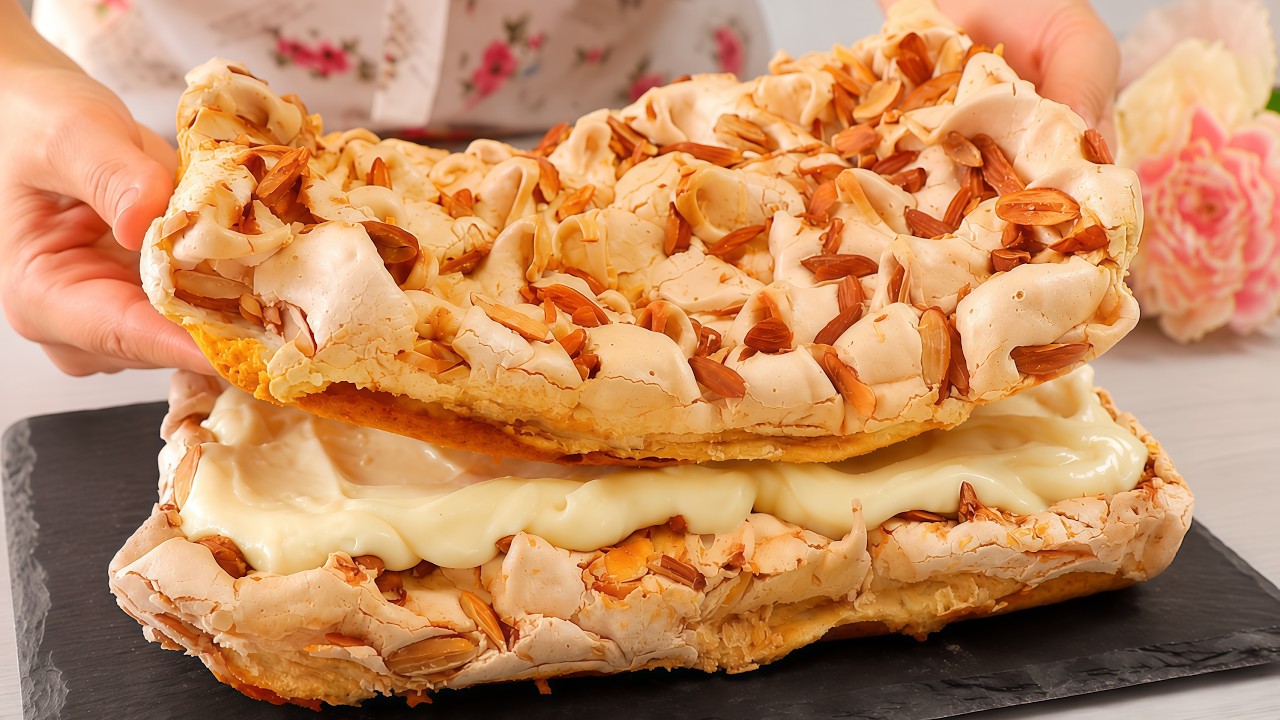
This way, we get a nice golden crust while everything cooks through inside. Look, our fried curd donuts. The pie we already tasted. Look how lovely it is inside. Our perfect syrniki and buns.
62:03
Speaker A
Our task was to make budget meal preps for 10,000 rubles. For a month for two people. I believe we succeeded. What did we make? We made broth. That serves as a base for about eight soups: the sautéed base. Chicken, carrots,
62:18
Speaker A
carrot-onion mix, potatoes, ready-made soup. So, it's quite a fast prep. We made chicken cutlets with mushrooms and cheese. We made sausages, meatballs, and two types of chicken kebabs.
62:35
Speaker A
Marinated thighs, made ravioli with beef and herbs, and made manti. Two types of homemade cutlets. Some with green onions, some more classic. We made beef stew, two portions of Bolognese, and three types of potato croquettes as a side. We made a savory
62:56
Speaker A
pie, lazy cabbage rolls, fish cakes, syrniki, buns, and curd donuts. Off-camera, we also made liver filling and liver crepes. All in all, we ended up with a very diverse menu. And honestly, when you recalculate, with smart transformation and adding
63:19
Speaker A
vegetables, these preps will be enough to feed us comfortably for a month. Obviously, we’re leaving a small, literal gap for some spontaneous planning, in case you decide to suddenly eat something you want to cook fresh on the spot. But that will be
63:36
Speaker A
much less compared to the amount of meal prep we have done together. We have snacks, breakfasts, dinners, and lunches all set. In general, I think it’s a wonderful menu. One thing I haven’t done yet: I have chicken breast left over from the broth, which
63:55
Speaker A
can be saved for soup. In this case, I saved it for soup. You could process it into a rillettes by adding cream cheese and spices. And then you'll have a spread for sandwiches. Also off-camera, there are liver crepes that are
64:10
Speaker A
currently freezing. For these crepes, we had purchased a sufficient amount of milk. Crepes are quite an economical option for breakfast and snacks. But, I think they are loved by us all. You could have made not just liver crepes,
64:25
Speaker A
but, let’s say, a savory liver crepe cake. That would also have been great as a hearty appetizer. And if you froze it in little triangles or pieces, it would also go over really well. I could have increased the amount of sautéed
64:40
Speaker A
carrots and, say, mushrooms with onions , and we would have had fillings for side dishes, like rice or buckwheat.
64:49
Speaker A
So. I mean, this is just stuff you could have added and still managed to fit within that same 10,000 ruble budget. Easily. Well, now let’s take a concrete look at what we’ve ended up with. And I hope you share this
65:03
Speaker A
video and that your meals will be delicious. Let’s gauge our scale. It’s been a long time since we’ve had videos like this. Here we have kebabs, four portions in total. Here are three portions of fish cakes and chicken wings. Here are homemade meat
65:18
Speaker A
patties. Homemade meat patties with green onions. Here are two portions of thighs in different marinades. Here are about thirty sausages. Here is a full container of potato croquettes.
65:32
Speaker A
Meatballs too, there are probably more than 60 here. Ravioli, manti, and lazy cabbage rolls. There are as many as five portions here. A pie that hasn't been packed away yet. Naturally, this is only half the pie, because half the
65:47
Speaker A
pie, the donuts, and the buns were eaten the moment they were baked. So multiply what you see by two.
65:53
Speaker A
Everything that resulted from this. Here we have chicken patties with mushrooms and cheese, beef stew, two portions of Bolognese, mini-manti for the baby, and syrniki that haven't been packed yet. And here, off-camera, are the liver crepes, the broth, and the
66:12
Speaker A
chicken fillet. I believe that for 10,000 rubles. It's like this. If we take the overall picture, we have managed to put together a fairly substantial freezer stash.
Topics:meal prepbudget cookinghealthy mealsmeal planningcheap recipesRussian cookingmonthly grocery budgetmeal prep ideascooking tipsfood budgeting

Get More with the SozAI App

Transcribe recordings, audio files, and YouTube videos — with AI summaries and speaker detection. 30 minutes free.

Or transcribe another YouTube video here →