Learn how to identify and use wicks in technical analysis for better trade entries and market understanding.
Key Takeaways
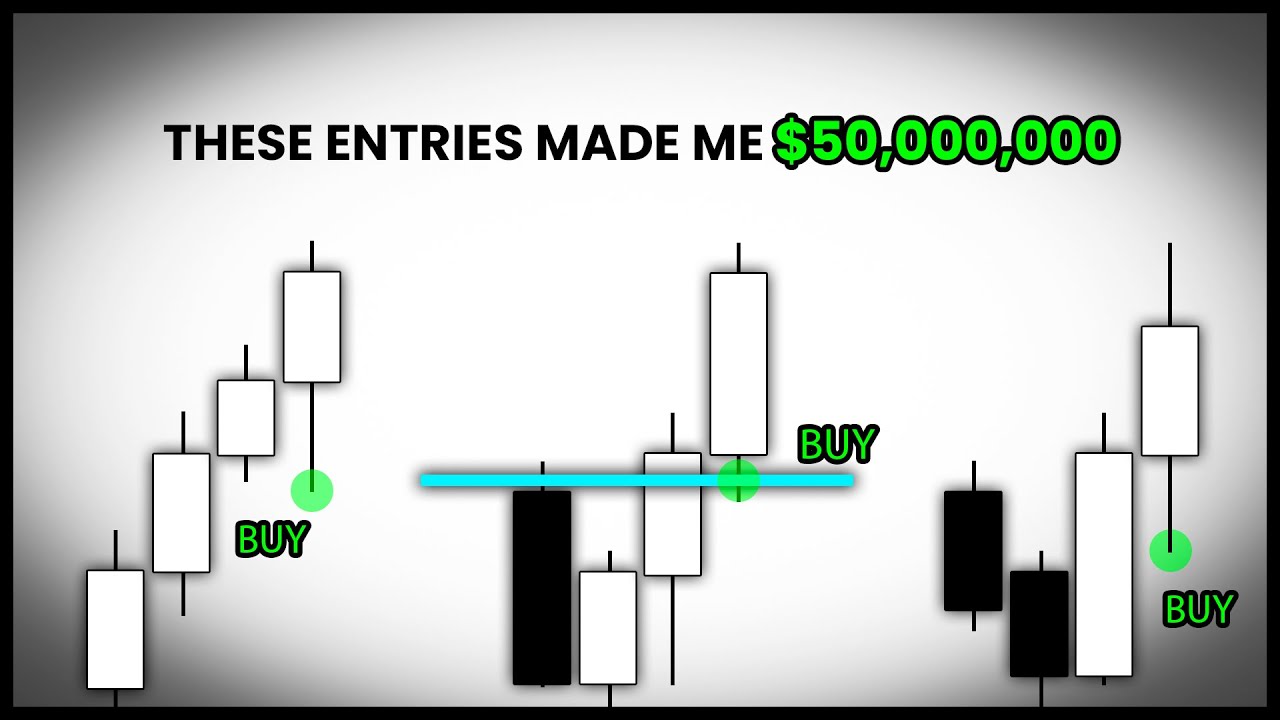
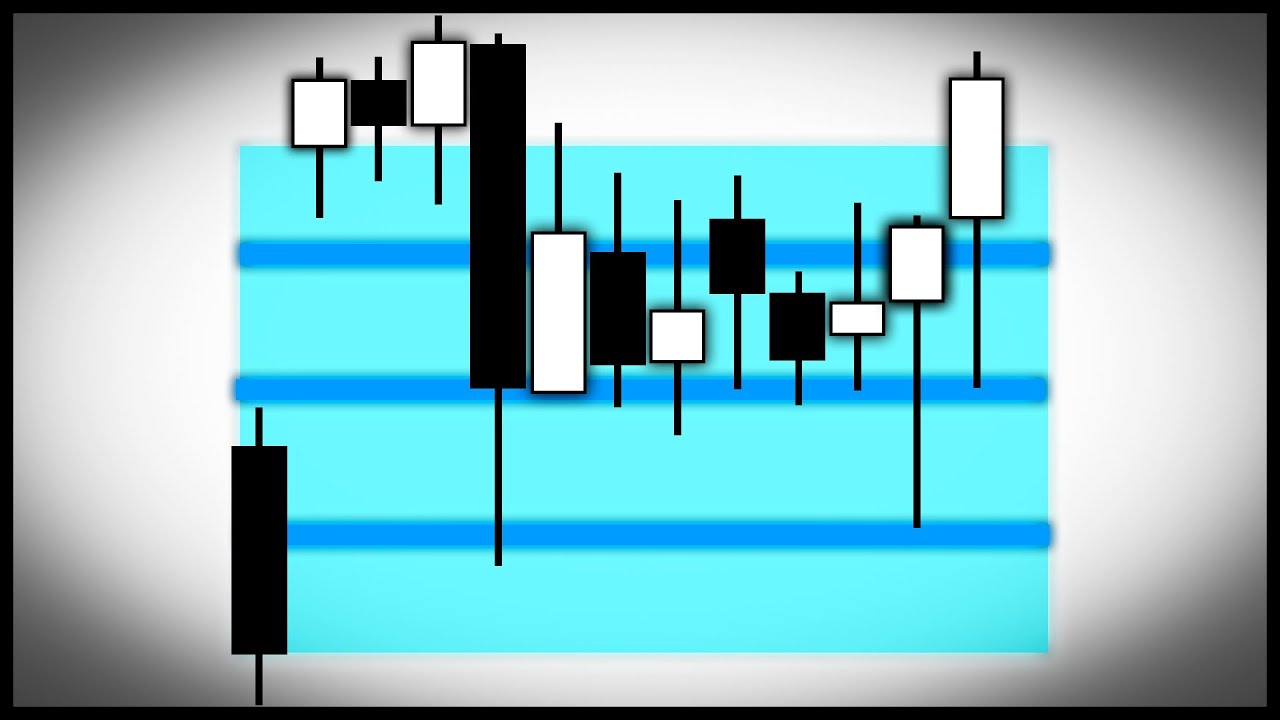
- Treat every wick like a fair value gap for technical analysis.
- Focus on big wicks relative to surrounding smaller wicks for trade signals.
- Identify wicks that hold price action multiple times before breakout for stronger setups.
- Breakout and inversion wicks can be used as entry points with tight stop-losses.
- Filtering wicks based on size and price behavior improves trading accuracy.
Summary
- Wicks on candlesticks are fundamental in technical analysis and should be treated like fair value gaps.
- Each candlestick has two wicks, but traders need to filter which wicks are useful for analysis.
- Big wicks are defined relative to surrounding smaller wicks and are more significant for trading decisions.
- Wicks that 'hold the move' by supporting price multiple times before a breakout are more reliable.
- Wicks can act as inversion or breakout points, providing potential entry signals.
- The video explains criteria to identify which wicks are important based on size and price action.
- Breakout wicks often serve as common entry points in the market.
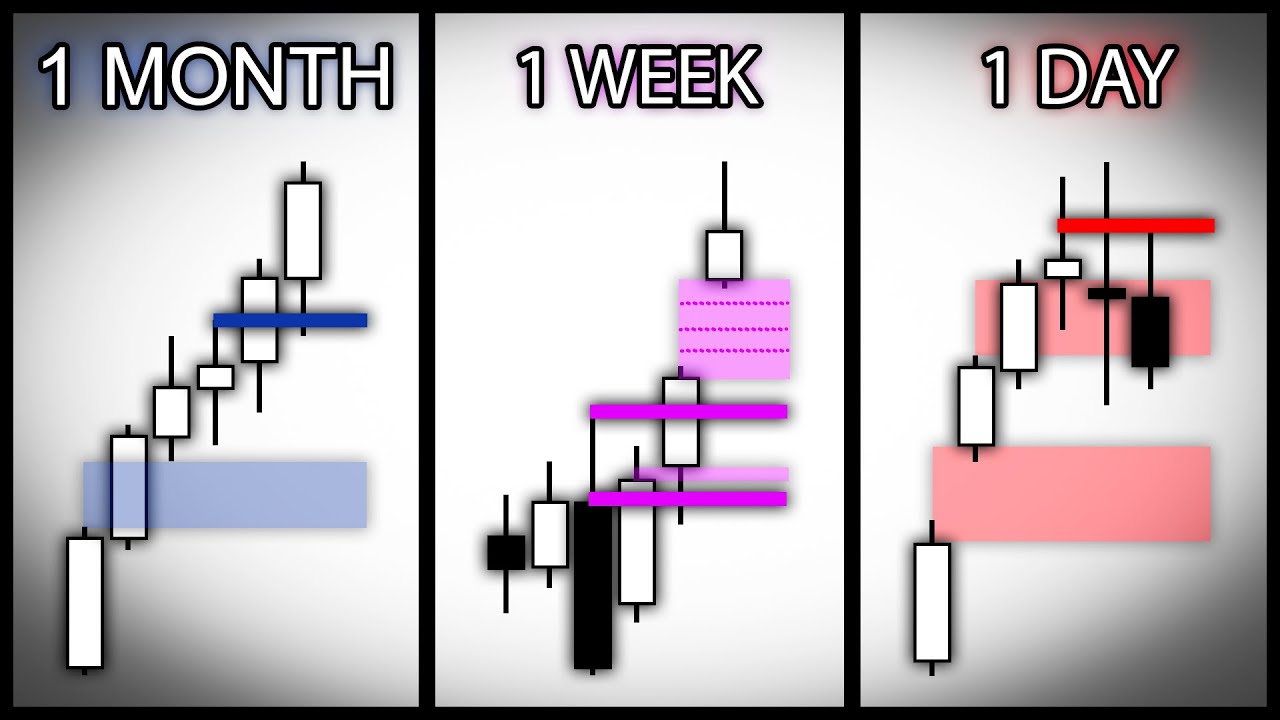
- The concept of wicks is linked to higher timeframe levels but is introduced gradually.
- Using wicks properly can allow for tighter stop-loss placement and better risk management.
- The video is part of a boot camp series that builds on prior concepts like fair value gaps.
Chapters
- 00:00Introduction to Wicks in Technical Analysis
- 00:39Relation Between Wicks and Fair Value Gaps
- 01:51Treating Wicks Like Fair Value Gaps
- 03:06Using Wicks as Inversion and Breakout Points
- 04:04Criteria for Filtering Useful Wicks
- 04:38Examples of Big Wicks and Their Significance
- 05:40Breakout Wicks as Entry Points
- 06:37Secondary Criteria: Wicks That Hold Price Moves
- 07:19Summary and Practical Use of Wicks in Trading