Learn the exclusive PDR trading concept by WYLD | Will to gain bias and improve trading success using projected defined ranges.
Key Takeaways
- PDRs provide a structured way to anticipate price movement between key levels.
- Correctly marking high time frame levels is essential for PDR effectiveness.
- PDR levels act as stair steps where holding a level suggests upward movement, losing it suggests downward movement.
- The halfway PDR level is a pivotal point for determining price direction.
- PDRs can be used across different market structures like order blocks and gaps to improve trade entries and exits.
Summary
- Projected Defined Ranges (PDRs) are a unique and powerful trading tool developed by WYLD | Will.
- PDRs help traders gain directional bias by analyzing price movement between two high time frame levels.
- The concept relies on correctly marking high time frame levels as a foundation.
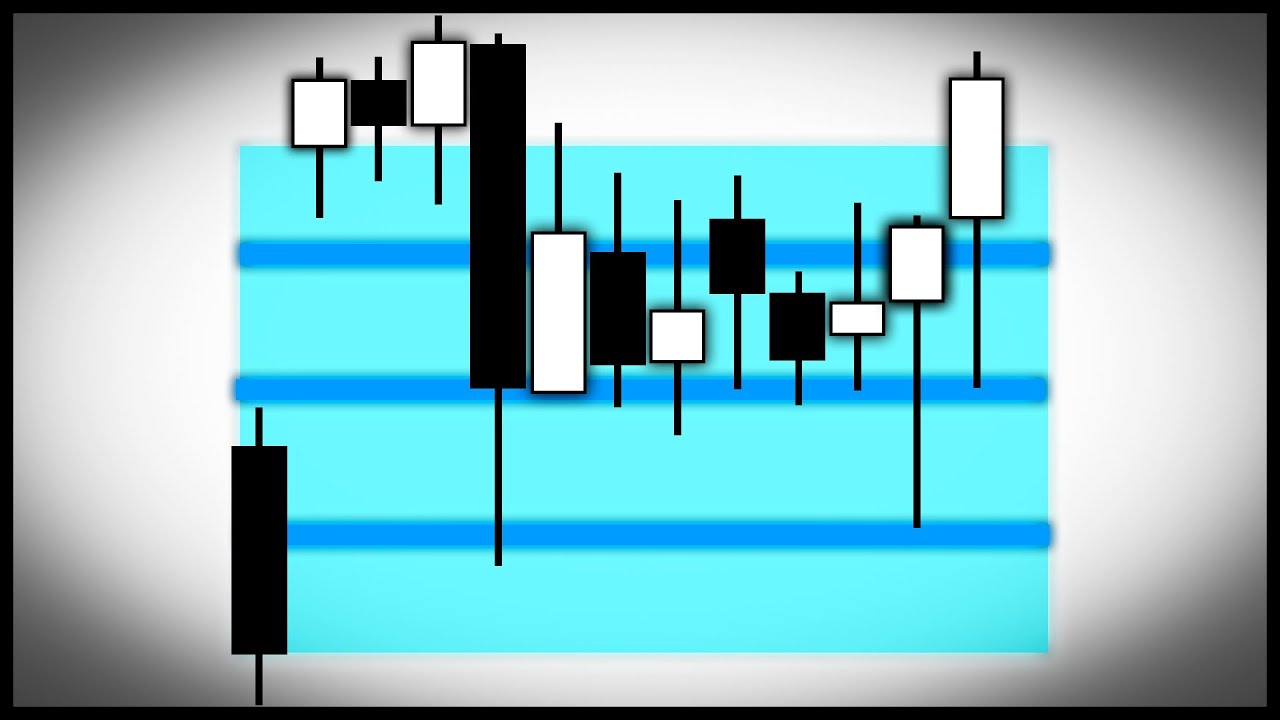
- Using Fibonacci tools between two levels creates intermediate PDR levels that act like stair steps for price action.
- Holding or losing these PDR levels indicates likely price movement to the next level up or down.
- The halfway point in a PDR is a critical level that often signals continuation or reversal of price.
- PDRs can be applied to various scenarios including order blocks, gaps, and spaces between levels.
- Lower time frame traders can capitalize on large moves by identifying PDR expansions from higher time frames.
- The video is part of a broader trading boot camp series, and viewers are encouraged to join a free Discord community for support.
- Understanding PDR theory is essential before applying it practically for trading success.
Chapters
- 00:00Introduction to Projected Defined Ranges (PDRs)
- 01:17Joining the Free Discord Community
- 02:44Basic Concept of PDRs Between Two Levels
- 04:15Scenarios of Holding or Losing PDR Levels
- 05:47Importance of the Halfway PDR Level
- 07:27Using PDRs on Lower Time Frames for Large Moves
- 09:27Understanding PDR Stair Step Structure
- 09:54Theoretical Navigation Through PDRs
- 14:54Real World Use Cases: Order Blocks and Gaps
- 21:28Applying PDRs to High Time Frame Gaps and Volume Imbalances