My Exact Entry Techniques That Made Me Millions — Transcript

Learn Will's exact trading entry techniques and stop-loss placements that helped him make millions, including fair value gaps and inversion entries.

Key Takeaways

  • Stop-loss placement is crucial and varies depending on entry type and risk tolerance.
  • Fair value gaps provide multiple entry opportunities with different risk-reward profiles.
  • Inversion fair value gaps require careful stop-loss placement above or below key candles.
  • Joining a community like Will's Discord can provide additional support and live market insights.
  • Understanding these entry techniques is foundational before learning the full trading model.

Summary

  • The video covers all entry methods and stop-loss placements used by Will in his trading strategy.
  • It is part of a free trading boot camp series on YouTube, but also works as a standalone tutorial.
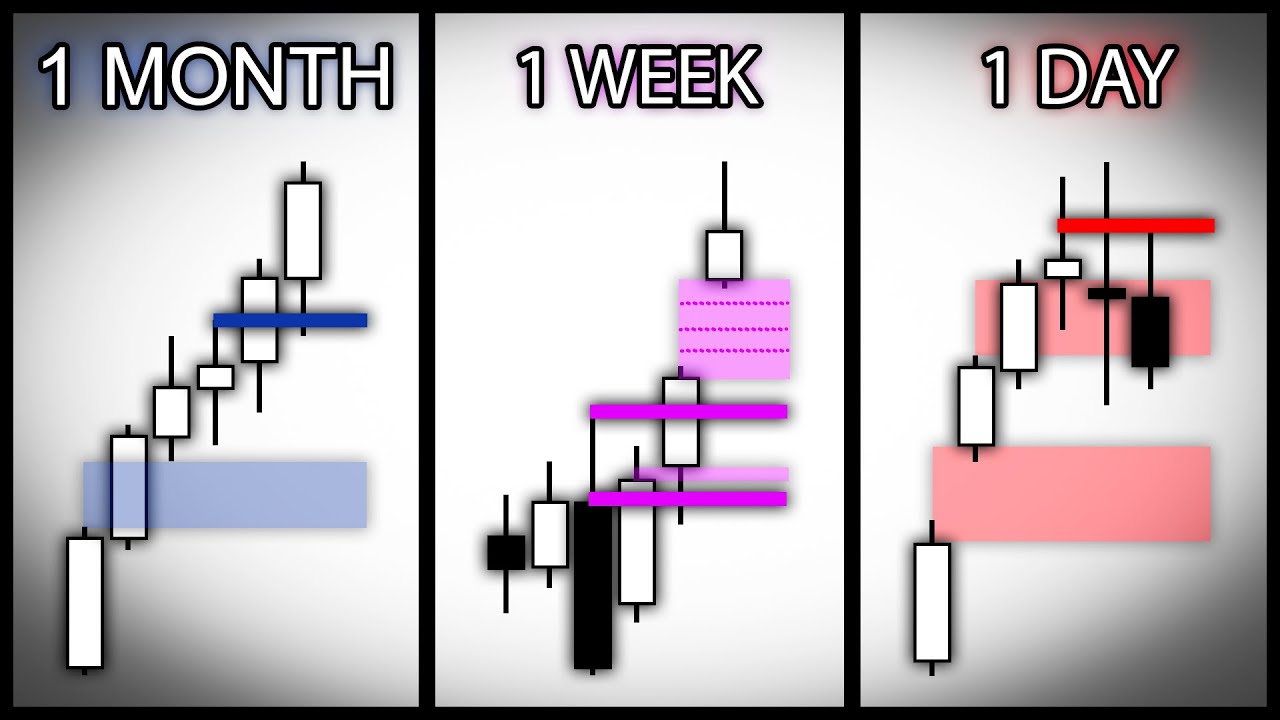
  • Will explains how to mark high time frame levels and use projected defined ranges (PDRs).
  • Detailed explanation of fair value gap entries, including three stop-loss placement options.
  • Common entry methods include entering after a wick passes through the fair value gap and closes back above or below it.
  • Inversion fair value gap entries are discussed with stop-loss placement strategies.
  • Aggressive intra-candle entries are explained for traders with high conviction on fair value gap inversion.
  • Will promotes joining his free Discord community for daily pre-market levels, live trading calls, and Q&A.
  • Additional entry types such as wick entries, volume imbalances, and overlaps are briefly mentioned.
  • The video prepares viewers for upcoming videos that will reveal Will's full trading model.

Full Transcript — Download SRT & Markdown

00:00
Speaker A
Today, we are going to be going over every single last entry that I use while I'm trading and stop-loss placements for every single possible entry that I use while I'm trading. So, this video is part of the trading boot camp that I
00:13
Speaker A
have going on on YouTube, the completely free telling people everything I know on YouTube for free. And by this point, you should know how I mark my high time frame levels. You should know what type of levels that I use. You should know
00:24
Speaker A
how to use projected defined ranges or PDRs. You should know about AT, uh, on the intraday and on the high time frame, and you should be overall starting to get a feeling of how I'm trading if you, if you
00:35
Speaker A
haven't watched the previous videos in the boot camp. Uh, you could still watch this video. This video will work as a standalone video, but I would implore you to go watch those. So, like I said, today we're going to be going over every
00:46
Speaker A
entry method I use in stop-loss placements. This is going to lead us into how I trail stops, which is going to lead us into my actual trading model.
00:54
Speaker A
So, we're only two videos away from my actual full-blown trading model, but we need to know this stuff first. You need to know how to take entries. So, that's what we're going to be doing today. Now, before we get into that, go ahead and
01:05
Speaker A
join the Discord. It's a completely free community. I give my levels pre-market every single morning. Active in the question channel. I'm active in the channels. If you're asking questions, I'm going to answer you. I will talk to you. Uh, we have giveaways going on. Like
01:19
Speaker A
right now, I'm giving away a month of live trading where you could come and join me in a live trading call if you want to. But yeah, it's completely free.
01:26
Speaker A
It's a whole community answering questions here, giving my levels away, giving big breakdowns on the week. This is where you're going to get notifications for when I go live on YouTube, when I upload videos, and everything like that, too. So again,
01:39
Speaker A
just join the Discord. No reason you wouldn't. It's a, it's literally a free community. It's just free game. I'm just giving away free game. So join the Discord in the description. Let's get into entries. All righty. We're going to
01:50
Speaker A
start with fair value gap entries. I will preface this is my least common taken type of trade, but I do take them quite often because I take a lot of trades. So, even my least common type of position, I do take quite a bit. So,
02:02
Speaker A
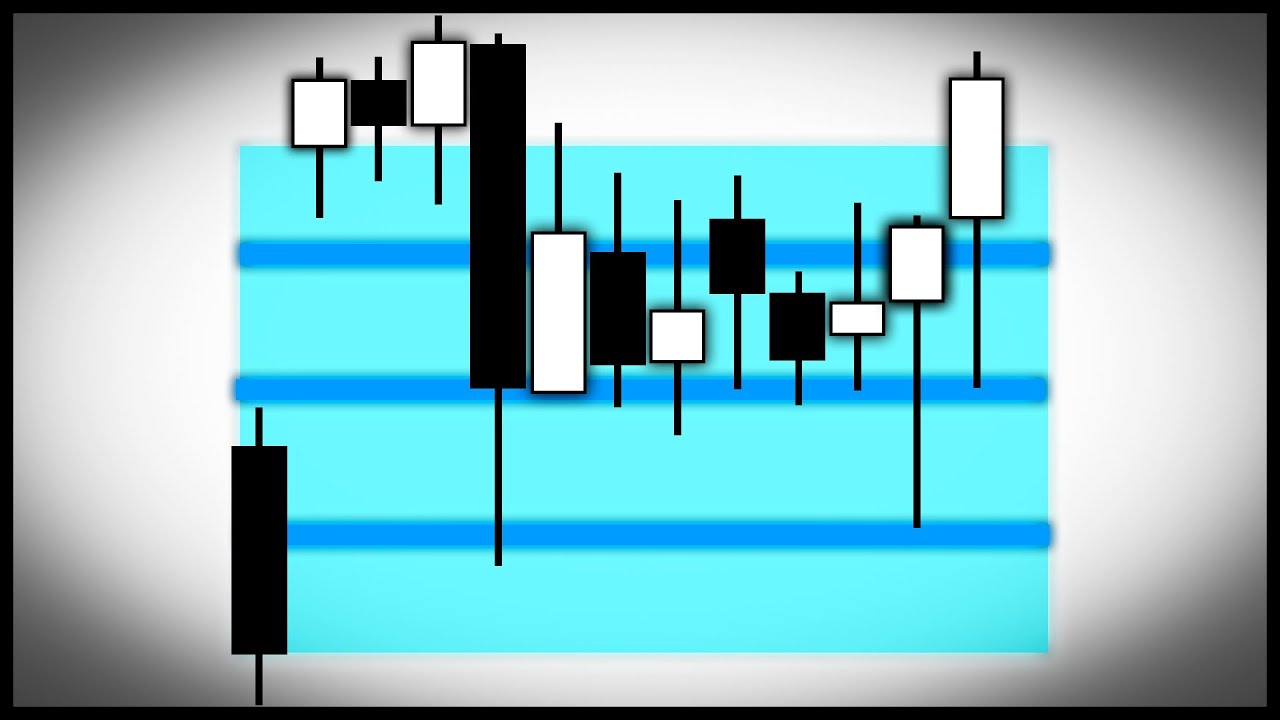
there's quite a couple ways that you could enter off fair value gaps. The first and the simplest is just right off the top. So, price comes into it, you enter right here, right on the top of the fair value gap. And when you enter a
02:15
Speaker A
fair value gap like that, your stop loss could go one of three places. First and foremost, the safest place for your stop loss to go when you enter a fair value gap like this is below the first candle
02:26
Speaker A
in that fair value gap. So we have one, two, three fair value gap candles. The safest spot for your stop loss to go is right underneath the first candle for the fair value gaps. The next spot that your stop
02:38
Speaker A
loss could go when you enter a position like this on a fair value gap is right underneath the middle candle. Your stop loss could go right underneath the middle candle if you enter right here.
02:48
Speaker A
That is the next most aggressive way that you could use a stop loss on a fair value gap entry like this.
02:55
Speaker A
And the most aggressive stop-loss that you could use for a fair value gap entry like this is going to be right underneath the fair value gap wick. So you would place your stop loss right here. So this could be useful in
03:07
Speaker A
situations where imagine this wick was huge and you didn't want to put your stop loss all the way down here. You could put it underneath the wick of the fair value gap. So if you entered right here, your stop loss could go right
03:19
Speaker A
underneath that wick. So those are the three places that you could place a stop loss when you enter a fair value gap like this. And by the way, that goes for if you enter on the first touch of
03:29
Speaker A
anything, right? Like if you enter on the first touch of the 75% level or the 50% level, all those stop-loss placements are going to be exactly the same on any level in the fair value gap that you enter. They're all going to be
03:40
Speaker A
these very basic type of fair value gap entries. So the second way to enter fair value gaps here is the most common way that I enter fair value gaps if I even am going to be entering a fair value
03:51
Speaker A
gap. And that is if a candle wicks all the way through the fair value gap like this and then closes back over top of it. Any sort of retest in this candle you could take. Oftentimes that gets
04:02
Speaker A
into the halfway level of the fair value gap. So entering right here after one candle wicks all the way through and closes back above can be a great entry because if you enter right here instead of putting your stop loss here or here,
04:15
Speaker A
you have exactly one place for your stop-loss position which is directly underneath the candle that wick through the entire fair value gap. The reason that something like this is a little bit nicer than what we had before is because
04:28
Speaker A
now if price goes up, your risk-reward is quite a lot higher. Same thing applies in this next candle here. Price pushes down to the halfway percent right here in this candle. It closes back above the whole fair value gap. You could enter
04:42
Speaker A
right on the edge of the fair value gap here with a stop loss right underneath the prior candle. Or if you're feeling a little bit like you want to be a little bit safer, you can put your stop loss
04:51
Speaker A
right underneath the overall low, the candle wick that wicked all the way through the fair value gap. So that's the second way here to enter on fair value gaps. So the next ways to enter fair value gaps are on inversion fair
05:02
Speaker A
value gaps and it's really, really similar. So the first way that you could enter inversion of fair value gap is either entering right on the first test of the inversion fair value gap. In a case like this, for your stop loss,
05:13
Speaker A
you're going to look towards the wick that closed underneath the fair value gap and turned inversion in the first place. And that's the candle you're going to put your stop loss above.
05:22
Speaker A
Pretty big stop loss, but this is again the least aggressive way that you could enter a fair value gap. Let's say that this was the swing high candle. You could also put your stop loss above the swing high as well. So, this is the
05:31
Speaker A
least aggressive way to enter inversion fair value gaps. And again, this is the same if you enter on the edge or if you enter on the halfway point or if you enter anywhere in the inversion fair value gap, you can put your stop loss
05:42
Speaker A
right above the candle that actually closed underneath the fair value gap as your entry. Now, the same type of wick-through entries apply as well. Right? If the first candle wicks through the entire inversion fair value gap, you can
05:53
Speaker A
enter on the next one at the 0.5 level or on the edge and put your stop loss right above the candle that wicked through the entire fair value gap. That is totally fine as well. And then this next one is quite an aggressive way to
06:06
Speaker A
enter off of fair value gaps. Let's say that you have a really high degree of conviction that this fair value gap is going to turn inversion.
06:18
Speaker A
While this candle is pushing lower, if it takes back up into the high of that fair value gap before the candle closes, you could enter intra-candle right here with a stop-loss above that current candle's high, looking for this candle
06:35
Speaker A
to be the candle that expands lower. Same thing with any levels in between. If this is pushing down and it goes through the halfway percent, let's say it holds above the 75%, what do we know from PDRs? This comes back up into the
06:48
Speaker A
50%. If you're expecting this fair value gap to turn inversion, this could be an entry for you to go short right on that halfway percent with a stop loss above the current candle's high right here, expecting this to turn inversion like
07:03
Speaker A
so. And this is very useful because sometimes price turns a fair value gap inve...
07:16
Speaker A
this for a really long time. I think when you're starting out, you should be taking less aggressive entries and trying to play for less riskreward. But as you get further and further along, you're going to be able to take more
07:25
Speaker A
aggressive entries. And in this video, I'm going to show you all the aggressive entries as well. So, that's it for fair value gap type of entries. Let's move on to order block entries. So, now we're on to order block entries. for this first
07:40
Speaker A
very basic type of order block entry. I want you to understand I never take this type of entry ever. You will never see me take this type of entry, but it is a way to enter off of order blocks. And if
07:51
Speaker A
you're swing trading or trading with bigger stop- losses than me, this could be a viable option for you. And that is basically just waiting for price to leave the area of the order block a decent ways and then coming right back
08:04
Speaker A
down into it right back into the high or the open in price or the mean threshold.
08:09
Speaker A
And if you enter on any one of these after letting price move away and you're entering on a pullback, your stop loss goes in exactly one place and one place only and that is underneath the order block candle or if a wick goes lower
08:23
Speaker A
than the order block candle underneath the actual swing low. That's the only place your stop loss could go if you're entering a position on an order block like this. Now, still quite an uncommon, but a little bit more common entry for
08:36
Speaker A
me is entering an order block like so. So, price comes down into the mean threshold of the order block. At that point, if it closes back above the high of the order block right here, you can enter on a retest of the high of the
08:48
Speaker A
order block or the opening of the order block. If you enter in this range right here after price tests into the mean threshold and after price closes back above the order block right here uh right here I mean your stop loss goes in
09:03
Speaker A
one exactly one your stop loss goes in exactly one spot. You enter here or here your stop loss goes right underneath the candle that tested the mean threshold at that order block. So your stop loss would go right there. If you want to be
09:16
Speaker A
a little bit safer, you could always still just place your stop loss underneath here. But at this point, there's no real reason why you wouldn't just put your stop loss right underneath that wick. All righty. Here's where we
09:28
Speaker A
start getting in a little bit more novel or unique ways to enter off of an order block. Let's say that you're coming off of a high time frame level, right? Let's say that price tested into a high time
09:36
Speaker A
frame level right here and you're starting to trend lower. Well, if price wants to push higher and gain this order block, it needs to trade above this high. So, what do we know from PDRs?
09:46
Speaker A
Well, if we open and we hold underneath the halfway point, that means that this order block gaining is likely failing and we're probably going to push lower.
09:54
Speaker A
So, if you don't want an order block to gain and you're in a trending market, you could enter off the halfway point of the order block before it's ever gained and in the opposite direction. So, this is a bullish order block. You could
10:08
Speaker A
short off that halfway point if you think that this order block will not gain. Looking for a move to continue lower like so. And if you take a trade like this, your stop loss goes exactly one spot. Where would invalidation be on
10:22
Speaker A
this position? It would be well if if your idea is wrong in the order block gains. So your stop loss would go right above this candle's wick in this position. Now, this could also show up in a way that looks a little bit like
10:34
Speaker A
this, where the first candle doesn't trade underneath the order block to gain low. It wicks above the high and then it gets rejected all the way back down and closes back underneath the mean threshold. At this point, the same thing
10:45
Speaker A
could happen where you reject off the mean threshold of this candle. You could go short right here. If you do, your stop loss goes right above the candle wick that wicked and gained the order block. So, you could short here, stop
10:55
Speaker A
loss right above here, and uh try to catch this run lower. Now, this also goes the other way. Imagine you just traded into some form of high time frame level down here, okay? And price is pushing up. If you believe that price is
11:08
Speaker A
going to move up off this, this is the order block that you need to gain. As price moves above that mean threshold, if you see it tick back down at all, or if it opens a new candle and uh pushes
11:20
Speaker A
down into this, you could enter on the mean threshold of the order block before it's gained long. So, you could enter on that tick down. And in this case, you can put your stop loss right underneath the candle that's getting above the mean
11:34
Speaker A
threshold, or you can put your stop loss underneath the actual order block. Most often, you'll see me put my stop loss here. That's because I'm optimizing for risk-to-reward. You should probably put your stop loss here if you're going to
11:44
Speaker A
enter a trade that looks like this. So, it could also present itself like this.
11:49
Speaker A
So, imagine you have a scenario that looks like this. You trade into a level, you think the market's going to go higher. price action trades into the mean threshold of that order block and then gains the order block at this
12:02
Speaker A
point. If it comes back down into the order block, which would be right here, you can pick it up long at that price and you can put your stop loss underneath the candle that tested into the main threshold underneath this
12:14
Speaker A
candle or underneath this candle. Uh, every single spot lower you place your stop loss, the safer it becomes. You'll often see me using this stop-loss in this type of entry. So, another way to enter a order block here is a fair value
12:30
Speaker A
gap creation. So, what I mean by that is you enter on the opening price or the high of the order block like you would normally do, but your stop loss is a little bit different. In this case, your
12:40
Speaker A
stop loss is the high uh one tick underneath this wick. So the reason you could get away with putting your stop loss here if you enter here is if and only if you think that a fair value gap
12:52
Speaker A
should be created. So a fair value gap gets created if this little gap is left open. If price trades down to here, no fair value gap exists. You do something called a meter rebalance, which we'll talk about in the reading price action
13:03
Speaker A
videos. Um and that's where you would be stopped out if you take this. This is one of the most aggressive ways to take an order block. But if you're very confident that a fair value gap should be created, this
13:13
Speaker A
could lead to the biggest risk-to-reward. Imagine you have a chart example that looks like this. You enter right here. Your stop loss is one tick underneath here. And even up even if price just trades up to here, you're up
13:24
Speaker A
like $10 in this position. So this can net huge riskreward for again just not too much risk. And it is a highly aggressive way to enter. We'll be talking about when do I actually apply these different entry techniques in the
13:37
Speaker A
video that I go over my actual trading model. Um the trade location is the most important part. However, as you can see, this is the last entry that we're going to be talking about when it comes to order blocks. Now,
13:50
Speaker A
let's get on to uh wick entries. All righty. So the first type of wick entry is the simplest type which is let's say you just traded into some sort of high time frame level or you have a reason to
14:01
Speaker A
believe that this candle will be the low. You think that the market's going to go higher. Market prints a wick like this. Put simply, you just enter on the half of the wick right here and you put your stop loss right underneath the low
14:14
Speaker A
of the wick. That's it. That's how you enter a wick long. Now, everything still applies like it did before where if the candle pushes down and it trades to the lower level inside the wick, you could enter off the halfway point of the wick
14:25
Speaker A
with a stop loss right underneath here. That's something that you could also do with wicks. Basically, everything you could do with fair value gaps, you could do with wicks. We're still going to go over all these examples, though. All
14:35
Speaker A
righty. So, the next type of wick entries, let's say you turn a wick inversion, which you do when you close underneath it right here. You could enter uh right on the edge of that wick if you want. Typically, I'm only doing
14:45
Speaker A
this with really small wicks. And in that case, you're going to put your stop loss one tick above the actual wick. So, it's going to go right here. Uh, generally what I'm doing when I enter wicks like this though on inversion.
14:57
Speaker A
Okay. Generally, what I'm doing with inversion wicks, if I want to enter an inversion wick, is I'm going to be entering the halfway point right there.
15:04
Speaker A
So, I'll be entering right here as price comes up into this level with a stop loss right above the wick, one tick above the wick. And now something that you'll see a lot out of me is I will And
15:17
Speaker A
now something that you'll see a lot out of me is I will predict that this wick will turn inversion and as it's coming down, if it ticks back up into that halfway level at all, I'll take a short
15:29
Speaker A
right there. Okay? And if you enter on this wick at all, if it's meant to be an inversion wick, if you enter on it at all, you're going to put your stop loss one tick above the actual wick level
15:40
Speaker A
itself. And that way sometimes if price never comes back to the wick, you could be involved right there. Okay. And that's pretty much it for wick entries.
15:50
Speaker A
Um, obviously all these entries are going to be the same on the other side of the chart. Just go to the other side of the chart, right? I'm showing primarily bullish uh ways to enter and be uh bullish inversion ways to enter.
16:02
Speaker A
But if you want to enter on a short or a bearish way, just flip the chart and uh do it on the other side. So now let's get into volume imbalances and overlap type of entries. All right, now we're
16:14
Speaker A
going to be talking about volume imbalances and overlap levels. Uh these are really similar to fair value gaps.
16:20
Speaker A
All principles of fair value gaps apply here. Every single principle of a fair value gap applies here. The only thing that's different is a stop-loss placement. So if you enter on a volume imbalance, your stop loss goes underneath the wick of the second
16:34
Speaker A
candle. If this was an overlap, your stop loss would go in the exact same spot. Uh the same exact types of entries can apply where if you wick all the way through, you could enter here with a stop loss here, for example. And o
16:45
Speaker A
overlaps are exactly the same. So I'm just going to show volume imbalances and overlaps and the same exact thing. If uh the volume of balance or overlap turns inversion, your stop loss is going to go above the candle that closes that
16:58
Speaker A
inversion. So, let's say that price looked a little bit more like this and you wanted to enter on a retest right here. Uh, your stop loss would go right above the candle that turned inversion.
17:08
Speaker A
Or if you wick all the way through and you enter right here, your stop loss would go above this candle. So, extremely similar to fair value gaps, extremely similar uh to overlaps and volume imbalances. They're all the same,
17:18
Speaker A
but we had to go over it as well. So, that's it for volume imbalances and overlaps. Now, let's talk about high time frame level retests.
17:26
Speaker A
All righty. Okay, so now we're talking about high time frame level retests. This is by far and away my most common type of entry that I take every single day. Um, first and foremost, if you're crushing higher and you close above a
17:38
Speaker A
level, uh, high time frame level, and you think the market's going to keep going, you could literally just enter right on the retest right here. Uh, don't do something where it's after a couple candles. Your probabilities go dramatically down in that case. You want
17:53
Speaker A
to do it directly the candle after it closes. If you're going to enter like this, if you do enter like this, this should only be in aggressively trending markets. Um, and a stop loss for this position is going to be one of two
18:05
Speaker A
places. First and foremost, it's going to go below prior candles low, or it's going to go one tick below here, so that you could create a fair value gap. High time frame level retests often create a fair value gap in the market. Or you
18:18
Speaker A
could look for something in the past that's internal like this wick that got closed over and you could throw your stop loss right underneath this level.
18:25
Speaker A
This is the most common type of stop loss that I use when I look at high time frame level retests. Righty. So if you are going to wait a couple candles before the market comes back down and retests it, you're going to want to do
18:36
Speaker A
it like this where you wait for price to trade into that level. A lot of times these are going to be monthly levels or daily levels or weekly levels. Honestly, almost exclusively if you follow the way that I do things. And if the one minute
18:48
Speaker A
pierces through them a little bit, you could enter on the next candlestick right here with a stop-loss right underneath the test of that high time frame level. Just like fair value gaps and other things, if price action falls
18:59
Speaker A
down like so and then intracandle gets above the high time frame level and then ticks down into it and flips, you could have been involved on that intra candle tick into the level right here with a stop-loss underneath the low of the
19:15
Speaker A
wick. And this is typically how I get my biggest riskreward trades are taking high time frame level retests that look something like this. And there we go.
19:25
Speaker A
That's uh more or less all the ways that I'm utilizing uh these levels to enter.
19:32
Speaker A
That's all the places for my stop losses. I'm sure I missed a couple pretty niche scenarios, but we're going to be going over a lot of examples of my model. We're going to be going over a lot of examples of price action and
19:44
Speaker A
everything in the future. Um again, join the Discord. We're very close to a big point in this boot camp, which is going to be talking about my full trading model, how to put everything together.
19:54
Speaker A
The next video is going to be on trailing stop- losses, which is uh to be honest, one of the most critical parts of my trading. So, log in, subscribe to the channel so you get notified, join the Discord in the description if you
20:04
Speaker A
have absolutely any questions about this video, and I'll make sure to respond. And yeah, hopefully this uh this helps
Topics:trading entriesstop-loss placementfair value gapinversion fair value gaptrading strategyrisk managementprojected defined rangesPDRtrading boot campWill WYLD

Frequently Asked Questions

What are the safest stop-loss placements for fair value gap entries?

The safest stop-loss placement is below the first candle in the fair value gap, with more aggressive options below the middle candle or the wick of the fair value gap.

How does Will suggest entering inversion fair value gaps?

Will suggests entering on the first test of the inversion fair value gap with a stop loss above the candle that closed underneath the gap, or entering after a wick passes through and closes back above or below.

What benefits does joining Will's Discord community offer?

Joining the Discord provides free pre-market levels, live trading calls, active Q&A support, giveaways, and notifications for live streams and new videos.

Get More with the Söz AI App

Transcribe recordings, audio files, and YouTube videos — with AI summaries, speaker detection, and unlimited transcriptions.

Or transcribe another YouTube video here →