Volume Imbalances & Overlaps Explained — Transcript

Learn how to identify and use volume imbalances and overlaps in trading to improve technical analysis and market entry strategies.

Key Takeaways

  • Volume imbalances and overlaps are crucial for understanding price action and market structure.
  • Volume imbalances involve gaps between candle bodies; overlaps involve overlapping candle bodies.
  • Volume imbalances attached to fair value gaps are marked together, unlike overlaps.
  • These levels can act as support or resistance and may turn inversion after being closed.
  • Proper identification and selection of these levels improve trading decisions.

Summary

  • The video explains volume imbalances and overlaps as key components of a trading strategy.
  • Volume imbalances occur when there is a gap between candle bodies, while overlaps happen when candle bodies overlap.
  • Both volume imbalances and overlaps share similar properties with fair value gaps and wicks.
  • Bullish and bearish scenarios for volume imbalances and overlaps are discussed with chart examples.
  • Volume imbalances connected to fair value gaps should be marked together, unlike overlaps.
  • The video emphasizes identifying these levels before learning how to pick the most relevant ones in upcoming videos.
  • Volume imbalances and overlaps can act as support or resistance levels depending on market trends.
  • The concept of 'turn inversion' is introduced, where these levels reverse their role after being closed over.
  • The presenter encourages joining a Discord community for questions instead of commenting on the video.
  • Future videos will cover how to select the correct volume imbalance and overlap levels for daily trading.

Full Transcript — Download SRT & Markdown

00:00
Speaker A
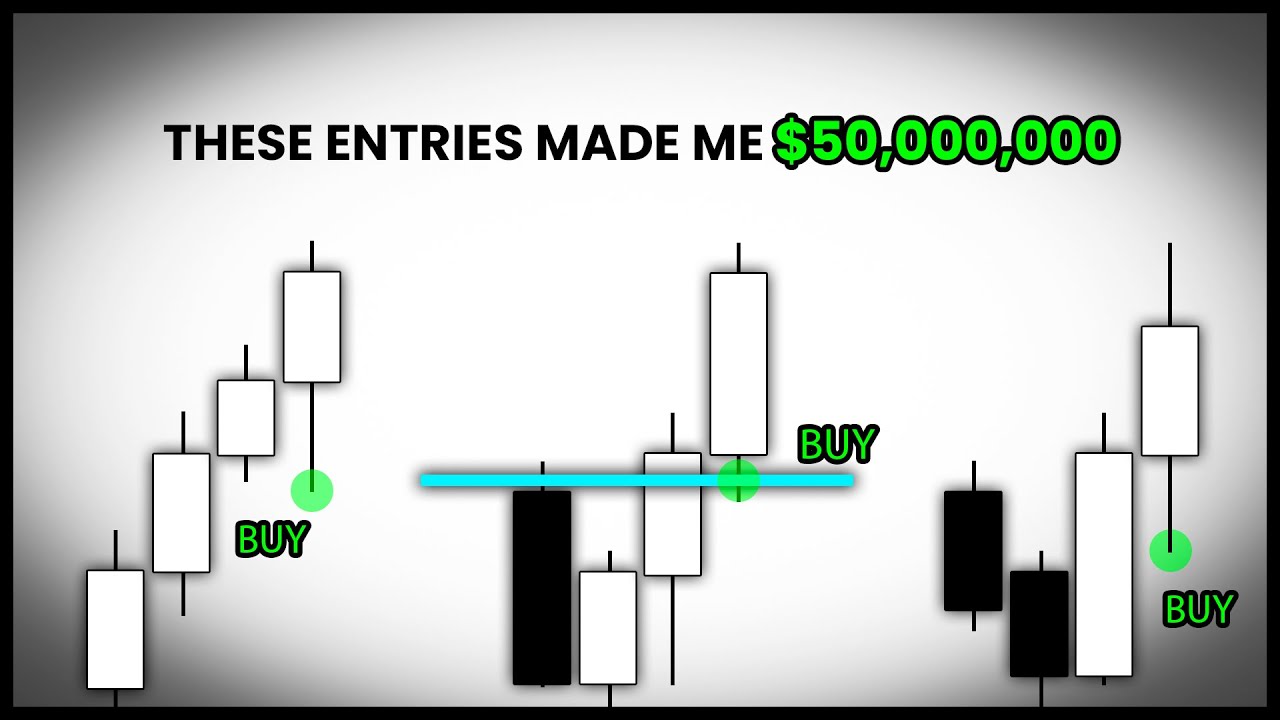
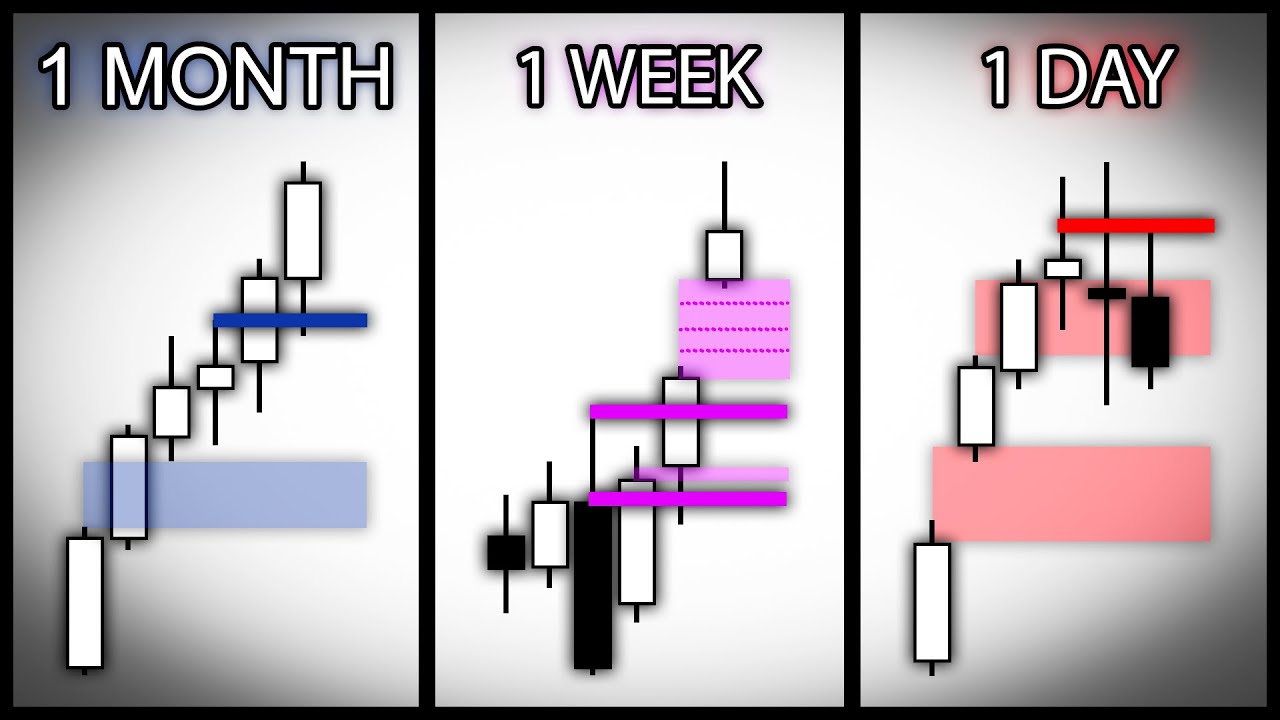
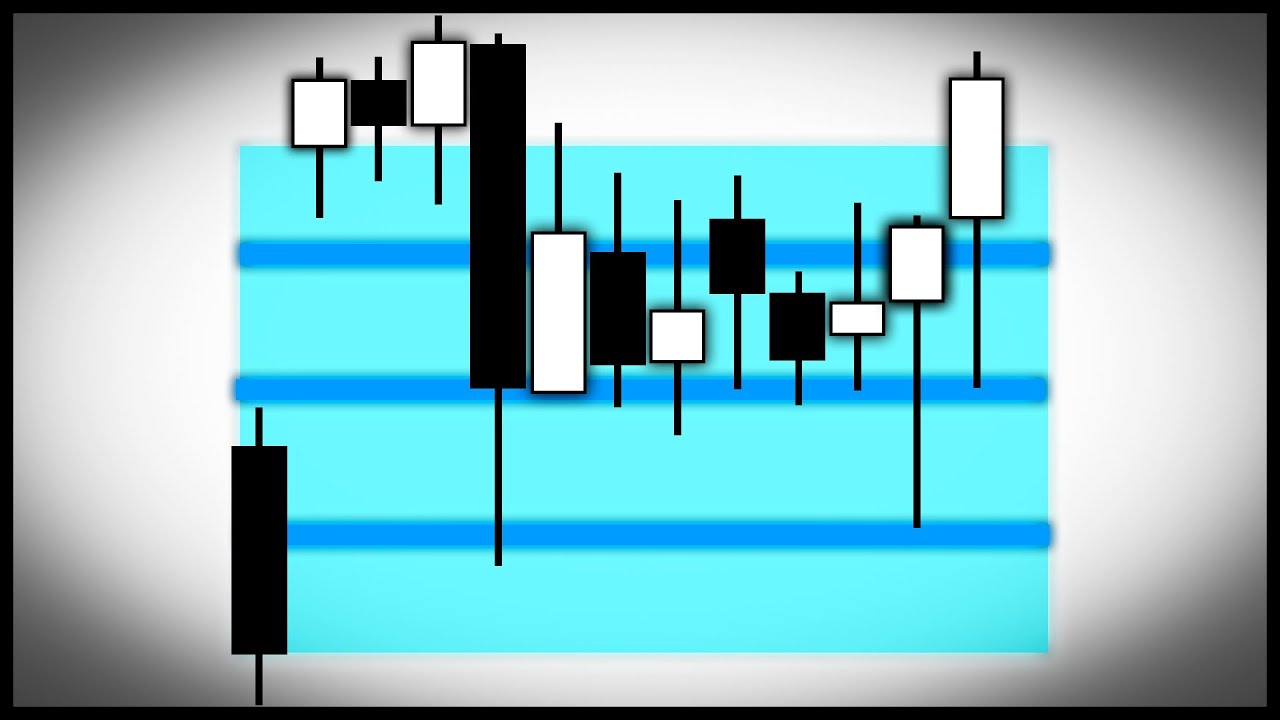
Today, we're going to be talking about volume imbalances and overlaps. Two fundamental technical analysis pieces to my trading strategy that you need to understand in order to follow the rest of the boot camp series. Now, before we start, I've been working pretty hard to make the Discord free section a pretty good community. So, go ahead and join up, ask questions in there. Any questions you have about any of these boot camp videos, I'll make sure to answer in there. Uh, there's a whole free section, there's free channels, everything like that. It's not just live trading. So, you could join in there, you could talk to people. There's a lot of people already in there and all your questions could get answered by me directly. So, if you have questions about anything, don't hit the comments of this video. Hit the Discord, ask questions there. I will be there all the time answering your questions. Now, what are volume imbalances and overlaps? Well, this is another type of gap just like fair value gaps and just like wicks. So, that means they're going to have a lot of the same properties as fair value gaps and wicks. They're going to have the three levels inside of them. They're going to be able to be turned inversion, etc. If you don't know about fair value gaps and wicks, I have videos on this channel in this boot camp series about fair value gaps and wicks. Now, if we look here on the left side and we look right here, this is a volume imbalance. This is a bullish volume imbalance. And exactly what a bullish volume imbalance is is when you have a gap of candle bodies. You see in this section of price action, the candle bodies gap in between each other, right? It's not about the wicks at all. It's about this gap between candle bodies in that section. You extend that out in time, that's going to be your bullish volume imbalance. In a bullish market, in a bullish trend, when price comes back down to that level, it could be used as support to continue the trend higher. A bullish overlap, on the other hand, is when instead of gapping like it does here, the candles overlap each other. The candle bodies overlap each other. If you took the top of the first candle, it completely overlaps the next one. There's an overlap in price here. If you extend that range to the side in a bullish market, a bullish overlap should hold and push you higher in a bullish trending market. That is volume imbalances and overlaps in a bullish scenario. Now, the reason that I'm showing you overlaps and volume imbalances in the same video is because they're for all intents and purposes the same exact thing. They're treated the exact same. So, we're going to talk about how to define them both, but just understand that volume imbalances and overlaps are more or less the exact same thing. And we got the same thing over here with bearish overlaps and volume imbalances. In here, we have a bearish volume imbalance where there's a gap between bodies. As you can see, the first body closes here. The next one opens here and it leaves a gap in the middle. In a bearish market, when price comes back up to this volume imbalance, you could expect it to hold and push lower. Same thing with a bearish overlap. It's just the candle bodies overlap. And now let's go into the charts and talk about some examples and also talk about how they turn inversion and some more nuance to how to utilize them to frame ideas in the market. All righty. So, here's some examples of bullish overlaps and bullish volume imbalances. Importantly, when we're watching this chart, understand that in this video, we're just going over how to identify them, how to mark them. Very soon. And in fact, in two videos, we're going to be going over exactly how to pick the levels that you're actually going to use, which levels are going to actually be important. So, if you just go onto your chart and start marking every single one of these levels that you see on every time frame, majority of them, they're not going to work so well. But again, just be aware that this video is very focused on just how to define them, how to see them. In two videos, so the video after the next one in this boot camp series, we are going to be talking about how to actually pick the correct levels to be using on a day-to-day basis. So, as we can see, we have this bullish volume imbalance right here that goes from this level to this level. Why is this a bullish volume imbalance? Because there's a gap in between the candle bodies. Now, the very observant people will remember back in the fair value gap video I mentioned that when a fair value gap connects to a volume imbalance, that whole thing is the range. So here, because you have a fair value gap here that connects to the volume imbalance, you would mark them together. You would include the volume imbalance in the fair value gap. Okay. So this would actually look like so. But just for this video, understand that this is the volume imbalance section. Okay. Right here. And then the whole thing is the fair value gap. But if we're just looking at volume imbalances, it would be right there. If we continue higher, you'll see that we have an overlap level right here. Price doesn't trade into it. We have a volume imbalance right here. Okay? But that's connected to a fair value gap. So this is your fair value gap, but understand that the volume imbalance section is right here. Okay? If we go higher, we have a bullish overlap level right here. So, this is your bullish overlap. I'm going to make this darker blue. And then we also have a bullish volume imbalance right here. Look at how this volume imbalance is getting traded through though. And what you'll notice many and oftentimes is that volume imbalances are attached to fair value gaps. So again, when volume imbalances are attached to fair value gaps, you are going to mark them together. Not with overlaps. That's the one and only difference between overlaps and volume imbalances is that when an overlap is attached to a fair value gap, you don't mark it together. When a volume imbalance is attached to a fair value gap, you mark it together. So this dark blue is the overlap in the range. That cyan is the volume imbalance plus the fair value gap. If we continue to go higher here, you'll see that we have this overlap level. When we break out of the range, price comes right down into there, trades into it. We also have a little volume imbalance here. So, we have two things that price is pushing into. If we continue to go higher, you'll see that price comes right back down into this little overlap level right here, and price holds up off of it. Price goes. So these are all examples of bullish overlaps or bullish volume imbalances and how you would connect fair value gaps to volume imbalances as well. And to be clear, it would be the same thing defining them in a bearish way too. You would just be looking for bearish volume imbalances, bearish fair value gaps, ones that are above you. But now let's go ahead and talk about how volume imbalances and how overlap levels can turn inversion. All righty. Okay. So, let's look at this section of price action. And on this push down right here, we have a little V, we have a little overlap level that forms. So, if we zoom in right here, you'll notice that this level right here is an overlap level and price never closes it. It pushes up. It never closes. Holds, holds, holds, holds. So this was the highest thing on this time frame that was holding the majority of price down. So on that breakout, when price comes back down, you could be looking at that to turn an inversion just like a fair value gap, just like a wick. So that's generally how volume imbalances turn inversion. It's just once they get closed over, they're inversion. The primary inversion ones that you want to be looking at are the ones that held the majority of price. Now, I'm going to be very clear with you. If you go on your chart and you start marking these uh volume i
00:13
Speaker A
make the Discord free section a pretty good community. So, go ahead and join up, ask questions in there. Any questions you have about any of these boot camp videos, I'll make sure to answer in there. Uh there's a whole free
00:24
Speaker A
section, there's free channels, everything like that. It's not just live trading. So you could join in there, you could talk to people. There's a lot of people already in there and all your questions could get answered by me
00:34
Speaker A
directly. So if you have questions about anything, don't hit the comments of this video. Hit the Discord, ask questions there. I will be there all the time answering your questions. Now, what are volume imbalances and overlaps? Well, this is another type of gap just like
00:49
Speaker A
fair value gaps and just like wicks. So that means they're going to have a lot of the same properties as fair value gaps and wicks. They're going to have the three levels inside of them. They're going to be able to be turned in
01:00
Speaker A
version, etc. If you don't know about fair value gaps and wicks, I have videos on this channel in this boot camp series about fair value gaps and wicks. Now, if we look here on the left side and we
01:11
Speaker A
look right here, this is a volume imbalance. This is a bullish volume imbalance. And exactly what a bullish volume imbalance is is when you have a gap of candle bodies. You see in this section of price action, the candle
01:24
Speaker A
bodies gap in between each other, right? It's not about the wicks at all. It's about this gap between candle bodies in that section. You extend that out in time, that's going to be your bullish volume imbalance. In a bullish market,
01:39
Speaker A
in a bullish trend, when price comes back down to that level, it could be used as support to continue the trend higher. A bullish overlap on the other hand is when instead of gapping like it does here, the candles overlap each
01:55
Speaker A
other. The candle bodies overlap each other. If you took the top of the first candle, it completely overlaps the next one. There's a overlap in price here. If you extend that range to the side in a bullish market, a bullish overlap should
02:10
Speaker A
hold and push you higher in a bullish trending market. That is volume imbalances and overlaps in a bullish scenario. Now, the reason that I'm showing you overlaps and volume imbalances in the same video is because they're for all intents and purposes the
02:26
Speaker A
same exact thing. They're treated the exact same. So, we're going to talk about how to define them both, but just understand that volume imbalances and overlaps are more or less the exact same thing. And we got the same thing over
02:39
Speaker A
here with bearish overlaps and volume imbalances. In here, we have a bearish volume imbalance where there's a gap between bodies. As you can see, the first body closes here. The next one opens here and it leaves a gap in the
02:53
Speaker A
middle. In a bearish market, when price comes back up to this volume imbalance, you could expect it to hold and push lower. Same thing with a bearish overlap. It's just the candle bodies overlap. And now let's go into the
03:05
Speaker A
charts and talk about some examples and also talk about how they turn inversion and some more nuance to how to utilize them to frame ideas in the market. All righty. So here's some examples of bullish overlaps and bullish volume
03:18
Speaker A
imbalances. Importantly, when we're watching this chart, understand that in this video, we're just going over how to identify them, how to mark them. very soon. And in fact, in two videos, we're going to be going over exactly how to
03:31
Speaker A
pick the levels that you're actually going to use, which levels are going to actually be important. So, if you just go onto your chart and start marking every single one of these levels that you see on every time frame, majority of
03:43
Speaker A
them, they're not going to work so well. But again, just be aware that this video is very focused on just how to define them, how to see them in two videos. So, the video after the next one in this
03:55
Speaker A
boot camp series, we are going to be talking about how to actually pick the correct levels to be using on a day-to-day basis. So, as we can see, we have this bullish volume imbalance right here that goes from this level to this
04:08
Speaker A
level. Why is this a bullish volume imbalance? Because there's a gap in between the candle bodies. Now the very observant people will remember back in the fair value gap video I mentioned that when a fair value gap connects to a
04:21
Speaker A
volume imbalance that whole thing is the range. So here because you have a fair value gap here that connects to the volume imbalance you would mark them together. You would include the volume imbalance in the fair value gap. Okay.
04:34
Speaker A
So this would actually look like so. But just but just for this video understand that this is the volume imbalance section.
04:41
Speaker A
Okay. Right here. and then the whole thing is the fair value gap. But if we're just looking at volume imbalances, it would be right there. If we continue higher, you'll see that we have an overlap level right here. Price doesn't
04:54
Speaker A
trade into it. We have a volume imbalance right here. Okay? But that's connected to a fair value gap. So this is your fair value gap, but understand that the volume imbalance section is right here. Okay?
05:10
Speaker A
If we go higher, we have a bullish overlap level right here. So, this is your bullish overlap. I'm going to make this darker blue. And then we also have a bullish volume imbalance right here.
05:24
Speaker A
Look at how this volume imbalance is getting traded through though. And what you'll notice many and oftent times is that volume imbalances are attached to fair value gaps. So again, when volume imbalances are attached to fair value gaps, you are going to mark them
05:37
Speaker A
together. Not with overlaps. That's the one and only difference between overlaps and volume imbalances is that when an overlap is attached to a fair value gap, you don't mark it together. When a volume imbalance is attached to a fair
05:50
Speaker A
value gap, you mark it together. So this dark blue is the overlap in the range.
05:56
Speaker A
That cyan is the volume imbalance plus the fair value gap. If we continue to go higher here, you'll see that we have this overlap level. When we break out of the range, price comes right down into there, trades into it. We also have a
06:14
Speaker A
little volume imbalance here. So, we have two things that price is pushing into. If we continue to go higher, you'll see that price comes right back down into this little overlap level right here, and price holds up off of
06:28
Speaker A
it. price goes. So these are all examples of bullish overlaps or bullish volume imbalances and how you would connect fair value gaps to volume imbalances as well. And to be clear, it would be the same thing defining them in
06:40
Speaker A
a bearish way too. You would just be looking for bearish volume imbalances, bearish fair value gaps, ones that are above you. But now let's go ahead and talk about how volume imbalances and how overlap levels can turn inversion.
06:57
Speaker A
All righty. Okay. So, let's look at this section of price action. And on this push down right here, we have a little V we have a we have a little overlap level that forms. So, if we zoom in right
07:14
Speaker A
here, you'll notice that this level right here is an overlap level and price never closes it. It pushes up. It never closes. Holds, holds, holds, holds. So this was the highest thing on this time frame that was holding the majority of
07:28
Speaker A
price down. So on that breakout when price comes back down, you could be looking at that to turn an inversion just like a fair value gap, just like a wick. So that's generally how volume imbalances turn inversion. It's just
07:42
Speaker A
once they get closed over, they're inversion. The primary inversion ones that you want to be looking at are the ones that held the majority of price.
07:52
Speaker A
Now, I'm going to be very clear with you. If you go on your chart and you start marking these uh volume imbalances and overlap levels and you start turning them inversion and stuff like that all over the place, you're going to notice
08:04
Speaker A
that a lot of times price closes back over them. They're not really respected too well, etc. And that's because again, we're just going over how to define these things. We're not going over exactly how to pick the correct ones
08:15
Speaker A
yet. And in the next video, we're going to be going over very, very special versions of volume imbalances and overlap levels that get created on daily and weekly gaps, which those become some of the most powerful levels that you
08:30
Speaker A
could possibly use. Volume imbalances and overlaps have their place. They can turn inversion just like normal fair value gaps or wicks. They also, we haven't talked about it here because we talked about it in the fair value gap
08:41
Speaker A
video. And the the wick level, they're treated just like gaps. So they have the three levels inside which will be exceptionally useful for projected defined ranges which we'll be able to get on to soon in this boot camp. But
08:53
Speaker A
generally the raw baseline overlap levels and volume imbalances themselves are not going to be overly accurate or overly useful, but they're a very important part of technical analysis.
09:05
Speaker A
And it's very important you understand them because again in the next video in this boot camp, we're going to be talking about versions of them that are exceptionally powerful and exceptionally accurate.
09:16
Speaker A
And they're also a key part in projected defined ranges. So understand volume imbalances, understand overlaps, go onto your chart, make sure you could define them and make sure you could define them, make sure you could identify them, etc. And in the next video, we're going
09:31
Speaker A
to be going over weekly and daily gaps. Join the free Discord. Literally a free disc. There's a free a whole free section on Discord. Ask questions in the Discord. I will not be responding to questions in the comments. Ask questions
09:41
Speaker A
in the Discord. I want the Discord to become active. Um, but yeah, this video might seem like a bit of a filler video, like if you were watching an anime, this would be like filler. I promise you it's
09:52
Speaker A
not filler. These things are very powerful once they're in the right hands. And very soon you'll see how to put them in the right hands.
Topics:volume imbalancesoverlapstechnical analysisfair value gapstrading strategyprice actionsupport and resistanceturn inversionbullish volume imbalancebearish volume imbalance

Frequently Asked Questions

What is a volume imbalance in trading?

A volume imbalance occurs when there is a gap between the bodies of consecutive candles on a price chart, indicating a potential support or resistance level.

How do overlaps differ from volume imbalances?

Overlaps happen when candle bodies overlap each other, whereas volume imbalances involve a gap between candle bodies. Both are treated similarly but differ in how they connect to fair value gaps.

What does 'turn inversion' mean in the context of volume imbalances and overlaps?

Turn inversion refers to the process where a volume imbalance or overlap level reverses its role—support becomes resistance or vice versa—after price closes over that level.

Get More with the Söz AI App

Transcribe recordings, audio files, and YouTube videos — with AI summaries, speaker detection, and unlimited transcriptions.

Or transcribe another YouTube video here →