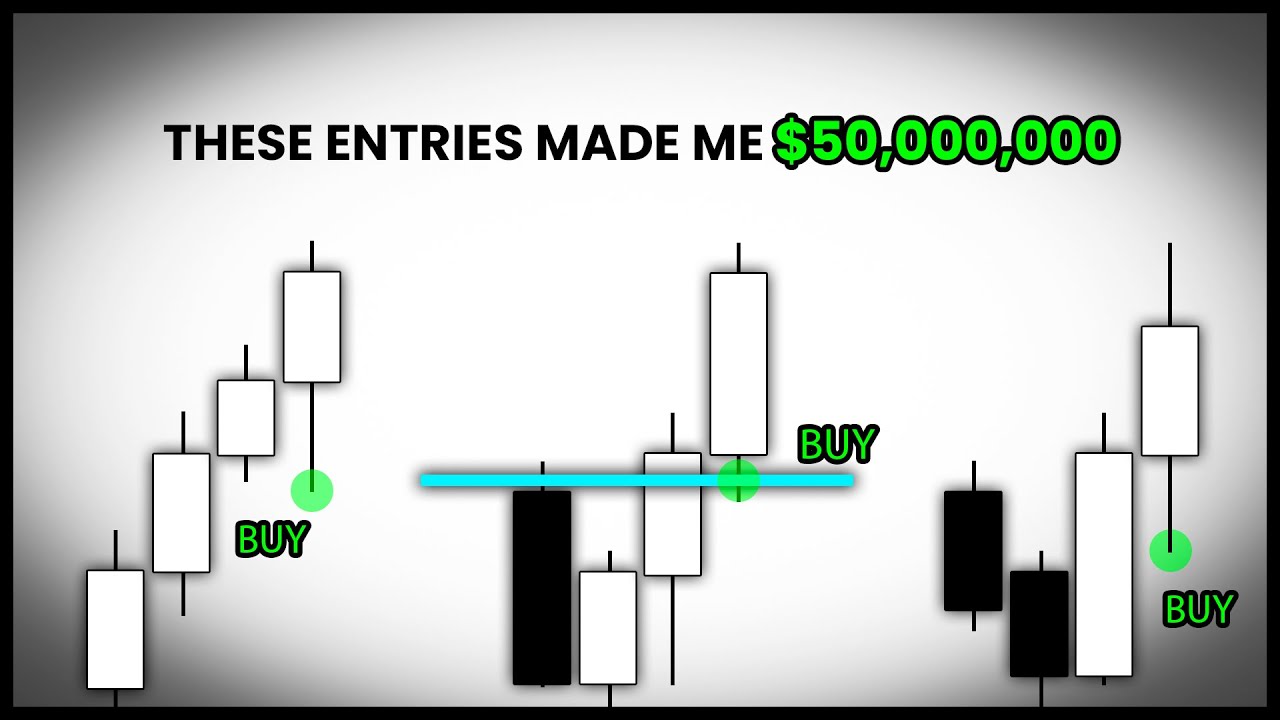
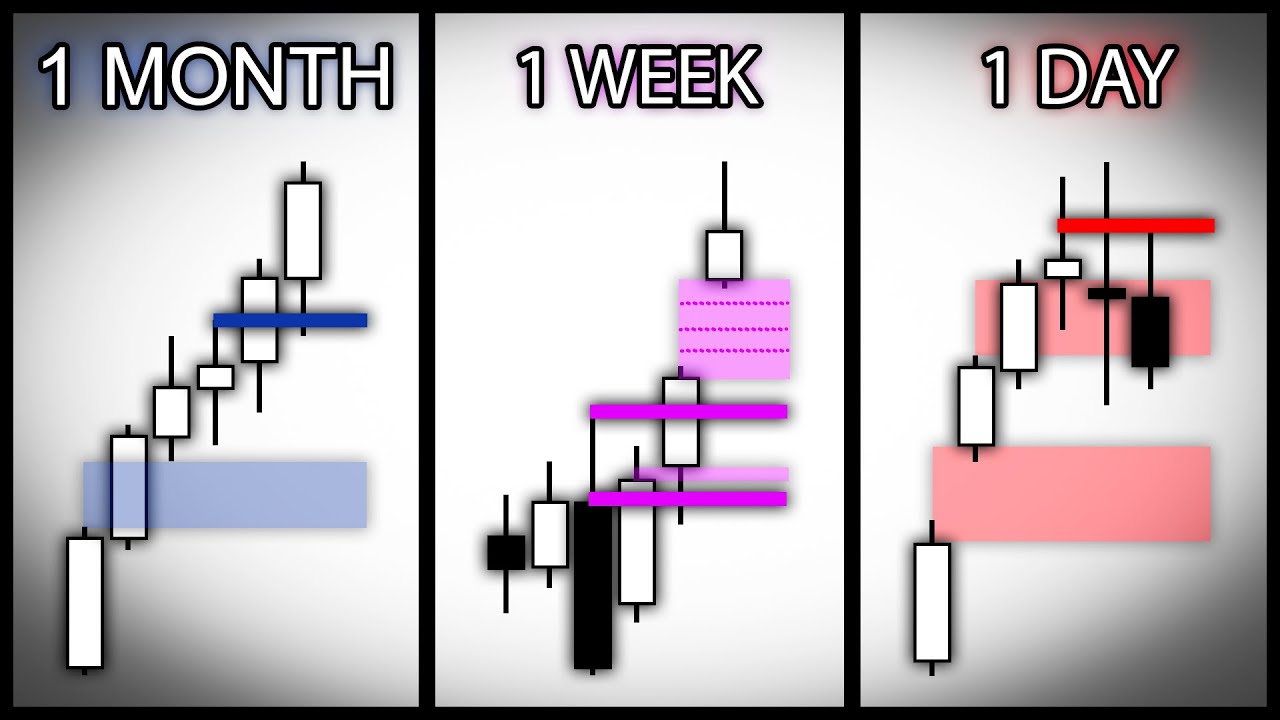
Order Blocks Explained — Transcript

Learn how to define and use bullish and bearish order blocks in technical analysis, including advanced concepts like the mean threshold.

Key Takeaways

  • Order blocks are identified by specific candle closes within swing ranges and have three critical price levels.
  • Bullish order blocks act as support zones, while bearish order blocks act as resistance zones.
  • The mean threshold is an important advanced concept within order blocks that can enhance trading strategies.
  • Correct identification of order blocks requires focusing on the lowest or highest closed candle within the swing range, not just the candle before a price move.
  • Price action relative to order block levels signals activation and potential trading opportunities.

Summary

  • Introduction to order blocks as a foundational concept in technical analysis.
  • Definition of bullish order blocks as the lowest closed down close candle in a swing low range.
  • Explanation of the three key levels in an order block: highest high, opening price, and the halfway (mean threshold) point.
  • Activation of order block levels when price trades above the high in bullish blocks or below the low in bearish blocks.
  • Use of order blocks as support in bullish markets and resistance in bearish markets.
  • Clarification on common misconceptions about identifying the correct order block candle.
  • Detailed chart examples illustrating how to identify and use order blocks in trading.
  • Introduction to the mean threshold level and its powerful applications, with a promise of deeper explanation later in the video.
  • Discussion on order block inversion when price closes below a previous bullish order block close.
  • Encouragement to watch other episodes in the trading boot camp series for a comprehensive understanding.

Full Transcript — Download SRT & Markdown

00:00
Speaker A
Today, we're going to be talking about order blocks, one of the foundational parts of the way that I do technical analysis. And we're going to be going over everything, from how to define them to how to utilize them to some of the more niche advanced things that you could do with the mean threshold of an order block, which we'll talk about what that means very soon. This is part of my trading boot camp series. So, make sure you go and watch the other episodes as well if you would like. And I intend for this video to be one of the better ones on the internet surrounding the topic of order blocks. So, let's get into it.
00:11
Speaker A
the more niche advanced things that you could do with the mean threshold of an order block, which we'll talk about what that means very soon. This is part of my trading boot camp series. So, make sure you go and watch the other episodes as
00:24
Speaker A
Now, before we get into this chart example here, let's go ahead and move upwards and talk about how to define an order block and what an order block is.
00:33
Speaker A
Now, before we get into this chart example here, uh let's go ahead and move upwards and talk about how to define an order block and what an order block is.
00:41
Speaker A
So, when we're talking about a bullish order block, we're looking for the lowest closed down close candle inside of a swing low range. So, what is a swing low range? It's just a range where price rounds out and then it goes higher.
00:55
Speaker A
higher. Okay, so in this example, the order block candle would be this candle right here. Why? Because, as you can see, this has the lowest close on it.
01:05
Speaker A
Okay, so in this example, the order block candle would be this candle right here. Why? Because, as you can see, this has the lowest close on it.
01:17
Speaker A
So, it's always the lowest closed one. It's not the one that's further to the right. It's not the one right before the move up. It is the lowest close candle.
01:25
Speaker A
So, the lowest close in the range is going to be the order block candle. It is not this candle. It can't be this candle. Why? Because this candle has a higher close than the one prior to it.
01:39
Speaker A
price of that candle right here. And we're also going to have the halfway point. Now that halfway point is drawn between the absolute low of the order block candle and the absolute high of the order block candle. Some people will
01:51
Speaker A
So, it's always the lowest closed one. It's not the one that's further to the right. It's not the one right before the move up. It is the lowest close candle.
02:06
Speaker A
point inside of an order block. So, inside of this candle right here, because this is the candle that trades above the highest level inside the order block, that is when technically all three of these levels are quote unquote
02:17
Speaker A
That is the order block. Now, every order block is going to have three levels inside of it. We're going to have the highest high of the order block candle, the highest point inside of that wick. We're going to have the opening price of that candle right here. And we're also going to have the halfway point. Now, that halfway point is drawn between the absolute low of the order block candle and the absolute high of the order block candle. Some people will say it's drawn from the bodies of the order block candle. Some people will say that the halfway point should be from the bodies. I do not care. It's from the wicks.
02:31
Speaker A
threshold level yet. That's because we're going to have a whole section on the mean threshold level. Uh, this mean threshold level has a lot of extremely powerful things that could be done with it. And yeah, just just know I'm
02:45
Speaker A
Okay. Now, the second that price trades above the highest high point inside of an order block, so inside of this candle right here, because this is the candle that trades above the highest level inside the order block, that is when technically all three of these levels are quote unquote activated.
02:51
Speaker A
But that is how we define a bullish order block. Okay. So again, just for recap, we have a swing range, the lowest closed down close candle. The second that we trade above the high, all these levels get activated. In a bullish
03:01
Speaker A
So, what does that mean? Well, it means in a bullish market when price comes back down into it, we would expect these levels to hold as support to continue to make new highs. Now, I'm intentionally not talking about the mean threshold level yet. That's because we're going to have a whole section on the mean threshold level. This mean threshold level has a lot of extremely powerful things that could be done with it. And yeah, just know I'm intentionally not talking about it for now. We are going to have a section in this video all about the mean threshold.
03:16
Speaker A
levels. The second price traed beneath the low. Those levels would be activated. If we came back up to it, that would be something to sell off in a bearish market. So, let's get on to this example on this chart that I've created
03:28
Speaker A
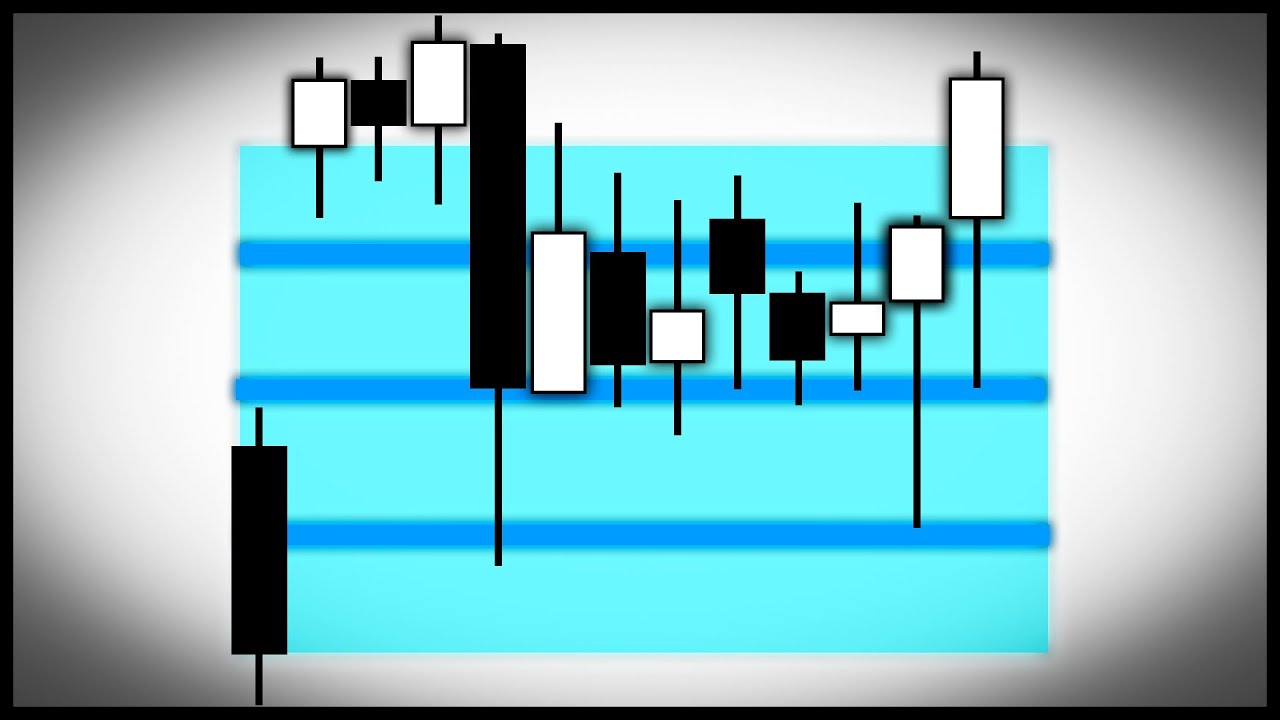
But that is how we define a bullish order block. Okay. So again, just for recap, we have a swing range, the lowest closed down close candle. The second that we trade above the high, all these levels get activated. In a bullish market, we expect these to act as support to push the market higher. And it would be the same thing in a bearish order block. We'd be looking for the highest up close candle in a swing high range and it would have the same exact levels. The second price trades beneath the low, those levels would be activated. If we came back up to it, that would be something to sell off in a bearish market. So, let's get on to this example on this chart that I've created here. And as you could see from the start, price comes down, it creates one of these swing ranges here. So what does that leave? As price pushes higher, that leaves an order block. Which candle here would be the order block? Would it be this one or would it be this one? It would be this one right here. The reason it would be this one is because you got to look at the candles' closes, right?
03:44
Speaker A
this one or would it be this one? It would be this one right here. The reason it would be this one is because you got to look at the candles closes, right?
03:53
Speaker A
Both of these candles have closes. I made a little face here. What a nice guy. This one has a lower close than everything else. So, this candle right here is the order block candle.
04:07
Speaker A
Okay? And this turns into an order block the second price trades above it. So, where does that happen? Right on this candle. Okay? And this candle has three levels. I'm not going to mention the mean threshold yet. So we have the
04:23
Speaker A
Okay? And this turns into an order block the second price trades above it. So, where does that happen? Right on this candle. Okay? And this candle has three levels. I'm not going to mention the mean threshold yet. So we have the highest and the open and then there is the mean threshold as well. But again, we have a whole section for that coming up.
04:28
Speaker A
So when price comes back down to that in a bullish market you would expect that to push higher. And in this example it doesn't push on new highs but as you can see price comes right down in that order
04:36
Speaker A
So when price comes back down to that in a bullish market, you would expect that to push higher. And in this example, it doesn't push on new highs but as you can see price comes right down in that order block. It holds on the top here. We start to round out up here. And where's the highest up close candle inside of this range? Is it this one the order block? No. A lot of people would say it's this one the order block, but this is totally wrong. The order block is going to be this candle right here because this has the highest up close in the entire swing range before a decline in price. So that's going to be the order block candle. And this has the lowest low. This has the opening price. And this even has the mean threshold.
04:49
Speaker A
it's this one is the order block, but this is totally wrong. The order block is going to be this candle right here because this has the highest up close in the entire swing range before a decline in price. So that's going to be the
05:01
Speaker A
Okay, so there we go. We got a couple order blocks on the screen. The price falls down. It gains the order block inside of this candle. It comes back up to it in this candle right here, trades to the opening price, sells off, trades to the low, and ultimately trades to the mean threshold. Again, these are all just levels that price can trade into inside of the order block. And this ultimately creates new lows. So, in bullish markets, you're looking for bullish order blocks to be sensitive. In bearish markets, you're looking for bearish order blocks to be sensitive. Now before we get on to the secrets of the mean threshold, let's talk about order blocks on the other side too. So notice how this bullish order block in this range, notice how price closes underneath where it closed, right? This down close candle has a lower close than this bullish order block. When that happens, this order block is now inversion. Okay. This is not something commonly shown or taught, but this order block is now inversion. Okay, so when price comes back up to the open, usually it's the open specifically. That's just from me utilizing these things for so long. Price can show sensitivity there in a bearish market. Now, so if this was a bullish order block, now that price is under it and now that price is respecting bearish things and starting a downtrend, this can now typically start to show some sort of sensitivity in a bearish way to continue that downtrend. And it would be the same thing with bullish order blocks. Imagine this down move never happened. You started to hold this and price got above that level and came back down. That level could show support in an uptrend now to push the chart higher. So whenever you get a higher close, if you look at the previous ranges' order blocks, typically those could be levels that then could be flipped. It's just like fair value gaps, which was the prior boot camp video where you could turn them inversion. You could also turn order blocks inversion in this way also. So now let's talk about some of the very, very, very powerful things about the mean threshold. First and foremost, I have deleted some of the chart. Understand that when the market is going higher, what are we doing at the root of it all?
05:10
Speaker A
Okay, so there we go. We got a couple order blocks on the screen. The price falls down. It gains the order block inside of this candle. It comes back up to it in this candle right here, trades to the opening price, sells off, trades
05:24
Speaker A
What are we doing? Every down low candle that gets created, we're trading above it. That's just what happens when the market's going higher. Every single down low candle that's getting created in a bullish market, we're trading above it. Okay? And ideally, we're not trading below up close candles in a bullish market. And then the second we...
05:40
Speaker A
bearish markets, you're looking for bearish order blocks to be sensitive. Now before we get on to the secrets of the mean threshold, um let's talk about order blocks on the other side too. So notice how this bullish order block in
05:55
Speaker A
this range, notice how price closes underneath where it closed, right? This down close candle has a lower close than this bullish order block. When that happens, when that happens, this order block is now inversion. Okay. Um, this is not
06:14
Speaker A
something commonly shown or taught, but this order block is now inversion. Okay, so when price comes back up to the open, usually it's the open specifically. Uh, that's just from me utilizing these things for so long. Um, price can show
06:29
Speaker A
sensitivity there in a bearish market. Now, so if this was a bullish order block, now that price is under it and now that price is respecting bearish things and starting a downtrend, this can now typically start to show some
06:43
Speaker A
sort of sensitivity in a bearish way to continue that downtrend. And it would be the same thing with bullish order blocks. Imagine this down move never happened. You started to hold this and price got above that level and came back
06:54
Speaker A
down. That level could show support in an uptrend now uh to push the chart higher. So whenever you get a higher close, if you look at the previous ranges order blocks, typically those could be levels that then could be
07:07
Speaker A
flipped. It's just like fair value gaps, which it was the prior boot camp video where you could turn them inversion. You could also turn order blocks inversion in this way also. So now let's talk about some of the very very very
07:22
Speaker A
powerful things about the mean threshold. First and foremost, I have deleted some of the chart. understand that when the market is going higher, what are we doing at the root of it all?
07:34
Speaker A
What are we doing? Every downlo candle that gets created, we're trading above it. That's just what happens when the market's going higher. Every single downlo candle that's getting created in a bullish market, we're trading above it. Okay? And ideally, we're not trading
07:48
Speaker A
below up close candles in a bullish market. And then the second we start trading below up close candles and not trading above down close candles, that's typically the time when the market starts to switch a directional bias. So
08:02
Speaker A
what on earth does the mean threshold help us with here? Well, let's imagine that price was playing right now, right?
08:10
Speaker A
This candle is currently going. Okay, if we look at this candle, this has the potential to be an order block. How? Well, this could be a new swing range. If this candle was to trade up and above this down close candle,
08:27
Speaker A
then where would the order block be? It would be inside of this candle right here.
08:32
Speaker A
So, before this candle's ever gained, something that we could do is mark the mean threshold. Okay, right here. So before this candle's ever gained, we can mark the mean threshold.
08:51
Speaker A
If price comes into that mean threshold level and rejects, it can't get above that. That is a clear indication that the entire order block is rejecting to be gained, which means that you're going to start trading underneath down close
09:07
Speaker A
candles, which means that it's more likely for the market to start turning over, to start rolling over. So, when you see a candle that has the potential to become an order block, start rejecting off the mean threshold like
09:20
Speaker A
this, this is a good indication that it's not going to become an order block.
09:23
Speaker A
And if it's not going to become an order block, that means the market is going to go in the opposite direction more times than not. So, this is also kind of a start at how you could get some form of
09:35
Speaker A
bias and direction. Imagine this was happening on a high time frame. Imagine this was on a weekly chart and you're just witnessing on like a five-minute chart that price is pushing up into the mean threshold of that weekly order
09:47
Speaker A
block and not getting above. Well, this range from the mean threshold to back underneath that order block candle could be huge on a fiveminute chart. That could be a ton of price action which could then give you a very large range
10:01
Speaker A
to actually trade on a a large range where profitable ideas could spawn because now you have a high probability of a projected defined range forming.
10:14
Speaker A
Okay? And that is not the last time I will say projected defined range in this boot camp. projected defined ranges will become one of the most important and critical parts of my entire trading.
10:26
Speaker A
This is just the first time that I'm talking about it. And by the way, everything that I'm talking about here for bullish order blocks also applies for bearish order blocks. But all the examples for the rest of this video are
10:35
Speaker A
just going to be uh shown on bullish order blocks. But just remember that these examples work for bearish ones as well. All righty. Let's now imagine a situation like this. Okay, we're in a market that's moving higher.
10:51
Speaker A
We have a swing low here. We're potentially creating another low here. And this is the potential order block in the range. Okay, why is this the potential order block? Because it's the lowest down close candle. If we trade
11:03
Speaker A
above this and continue higher, this will be an order block that we expect to hold price higher. Here's also where the mean threshold could become very handy.
11:11
Speaker A
So remember, the order block's not technically activated until we trade above the high of this down close candle. However, let's imagine a situation like this. Let's say that this up candle closes above the mean threshold. If this next candle opens,
11:29
Speaker A
comes down and it just holds. It can't get back below that mean threshold, this is a very clear indication that that order block is going to be gained. So again, imagine we are looking at a oneweek chart or a one day chart or even
11:44
Speaker A
a 4hour chart. You could have price action that looks like this. Price comes up, it comes down, and it can't get beneath that mean threshold. This is giving you a clear idea that price is going to go all the way up into here. on
12:00
Speaker A
a low time frame. This could show you where trends in the market are going to form and where the highly likelihood of a range that's defined and projected a projected defined range uh to occur which could give you a directional bias
12:17
Speaker A
for a lower time frame trade. So, if you're holding above the mean threshold of an order block before that order block's gained, you're extremely likely to gain that order block. Okay, please understand this. And now, this becomes one of the most common entries that I
12:38
Speaker A
take. So, imagine we have some sort of high time frame level right here. And this is going skipping a little bit ahead in the in the boot camp, but just follow me for a second. Imagine we have a very high time frame level right here.
12:48
Speaker A
We have this internal liquidity sweep. We have a reason to be bullish. Let's say off of a higher time frame. And this is a one minute chart now. So watch this candle. Sometimes you get a candle that looks like this. It just goes and you
13:01
Speaker A
look back and it never retested the order block. So you could be like, well, how could you possibly get involved with that move? Well, let's look at it this way. Let's say I'm watching this on the one minute. Price comes above the
13:12
Speaker A
halfway point. It falls down to it, ticks into it, pops up, ticks into it, pops up. At this point, it's showing me that that mean threshold is holding on a lower time frame than the one minute chart. So, I would be okay with just
13:28
Speaker A
entering the market, putting a stop-loss underneath that order block. And this is how you catch moves like this where price never returns into the order block. It never gives you a chance to enter. And that's based off this idea of
13:40
Speaker A
projected defined ranges by holding the mean threshold of an order block before it's ever gained. And again, remember, same same example here. If price came up into this and it couldn't push, that's likely that it's going to just fall down
13:54
Speaker A
because if it can't gain that order block, that means this level's breaking. And this is how you could get into an understanding of how levels are even breaking, right? So, if price pushes up, you just traded into a high time frame
14:06
Speaker A
level and that last down candle, if it can't get above the mean threshold before it's gained, that high time frame level is about to collapse. And this is how you could start to gauge aggression, gauge a directional bias, gauge if
14:22
Speaker A
um order blocks are going to gain or fail, gauge if a move is going to fail or anything like that. the the mean thresholds of order blocks become incredibly powerful tools for projected defined ranges and directional biases.
14:38
Speaker A
So, we've went over how to define order blocks. We've went into projected defined ranges a little bit. We went into how to know if they're going to hold or not. We went into how to know if they're going to gain or not. We went
14:48
Speaker A
into a lot of stuff in this video. Please be very familiar with order blocks. Find them on your chart.
14:54
Speaker A
Re-watch this video again if you need to. and I'll see you in the next boot camp video. Uh, by the way, uh, I have a Discord. Join the [ __ ] Discord if you want to. And, uh, we are going to be
15:03
Speaker A
doing after the whole technical analysis series, we're going to be doing entries on all of these things. So, um, yeah.
15:10
Speaker A
Anyways, hopefully this helps
Topics:order blockstechnical analysisbullish order blockbearish order blockmean thresholdswing rangetrading strategyprice actionsupport and resistancetrading boot camp

Frequently Asked Questions

What is an order block in technical analysis?

An order block is a specific candle within a swing range that marks a significant price level, identified by the lowest closed down close candle in bullish ranges or the highest closed up close candle in bearish ranges.

How do you identify a bullish order block candle?

A bullish order block candle is the one with the lowest closed down close within a swing low range, not necessarily the candle immediately before the price move up.

What is the mean threshold in an order block?

The mean threshold is the halfway point between the absolute low and high of the order block candle, representing an advanced level used for more nuanced trading strategies.

Get More with the Söz AI App

Transcribe recordings, audio files, and YouTube videos — with AI summaries, speaker detection, and unlimited transcriptions.

Or transcribe another YouTube video here →