Learn how to identify and use bullish and bearish fair value gaps in trading, including inversion gaps and key levels within them.
Key Takeaways
- Fair value gaps help identify potential support and resistance zones based on candle wick gaps.
- Price closing through a fair value gap causes inversion, changing its role from support to resistance or vice versa.
- Internal levels within fair value gaps provide nuanced areas for price reaction and trading decisions.
- Overlapping inversion and normal fair value gaps require prioritizing the inversion gap for analysis.
- Proper management of fair value gaps on charts improves clarity and trading effectiveness.
Summary
- Fair value gaps are a foundational technical analysis tool used daily in trading.
- A fair value gap is a three-candle pattern where gaps between candle wicks define bullish or bearish gaps.
- Bullish fair value gaps form when candle 1's top wick and candle 3's bottom wick have a gap, acting as support.
- Bearish fair value gaps form when candle 1's bottom wick and candle 3's top wick have a gap, acting as resistance.
- If price closes through a fair value gap, it can invert and act as resistance or support opposite to its original role.
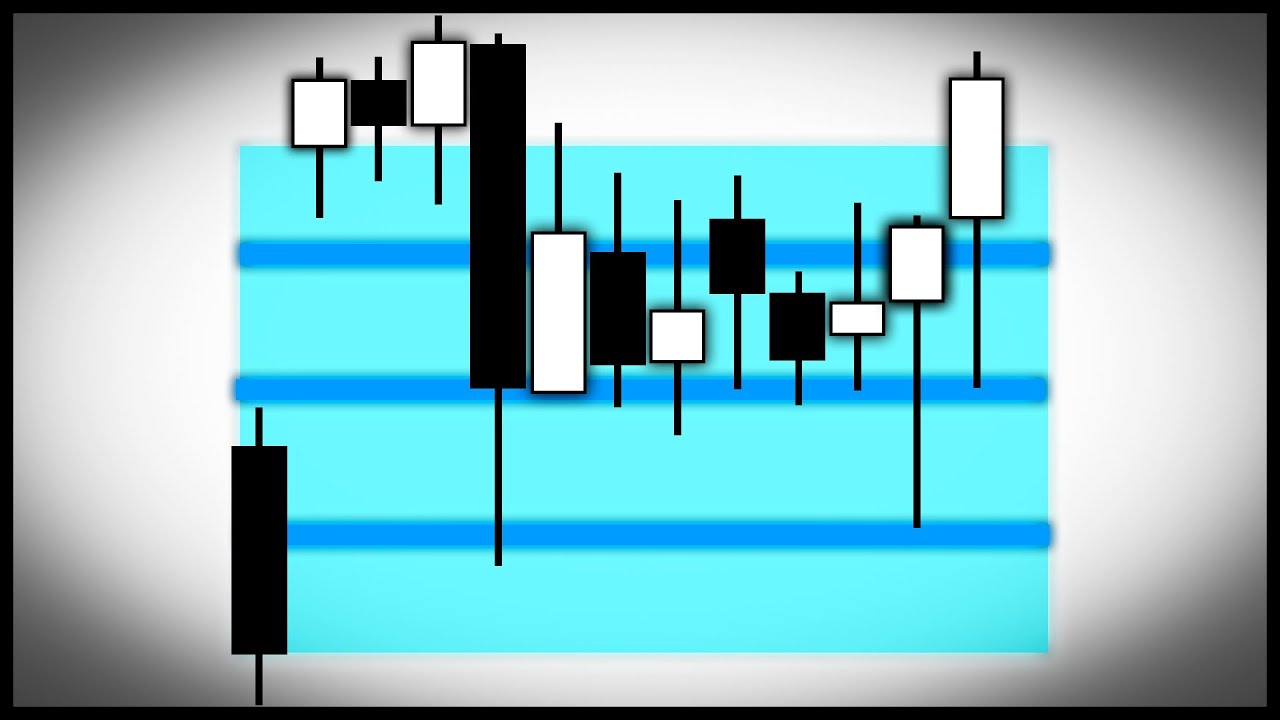
- Fair value gaps contain three internal levels: halfway, 25%, and 75%, which are important for price action analysis.
- Inversion fair value gaps are prioritized over normal gaps when overlapping at the same price level.
- Fair value gaps should be removed from charts once price closes back above or below them after inversion.
- Special cases include gaps in candle bodies, which should be included inside the fair value gap boundaries.
- Understanding and identifying fair value gaps is critical before applying more advanced strategies like PDR.
Chapters
- 00:00Introduction to Fair Value Gaps
- 00:57Defining Bullish Fair Value Gaps
- 01:44Defining Bearish Fair Value Gaps
- 02:35Identifying Fair Value Gaps on Charts
- 03:28Inversion Fair Value Gaps Explained
- 04:11Key Levels Inside Fair Value Gaps
- 05:01Removing Fair Value Gaps from Charts
- 05:55Overlap and Prioritization of Fair Value Gaps
- 06:56Summary of Fair Value Gap Usage
- 07:53Edge Cases and Special Gap Situations