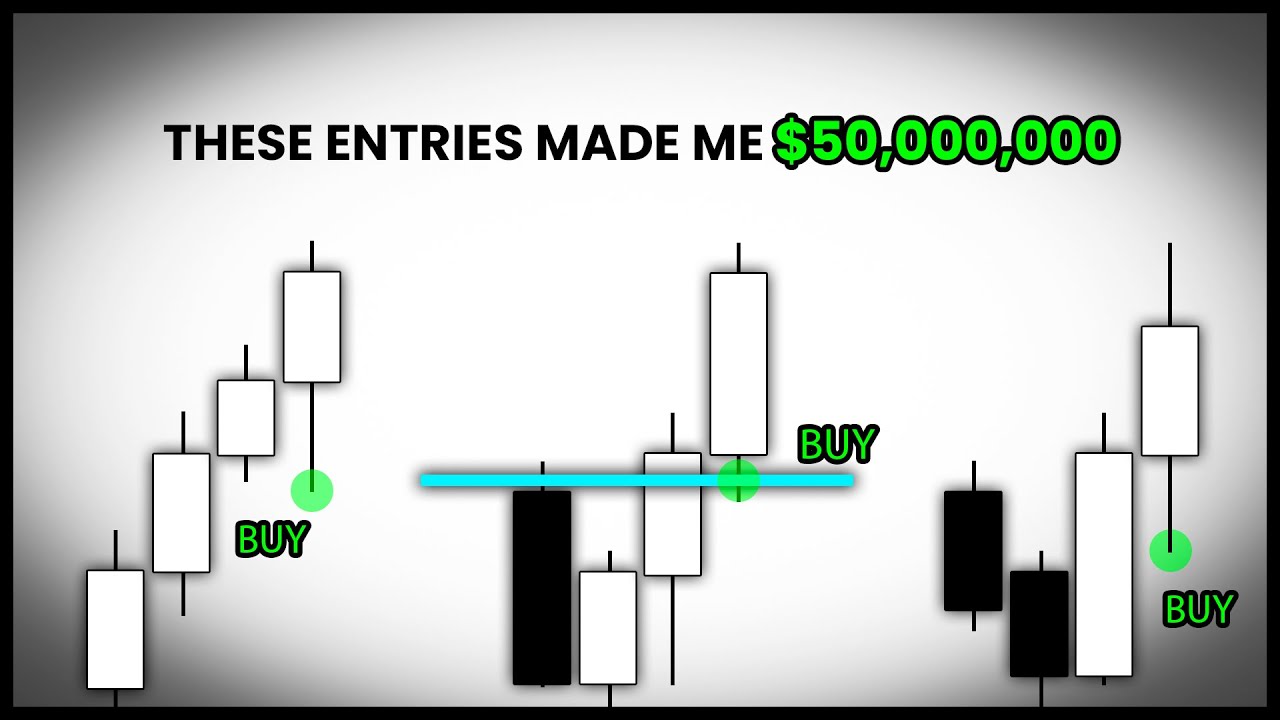
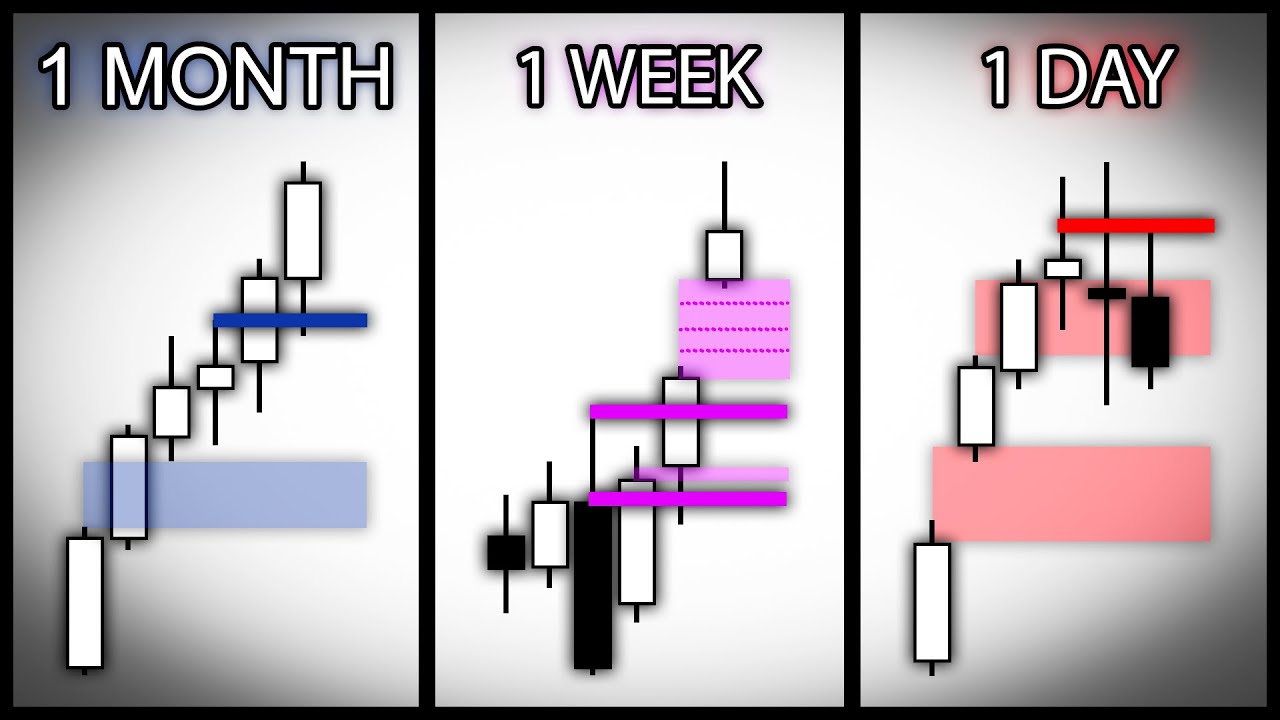
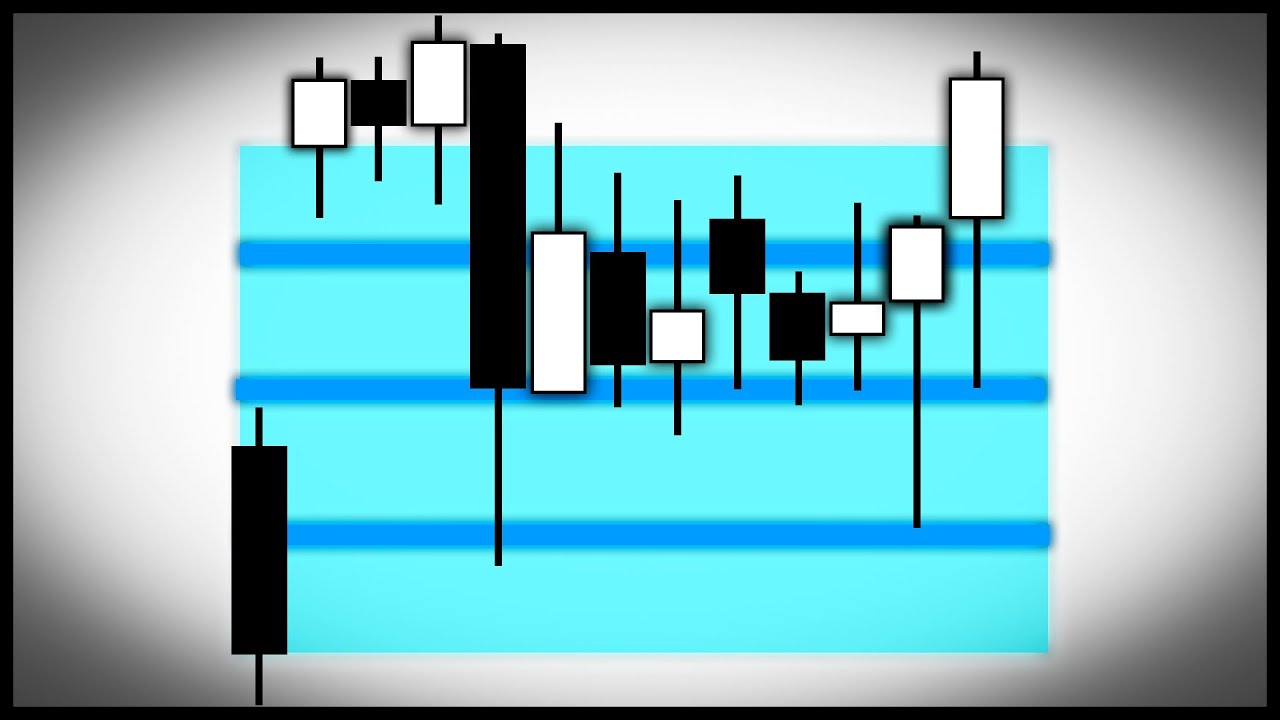
The Trading Model That Changed My Life (Full Breakdown) — Transcript

In-depth breakdown of a proven trading model based on a four-pillar setup that has generated tens of millions in profits over years.

Key Takeaways

  • Successful trading relies on a structured four-pillar setup combining liquidity, levels, bias, and confirmation.
  • Understanding and applying high time frame levels and liquidity sweeps is critical for identifying trade opportunities.
  • Short-term bias from projected defined ranges guides trade direction rather than long-term trends.
  • Internal confirmation signals the actual entry point for trades.
  • The model is robust and has been proven over years with documented live trades.

Summary

  • The video explains a step-by-step trading model that has made the creator tens of millions of dollars.
  • The model is based on a four-pillar setup: liquidity sweep, high time frame level test, short-term bias, and internal confirmation.
  • Liquidity sweep involves identifying liquidity pools and price movements that trigger them.
  • High time frame level test requires price to hold at significant levels after sweeping liquidity.
  • Bias is derived from projected defined ranges (PDR) and short-term price action, not daily or weekly trends.
  • Internal confirmation is the entry signal, often a price wick or close confirming the setup.
  • The four pillars must occur in order for a valid trade setup.
  • Multiple entries can be taken from one setup as long as the PDR bias remains active.
  • The trading system is stable and changes very slowly, with confidence that public knowledge won't degrade its edge.
  • The video references prior boot camp videos for prerequisite knowledge and entry techniques.

Full Transcript — Download SRT & Markdown

00:00
Speaker A
Today, I'm going to be breaking down step by step, in depth, the trading model that's made me tens of millions of dollars over the years. And as unbelievable as that sounds, I have sat in a live trading call in front of an
00:10
Speaker A
audience for three or four years on end at this point. Every single trade documented, every single thing documented. And by the way, if that call is something that you want to join, you could go ahead and check the description
00:22
Speaker A
for the Discord link, and you can see more information about that. Now, a couple prerequisites before you get into this video. You need to have watched all the other videos in the boot camp playlist on my YouTube channel.
00:33
Speaker A
Everything prior to this is going to be required knowledge to know for you to understand what I'm talking about in this video. This is not going to be a basic video. I'm not going to pretend like you don't know anything. I'm going
00:42
Speaker A
to be talking with my language, with the things that I use, with an assumption that you understand how to do basic things like mark high time frame levels and, you know, the things that I'm talking about because I've already made videos
00:53
Speaker A
about them. This video is going to be basically the step-by-step process that I do every single day and what exactly I look for. What are all the things coming together that I look for to actually make a trade, to actually have an idea.
01:06
Speaker A
In this video, you're going to understand the entire system. You're going to understand the entire model.
01:12
Speaker A
Now, for anybody wondering, if you're watching this a long time from the date that this is posted, has it changed? The answer is no. My trading system changes very incredibly slowly, and to be honest, it probably won't change much
01:22
Speaker A
ever again. The reason that I'm giving this out now is because I'm at a point in my trading career where even if this stops working, I don't care. Trading has given me more than enough money. Trading has given me more than enough success,
01:34
Speaker A
more than enough freedom that if the entire world saw this video, which is what would have to happen for this to stop working, it's not going to affect me too much. I seriously doubt this edge will decay by people knowing about it.
01:46
Speaker A
There would have to be millions and millions and millions of active traders every day using this exact edge for it to decay. So, people who are worried about that, are wondering why I'm giving it out, that's not a thing to worry
01:57
Speaker A
about. Now, without further ado, let's actually get into the long-awaited video on my exact model, exactly what I'm doing, and how I think about applying it. So, before we get into the day-by-day, step-by-step process on the charts,
02:12
Speaker A
let's understand the four-pillar setup. So, it's called the four-pillar setup because there's exactly four things that we look for to understand if the setup is present, to understand if this is something that we should be taking an entry on or looking for an entry on. The
02:26
Speaker A
very first thing, and in order, is a liquidity sweep. Okay, we need some form of liquidity sweep. And in the process part of this video, we'll go over exactly how to find the correct liquidity pools because there is a
02:41
Speaker A
little bit of theory to that. But in general, you just need some form of liquidity sweep. Okay, this is your first part of the four-pillar setup.
02:50
Speaker A
Secondly, we need a high time frame level test. Okay, so we're going to note this by HTF. We need price to be trading into some form of high time frame level after it sweeps liquidity. And price needs to show that it's holding. Okay?
03:06
Speaker A
So, it can't just test into it immediately and you immediately go after it. In the most aggressive cases, you could play it like that. But with the way that I'm going to teach it in this video, you need to see that price is
03:15
Speaker A
actually holding the high time frame level. So, we have a liquidity sweep into a high time frame level. This brings our third thing, which is a bias.
03:24
Speaker A
Okay, this is a short-term immediate bias. This is not a daily bias. I don't care about a daily bias. This is not a weekly bias. This is nothing like this.
03:34
Speaker A
This is a short-term immediate bias in price action. And where do we get the bias from? Generally speaking, we're going to get the bias from projected defined ranges. If you don't know this term, I have a video about it on my
03:47
Speaker A
channel. Go watch it. So, we understand when a high time frame level like this holds, we have a point A, and that creates a point B, the next high time frame level. Or if they're connected levels on high time frames, we have that
03:59
Speaker A
as well. So, by the high time frame level holding, these are kind of one and the same. We get a projected defined range or a bias. Okay? And we could use the levels inside the PDR, more specifically the 0.5 level inside the PDR,
04:16
Speaker A
getting over that and holding as an addendum to the bias and an even greater bias, an even stronger bias. So that's generally how we're getting biases. And it could also look something like this. Price is trending down, for
04:28
Speaker A
example, it hits this, price is holding the high time frame level. We have some form of reason to believe that price is holding, and now we have a bias down into the point B. So it can also show up
04:40
Speaker A
like that, and this brings us into the fourth thing that we need for a four-pillar setup, which is your internal confirmation. Now, your internal confirmation is always going to be your entry. This is something that you need to internalize right now before we ever
04:56
Speaker A
get onto the charts. Your internal confirmation will always be your entry. So I have a video on my YouTube channel that says these are all the types of entries that I use.
05:08
Speaker A
That is internal confirmation. Your entries are internal confirmation. So, for example, if you have a wick that's holding down internal price right here, and let me not make this extinct. If you have a wick that's holding down internal
05:19
Speaker A
price right here, and then price closes above it after having that liquidity sweep, after having that high time frame level, after having the PDR set in motion, that internal confirmation is now your entry to try to take price to where it's going and to
05:36
Speaker A
enter a position. So you have a liquidity sweep, you have a high time frame level, you have a bias, and you have internal confirmation. And when all of those happen in that order, you have a four-pillar setup on that entry. And
05:49
Speaker A
that's where you apply the entry techniques that I showed in that one video. And that's where you apply your stop-loss trailing. That's where you apply everything like that. So, we know the entries of the setup are separate from the setup itself. Think about these
06:05
Speaker A
four pillars as the stage. Okay? There's a play going on. There's a whole stage.
06:12
Speaker A
There's a crowd, whatever the [expletive] you want to say, there's a stage, okay? And the stage has to be there for the play to occur, for the entries to even be there. You could take many entries off
06:24
Speaker A
of one setup. Let's say that you get break even or you take a loss on this, for example. Well, the next thing that might happen is you might get over the halfway point of the PDR like so. You might create something
06:36
Speaker A
small inside of here, and you might have a continuation play off of that. If you get involved here to take it up to here, you're still playing the same four-pillar setup. So, understand that the four-pillar setup completes
06:52
Speaker A
once the bias is done. Once the PDR is done being fulfilled, that's when the four-pillar setup completes.
07:00
Speaker A
This doesn't have to happen on the test of point A. Okay? If you just go right into point A, you don't get what you want, and then you get above the halfway point, for example, you could sweep liquidity, have your internal
07:11
Speaker A
confirmation, and the four-pillar setup could show up right here, but you still have everything that you need. You have the high time frame level test. You have the liquidity sweep. Ideally, you have a bigger one down here as well. You have
07:21
Speaker A
your bias even stronger now because the PDR is holding. And your internal confirmation is this wick. Internal confirmation could also be at
07:38
Speaker A
Internal confirmation could also be a fair value gap getting traded into. Internal confirmation could be many things. But please understand that this four-pillar setup is a stage and internal confirmation is your entry. You could take 25 entries on one four-pillar
07:55
Speaker A
setup. You could get break even eight times, take three wins, and then take like two losses. That's a totally valid thing. A four-pillar setup doesn't end until the PDR is broken. Understand that. Okay. So again, just to really
08:13
Speaker A
rock this in your head, you need a liquidity sweep, you need a high time frame level, you need a bias, and then you need internal confirmation.
08:21
Speaker A
The first three create the stage for the four-pillar setup. This could show up multiple times. This could show up as many times as it wants. I'm just going to say 40 times, for example. As long as the PDR right here is still active. As
08:36
Speaker A
long as the PDR is active, internal confirmation could show up as many times as it wants. Every single time it shows up, you're taking that entry. Every single time. Do you understand?
08:46
Speaker A
Hopefully, you understand. So, let's move on to uh practical examples and showing you kind of my step-by-step process day by day on the actual charts here. And then one thing quick before we fully move on, I just want to give you
09:00
Speaker A
an understanding of the I guess philosophy around this way of trading. You have the stage here which gives you the probability of an expansion from point A to point B. This gives you a probable range of expansion. This is
09:16
Speaker A
where your odds lie. The entries that you take are hyper optimized to give you at least break even. You're going to be going break even as fast as you possibly can. And you want to take as many attempts on the overall probable price
09:33
Speaker A
leg as you possibly can. So often in a four-pillar setup, you might see me take one loss, five break evens, and one win on it. And I'll walk out of that with 13R. And the the idea is that you're
09:48
Speaker A
taking as many high high high likelihood break even plays as you possibly can with very very tight stop- losses. All the entries are optimized to break even quickly and eventually one of them is going to run and because you're in a
10:03
Speaker A
probable portion of price where you already have this A2B PDR now you have very high riskreward with a relatively high win rate because most entries you're breaking even on. So, this creates the recipe for extreme profitability to the point my winning
10:21
Speaker A
days are 10, 15, 20 R. My winning months are 60 to 100R. I'm not making four or five R a month. And again, as unbelievable as that sounds, if you want to if you want to check if I'm being
10:35
Speaker A
legitimate, join the Discord down in the description. Join the live trading call. You'll see me do this every single day.
10:40
Speaker A
There's people who've been in there for three and a half years watching me doing this every single [ __ ] day. It's not a It's not a thing where I'm just saying this and there's nothing to back it up.
10:49
Speaker A
I've been doing this for years on end. Years on end. Okay? So, understand that philosophy when you're going into this.
10:57
Speaker A
Your internal confirmation. You are you don't give a [ __ ] about win rate. Win rate is such a meaningless meaningless meaningless meaningless metric. All you care about is break even rate. How free is the exposure that I'm taking on this
11:13
Speaker A
overall stage that has the the actual probabilities to expand? If I could take free exposure over and over again with very tight stop- losses, eventually that exposure will pay off and my riskreward will be huge.
11:28
Speaker A
All righty. So, let's go through my dayto-day process of how I look at the market. So, first and foremost, we're going to be doing our high time frame level picking. I have a video on this channel about it, so I'm not going to go
11:39
Speaker A
too depth into detail, but we'll look at it for now. Um, on the highest time frame here, the main thing that we have is this order block. We also have the opening price, and we also have the low.
11:50
Speaker A
Okay? And we have the three levels inside of this wick here that encapsulates most price action. And then we have the volume imbalance here. And then we have the volume imbalance on the other side as well. And then I would
12:01
Speaker A
also use the levels inside of this wick up here. These aren't going to have too much of an impact on current price because they're pretty far away from current price, but we'll mark them just for completeness sake. Now, we drop down
12:12
Speaker A
to a weekly chart. We know that we're always going to use the weekly gap that got created. We have this weekly overlap level right here. And on the weekly time, and on the weekly time frame here, this is pretty much all that we have,
12:24
Speaker A
right? Our next weekly levels are way up here. We do have the levels inside this wick if you wanted to use them, but for the most part, this is all we have on the weekly. uh you wouldn't be able to
12:32
Speaker A
use this wick as something to turn into inversion. The high time frame level overlaps it. You're not using the levels inside this order block. Higher time frame level overlaps it. You're not using the levels inside of this weekly
12:41
Speaker A
order block. High time frame level overlaps it. If a high time frame level overlaps, you're not going to use the lower time frame, but you should already know that because you should have watched the videos on high time frame
12:50
Speaker A
level picking. And if you're not, then what are you doing on this video? Holy [ __ ] Just go watch the other ones. Come back to this. It's going to be okay.
12:55
Speaker A
Okay, so let's drop down to a daily. So on the daily here, we actually have a daily fair value gap that we could use.
13:01
Speaker A
We have the daily overlap level right here, which got closed over, but has not been closed under, so we could use it.
13:06
Speaker A
And the last level here that we have on the daily is just a daily gap that gets created every single day. Okay? We're always always going to use that level.
13:13
Speaker A
Uh just like I mentioned in the high time frame level picking videos, we're always going to use that daily gap.
13:20
Speaker A
Cool. So once you have all your levels marked and there's going to be PDRs and things of that nature left, the thing that I'm always doing right before market open is I'm always going to right before the market opens here. Uh and
13:35
Speaker A
this is going to be we're going to be looking at Friday. So you're always going to look from right before the market opens. You're going to look for the easiest equal highs and the easiest equal lows in the market. So, first and
13:46
Speaker A
foremost, I would recognize that before market even opens here, we've already ran all the easiest equal on the 15-minute chart. Okay? So, this is part of the process. You're looking for the easiest equal lows close to price on the
13:57
Speaker A
15-minute chart. Notice how everything's already been ran, right? Everything that would have been ran has already been ran. That the next closest ones are way the [ __ ] uh down here. They're way down here.
14:13
Speaker A
Okay. So this is not too close to the market price right before market open.
14:17
Speaker A
Everything that was already going to be ran has been ran. So now let's look at the top of this top of the screen. So we have a pair of equal highs right here.
14:25
Speaker A
Right? This high respects this high creates us as equal highs. This high um and then we have a clean high right here. Okay. Why are we looking at this one? It's right below a high time frame level. Uh we also have all these back
14:36
Speaker A
here that we could use as well. But this is right below a high time frame level.
14:39
Speaker A
This is equal highs. So going into market open, always note the easiest equal highs and lows on both sides. And if one side's already been swept, keep that in mind as well. All right. And now that the day
14:54
Speaker A
has opened right here at 5:30, which is just my time zone, I live in Alaska. We can start looking for the setup. So we're going to go over multiple examples because the setup can show in many different ways. This just so happens to
15:06
Speaker A
be quite an interesting way for the setup to show itself. Okay, so we just ran the lows here. Okay, so we have an understanding that we're probably going to go at least run these highs if levels gain. So we have a high
15:21
Speaker A
time frame level getting gained here yet we don't have a test yet. And remember the second part of the setup is a test.
15:28
Speaker A
So we have step one to the setup. Where is step two? Step two is right here.
15:34
Speaker A
Look where we get a high time frame level test. It happens at the bottom of that weekly gap. That can count as a step two. This is a less common way for the setup to show, but I'm glad that
15:47
Speaker A
we're getting this example. So, there's your step two, right? High time frame level. Step two. What's next? We need some form of bias. Well, if this level's holding, that means we're probably going to get up at least into this daily. Very
16:03
Speaker A
cool. We're just going to go level to level. If we get up into this daily, we're probably going to at least get into the uh we're probably at least going to get into the equal highs. Why?
16:13
Speaker A
Because we go liquidity to liquidity. That's how the market works, right? Liquidity to liquidity. So that's three.
16:18
Speaker A
We do have a bias after this test. What is next? The next thing is going to be internal confirmation.
16:27
Speaker A
So for me, breaking out of this wick inside of this range is internal confirmation.
16:34
Speaker A
right here and when we close above that wick coming back down and trading into it very well very well can be your entry if you want to take this you could take this just like this and this is a totally fine
16:50
Speaker A
four-pillar setup in my opinion okay try to take it up into here and you get the 7R if you trail out on a 15-second chart as you get close to liquidity you get around 7R for me that stop loss would be
17:00
Speaker A
well too big much too big so something that I there's a fair chance I would pass on this trade or something that I might do is come in here, see that it tests off of this first and then hop in
17:12
Speaker A
on the halfway point of this wick. This would also be a valid uh four pillars entry for me. It's coming directly after um internal confirmation. This is increases your R by about double. So this is an example of internal um a
17:26
Speaker A
four-pillar setup right off the open on this particular day. We're going to go through a couple different examples because this was a interesting way for it to show and I want to go through a couple different examples. All right,
17:36
Speaker A
let's go on to another example here. This is February 10th. I already went ahead and marked out all the levels. You should know how to mark out the levels.
17:42
Speaker A
I have a whole video on marking out the levels. I'm not going to waste time marking out the levels. Right before market open, go into a 15-minute chart.
17:48
Speaker A
Look for the easiest equal lows, easiest equal highs. Very simply in this range, we have equal lows that are right here.
17:55
Speaker A
Okay, so this is going to be your liquidity sweep on the bottom. And then you have easiest equal highs that are right here. The reason that I do this on the 15-minute chart is because I only trade for the first two or three hours
18:05
Speaker A
of the market being open. So this is the most likely draws liquidity for those first 2 or 3 hours. Now in situations like this where we have big gaps in between price, we can start to look at PDRs.
18:17
Speaker A
The first thing that I'll notice is that price pushed into this monthly level. And this is a connected monthly level if I'm not mistaken. Uh yeah, this is the mean threshold. This is the open.
18:29
Speaker A
So we do have a PDR here on the monthly between the opening price and 26 right here. Coordinates put this up to 26. This is a connected PDR on the monthly time frame. Okay, connected PDR on the monthly time frame. Let's drop
18:48
Speaker A
back down to the 50-minute chart. We also have a PDR from this weekly down to 15375.
18:56
Speaker A
Okay, so from this weekly down to 15375 15375 right here and the price of this is 8950.
19:10
Speaker A
So because we have that monthly there too, I'm just going to mark the halfway point and I'm going to make that black.
19:17
Speaker A
Okay, so we have our PDR between the two levels right here and we have our monthly PDR here and our monthly PDR levels here. Okay. And we have our liquidity draws, which I'm going to make solid lines.
19:31
Speaker A
And this is what we have before the market opens. So, let the market play. Market opens uh right here, right off the rip at 5:30 a.m.
19:46
Speaker A
and it crushes. There's no four pillars setup, no traditional four-pillar setup in this moment yet. uh you have an internal liquidity sweep right here, but until you sweep the 15-minute sides of liquidity, there's nothing for you. Um, as much as that could suck sometimes,
20:03
Speaker A
there's ways to get involved with this. And later on in the boot camp, we're going to be talking about continuation plays and stuff like this and how you could actually take trades like this, but if you're sticking solely to the
20:12
Speaker A
four pillar setup, there's nothing here yet. Um, there's nothing here yet at all until until the market pushes down, runs the lows. Okay, cool. You push down, you sweep liquidity. Okay, what do we need next? We need some form of high time
20:29
Speaker A
frame level. A PDR is also fine. What happens? We push right up against the PDR and we fail. This should give you an indication that we're probably going to go trade into new lows. Okay. Also understand with liquidity now we are now
20:45
Speaker A
below 27850. This is a sketchy long to take at this moment. But look at what's happening.
20:52
Speaker A
We're building up trend line liquidity. So what's probably going to happen especially with uh the fact that price has now uh already ran the bigger lows for the day. We probably will get up into 428. But look at what's happening.
21:05
Speaker A
We rejected off the PDR. There is no four pillar setup yet because we have the liquidity sweep. don't have a high time frame level. This is this is the next the very next high time frame level. We we reject off of it. We don't
21:16
Speaker A
have it yet. Okay. So, we keep going. We have it right here. This is your four-pillar setup. Look at what happens. We push into new lows. This is the bigger liquidity sweep. 27850. This is the bigger liquidity sweep. Price pushes.
21:31
Speaker A
Where's our internal confirmation? This wick. Okay. This wick is our internal confirmation. And I took this trade live on call in front of everybody. I took this trade. Okay, price closes. You could try it right off the rip here if
21:44
Speaker A
you want to. I would personally go for the actual PDR level inside of that wick, but this is your internal confirmation closing above it. Take that trade. Okay, take that trade. Put your stop loss underneath this wick. That's
21:58
Speaker A
what I did. If you miss this first push down, that's fine because often in the most expansive moves, what do you do?
22:05
Speaker A
You leave a fair value gap at the bottom of the market open. So this being left open by waiting on this candle closure is okay. What do you do next? Take it at the top of this wick with a stop loss
22:14
Speaker A
underneath this or take it on here. That's your four-pillar setup. That's your four-pillar setup. Where's your bias? Well, you're holding the halfway point of the PDR. Where do you think you're going to go? Your bias in this point is at least up in a 417. Okay?
22:31
Speaker A
Because that's the PDR that you're playing in. But you're probably going to run into 42875 because you just ran these bigger 7850 lows.
22:40
Speaker A
Boom. Get it up. You know what I mean? Pause. There's your [ __ ] PD. There's your There's your [ __ ] four pillar setup. And it's just that simple. I think I took 15 or 16 R off of that. I
22:52
Speaker A
trailed out up here, but it would have gotten all the way up here. Yeah, I trailed out early because I do, especially when the market's being so aggressive. But there's your four-pillar setup. This is probably the most common
23:02
Speaker A
way for it to present itself where it's easy like this. It's simple. So, this will be the last example that I give you. And I urge you to go on a prior days of price action. Go look at levels.
23:13
Speaker A
Go mark them. Go understand the setup. It's very, very easy to understand. It's very, very profitable if you understand it and make some [ __ ] money, [ __ ] Like, this is why you got into trading. Make some. If you want to
23:27
Speaker A
watch me trade live every single day in a call for years on end and understand the setup even better, see me see it every single day, see me talk about it every single day, join the Discord, join a live trading call. I'm there every
23:39
Speaker A
single day that I trade. Everything is shown. And hopefully this video helps you because this is my whole model. This is all I do. I've made millions of dollars doing this. Tens of millions of dollars doing this across my entire
23:52
Speaker A
career on other asset classes, too, not just scalping. So hopefully this video helped you and I'll see you guys in the next
Topics:trading modelfour-pillar setupliquidity sweephigh time frame levelsprojected defined rangeshort-term biasinternal confirmationtrade entriestrading strategylive trading

Frequently Asked Questions

What are the four pillars of the trading model?

The four pillars are liquidity sweep, high time frame level test, short-term bias from projected defined ranges, and internal confirmation which signals the entry.

Do I need prior knowledge to understand this trading model?

Yes, the video assumes you have watched previous boot camp videos covering basics like marking high time frame levels and entry techniques.

Will sharing this trading model affect its effectiveness?

The creator believes the system is robust enough that even if widely known, it would require millions of traders using it daily to degrade its edge.

Get More with the Söz AI App

Transcribe recordings, audio files, and YouTube videos — with AI summaries, speaker detection, and unlimited transcriptions.

Or transcribe another YouTube video here →