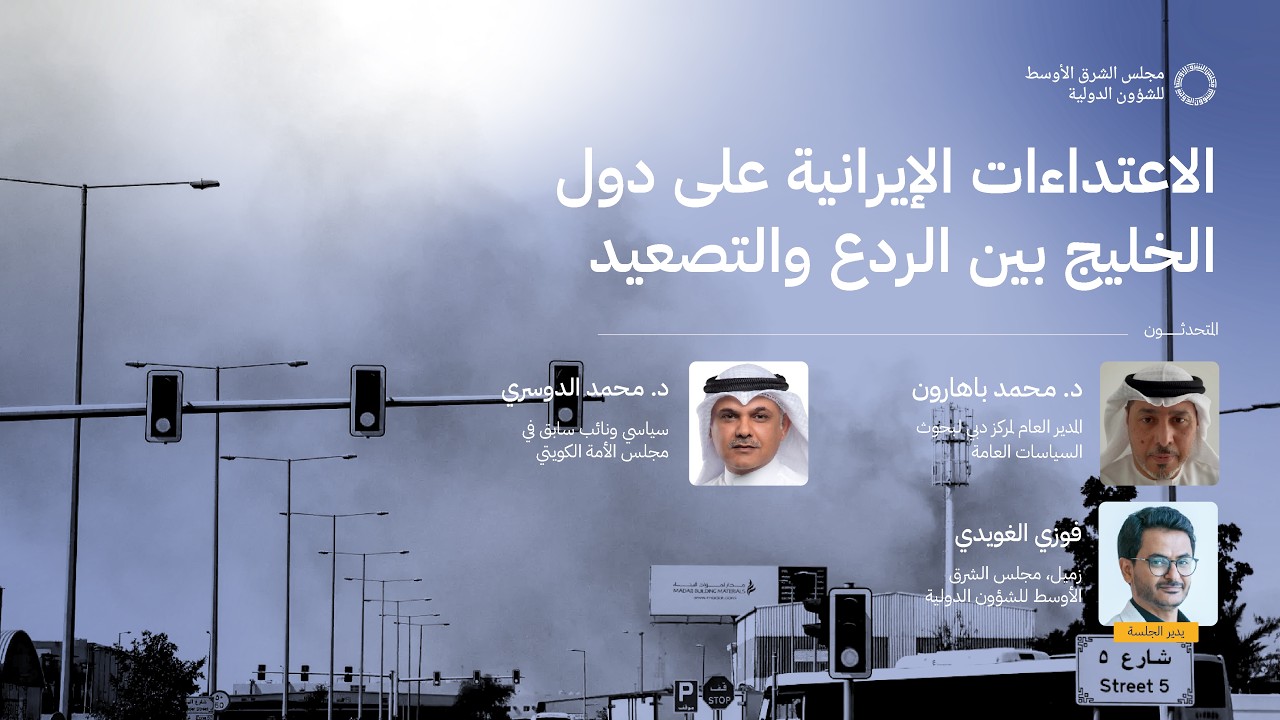
Webinar explores shifting Middle East alliances amid US-Israel-Iran war, focusing on Pakistan, Saudi Arabia, Turkey, and Egypt's emerging quadrilateral.
Key Takeaways
- Regional powers are recalibrating alliances in response to the US-Israel-Iran war.
- The Pakistan-Saudi Arabia-Turkey-Egypt quadrilateral represents a new strategic alignment focused on regional stability.
- Economic, security, and identity factors drive Pakistan's increased Gulf engagement.
- Saudi Arabia prioritizes mediation and damage limitation while maintaining strong defense pacts.
- Enhanced GCC cooperation demonstrates regional integration amid crisis.
Summary
- The US-Israel-Iran war has triggered regional powers to reassess their strategic postures, emphasizing regional cooperation.
- A new quadrilateral alliance has emerged, involving Pakistan, Saudi Arabia, Turkey, and Egypt, driven by shared concerns over instability and skepticism of external security guarantees.
- Pakistan's expanding regional role is motivated by economic ties, national security, and identity, balancing relations with Saudi Arabia and Iran.
- Saudi Arabia aims to avoid war through mediation but is prepared to deter aggression, coordinating closely with GCC and external allies.
- The Gulf Cooperation Council (GCC) has shown enhanced military, security, and logistical cooperation in response to the conflict.
- The quadrilateral faces challenges due to the complex political contexts of each member and the region's volatility.
- Experts discuss drivers of strategic shifts, obstacles to comprehensive frameworks, and the durability of emerging regional alignments.
- Pakistan plays a significant role as a mediator while managing internal pressures and external alliances.
- Saudi Arabia's calculus balances ending the war without rushing into a bad deal, mindful of regional and global economic impacts.
- The conflict is framed as a global issue requiring containment and broad stakeholder involvement.