How to Get Rid of Loose, Flabby Skin (SKIN TIGHTENING) — Transcript

Learn natural methods to tighten loose, flabby skin by improving collagen, elastin, hormones, and nutrition without surgery.

Key Takeaways

  • Loose skin results from collagen and elastin breakdown influenced by hormones and lifestyle factors.
  • Stimulating growth hormone through short, intense exercise and a ketogenic diet supports skin tightening.
  • Proper nutrition including fat-soluble vitamins A and C, and healthy fats is critical for skin health.
  • Managing stress and getting enough sleep are vital to prevent cortisol-induced collagen breakdown.
  • Insulin resistance hinders skin repair by blocking nutrient absorption necessary for collagen and elastin.

Summary

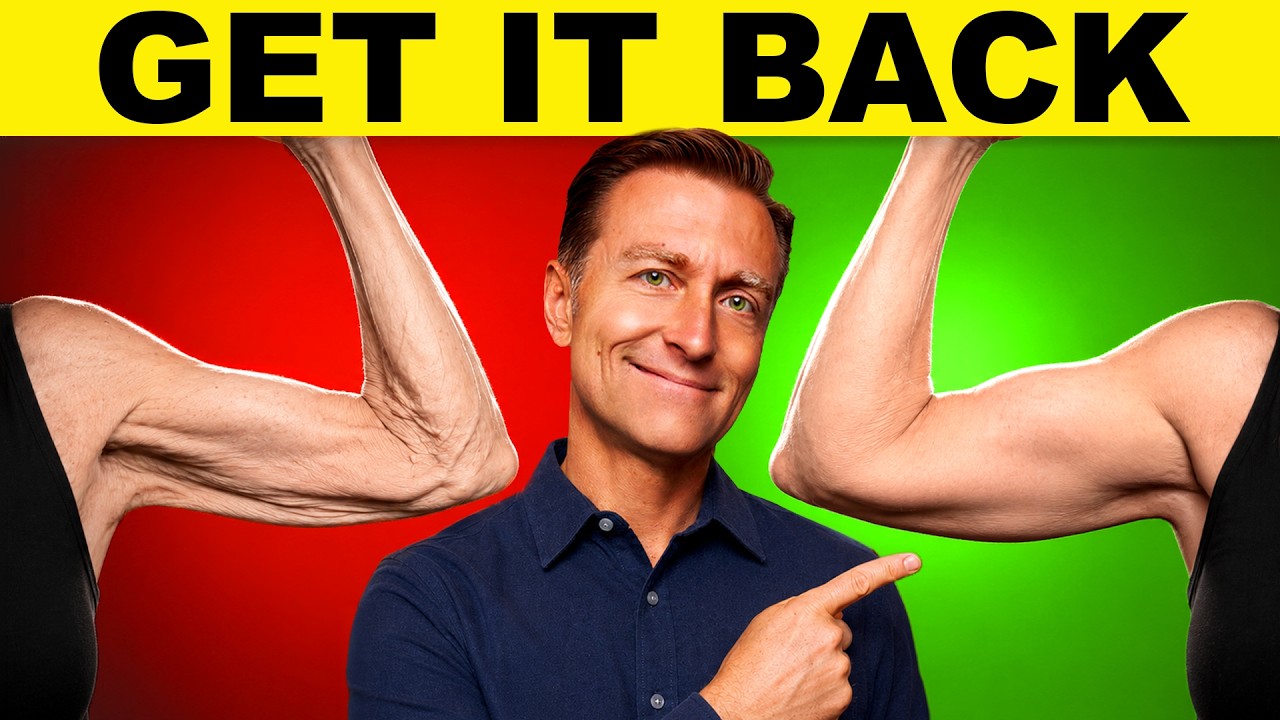
  • Loose skin occurs when skin is overstretched and collagen and elastin fibers lose their elasticity.
  • The main causes include aging, significant weight loss, excessive sun exposure, pregnancy, smoking, diabetes, and stress.
  • Hormones play a crucial role: cortisol breaks down collagen while anabolic hormones like growth hormone and insulin promote collagen and elastin production.
  • High-intensity interval training (HIIT) and short bursts of intense exercise stimulate growth hormone release.
  • A low-carb ketogenic diet helps inhibit glucose which suppresses growth hormone and improves insulin sensitivity.
  • Adequate sleep and stress management are essential to support growth hormone production and skin repair.
  • Vitamin A (retinol form), vitamin C, and sufficient dietary fat from animal sources are key cofactors for collagen and elastin synthesis.
  • Insulin triggers elastin production but insulin resistance impairs nutrient uptake needed for skin repair.
  • Avoid low-fat diets as skin health requires fat-soluble vitamins and healthy fats for optimal function.
  • Overtraining and chronic inflammation can worsen skin condition, so balance exercise with recovery.

Full Transcript — Download SRT & Markdown

00:00
Speaker A
In this video, I'm going to share some tips on how to deal with loose skin, how to tighten up your skin, and to do it naturally so you could hopefully avoid some of the surgeries they do or more invasive type treatments.
00:12
Speaker A
invasive type treatments now what exactly is loose skin well your skin has been overstretched to the point where it has not come back to its original form it's like taking this rubber band and stretching it out but the rubber band
00:27
Speaker A
Now, what exactly is loose skin? Well, your skin has been overstretched to the point where it has not come back to its original form. It's like taking this rubber band and stretching it out, but the rubber band
00:45
Speaker A
question people have is should I just start eating more collagen that help typically it is not a lack of the consumption of collagen that causes this problem usually this problem comes from getting older losing a lot of weight can
01:01
Speaker A
doesn't come back to the original form. So, what is going on with that? Well, there's two main problems: a problem with your collagen and also a deeper fiber called elastin, which is supposed to give the collagen some elasticity. And so the
01:14
Speaker A
fibers so let's just dive into all the different component parts and the things that you can start doing immediately let's start with hormones okay you have two different sets of hormones you have those hormones that build up your
01:27
Speaker A
question people have is, should I just start eating more collagen? Will that help? Typically, it is not a lack of the consumption of collagen that causes this problem. Usually, this problem comes from getting older, losing a lot of weight, which can
01:42
Speaker A
down it breaks proteins down and collagen and elastin is protein so of course you have the stress component that activates cortisol on the flip side you have hormones that are do the opposite they're anabolic hormones like growth hormone which is also everything
01:59
Speaker A
produce loose skin, excessive sun exposure, going through pregnancy, smoking has a risk factor, being a diabetic can give you a lot of loose skin, or even going through a lot of stress can create a lot of breakdown of these collagen
02:25
Speaker A
more intense you do this exercise the more stimulation of growth hormone you're going to create so what would that be well sprinting hopping on some type of elevation that's called Plyometrics spin bike anything that involves intensity but the key is keeping it short so you
02:43
Speaker A
fibers. So, let's just dive into all the different component parts and the things that you can start doing immediately. Let's start with hormones.
02:58
Speaker A
five days making sure that inflammation and that recovery is happening also what inhibits growth hormone is glucose so this is why you need to be on a low carb ketogenic diet now the other important factor with growth hormone is getting
03:14
Speaker A
Okay, you have two different sets of hormones. You have those hormones that build up your collagen and elastin, and then you have hormones that break down the collagen and connective tissue within the skin. The main hormone that does that is cortisol, and cortisol is a catabolic hormone, which means it breaks tissue
03:27
Speaker A
of the videos I have down below regarding that one topic but in this video I'm just going to cover all the different points and then you can see what you need to focus on later this next thing is very interesting there's
03:38
Speaker A
down. It breaks proteins down, and collagen and elastin are protein. So, of course, you have the stress component that activates cortisol. On the flip side, you have hormones that do the opposite. They're anabolic hormones like growth hormone, which is also everything
04:01
Speaker A
fascinating because you would think just the opposite because you're probably thinking diabetics well in Diabetes Type 2 you have a situation where you have insulin resistance you have a lot of insulin going through the body but not in the cells because the cells are
04:19
Speaker A
about anti-aging and burning fat. But growth hormone has a very specific purpose in helping proteins grow: muscle, collagen, connective tissue, etc. And there's three main ways to spike growth hormone. Number one: high-intensity exercise training with specific emphasis on intensity. The
04:35
Speaker A
correct this and get more insulin you basically fix insulin resistance and you do that with the ketogenic diet intermittent fasting and you also do that with exercise now the other problem with insulin resistance is it blocks your ability to get fuel get nutrients
04:55
Speaker A
more intense you do this exercise, the more stimulation of growth hormone you're going to create. So, what would that be? Well, sprinting, hopping on some type of elevation—that's called plyometrics—spin bike, anything that involves intensity. But the key is keeping it short so you
05:12
Speaker A
resistance to be able to then pull in these amino acids and also prevent atrophy which is a loss of muscle all right the next thing I'm going to talk about is related to collagen and elastin there are cofactors there are nutrients
05:26
Speaker A
don't overtrain. Thus, high-intensity interval training, right? So, you're not going to do a sustained high intensity; you're going to do short bursts of high intensity with lots of rest in between. So, you might rest for two, three, four,
05:42
Speaker A
talking about the active form of vitamin A retinol which only comes from animal products right like egg yolks cod liver oil fatty fish butter versus spinach which has the beta-carotene but that has to convert into the active form and a
05:59
Speaker A
five days, making sure that inflammation and that recovery is happening. Also, what inhibits growth hormone is glucose, so this is why you need to be on a low-carb ketogenic diet. Now, the other important factor with growth hormone is getting
06:17
Speaker A
up collagen in fact all of the fat soluble vitamins are really important in your skin and so this is why going on a low-fat diet is very bad for skin Health here's a diet that I came across while I
06:31
Speaker A
enough sleep, which also crosses over to helping you with the stress. So, if you're trying to build up growth hormone and you're not sleeping, it's going to be a huge problem. If you have a problem sleeping, you probably need to watch some
06:47
Speaker A
amounts of fat in moderate protein in this diet it was low fat low carb and the protein that was recommended were in these packaged foods like soy protein isolates so you have this lean process protein that they were giving these
07:07
Speaker A
of the videos I have down below regarding that one topic. But in this video, I'm just going to cover all the different points, and then you can see what you need to focus on later. This next thing is very interesting. There's
07:22
Speaker A
tell a lot about what's going on internally by just looking on the external part of someone's body and the more low fat you do the less fat cyber vitamins you're going to have and your skin needs a good amount of fat the next
07:34
Speaker A
another anabolic hormone—anabolic meaning building up proteins—and that is insulin. Insulin induces or triggers new elastin. Remember that type of connective tissue that allows the elasticity in your skin to keep it like a rubber band? Well, insulin triggers that, which is
07:56
Speaker A
available form so just the fact that I mentioned these two cofactors tells us what kind of diet you need you need to do animal products that are not lean okay that are a bit more fatty to get both the retinol as well as the iron
08:10
Speaker A
fascinating because you would think just the opposite, because you're probably thinking diabetics. Well, in type 2 diabetes, you have a situation where you have insulin resistance. You have a lot of insulin going through the body but not in the cells because the cells are
08:23
Speaker A
of people do plant-based end up eating too many grains to omega-6 fatty acids which just filled their body up with inflammation and worsen the situation all right the last cofactor is vitamin C and I want to mention something about
08:36
Speaker A
resistant. Yet, the other parts of the body might have too much insulin. With diabetes and insulin resistance, which is the majority of the population, you have a situation where you have an insulin deficiency, which could definitely create a problem with insulin. So, how do you
08:49
Speaker A
make sure that you're either doing a food-based concentrate or you're doing foods that are high in vitamin C and one of the best foods for that would be sauerkraut sauerkraut hands down has more vitamin C than any other food it's
09:06
Speaker A
correct this and get more insulin? You basically fix insulin resistance, and you do that with the ketogenic diet, intermittent fasting, and you also do that with exercise. Now, the other problem with insulin resistance is it blocks your ability to get fuel, get nutrients,
09:20
Speaker A
over train when you exercise you're creating new vascularization it's called neovascularization and you're getting new blood vessels where you're carrying more nutrients and more circulation which is what you want to do you're also going to build up more muscles just
09:37
Speaker A
and receive amino acids. So, the very building blocks of protein that you need to build for collagen and elastin are going to be inhibited when you have insulin resistance. So, ultimately, part of this plan has to include fixing insulin
09:52
Speaker A
hormone if you do the high intensity animal training and then there's prolonged fasting okay prolonged fasting gives you what's called an epigenetic effect on skin because you're putting your body into an autophagy state where it's recycling old damaged proteins and
10:11
Speaker A
resistance to be able to then pull in these amino acids and also prevent atrophy, which is a loss of muscle. All right, the next thing I'm going to talk about is related to collagen and elastin. There are cofactors, there are nutrients
10:24
Speaker A
this protein is combining with the sugar to make the protein unavailable so a diabetic has a lot of glycated proteins and that's how they measure it in A1C for example is a situation when you have this average blood sugars for three
10:43
Speaker A
that help the development of collagen and help the creation of elastin. The most important cofactor, okay, is vitamin A. And I'm not talking about what most people think about vitamin A, which is beta-carotene, which is the precursor. I'm
10:57
Speaker A
glycated effect but that damage or glycation effect also happens in the eyes and the kidney and the arteries and the brain and the nerves all over but it also happens in the Skin So if you have glycation going on in the collagen and
11:13
Speaker A
talking about the active form of vitamin A, retinol, which only comes from animal products, right? Like egg yolks, cod liver oil, fatty fish, butter, versus spinach, which has the beta-carotene, but that has to convert into the active form, and a
11:26
Speaker A
rid of some of this glycation by doing prolonged fasting like three days or longer when you do that your body starts to clean up this damaged protein and recycle it and rejuvenate it so that's a really cool thing that you can do and
11:42
Speaker A
lot of people don't convert very much of it. Unfortunately, they change the definition of vitamin A to mean both the precursor beta-carotene as well as retinol, but they're two completely different molecules. So, vitamin A is a really important cofactor for building
11:56
Speaker A
fasting gives you hermetic effect so does exercise but there's other things too like heat in cold putting ice cold water on your face and then putting warm or hot water in your face back and forth can create this
12:11
Speaker A
up collagen. In fact, all of the fat-soluble vitamins are really important in your skin, and so this is why going on a low-fat diet is very bad for skin health. Here's a diet that I came across while I
12:26
Speaker A
well then you're going to have to do it for the rest of the body now I want to mention something about Sun for a second because too much sun is very bad on your skin and what I mean by that is if you
12:38
Speaker A
was in practice. People were doing this diet called Ideal Protein. Well, was it ketogenic? Yes, it was low carb, but it was also low fat. Typically, the healthy version of the ketogenic diet is not low fat, okay? It's higher
12:53
Speaker A
depends on how much melanin you have the color of your skin and if you're very very fair complected you're going to burn very easily so that is the other variable you have to watch out for so I covered a lot of different things that
13:06
Speaker A
amounts of fat in moderate protein. In this diet, it was low fat, low carb, and the protein that was recommended was in these packaged foods like soy protein isolates. So, you have this lean processed protein that they were giving these
13:18
Speaker A
be prolonged fasting now I have a video on this which I also include an additional thing you should do if you have loose skin if you're doing prolonged fasting and that is taking certain amino acids so that way
13:33
Speaker A
people, and what I noticed, a person in this program, they just looked older with their skin. The skin looked very unhealthy. They looked like it aged. It was dried out. It looked wrinkly, and so did the hair. So, you can
13:46
Speaker A
benefits of the amino acids that can help build this connective tissue and elastin and I put that video up right here check it out
Topics:loose skinskin tighteningcollagenelastingrowth hormoneketogenic diethigh intensity exercisevitamin Ainsulin resistancenatural skin care

Frequently Asked Questions

What causes loose, flabby skin?

Loose skin is caused by overstretching that damages collagen and elastin fibers, often due to aging, weight loss, sun exposure, pregnancy, smoking, diabetes, and stress.

How can exercise help tighten loose skin?

Short bursts of high-intensity exercise stimulate growth hormone production, which promotes collagen and elastin synthesis, helping to tighten skin naturally.

Why is a ketogenic diet recommended for skin tightening?

A ketogenic diet lowers glucose levels that inhibit growth hormone, improves insulin sensitivity, and supports the anabolic hormones necessary for collagen and elastin production.

Get More with the Söz AI App

Transcribe recordings, audio files, and YouTube videos — with AI summaries, speaker detection, and unlimited transcriptions.

Or transcribe another YouTube video here →