Skip to content
Get App

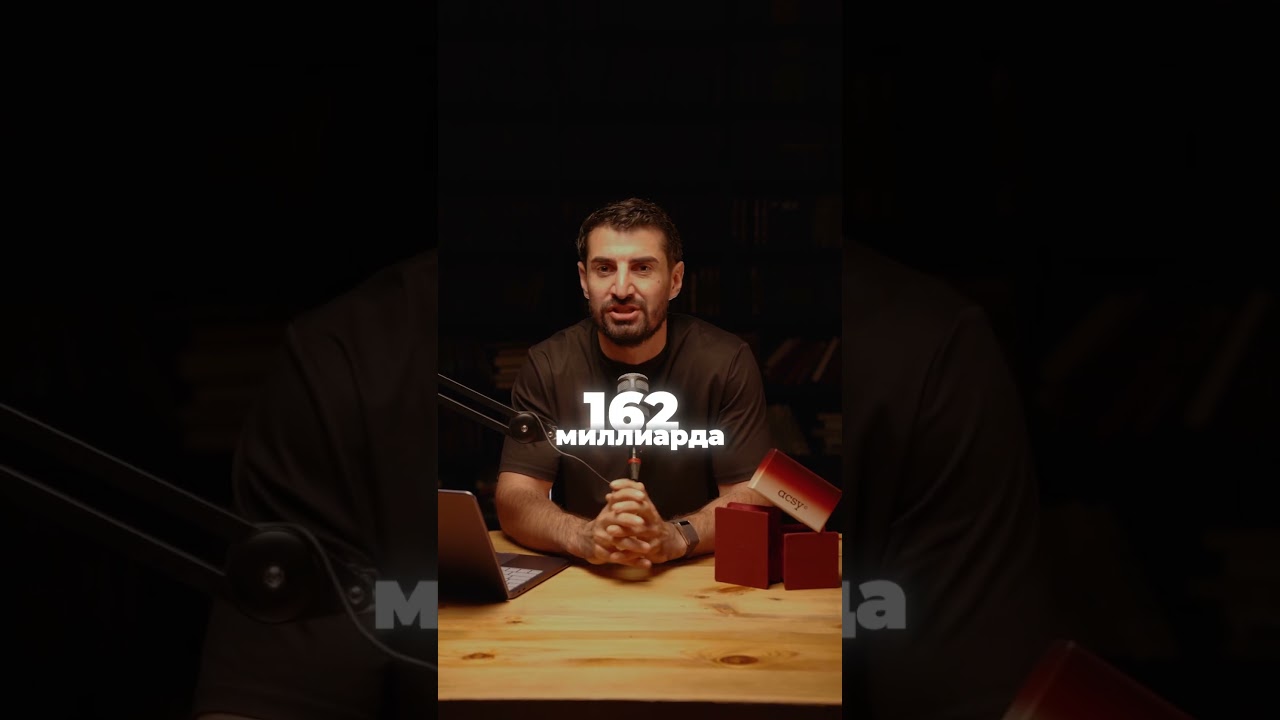
Вся БАЗА по Статьям Уголовного Кодекса за 45 минут

Comprehensive overview of key Criminal Code articles covering murder, negligence, and violent crimes in Russia, explained clearly in 45 minutes.

Key Takeaways

  • Intentional murder requires deliberate intent to kill; negligence leading to death is treated differently under the law.
  • Article 105 covers murder with varying degrees of severity and punishment depending on circumstances.
  • Indirect intent involves awareness of possible death but without direct desire to kill, carrying nearly the same penalties as murder.
  • Privileged offenses exist for specific cases like newborn murder by the mother, with significantly lighter sentences.
  • Understanding these distinctions helps in correctly qualifying criminal acts and anticipating legal consequences.

What the video covers

  • The video explains the main articles of the Russian Criminal Code responsible for 90% of imprisonments.
  • It distinguishes between types of homicide: intentional murder, causing death by negligence, and indirect intent.
  • Detailed analysis of Article 105 on murder, including simple and aggravated murder with penalties ranging from 6 years to life.
  • Explains the absence of 'negligent homicide' as a legal term and clarifies how death caused by negligence is prosecuted under Article 109.
  • Discusses privileged offenses such as the murder of a newborn by the mother with reduced sentences.
  • Examples illustrate how different scenarios fit into various articles, including indirect intent and aggravated circumstances.
  • The video covers the legal nuances of bodily harm leading to death under Article 111.
  • Provides practical test questions to help viewers understand how to qualify criminal acts.
  • Mentions other related crimes and their punishments, including robbery, theft, and violence against officials.
  • Highlights the importance of understanding criminal law to be prepared for potential criminal situations.

Answers

Questions about this video

What is the difference between intentional murder and causing death by negligence?

Intentional murder involves deliberately causing another person's death and is prosecuted under Article 105 with severe penalties. Causing death by negligence occurs when death results from careless or unintentional actions, prosecuted under Article 109 with lighter sentences.

Are there any reduced sentences for certain types of murder in Russian law?

Yes, privileged offenses such as the murder of a newborn child by the mother within one month of birth carry reduced sentences of up to five years, reflecting mitigating mental or situational factors.

What does indirect intent mean in the context of murder?

Indirect intent refers to situations where the perpetrator is aware that their actions may cause death but does not specifically desire it. This carries penalties nearly as severe as intentional murder but may be slightly mitigated by courts.

Full Transcript — Download SRT & Markdown

00:02
Speaker A
The parquet floor creaked as I placed it on my desk. A large collection of tea roses.
00:08
Speaker A
What happens if you pick up a lost phone in the park? Will you get jail time for ordering a sick note for college or work? What murder will you most likely not even go to jail for?
00:20
Speaker A
Criminal situations can happen in our lives, and it's important to be prepared for them and understand the cost of your actions. In this video, we'll examine all the main articles of the Criminal Code, under which 90% of all criminals are imprisoned. Enjoy! In
00:36
Speaker A
the previous video, we covered the very basics of how the Criminal Code works. By the way, if you haven't watched it, I highly recommend it. This will give you a comprehensive understanding of criminal law. Now, we'll talk about the
00:48
Speaker A
articles themselves. We'll go through the code sequentially, section by section, covering the most important, widespread, and frequently encountered articles. So, without further ado, let's get started. First section right away: "Swearing, Murder, and Naked Systems." Because the first block of articles in
01:05
Speaker A
the Criminal Code deals with crimes against life and health. These are violent articles. Let's start with a small, tricky problem. But by the way, those who watched the previous video may well answer correctly. Imagine a man angrily throws a small pebble at
01:21
Speaker A
another man's head, intending to leave a large bruise. But instead of causing a bruise, the pebble hits his temple, and the man dies. How will we prosecute him? For what? If you were convicted of negligent homicide or manslaughter, I
01:41
Speaker A
have an interesting detail of criminal law for you. There is no such thing as negligent homicide. Because the article defines "murder" as the intentional causing of another person's death.
01:53
Speaker A
Intentional. It is impossible to intentionally commit something negligently. So, it wouldn't be murder, not Article 105, which carries a maximum sentence of 20 years, but Article 109—causing death by negligence, which carries a maximum penalty of two years for the murder of
02:09
Speaker A
one person. The key feature of this article is that, under it, the perpetrator's initial action is aimed at anything but death or the threat of death. Incidentally, it could be minor or even moderate bodily harm. Serious bodily harm is not allowed, because it
02:23
Speaker A
already threatens life. For example, a broken arm or a broken nose cannot lead to death in any way. Or the perpetrator could have committed some seemingly harmless act. The death itself is always caused by an external contributing factor that the
02:36
Speaker A
perpetrator didn't consider, but should have. For example, falling headfirst onto a curb after a blow, or, for example, look at this video. A friend, thinking nothing terrible will come of her actions, pushes her friend off an eighteen-meter bridge. As a joke, for
02:51
Speaker A
an extra adrenaline rush, not realizing that she could thereby cause the girl's death. The girl lands very awkwardly and nearly dies. Luckily, everything turned out alright. But if she had died, that would have been a clear case
03:01
Speaker A
under Article 109 of the Criminal Code of the Russian Federation. But there's another type of negligence, when it's not some contributing factor you failed to consider that leads to death, but your direct actions. If, for example, death resulted from severe injuries,
03:15
Speaker A
like a man overdoing it with a beating and killing another, that would be Article 111. Inflicting grievous bodily harm, with a clarification in Part 4 of what led to death. Yes, Part 4 is the most severe of all these sections, and
03:29
Speaker A
carries a sentence of up to 15 years. Well, it's the middle section in terms of punishment among the three. However, under Article 111, what's important is not wanting the other person to die. So, even if you don't care, it would
03:41
Speaker A
still be murder, but with indirect intent. Indirect murder is either a side effect for the perpetrator of a primary action, such as setting a house on fire out of revenge against the owner, knowing there are people there but not caring. Or, say, during a
03:56
Speaker A
robbery, the robber sees the cashier reaching to press the panic button and shoots him. What kills him? This would also be considered indirect intent. The robber was aware of the shot, but he didn't care. So, you shouldn't have any
04:10
Speaker A
personal negative feelings towards the target. And there's another situation where indirect intent can exist. Here's a clear example. The ending of the film "Needle" with Viktor Tsoi. The killer has some kind of emotion for the person. He inflicts life-threatening harm on
04:23
Speaker A
the person. He stabbed him twice in a dark park where no one else is. The reason could be revenge or situational arousal, but the main point is that he doesn't deliver a finishing blow or wait for him to fall to the ground, for
04:35
Speaker A
example. Soy escapes and may well survive thanks to outside help. But the criminal doesn't care whether this happens or not. Indirect intent carries a punishment practically the same as for murder. Well, only slightly less severe, because the statute is the same,
04:49
Speaker A
but the fact that you didn't particularly want the person to die will be taken into account by the court. So, we've looked at all the different ways to cause death. And this is the sequence in which all the possible
04:59
Speaker A
methods are arranged. And, by the way, knowing these statutes, you can already qualify most situations involving causing death. Yes, yes. Well, let's test how much you've learned with a little problem. During a personal conflict, Reboy punches his friend in
05:14
Speaker A
the jaw. He didn't intend to reset it, but his friend, standing on the veranda, loses consciousness, falls, and hits his head on the stairs, suffering an open craniocerebral injury and dying.
05:24
Speaker A
Under what article would this act be classified? The correct answer is causing death by negligence, because the initial blow wasn't intended to cause death. He simply wanted to break the jaw. But the wanker didn't consider that they were standing in a dangerous
05:42
Speaker A
situation and that the person could fall after the blow and end up smashed. Therefore, it's negligence. You see, it's not that complicated. But let's return to Article 105. The article itself is divided into two parts.
05:53
Speaker A
Simple murder, which carries a penalty of 6 to 15 years, and aggravated murder, meaning with aggravating circumstances, for which you face 8 to 20 years or life in prison. The aggravated section of the article covers a wide range of circumstances,
06:06
Speaker A
such as murder committed in a socially dangerous manner or for hooligan motives, and so on. This is all clear.
06:11
Speaker A
But there's an interesting nuance. Among the aggravating circumstances is a clause on the murder of a clearly helpless person. Such people include children, the disabled, and so on, but the plenum removed sleeping adults, even perfectly healthy people, from
06:23
Speaker A
this list. That is, if you kill an adult while he's asleep, you'll be tried under the lighter section of this article. If intentional murder is committed under special circumstances, it's covered in separate articles with a much more lenient punishment. These
06:36
Speaker A
are the so-called privileged offenses. This is the most interesting part. There are three such offenses. The first is the murder of a newborn child by a mother. It carries a sentence of only up to five years. For a person,
06:47
Speaker A
that's very little. But it's important to get the timing right if a mental problem arises that doesn't preclude sanity—that is, not severe schizophrenia, but, for example, depression or simply tension, fear, the father's refusal to acknowledge the child, and so on. If she commits the
07:02
Speaker A
crime within approximately one month of the child's birth, the woman will be leniently punished under this article.
07:08
Speaker A
If, however, the mental problem, which doesn't preclude sanity, occurs after the month, she will be tried strictly under Article 105, with a qualifying element. She faces up to 20 years. The fact is that after a month, a child is
07:21
Speaker A
considered a pre-natal child. The deficiencies under Article 106 are removed, but the aggravating element of
07:34
Speaker A
prosecute them for complicity. But under another article, there's such a gap between the articles. Since only the mother can be the subject of Article 106, she'll get off easy. But those who incite her will be charged under Part 2 of Article 105, which
07:50
Speaker A
again carries a sentence of eight to life. Then there's murder in a state of passion. What is a state of passion? A sudden, short-term state of intense emotional distress, in which a person's consciousness sharply narrows and their ability to control their actions is
08:06
Speaker A
reduced. Well, it's easier to identify a state of passion using two essential factors. The cause of the passion is the victim's bad behavior: violence, bullying, serious insult, or a prolonged, traumatic situation. For example, someone has been bullying for
08:22
Speaker A
months, and then suddenly, bam, a state of passion occurs. This, by the way, is the second sign. Suddenness. The reaction occurs immediately after the provoking event or at the peak of prolonged pressure. The effect will be confirmed by an expert examination,
08:34
Speaker A
making it virtually impossible to fake. But the sentence under this article is even lower, up to three years in prison for the murder of one person. And Article 108. Murder for exceeding the limits of necessary self-defense. We discussed this in more detail in the
08:48
Speaker A
previous video. So, in short, this is a situation where you defend yourself but cause harm disproportionate to the threat. That is, someone threatened your money, and you took your life.
08:59
Speaker A
This is incomparable. Or you were threatened with moderate bodily harm, and you did it again. All of this would be considered excessive force. For example, a girl stabbed a large man in the stomach while he was harassing her,
09:10
Speaker A
groping her buttocks and pressing against her. This happened at a bus stop, and the man was unarmed. The man ultimately died. This would be excessive force because the girl could have run away or hit him in the groin,
09:23
Speaker A
but she decided to inflict life-threatening harm, which could have , and ultimately did, result in death.
09:28
Speaker A
Warning: this is a difficult task. A worker was working in a workshop when a fat man, intoxicated and drinking from a bottle, approached him and persistently offered to join him for a drink. When the worker refused, the fat
09:39
Speaker A
man began insulting him, grabbed his clothes, then picked up an axe and struck him in the left chest. The worker dodged the second blow. The axe only caused a scratch on his neck.
09:50
Speaker A
Ignoring the worker's demand to drop the axe, the fat man swung at him again . However, the worker snatched the axe away, leaving the fat man unarmed, and struck him fatally on the head. This is a difficult question. I advise you to
10:04
Speaker A
use your intuition as a guide. Is there an excess of self-defense here? It is not. The Supreme Court clearly stated that taking away a weapon in the moment does not mean the threat to life has disappeared. This is still an
10:20
Speaker A
aggressive person who wants to kill you , who can snatch the axe back and finish the job. So, what's the maximum sentence you get for speeding? Two years, and that's all. That's even less than a newborn. But for the court to
10:34
Speaker A
find it speeding, and not premeditated murder, there needs to be, well, a real threat. That is, the man actually harassed her. But if he'd simply said some vulgar things and the girl stabbed him, that would be pure murder. But
10:46
Speaker A
there's also a more harmless form of murder: verbal murder or the threat of murder. Article 119. The penalties there are only up to two years. But if you threatened murder out of hatred towards various social groups or in
11:00
Speaker A
connection with someone's official duties (and this isn't a police officer , it's any job, like an office worker) or even the performance of a public duty—that's how it's worded, and it all sounds pretty vague—then you could face up to five years. So, it's
11:16
Speaker A
not just a threat to a migrant worker, for example. The senior resident complained about a neighbor making noise at night. He threatened to kill her, and he's now facing up to five years in prison. So the ice is very
11:27
Speaker A
thin here. But not every time someone shouts, "I'll kill you," it's considered a threat. This isn't about male or female behavior, it's about the Criminal Code, after all. Therefore, the key point of the article is the concept of reality, of threat. The
11:39
Speaker A
article states it directly: "If there were grounds to fear that this threat would be carried out, the victim's fear must have real grounds. The court evaluates the personality of the person making the threat. Was he drunk, aggressive, had a previous conviction,
11:52
Speaker A
whether he had a weapon or an object used as a weapon, the situation, and so on. An interesting point about weapons.
11:57
Speaker A
If a person threatens with a real knife or a loaded pistol, the reality of the threat is easily proven. But if he threatens with a toy gun, a model or an unloaded weapon in the dark or in another similar situation, the article
12:09
Speaker A
will still apply. If the victim did not know that the weapon was not real and could objectively believe in the danger , the threat is considered real. And in a state of shock, a conventional stick can be mistaken for a knife. In this
12:23
Speaker A
case, the threat will also be real. Further articles on causing varying degrees of harm to health, but without deaths. Question. Imagine a common situation-a domestic quarrel. A fifteen-year-old boy breaks your lip, gives you a black eye, breaks your nose
12:37
Speaker A
or cuts off your A fingernail phalanx or a tooth knocked out. All of this is considered minor bodily harm. Is he subject to criminal liability for all of this? What do you think? No, he is not subject to criminal liability,
12:51
Speaker A
because liability for causing minor bodily harm only begins at the age of 16. So, all of these articles, except for causing serious bodily harm, imply intent. That is, they cannot be accidentally committed through negligence. If you accidentally cause
13:03
Speaker A
minor or moderate bodily harm, there will be no criminal penalty for it. You will essentially simply be compensating the victim for the injury you caused them. And only if they file a lawsuit.
13:13
Speaker A
This will then be a civil relationship, not a criminal case. So, how do you determine what harm was caused to a person? The main criterion is the duration of their incapacity. That is, how long they cannot return to work,
13:25
Speaker A
for example, because of this injury. For minor bodily harm, this is a health disorder of up to 21 days. That is, you take less sick leave. More than 3 weeks or a permanent loss of up to 10%of working capacity. This is something
13:36
Speaker A
irreversible. In this case, as we have already discussed, this is, for example , the loss of a fingernail phalanx or the loss of one of two permanent teeth.
13:44
Speaker A
For a moderate case, this is a health disorder of 22 days or more, meaning more than 3 weeks of recovery will be required. And here, a permanent loss of working capacity of up to 1/3, up to 30 %. This is the loss of the thumb on the
13:56
Speaker A
dominant hand or the loss, for example, of two phalangeal bones on the ring finger or little fingers. And in a serious case, this is not just a temporary loss, but a life-threatening injury from the injuries received, the loss of something, a disruption of
14:09
Speaker A
bodily function, or a permanent loss of working capacity of more than 1/3. This is, for example, the loss of the entire hand, dislocation of one of the limbs, complete loss of sight, hearing. The age of responsibility for causing minor
14:21
Speaker A
bodily harm, as we already understood, is from 16, and for moderate and serious bodily harm from 14th.
14:26
Speaker A
Interestingly, in cases of minor or moderate bodily harm, you can reconcile with the victim, and everything will settle down. This applies, however, only if the crime was committed for the first time. However, if the person filed a complaint or the authorities
14:37
Speaker A
opened a case for causing serious bodily harm to someone, then withdrawing the complaint or reconciling will no longer be possible due to the criminal's extreme public danger. Also, be careful: under the article on minor bodily harm, they rarely give a real sentence, but what
14:52
Speaker A
if a participant in a fight grabs anything from a table—a rolling pin, a mug, even a cell phone or keys—and causes harm with it? These actions are automatically classified under the more severe section, Part Two of this article.
15:04
Speaker A
In fact, you were caught using objects used as weapons, and that carries a sentence of up to two years, but that's the maximum for the article on causing minor bodily harm. Under the article on moderate bodily harm, you
15:16
Speaker A
could be imprisoned for five years, and under the article on causing serious bodily harm, you could be imprisoned for up to eight years. But, By the way, when causing grievous and moderate bodily harm, it's also possible to exceed the limits of necessary
15:26
Speaker A
self-defense. That is, yes, you may not kill, but you're still exceeding the limits. Then you'll be charged under Article 114. For example, suppose you gouged out the eye of a thief who picked your pocket. This will most likely be considered excessive. This is
15:38
Speaker A
grievous bodily harm, but you're facing up to one year in prison for that. So, most likely, you'll get a suspended sentence. Poor thief. And the legislature has made minor bodily harm justified in any case. Well, because if someone commits a crime against you,
15:51
Speaker A
even the most minor one, then minor bodily harm will rightfully be your basic defense against this assault.
15:58
Speaker A
Next comes, probably, the most terrifying block of articles in the Criminal Code, the articles against sexual inviolability. Question: We have two articles. One is called rape, Article 131, and the other is an article on violent sexual acts, Article
16:12
Speaker A
132. Now imagine these two situations. A woman got someone drunk She drugged a man, put him to sleep, tied him up, gave him Viagra, and did everything she'd always dreamed of doing. The man was severely stressed. And another
16:25
Speaker A
situation. A woman of non-traditional sexual orientation raped another woman with some object. Under what article or articles will we judge each of these crimes? What do you think? This may be surprising to some, but in both situations there is no element of rape.
16:46
Speaker A
In both cases, it's not rape, but violent acts of a sexual nature. But essentially, the punishment under both articles is identical. Violent acts are everything except the classic position between a man and a woman, which occurs exclusively with the male genitalia on
17:02
Speaker A
the female genitalia. Yes. That is, rape cannot be committed by a woman, and the raped cannot be a man. But a woman can be an accomplice to rape, for example, by holding down the victims.
17:13
Speaker A
And the most interesting thing is, if the rapist first raped in the classic position and then decided to satisfy himself, for example, orally, this will cost him extra Years of life, because then a cumulative crime would arise.
17:25
Speaker A
After all, oral sex is already covered by Article 132. Both articles require the use of violence or threatening force. The rapist strangles the victim, threatens to beat, or threatens to strangle. If he used non-violent methods, such as psychological
17:38
Speaker A
blackmail or financial dependence, then this would be Article 133, coercion to perform sexual acts. That is, again, not rape, even though the position may be classical. And under this article, the punishment is, on average, five years less for each part of the article
17:53
Speaker A
. And you must agree, the victim experiences less stress in this case than with some violent act. A violent act is considered complete from the moment the sexual intercourse begins, and a violent act of a sexual nature is
18:04
Speaker A
considered complete from the moment these acts are committed. And the last article we will touch on in this section is Article 134: Sexual relations and other sexual acts with a person under sixteen years of age. For example, a boy of 17 He's 14, and she's
18:18
Speaker A
14. Everything's legal, everyone's happy. But then a year later, he's already 18, and she's 15. And they decide to start having sex. The girl's mother, who happened to peek into the room at the wrong time, sees all this
18:31
Speaker A
and runs to the police station to catch pedophiles and child lovers. Question: will the guy go to jail? What do you think? Even though the guy is already a subject of the article, he's 18. But if the guy committed such a crime for the
18:46
Speaker A
first time, and the age difference between the defendant and the victim is less than 4 years, for example, he's 18 and 5 months old, and she's 15, then the defendant won't be sentenced to imprisonment. They could assign forced
18:59
Speaker A
labor, for example, or community service, but that's the maximum. The legislator assumes that it's not worth ruining the lives of both children. But if the guy is 19, then he won't get off so easily. Although you'll be shocked
19:11
Speaker A
now. To avoid criminal punishment altogether, an eighteen-year-old boy only needs Marry the girl. Then he won't be punished at all. But there's no age limit in the clause on marriage.
19:22
Speaker A
So, in theory, he could be 20, 30, or 40 years old. If he marries this girl, if the marriage is officially registered, and the court finds that the public danger of the person and the act has ceased, the defendant will be
19:33
Speaker A
released from punishment. Let's raise the demographics. What can we say? Well , naturally, the greater the age difference, the lower the chance of getting off the hook under this clause.
19:42
Speaker A
A thirty-year-old guy, of course, is unlikely to get off easy in this matter . Let's move on to the next section.
19:48
Speaker A
And in it, in the section on crimes against the family, we have only one article. But what is it? Failure to pay . Article 157 of the Russian Federation accounts for 3.4%of all sentences.
19:59
Speaker A
That's tens of thousands of cases annually. By the way, all the previous articles are about rape, violent acts, grievous bodily harm, moderate bodily harm, and so on, and so on. Then, they all account for 10%. And alimony alone
20:11
Speaker A
accounts for almost half of that. That's it. So, a criminal case for non-payment can't be opened immediately . First, you have to owe a certain amount and receive an administrative fine. In general, an administrative fine that develops into a criminal case
20:23
Speaker A
is called, by the beautiful word," administrative prejudice. "So, if after the administrative fine, he continues to evade payment and he has no valid reason for this, then criminal liability ensues. The most interesting thing here is what these valid reasons
20:36
Speaker A
are. So, here they are, from left to right, but I'm afraid to disappoint you . These are a serious illness, a disability that makes it impossible to work, an operation, delayed wages to employers, or conscription into military service. Well, that's all,
20:48
Speaker A
basically. But here you may ask:" Well, let's say I'm a student, studying full-time, barely keeping up with my studies, so what should I do now, study and work at the same time? "I'm already barely surviving on my stipend, and my
20:59
Speaker A
parents are helping me with housing." Being a scientist won't affect your child support payments in any way.
21:04
Speaker A
Ultimately, it won't exempt you. There's a certain percentage of child support. It's calculated based on the number of children. One child is a quarter of the income, two children are a third of the income, and three children are half the income. So, you
21:16
Speaker A
rub your hands and say, "Well, hurry up and take a quarter or a third of my 5,000 ruble stipend." and get your 1,000, it's not that bad. "But don't be too quick to rejoice. In such a case, the court, by the way, appoints the
21:28
Speaker A
elements of a claim by the mother or father not as a percentage, but as a fixed monetary amount. And a fixed monetary amount is no longer tied to the debtor's salary. It is tied to the subsistence minimum for a child in the
21:40
Speaker A
region of residence. And it can be half of it or a quarter. In short, it could be, for example, 8,000. And so you'll still have to pay it in the end. But, by the way, at the same time, the good
21:50
Speaker A
news is that the fact that you're a poor student reduces your guilt. After all, you're not an unemployed idiot.
21:56
Speaker A
And often the debt simply accumulates over 4 years without administrative charges, and certainly without criminal charges. You'll just have to repay everything after graduation. So, having analyzed some tiny alimony, we can't even imagine how massive these articles actually are. If you remember, on Child
22:14
Speaker A
support accounts for 4%of all sentences at most, which is as much as half of all violent ones, which, let me remind you, is 10%. And the next, literally the next, 158, accounts for approximately 30%of sentences. This article is the absolute leader in terms
22:31
Speaker A
of the number of convictions by a huge margin. So, we move on to a new section : crimes against property. And we'll start right away with the king of not only this section, but of the entire Criminal Code. Article 158. Theft. Yes,
22:46
Speaker A
yes, it's the most common. And statistically, you have the highest chance of encountering this article in your lifetime. So get acquainted. Why is theft so popular? Theft affects so many areas of life. Stores, that is, all kinds of merchandise losses,
23:03
Speaker A
apartments, burglaries, cars, personal belongings, and so on. There are a million situations. And the threshold for the amount stolen is usually just 2,500. Sometimes there is none at all.
23:11
Speaker A
This article has a huge number of nuances, Because of which it's easy to fall under it without even realizing it . For example, how do you know if you've just found something? Well, a regular lucky find or already theft?
23:22
Speaker A
For example, you're walking through the park and see someone else's dead phone on a bench, say, an iPhone, and you take it. Do you think you'll get into trouble for this or not? Is it a find or a theft? You could be charged under
23:40
Speaker A
Article 158. The difference between a find and a theft is that someone might come back for it. You didn't find the phone in a remote forest or on an empty road, but in a place where someone was sitting with it and where they'll
23:51
Speaker A
definitely be looking for it. Well, even if you found the phone in a remote forest, if the phone has some information that allows you to identify the owner, you're screwed if you don't return it. Therefore, if you take the
24:02
Speaker A
phone and don't try to get it back, for example, by contacting a contact from their phone book or not If you take it to the police, you'll be charged with 158 Ukrainian criminal offenses. But let's take things one step at a time.
24:13
Speaker A
What is theft? Theft is the secret theft of someone else's property. It's important that the person stealing knows or believes—and it doesn't necessarily have to be true—that they're acting unnoticed. What's the fine threshold? As we've already said, it's 2,500 rubles. If the value of the
24:30
Speaker A
stolen item doesn't exceed 2,500, administrative liability applies, including arrest for up to 15 days, community service, and so on. If the amount exceeds 2,500 rubles but falls below the next threshold of 5,000, the penalty is up to two years. But here's
24:44
Speaker A
where the interesting and most dangerous aspect comes in. For example, someone finds someone else's contactless card and buys 30 rubles ' worth of gum at the store. Will we punish them for this, or is it still a minor offense? It turns out we will,
25:00
Speaker A
and quite a bit. From a legal perspective. He committed a serious crime. He faces up to six years in prison, not two. The thing is, you can be charged under this article for stealing even 10 rubles. In short, the
25:15
Speaker A
2,500 ruble threshold is waived if the theft is committed due to an aggravating circumstance, for example, stealing from a bank account using a card. So, yes, the amount stolen could be almost nothing, and you'll get even more than for simple theft, since your
25:28
Speaker A
offense will be classified under a more severe section of the article. Also, the threshold is irrelevant when picking someone else's pocket, and it doesn't matter what you took out, as long as it's something of minimal value . So, even if you took a 10-ruble coin
25:39
Speaker A
from someone's pocket, you're still facing Article 158 of the Russian Federation Code, which carries a sentence of up to five years. That's part two. And also, if the theft is committed by a group of people or involves breaking into a building or
25:49
Speaker A
residence, that is, The premises are, for example, a warehouse. Another problem. What do you think, a thief stole a 15 th-century gold coin from his friend, who in turn stole it from a museum? And the one who ultimately
26:02
Speaker A
stole the coin from the thief knew it was stolen. Will we punish him for this theft of stolen property? After all, the property is, in fact, illegal. We will, because the article sufficiently states that he secretly stole property
26:20
Speaker A
that was not his from another person. The theft itself is considered complete when the thief has already disposed of the stolen property, that is, it has come into his control. For a purse snatcher, this is the moment when he
26:32
Speaker A
stole it and walked away, and in the case of a bank account, the moment the funds are debited from the account.
26:37
Speaker A
Robbery would be logical to consider next. It is directly related to theft. If theft means you secretly stole something, then robbery means you stole , but openly. The robber ran up, He snatched the purse and ran away. It's a
26:50
Speaker A
classic robbery. But where is the line between robbery and theft? Question: What if the criminal reaches into a pocket, thinking no one is watching, but at that moment the owner notices him and shouts," Stop! "" A thief pulls
27:02
Speaker A
whatever he can find out of his pocket and runs away like a candle. Is this robbery or theft? Think about it. The crime is instantly classified not as theft, but as robbery. The key factor is subjective perception. The criminal
27:19
Speaker A
must understand that his actions have become obvious to others. This also works in the opposite direction. For example, if someone was observing the thief's actions, for example, a camera or a hidden witness. But the thief himself sincerely believed that he was
27:31
Speaker A
acting unnoticed by everyone. This is theft, not robbery. For robbery, audacity is critical, a direct disregard for the will of the owner or an eyewitness. Robbery can be with violence, but so light that it does not threaten life and health. After all, a
27:46
Speaker A
threat to life and health during robbery is already robbery. Well, you can, for example, push, inflict a single blow that will only cause short-term pain. That is, all such actions that, of course, cause Pain, but they don't yet reach the level of
27:57
Speaker A
even minor harm. That is, if a person is yanked by a belt and it causes a bruise or hematoma, the investigation almost always tries to charge non-life-threatening violence, upping the statute to the second part of this article—not simple robbery, but with
28:11
Speaker A
the use of violence, where the prison sentence is up to seven years, as opposed to the first part, the simplest , where it's four years. But, you see, it's not a particularly scary article.
28:21
Speaker A
The lower threshold only appears in the third part. True, it's already from six to twelve years. So, don't commit robbery in an organized group or for more than a million rubles. Robbery is considered complete not when the item
28:35
Speaker A
is seized, but when the perpetrator has a real opportunity to dispose of the seized property. Sell, throw away, hide , use. If someone immediately runs after the robber and detains him in a corner 50 meters away, this is only an
28:48
Speaker A
attempted robbery, even though he has already seized the property. And the third The article that follows the theft and robbery, completes the Trinity. Article 162 of the Criminal Code of the Russian Federation. Robbery . Robbery is when someone attacks a
29:01
Speaker A
person to take their money, things, or other property. And in doing so, they either actually use force that is dangerous to life or health, or threaten to do so. That is, robbery is the classic kind, when masked guys with
29:12
Speaker A
guns burst into a bank or somewhere else and shout at everyone, throw people on the floor, and so on. That is , essentially, robbery only with the use or threat of violence. There are four types of robbery: regular, more
29:23
Speaker A
serious, terrible, and the worst, where you will most likely serve ten years. So, if the robbery is committed simply with fists, you attack, beat, or threaten to beat and take away a bag, then you face up to eight years. If you
29:37
Speaker A
do the same thing, but with some kind of weapon, a knife, for example, or a pistol, then that's already Up to 10 years. Furthermore, if you do this with an unauthorized entry into someone else's home, break in, or for a sum
29:47
Speaker A
greater than 250,000 rubles, then the lower threshold of a full 7 years appears. So, yes, if you attacked with just fists, but without consent, entering someone else's home, then that's already the third part. And next , if as part of an organized group, or
29:59
Speaker A
for a sum greater than a million rubles , or with causing grievous bodily harm, that's already from 8 to 15 years.
30:05
Speaker A
Interestingly, robbery is considered complete at the moment of the attack itself, regardless of whether the attacker managed to take the money or not. That is, if the criminal jumped out with a knife and demanded a wallet, but the victim escaped, it would still
30:18
Speaker A
be completed robbery, precisely under Part 2 of Article 162, and not an attempt, and the criminal will face the same up to 10 years. An interesting point is that the code doesn't care what kind of weapon you have. Even if A
30:29
Speaker A
hastily made dummy. If the person you're attacking is taken in by it, scared by the dummy, and hands over the items, the dummy will be considered a weapon. If it's so poorly made that it only makes the victim laugh, it won't
30:42
Speaker A
be considered robbery. Another interesting point is that if the criminal uses a large or fighting dog to confiscate the victim's property, the animal is considered an object used as a weapon in judicial practice. We'll examine the next two articles of the
30:56
Speaker A
Criminal Code of the Russian Federation together, as they are often confused. The first article is fraud, Article 159 , and the second, embezzlement or misappropriation, Article 160. And the key point is that in both cases, the property ends up in the criminal's
31:08
Speaker A
hands without the use of force or nighttime break-ins. The victim literally hands it over. But why and how? That's the whole difference. First , let's look at fraud. Its essence is the theft of someone else's property or the acquisition of rights to it through
31:25
Speaker A
deception or abuse of trust. Here The victim is misled, and they voluntarily give up their money or rights to property. The main marker of fraud is intent. Intent arises before the money is received. The criminal initially had no intention of fulfilling their
31:42
Speaker A
obligations. From the very beginning, they used fictitious documents, shell companies, non-existent assets, and so on. If the insidious plan matured after the money was legally in their hands, then this is precisely misappropriation or embezzlement. Well, it looks like I
31:57
Speaker A
just lost 30 gold coins. Here you go. Now give me my gun back. I guess not.
32:04
Speaker A
What does that mean? I'd rather keep it for a while. Just wait, bastard. The effect of digitalization has made fraudsters sophisticated, so legislators have had to prescribe a whole range of articles for various fraudulent situations. Just take a look
32:21
Speaker A
. Well, let's see how the liability grows in the most basic article. Part one is the simplest deception. Without these expectancies, you only face up to 2 years in prison. But what should the amount of damage be? The amount should
32:32
Speaker A
not be more than 5,000 rubles. Damages over 5,000 rubles are considered significant. The assessment of significance depends on the financial situation of the victims. Well, at least 5,000 rubles. For a student, 5,000 and 7 are a significant blow, but
32:47
Speaker A
for a millionaire, significant damage can only begin at, say, 20,000 rubles. If the damage is considered significant or the crime is committed by a group of persons by prior conspiracy, the punishment increases to 5 years. This is part two. And part three is
33:02
Speaker A
committing fraud using one's official position. For example, if a bank or police employee is committing fraud. Or large-scale fraud, with damages exceeding 250,000 rubles. Here, the punishment is only a year longer, up to 6 years. And part four is the most
33:16
Speaker A
severe here, according to the classics, of course, committing a crime by an organized group. It is under this part that the actions of those very telephone scammers who often call us are classified, because they have a clear hierarchy, call centers, Couriers
33:29
Speaker A
, so-called droppers, and so on. Also, to qualify for Part Four, damages exceeding one million rubles must be caused or a citizen must be deprived of their right to residential premises.
33:39
Speaker A
This section is specifically highlighted due to the harsh judicial practice, due to all sorts of shady realtors and their apartment-squeezing schemes. The punishment here is up to 10 years in prison. Interestingly, the upper limit is high, but no lower limit
33:51
Speaker A
has ever been established in any of the sections. Next is Article 160. Misappropriation or embezzlement. This article deals with betrayed trust, unlike theft, where property is taken secretly, and fraud, where it is deceived by trickery. Under Article 160
34:07
Speaker A
, property is initially transferred to a person completely legally. The owner entrusts the item or money to them under financial responsibility, that is , fixed by a written or oral agreement.
34:18
Speaker A
But instead of preserving it, the person appropriates the property, that is, segregates it for their own benefit , begins to consider it their own, or already embezzles it. That is, sells, gives away, spends, or destroys. To qualify actions under this article, a
34:32
Speaker A
person must have official legal authority to dispose of the entrusted property. Again, a contract, for example, like in this SpongeBob episode I'm showing you here. SpongeBob and Squidward got lost while delivering a pizza to a customer. Squidward got
34:45
Speaker A
hungry and wanted to eat the pizza. This would be embezzlement of property. Mr. Krabs entrusted him with the pizza through an official verbal agreement, and Squidward decided to use the property for his own benefit. Squidward will be tried under Article 160 of the
35:00
Speaker A
Criminal Code of the Russian Federation . However, the pizza must be more expensive than 2,500 rubles. This is the lower threshold at which the article comes into effect. The punishment for damages up to 5,000 rubles is less severe than for fraud,
35:12
Speaker A
up to one year in prison. But otherwise , all the other parts have the same penalties. Let's move on to the next block. The following article is considered one of the harshest and most controversial in the Russian Criminal
35:25
Speaker A
Code. It accounts for approximately 10 dash 12%of all sentences. That's literally the entire block of violent crimes we've analyzed. All of them, in terms of sentences, are equal to this one article. Due to its long sentences and broad applicability, it's often
35:39
Speaker A
called a "popular" article. Have you already guessed what this article is? That's right. 2 28 2 is the acquisition , storage, and transportation of narcotics without purpose. So, yes, drug use is not prohibited by law; there's no such article, but acquiring,
35:55
Speaker A
storing, and so on are prohibited. Growing them is also prohibited, by the way, but that's a separate article. So, this article poses colossal risks specifically for the average person who has never considered themselves part of the criminal world. The danger lies in
36:07
Speaker A
the extremely low legal thresholds. In Russian law, the mass of drugs such as, for example, the now popular Metron Ilin Ilish, is determined by the weight of the entire mixture, including neutral fillers, sugar, starch, and so on, and you They'll give you more for
36:22
Speaker A
it. The mass thresholds for criminal offenses are minimal and the punishments are terrifying. We'll be outlining the norm for synthetic cocaine, as it's like a drug, like amphetamine. More than half of all other drugs are consumed. A significant
36:38
Speaker A
amount, according to Part 1 of Article 228, carries a prison sentence of up to 3 years. For many popular synthetic substances, this amount starts at just 0.2 g. That's about it, just a drop.
36:51
Speaker A
And it can be diluted. Mephedrone itself can be a bit of sand. A large amount, Part 2 of Article 228, carries a prison sentence of 3 to 10 years. For most synthetic substances, a large amount starts at 2.5 g. The average
37:07
Speaker A
person may not realize that a random, microscopic, one-time purchase for oneself is legally immediately classified as a serious crime with a minimum sentence of 3 years. But if you passed it on, for example, for money or decided to treat a friend, then this is
37:24
Speaker A
It's already a completed sale. That's Article 228.1. And the sentences under this article are incomparably harsher.
37:31
Speaker A
A minimum of 4 years for a minimal amount. And the worst thing that can affect us all is planting drugs. Do you want to go to jail? Sata will plant drugs on you now. You'll go to prison in the zone. Got it? That's 5 years. Do
37:44
Speaker A
you want to? How do you protect yourself if rotten cops plant drugs on you? Is there anything you can do in this case, or are you now at their mercy? It's possible. First, the most important thing is not to touch the bag. There
37:58
Speaker A
are no fingerprints on it. This will definitely arouse suspicion in the court regarding your involvement.
38:05
Speaker A
Second, after your arrest, insist on independent testing: hand swabs, nail clippings, examination of items of clothing. This can serve as evidence of innocence. Don't agree to express tests on the spot. Demand an examination at a drug treatment center. The next block
38:20
Speaker A
of articles is a kind of respite. Violation of traffic rules Movement. And the next article alone accounts for a whopping 7%of convictions. That's quite impressive. A little more and it will match the "people's article." But just listen to the title of the article
38:33
Speaker A
and how difficult it would seem to fall under it. Article 264.1. Driving a vehicle while intoxicated by a person subject to administrative punishment or with a criminal record. That is, you must have an administrative offense for drunk driving or already have a
38:50
Speaker A
conviction under this article. Or for an article about an accident, plus being drunk and driving a car drunk.
38:56
Speaker A
They rarely send people to prison under this article, and the sentence can only be up to two years. Usually, they assign mandatory community service.
39:01
Speaker A
That is, you just sweep the yards or do something else that is socially useful on certain days and that's it. But the most unpleasant part is not even this, but that since 2022, the court has the right, if you are convicted under this
39:13
Speaker A
article, to confiscate your car, simply take it for themselves and that's it. Even if it's in a joint He doesn't care about the property of his spouses. And the practice of cheating is quite common. And, of course, if you're the
39:24
Speaker A
father of a family with five children and this is your only car, the court will take this into account. But he has this right, and he exercises it quite often. By the way, if a traffic police officer stops you, there's no point in
39:35
Speaker A
refusing to blow into a phone. Refusal is equivalent to intoxication. And Article 264, the main one, is called " Violation of Traffic Rules and the Operation of Vehicles." In short, it's an article about accidents with serious consequences. This article can be
39:51
Speaker A
committed solely through negligence. That is, you don't want an accident, but it happens due to your fault anyway . But you won't face charges if there is no serious bodily harm or fatalities . If the driver fell asleep, crashed
40:02
Speaker A
into a barrier or another car, but people suffered minor or moderate injuries, or only damage to the hardware, there will be no criminal charges. This is administrative liability, a fine for carelessness, and civil compensation for damages. To those you caused this damage. Or it
40:17
Speaker A
could be something that wasn't even your fault. For example, if you had a stroke in the car or some other unexpected incident, then you're not at fault and won't be criminally punished.
40:26
Speaker A
But you'll have to pay compensation for civil damage. The thing is, in civil law—we'll touch on this briefly— we're liable for damage caused by hazardous objects, even without our fault. In short, Article 264.1 is for driving drunk; it's an article for the
40:44
Speaker A
very fact of a dangerous condition, while Article 264 is an article for an actual, serious result. The next and final section is a crime against public order or law enforcement. Article 318.
40:56
Speaker A
Use of violence against a government official. This article protects all law enforcement officers from negative influence. This article accounts for approximately 2%of sentences, which is quite impressive. Why such a high percentage? The thing is, law enforcement officers are quite
41:12
Speaker A
sensitive people; literally, just touch them and they can do something. Get up to 5 years in prison. And that's just for the first part. The first part concerns the use of violence that isn't dangerous to life or health, or threats
41:24
Speaker A
of violence that are already dangerous. What does this include? This includes beatings, pushing, causing physical pain without causing harm to health, such as bruises and abrasions. Tearing off shoulder straps or a uniform while causing pain is enough. But try to
41:38
Speaker A
prove that he didn't. And also real verbal threats or showing objects. So, ripping off an officer's hat or grabbing him by the uniform is enough, and you could face up to 5 years. So, don't touch them. But you'll only be
41:52
Speaker A
brought to trial if the official acted lawfully within the scope of their authority. If a security officer committed obvious abuse, exceeded his authority, started beating you without reason, or causing mayhem, then resistance on the part of the person
42:04
Speaker A
may be qualified as necessary defense. Or if the officer acted outside of duty for personal gain, came to your home after work to talk privately, and a fight ensued, then that's it. It would simply be causing minor, moderate, or
42:18
Speaker A
serious bodily harm. For example, a fracture or concussion. But if it was causing harm to an officer while he was performing his lawful duties, then you are not to be envied. Then your actions are classified under Part Two of this
42:32
Speaker A
article, which carries a prison sentence of up to 10 years. Okay, you say, maybe I can at least swear at him?
42:38
Speaker A
No, most likely you won't. This is regulated by Article 319 of the Criminal Code of the Russian Federation : Insulting a government official.
42:45
Speaker A
Although Article 319 applies when the insult must be public, that is, when committed in the presence of third parties on the street, in a public place, on social media, or in comments.
42:54
Speaker A
If a person told a cop what he thought of him one-on-one, without cameras, in a closed office, then there would be no offense under Article 319. Incidentally , the article does not provide for imprisonment. The punishment is a fine
43:05
Speaker A
of up to 40,000 rubles or an amount equal to up to three months' income.
43:10
Speaker A
And then there's the now-classic Compulsory or corrective labor. Article 327. Forgery, production, or circulation of forged documents, state awards, stamps, seals, or forms. In short, it's a forgery, a document. You can get two years for simply forging it
43:26
Speaker A
. But there's an interesting point. If a person makes forged documents for a joke, for filming, or as a teaching aid , there's no crime. Criminal liability arises precisely when there is intent to sell, that is, sell them to a
43:40
Speaker A
migrant worker or use them. In other words, a forgery always serves some purpose—to obtain something with the document, to enter the country, to evade taxes, and so on. A document is essentially any paper issued by someone authorized to do so and granting a
43:55
Speaker A
person some kind of right. So, even a forged certificate for a decarceration or for work can land you in criminal proceedings. Incidentally, the article covers three whole categories of forgery situations. Under Part One, the production of a forgery is punishable
44:07
Speaker A
for the very act of creating the forgery. Acquisition, storage, and transportation. It was introduced to punish those who buy these counterfeit documents and keep them in their glove compartments in case they're stopped by a traffic police inspector. But they
44:19
Speaker A
don't even have to show the inspector these counterfeit documents for the crime to be complete, including the use of a knowingly forged document. That is , for example, if they show a counterfeit license to a traffic police inspector. But here, of course, the
44:35
Speaker A
harshest penalty is, a full 3 years. So , you've just learned what those very articles are that account for 85-90%of sentences in Russia. Surprising, but true. Be sure to take the quiz to test your acquired knowledge; the link is in
44:51
Speaker A
the description. Reinforce the material . And this is the end of the video. If you're still interested in the topic of criminal law, let's get 10,000 likes, and I'll release a final video on this topic, the icing on the cake, so to
45:02
Speaker A
speak. I promise there will be at least Interesting. The summary of this video is already on Boost, so please subscribe and support the channel. I'd be grateful. Also, subscribe to Telegram, where I'll find announcements of new videos, and I sometimes write
45:15
Speaker A
posts on various topics. See you there. Ah.
Topics:Russian Criminal Codemurder lawscriminal negligenceArticle 105Article 109indirect intentprivileged offensescriminal law explainedviolent crimeslegal penalties

Get More with the SozAI App

Transcribe recordings, audio files, and YouTube videos — with AI summaries and speaker detection. 30 minutes free.

Or transcribe another YouTube video here →